Whether a Whippet Chews Its Own Coat
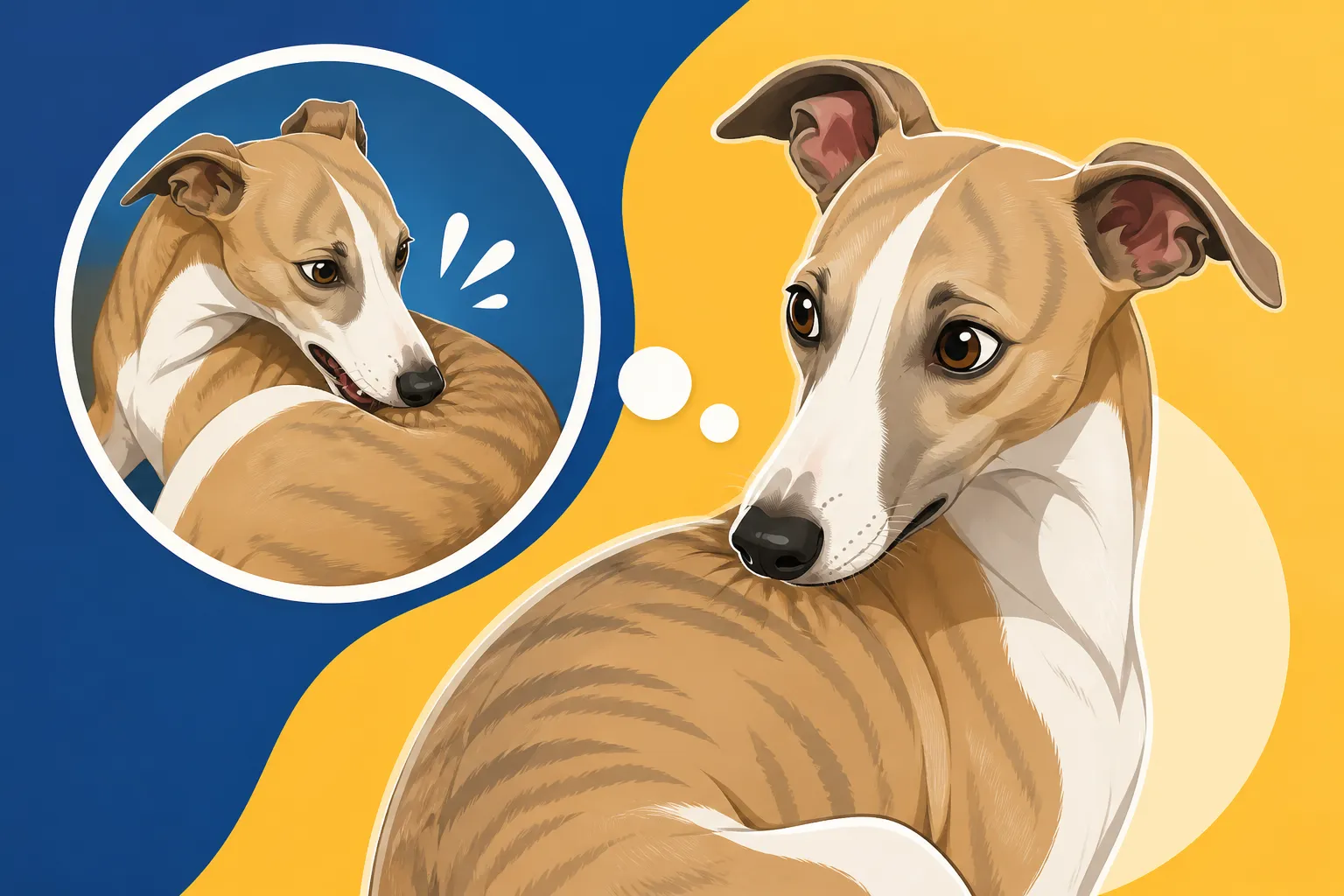
It's incredibly worrying to watch your beloved Whippet constantly gnawing, licking, or chewing at their own beautiful, often sparse coat. You might wonder if it's just a bad habit, or if there's something more serious going on beneath their delicate skin. This guide aims to unravel the mystery behind why your Whippet might be chewing their coat and what practical steps you can take to help them find relief and comfort.
Why a Whippet Might Chew Their Own Coat: Unpacking the Reasons
When you see your Whippet going to town on their fur, it's natural to assume they're just grooming themselves a little too enthusiastically. But for a sighthound, especially one with such fine, thin skin and a lean build, excessive chewing is almost always a sign of underlying discomfort. It's their way of telling you something isn't right, even if they can't verbalize it. Understanding the root cause is the first critical step toward resolving the issue and bringing your companion some peace.
Skin Irritations and Allergies
This is often the first place our minds go, and for good reason. Whippets, with their minimal body fat and close-lying coat, are particularly susceptible to skin irritations that might go unnoticed on a fluffier breed. Even the tiniest itch can escalate quickly into an obsessive chewing habit.
A common culprit is fleas, even if you don't see them. Just one flea bite can trigger an intense allergic reaction in sensitive dogs, leading to localized itching that drives them to chew. Environmental allergies, like pollen, dust mites, or certain grasses, can also manifest as itchy skin, redness, and hot spots. Think about yourself with seasonal allergies – now imagine not being able to scratch effectively and resorting to nibbling at your skin instead. Food allergies, though less common than environmental ones, can also present as skin issues, causing widespread itchiness or specific areas of irritation that a Whippet will relentlessly try to alleviate by chewing. Their sensitive skin is a double-edged sword: it means they're less insulated but also means problems are often more immediately visible and irritating to them. You might also want to read about Flea Treatment Reactions in a Whippet to understand potential issues.
Pain or Discomfort
Sometimes, the chewing isn't about an itchy spot at all, but rather a targeted attempt to soothe an area of pain. If your Whippet is constantly chewing at a specific leg, paw, or hip, it could indicate an underlying orthopedic issue or injury that isn't immediately visible. This might be anything from a minor sprain or muscle pull to something more chronic like early-onset arthritis. Whippets are athletic dogs, but they're not immune to injuries, especially if they've had a rough tumble during a sprint or a clumsy play session.
They can't tell you, "My elbow hurts," so they resort to licking, then chewing, that area. This can be particularly frustrating because you might not see any obvious limping or signs of injury initially. The chewing might be the most noticeable symptom, and it can easily be mistaken for an allergy. Keep a close eye on where they're chewing. Is it consistently the same joint? Is it worse after exercise? These are crucial clues for your vet. Learning about Muscle Pulls in a Whippet or When a Whippet Gets Arthritis might provide further context.
Anxiety, Stress, or Boredom
Whippets are incredibly sensitive and intelligent creatures. They bond deeply with their families and can be prone to anxiety, particularly separation anxiety, if left alone for extended periods or if their routine changes dramatically. When stressed or bored, some dogs will develop compulsive behaviors, and obsessive licking and chewing their own coat is a classic example. It's a self-soothing mechanism, much like a person biting their nails.
Think about the context: Do they chew more when you're preparing to leave? Is it worse after you've been gone all day? Do they tend to chew on their paws or legs, which are easily accessible? A lack of mental stimulation can also contribute. Even though Whippets are known couch potatoes, they still need engaging activities to keep their sharp minds occupied. If they're not getting enough walks, play, or puzzle toys, that pent-up energy or boredom can manifest as destructive chewing, including on their own beautiful coat. Understanding Separation Anxiety in a Whippet can be very helpful here.
Identifying the Problem and Getting a Diagnosis
You're seeing the chewing, you're worried, and you know something needs to change. But how do you pinpoint the exact cause among all the possibilities? This phase is about becoming a super-sleuth, gathering information, and then working closely with your veterinarian to get a clear diagnosis. Trust me, a precise diagnosis saves a lot of time, money, and frustration in the long run.
Observing Patterns and Symptoms
Before you even step foot in the vet's office, you can be a huge help by meticulously observing your Whippet's behavior. This isn't just about noticing that they're chewing, but how, when, and where. Keep a little journal or even just a note on your phone.
- When does the chewing occur? Is it constant throughout the day, or mainly at certain times, like when you leave for work, after a walk in the grass, or late at night?
- Where are they chewing? Is it always the same spot – a specific leg, a flank, their tail, or their paws? Or is it generalized all over their body?
- What does the skin look like underneath? Part their fur and examine the area. Are there any visible changes? Look for redness, inflammation, bumps, scabs, raw spots, hair loss, or a greasy/oily feel. Sometimes you might notice a distinct odor, which can indicate a secondary yeast or bacterial infection.
- Are there other symptoms? Is your Whippet also scratching, rubbing against furniture, licking more than usual, or showing signs of discomfort when touched? Have there been any changes in their diet, energy levels, or bowel movements?
- Recent changes? Did you change their food, introduce a new cleaning product, move to a new house, or did the seasons change recently? All these small details can be vital clues that help your vet narrow down the possibilities.
The Vet Visit: What to Expect
Once you've gathered your observations, it's time to book that vet appointment. It's crucial not to just assume it's "just allergies" or "just anxiety." A good veterinarian will approach this systematically, aiming to rule out medical causes first. You might want to consider finding a vet who is experienced with sighthounds, as their unique physiology can sometimes require a slightly different approach, for instance, with certain medications or interpretations of bloodwork. Whether a Whippet Needs a Vet Who Knows Sighthounds is an important consideration.
Here’s what you can generally expect:
- Thorough Physical Examination: Your vet will do a complete check-over, looking for any obvious signs of skin irritation, parasites, or pain. They'll examine the areas your Whippet has been chewing and check their overall skin and coat health.
- Skin Scrapes and Cytology: If there's redness, scabs, or hair loss, your vet might take a small skin scrape or impression smear to look for microscopic parasites (like mites) or evidence of bacterial or yeast infections. This is a quick and painless procedure.
- Allergy Testing: If allergies are suspected, your vet might discuss options for allergy testing. This could involve blood tests or referral to a veterinary dermatologist for intradermal skin testing. They might also suggest an elimination diet trial to rule out food allergies, which involves feeding a novel protein or hydrolyzed protein diet for a period of weeks to see if symptoms improve. You can also explore Whether a Whippet Has a Sensitive Stomach as part of this process.
- Pain Assessment: If the chewing is localized, especially around a joint or limb, your vet will perform an orthopedic examination to check for pain, swelling, or limited range of motion. X-rays might be recommended to visualize bones and joints if an injury or arthritis is suspected.
- Behavioral Discussion: If all medical causes are ruled out, your vet will delve into your Whippet's behavior, routine, and living environment to explore potential sources of stress, anxiety, or boredom. They might recommend consulting with a veterinary behaviorist or a certified professional dog trainer.
Remember, patience is key. Finding the exact cause of chronic chewing can sometimes take a bit of detective work, but a comprehensive approach with your vet is the fastest route to getting your Whippet comfortable again. The cost of these diagnostics and follow-up appointments can add up, so it's good to be prepared. What a Sighthound Vet Costs Over a Whippet's Life can give you an idea of potential expenses over time.
Strategies for Managing and Preventing Coat Chewing
Once you and your veterinarian have identified the underlying reason for your Whippet's coat chewing, you can finally put a targeted plan into action. This isn't just about stopping the chewing; it's about addressing the root cause and improving your Whippet's overall well-being. It might involve a combination of medical treatments, environmental changes, and behavioral adjustments.
Addressing Medical Causes
If the chewing stems from a medical condition, the treatment will naturally focus there.
- Allergies: For flea allergies, consistent, high-quality flea prevention is paramount – year-round, even if you don't see fleas. For environmental allergies, your vet might prescribe anti-itch medications, antihistamines, or allergy shots (immunotherapy). Special medicated shampoos can also provide relief for irritated skin; you can learn more about Which Shampoo Suits a Whippet's Thin Skin. If a food allergy is diagnosed, transitioning to a hypoallergenic diet is essential. Brands like Ollie offer fresh food options that can be great for sensitive dogs, providing novel protein sources and limited ingredients to help manage dietary sensitivities. Always discuss diet changes with your vet to ensure it's balanced for your Whippet's specific needs.
- Infections: Bacterial or yeast infections, often secondary to allergies or skin irritation, will require specific antibiotics or antifungals, usually in oral and/or topical forms.
- Pain Management: If a specific injury or joint pain is the culprit, your vet might prescribe anti-inflammatory medications, pain relievers, or recommend joint supplements. Physical therapy, laser therapy, or even chiropractic adjustments might be options for some conditions. Ensuring your Whippet has super soft and supportive bedding everywhere can also make a huge difference in their comfort, especially if they have joint issues. Why a Whippet Needs Soft Bedding Everywhere offers excellent insights into this.
Environmental and Behavioral Adjustments
Sometimes, medical issues are ruled out, or they contribute only partially, and the focus shifts to behavioral or environmental factors.
- Enrichment and Exercise: If boredom or anxiety is driving the chewing, increasing mental and physical stimulation is key. Whippets are known as "40 mph couch potatoes," meaning they need bursts of intense exercise followed by lots of rest. Ensure your Whippet gets at least one good sprint session daily in a safe, enclosed area, or a couple of brisk walks. Beyond physical exercise, mental enrichment is vital. Puzzle toys, training sessions (Whippets are smart and love to learn, especially for a good treat!), and even just novel experiences like exploring a new walking route can make a huge difference. Online retailers like Chewy offer a vast selection of puzzle toys, durable chew toys, and comfortable beds that can help provide that crucial enrichment and comfort. Remember, How Much Exercise a Whippet Really Needs is important to balance with their natural inclination to relax.
- Stress Reduction: For anxiety, particularly separation anxiety, a multi-faceted approach is best. This might include counter-conditioning techniques, providing comforting items (like a pheromone diffuser or a ThunderShirt), and ensuring a consistent, predictable routine. Some dogs benefit from calming supplements or, in more severe cases, anti-anxiety medication prescribed by a vet or veterinary behaviorist. Creating a safe, cozy "den" area for them to retreat to can also help them feel secure.
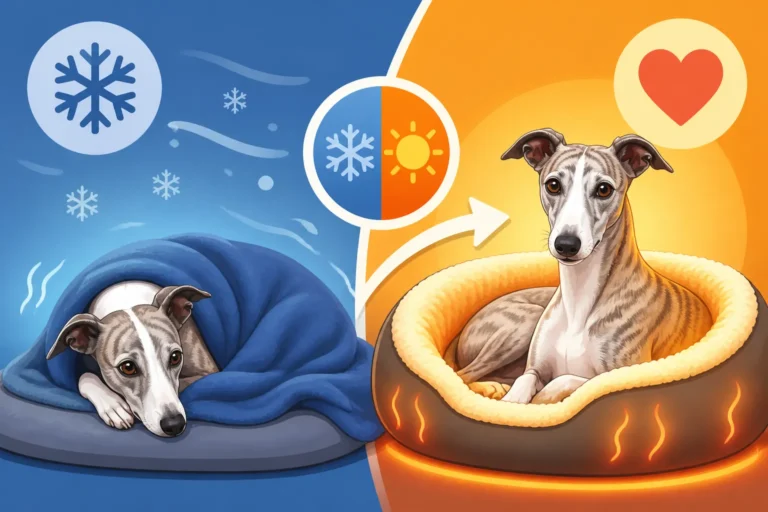
- Comfortable Surroundings: Ensure your Whippet has plenty of soft, comfortable places to rest. Their thin skin and bony frame mean hard surfaces can quickly lead to pressure sores or general discomfort, which they might try to alleviate by chewing. High-quality dog beds, blankets, and even allowing them on the sofa (with appropriate covers, of course!) can significantly improve their daily comfort.
Protective Measures
While you're working on the underlying cause, you might need to take steps to prevent your Whippet from further damaging their skin or coat through chewing.
- E-Collars or Recovery Suits: For acute irritation or wounds, an Elizabethan collar (the "cone of shame") or a soft recovery suit can prevent your Whippet from reaching the affected area. This allows the skin to heal without constant disturbance. While not ideal for long-term use, they are invaluable during the initial healing phase. You can find many comfortable options these days that are less cumbersome than the traditional hard plastic cones. Stopping a Whippet Chewing Its Stitches can give you more tips on protecting healing areas.
- Bitter Sprays: Some owners find bitter-tasting sprays helpful to deter chewing on specific areas. However, these are often a temporary fix and don't address the underlying reason for the behavior.
- Regular Grooming: While Whippets are low-maintenance when it comes to grooming, regular, gentle brushing can help distribute natural oils and identify any new skin issues early. Keep their nails trimmed to prevent accidental scratches if they do scratch an itch.
Finally, unexpected vet bills for diagnostics, medications, or specialized treatments can be a financial strain. Having pet insurance, like a plan from Healthy Paws, can provide significant peace of mind, covering a portion of these costs and allowing you to focus on your Whippet's health without added financial stress. Checking if Whether a Whippet's Skin Injuries Are Covered by insurance is a good idea.
Remember, resolving coat chewing requires patience and consistency. It's about a partnership with your vet, understanding your Whippet's unique needs, and providing them with the comfort and care they deserve.
Common Causes of Whippet Coat Chewing: A Quick Reference
To help you keep track of potential causes and their signs, here's a quick reference table. This is a guide to assist your observations, not a substitute for veterinary diagnosis!
| Potential Cause | Common Symptoms Observed | Areas Often Targeted | What to Look For (Skin/Coat) |
|---|---|---|---|
| Fleas/Parasites | Intense, sudden itching; small red bumps; "flea dirt" (tiny black specks) | Base of tail, groin, flanks, belly | Redness, scabs, hair loss, bumps, "hot spots" |
| Environmental Allergies | Licking paws; rubbing face; generalized itchiness (seasonal or year-round) | Paws, face, ears, armpits, belly, flanks | Redness, inflammation, oily skin, thickening of skin, hair loss |
| Food Allergies | Chronic ear infections; gastrointestinal upset (diarrhea/vomiting); generalized itchiness | Paws, face, ears, belly, rear | Redness, inflammation, pimple-like bumps, hair loss |
| Pain/Injury | Chewing focused on one specific area; limping or favoring a limb; reluctance to move | Specific joint, limb, paw, hip | Swelling (may be subtle), heat, sensitivity to touch, lameness |
| Anxiety/Stress/Boredom | Chewing when left alone; repetitive licking; restlessness; changes in appetite | Paws, lower legs, tail base | Localized hair loss (often symmetrical), skin thickening, hyperpigmentation |
| Infection (Bacterial/Yeast) | Redness, odor, greasy coat, pus-filled bumps, flakiness, intense itching | Anywhere, often secondary to other irritation | Oily skin, foul odor, pustules, scabs, thickened skin |
Disclaimer
This article is for general informational purposes only and does not constitute professional advice. Laws, prices and regulations vary by location and change over time. Consult a qualified professional for guidance on your specific situation.