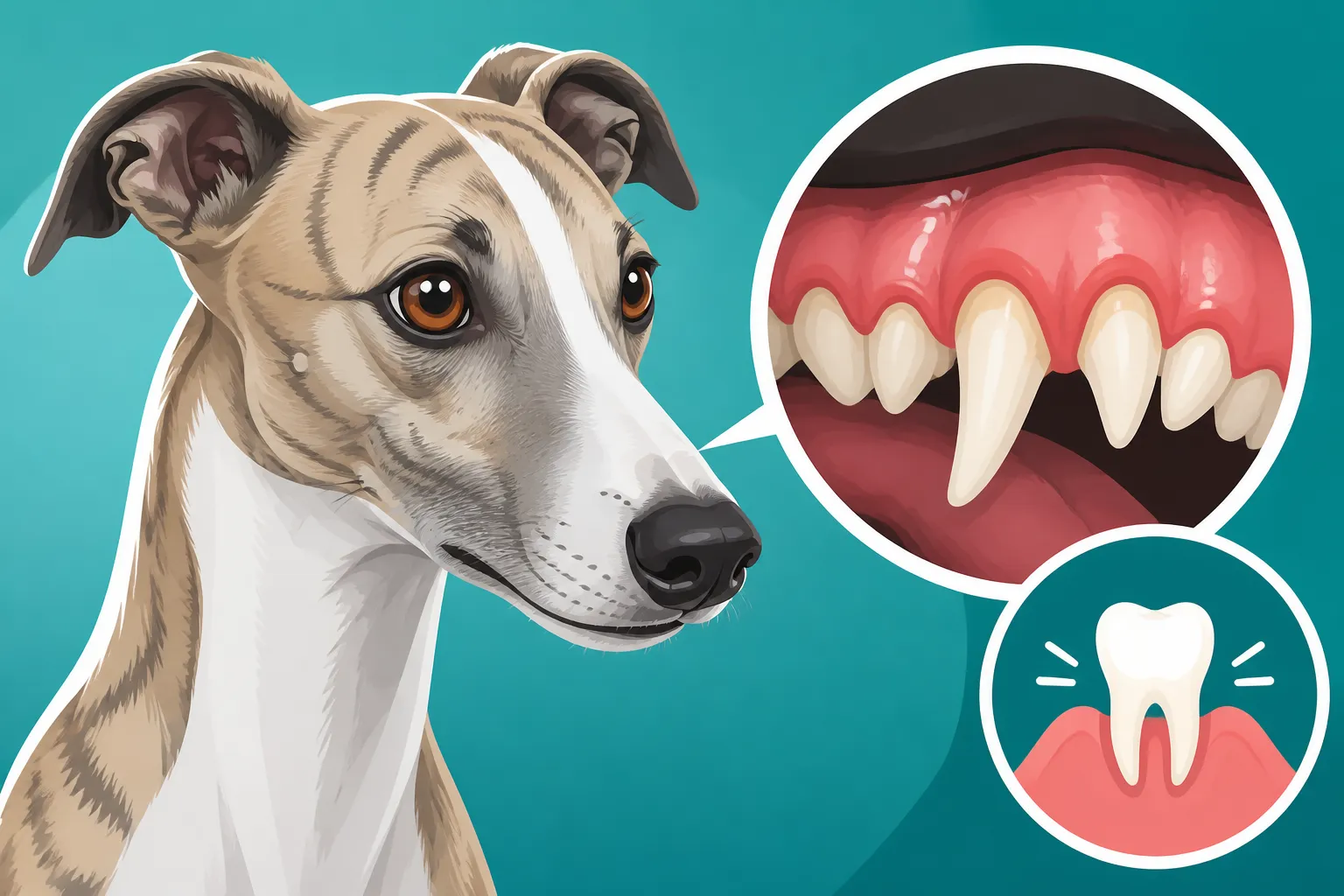
Receding Gums in a Whippet
It can be truly heartbreaking to notice your beloved Whippet's gums pulling away from their teeth, revealing the roots underneath. This isn't just an aesthetic issue; receding gums often signal a deeper problem, causing pain, discomfort, and potentially serious health complications for your swift companion. This guide will walk you through understanding why receding gums happen in Whippets, what you can do to prevent them, and how to manage the condition to ensure your Whippet lives a long, happy, and pain-free life.
Understanding Receding Gums in Whippets
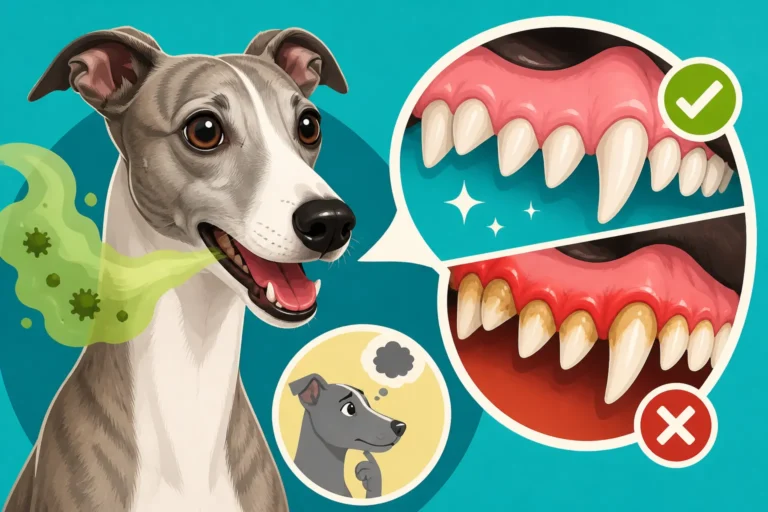
When you look at a healthy Whippet's mouth, you should see pink, firm gums that snugly surround the base of each tooth. Receding gums, however, look quite different. The gum tissue starts to pull back, exposing more of the tooth's root surface. This exposure can make the teeth appear longer than they actually are, and it often comes with a host of other unpleasant symptoms that can significantly impact your dog's quality of life. It’s a common but often overlooked problem, and one that Whippet owners need to be particularly vigilant about.
What Are Receding Gums and Why Do They Happen?
Receding gums, or gingival recession, occurs when the gum tissue surrounding the teeth wears away or pulls back, exposing more of the tooth, or the tooth's root. Unlike humans, where aggressive brushing can often be a culprit, in dogs, the primary cause is almost universally periodontal disease. This insidious condition starts with plaque, a sticky film of bacteria, food particles, and saliva, building up on the tooth surface. If not removed, plaque hardens into tartar (calculus), which then irritates the gums, leading to gingivitis – inflammation of the gums.
Left unchecked, gingivitis progresses to periodontitis, where the inflammation spreads beneath the gum line, destroying the supporting structures of the tooth. Pockets form between the teeth and gums, filling with bacteria, and the gum tissue itself begins to detach and recede. This exposure of the tooth root isn't just unsightly; the roots are not protected by enamel and are highly sensitive, leading to pain and increased vulnerability to decay. For a Whippet, whose mouth is often a silent battleground for dental issues, understanding this progression is key. You might wonder, Why a Whippet Builds Tartar Fast? It's often due to genetics and their unique oral environment.
Early Signs and Symptoms to Watch For
Catching receding gums early can make a huge difference in your Whippet's prognosis and comfort. The earliest sign you might notice is redness or swelling along the gum line – classic gingivitis. Your dog might also develop bad breath, a common indicator of bacterial overgrowth in the mouth. I know it's easy to dismiss "dog breath" as normal, but truly foul breath is often a red flag. As the condition worsens, you might start to see visible gum recession, where the gums literally look like they're shrinking away from the teeth.
Other symptoms include yellow or brown tartar buildup on the teeth, especially the molars and canines. Your Whippet might show reluctance to eat hard kibble or toys, drop food from their mouth, paw at their face, or exhibit excessive drooling. Sometimes, you might even spot blood on their chew toys or in their water bowl. Any change in eating habits or increased sensitivity around their mouth should prompt a closer look. It's often one of the first clues that Teeth Are the Whippet Problem That Sneaks Up on us.
Why Whippets Are Prone to Dental Issues
It often feels like Whippets are prone to a myriad of specific health concerns, and unfortunately, dental disease is right up there. Their genetics play a significant role. Many sighthound breeds, including Whippets, tend to have narrower jaws, which can lead to crowded teeth. When teeth are packed too closely together, they create more crevices and tight spaces where food particles and bacteria can accumulate, making it harder for natural chewing action or even brushing to clean effectively. This crowding contributes to the rapid buildup of plaque and tartar, accelerating the onset of periodontal disease. You might find that Whether a Whippet's Narrow Jaw Crowds Its Teeth directly impacts how quickly dental issues develop.
Beyond jaw structure, some Whippets might have a genetic predisposition to certain oral bacteria or a less robust immune response in the mouth, making them more susceptible to gum inflammation. Their relatively fine bone structure and lean build also mean less robust support for their teeth compared to some stockier breeds. Lastly, many Whippets aren't as enthusiastic about hard chews as other dogs, which means they miss out on some of the natural abrasive cleaning that can help keep plaque at bay. It's a combination of these factors that often means our Whippets need extra vigilance when it comes to their oral health.
The Impact of Receding Gums on Your Whippet's Health
Ignoring receding gums isn't an option if you want your Whippet to live a long, comfortable life. The consequences extend far beyond just bad breath or an unsightly smile. The pain and discomfort can be chronic and debilitating, affecting their everyday joy, and the bacterial load in their mouth can wreak havoc on their entire body. It’s a silent battle that your Whippet is fighting, and it’s up to us to recognize the signs and intervene.
Pain, Discomfort, and Eating Difficulties
Imagine having a constant toothache, or gums that bleed every time you try to eat. That's often the reality for a Whippet with advanced receding gums. The exposed tooth roots are incredibly sensitive, making it painful to chew, especially on hard foods. This chronic pain can lead to noticeable changes in behavior; your once-enthusiastic eater might become picky, take longer to finish meals, or even drop food. They might tilt their head strangely while eating or show a preference for softer foods, even if they used to love crunching kibble.
Beyond eating, the pain can affect their general demeanor. A dog in chronic pain might become more withdrawn, less playful, or even irritable when approached, especially near their face. It's easy to mistake these changes for "getting old" or a shift in personality, but often, dental pain is the underlying culprit. Their quality of life diminishes significantly, and the joy of simple things like chewing on a favorite toy can be lost entirely.
Systemic Health Risks
The mouth isn't an isolated part of the body, and the bacterial infection causing receding gums doesn't stay confined to the oral cavity. As periodontal disease progresses, bacteria from the infected gums can enter the bloodstream. Once in the bloodstream, these bacteria can travel to major organs, including the heart, kidneys, and liver, causing secondary infections and inflammation. This is why veterinarians often emphasize the link between oral health and overall systemic health.
For instance, bacterial endocarditis, an infection of the heart valves, can develop from advanced dental disease. Kidney and liver function can also be compromised, leading to more severe health problems down the line. It's a sobering thought that something seemingly as localized as gum disease can ultimately contribute to life-threatening conditions. This is particularly relevant for older Whippets, whose immune systems might already be less robust, making them more vulnerable to these systemic complications. This is also why understanding Whether a Whippet Needs Yearly Dental Cleaning is so important.
The Cost of Ignoring Dental Problems
I know vet bills can be daunting, and it's tempting to put off dental work if your Whippet isn't showing obvious signs of distress. But I can tell you from experience, ignoring dental problems almost always leads to greater expense and suffering in the long run. What might start as a relatively straightforward dental cleaning and polishing can quickly escalate into multiple extractions, gum flap surgeries, or even more complex procedures if the disease is allowed to advance. The cost of addressing severe periodontal disease, which often includes extensive anesthesia, imaging, extractions, and post-operative care, far outweighs the cost of preventative measures.
Beyond the financial strain, there's the emotional cost of seeing your Whippet in pain and enduring extensive procedures. Regular dental care isn't just about preserving teeth; it's about preserving comfort, quality of life, and preventing much more serious, costly, and painful health issues down the road. It's an investment in your Whippet's long-term well-being.
Preventing and Managing Receding Gums in Your Whippet
The good news is that with proactive care, you can significantly reduce your Whippet's risk of developing severe receding gums and manage any existing conditions effectively. It requires a multi-faceted approach, combining at-home care with regular professional veterinary attention. Consistency is truly your Whippet's best friend when it comes to oral health.
Daily Oral Hygiene Practices
The gold standard for at-home dental care for dogs is daily tooth brushing. Yes, I know, it sounds like a chore, and wrestling a Whippet to brush their teeth might feel like an Olympic sport. But even a few minutes each day or every other day can make a massive difference in preventing plaque buildup and the subsequent progression to tartar and gum disease. Use a dog-specific toothbrush and enzymatic toothpaste (never human toothpaste!). Start slowly, introducing the brush and paste gently, and make it a positive experience with treats and praise. Focus on the outside surfaces of the teeth, especially the upper canines and molars, where plaque tends to accumulate most. For many, this routine determines How Often a Whippet's Teeth Need Brushing.
Beyond brushing, dental chews and water additives can be helpful adjuncts, but they are rarely a substitute for brushing. Look for products that are Veterinary Oral Health Council (VOHC) approved, as these have been scientifically proven to reduce plaque and tartar. Brands like Greenies or dental chews available through Chewy can be a good starting point. Remember, too many treats can add calories, so choose wisely. I always emphasize that Whether Dental Chews Are Enough for a Whippet is a question with a nuanced answer – they help, but usually aren't a complete solution on their own.
Professional Veterinary Dental Care
Even with diligent at-home care, most Whippets will need professional dental cleanings under anesthesia at some point in their lives, often annually, especially as they age. A professional cleaning involves scaling to remove plaque and tartar above and below the gum line, polishing the tooth surfaces to make them smooth and less prone to future plaque adherence, and a thorough oral exam. This is where your vet can assess the extent of any gum recession, identify diseased teeth, and perform necessary extractions.
It's completely normal to feel anxious about anesthesia for your Whippet, especially given their unique physiology as sighthounds. However, with modern protocols, pre-anesthetic bloodwork, and careful monitoring, the risks are greatly minimized. It’s crucial to discuss Whether a Whippet's Dental Needs Sighthound Anesthesia with your vet to ensure they understand the specific requirements for your breed. Your vet will conduct a physical exam and likely recommend blood tests before the procedure to ensure your Whippet is a good candidate for anesthesia. What a Whippet's Dental Under Anesthesia Costs is an investment in their long-term health, not just a cosmetic fix.
| Type of Dental Care | Description | Frequency | Key Benefits |
|---|---|---|---|
| Daily Brushing | Using a dog-specific brush and enzymatic toothpaste. | Daily or every other day | Reduces plaque, prevents tartar, maintains gum health. |
| Dental Chews/Treats | VOHC-approved chews designed to reduce plaque and tartar. | Daily (as directed) | Supplements brushing, helps scrape teeth. |
| Water Additives | Solutions added to drinking water to help reduce bacteria. | Daily | Reduces oral bacteria, freshens breath. |
| Professional Cleaning | Full scaling, polishing, and examination under anesthesia by a veterinarian. | Annually or bi-annually | Removes hardened tartar, addresses subgingival disease, extractions. |
Diet and Nutrition for Dental Health
While diet alone won't prevent receding gums, it plays a supporting role. Feeding a high-quality, balanced diet is essential for overall health, which includes maintaining a strong immune system capable of fighting off oral infections. Some veterinarians suggest that certain kibble formulations, often marketed as "dental diets," can help scrape plaque from teeth as the dog chews. These often have larger, uniquely shaped kibble pieces. However, for a Whippet who tends to swallow kibble whole, this benefit might be limited.
Some owners explore raw or fresh food diets, believing they contribute to better dental health, though scientific evidence is mixed on this. If considering a fresh food option like Ollie, discuss it with your vet to ensure it's balanced and meets your Whippet's nutritional needs. While chewing on appropriate raw bones can provide some abrasive cleaning, it also carries risks of tooth fractures or internal injury, especially for a breed with delicate teeth like a Whippet. Always prioritize safety and veterinary guidance. Ultimately, what's most important is that your Whippet is receiving adequate nutrition and that any dietary choices are integrated with a comprehensive dental hygiene plan.
Living with a Whippet Prone to Dental Issues
If your Whippet has already developed receding gums or is simply predisposed to dental problems, don't despair! Living with a dog with dental challenges requires ongoing commitment, but it's entirely manageable. The key is to be proactive, consistent, and to work closely with your veterinarian. Remember, your Whippet relies on you to be their advocate for health, especially for those silent pains they can't express.
Creating a Routine for Lifelong Dental Care
Establishing a consistent daily and weekly routine is paramount for managing your Whippet's dental health. This means making toothbrushing a non-negotiable part of your day, just like feeding or walking. Choose a time when your Whippet is relaxed, perhaps in the evening after their last meal. Make it a positive experience with rewards. Consider keeping a small log or calendar to track brushing days, dental chew administration, and water additive refills to ensure consistency.
Beyond daily care, mark your calendar for annual or bi-annual veterinary dental check-ups. These regular appointments allow your vet to monitor the progression of any gum recession, address new plaque and tartar buildup, and intervene before problems become severe. Think of it as a preventative maintenance schedule for their mouth, similar to how you would care for their coat or nails, or ensure they get their needed exercise. While not directly related to gums, knowing What a Whippet Needs Every Day includes keeping an eye on their overall health, including their oral hygiene.
Recognizing When It's Time for a Vet Visit
It's easy to fall into the trap of thinking "it's not that bad" or "they seem fine." However, given the silent nature of dental pain in dogs, it’s vital to be vigilant. If you notice any of the earlier mentioned signs – persistent bad breath, visible gum recession, redness or bleeding gums, changes in eating habits, pawing at the mouth, increased drooling, or unusual swelling on their face – it's time to call your vet. Don't wait until your Whippet is refusing to eat; by then, they are likely in considerable pain and the disease is advanced.
Regular check-ups will help your vet spot issues early, but your daily observations are just as important. You are the one who sees your Whippet every day, and you know their baseline behavior. If something seems off, trust your gut. Early intervention can often save teeth, reduce pain, and prevent more invasive and costly procedures down the road. Sometimes, the issue is as simple as needing a scaling (Whether a Whippet's Teeth Need Scaling Often), but other times it can be more complex.
Maintaining Overall Health to Support Dental Wellness
A healthy mouth is part of a healthy body, and vice versa. Ensuring your Whippet receives a balanced diet, regular exercise, and appropriate veterinary care for all aspects of their health will support their dental wellness. For instance, a dog with a robust immune system is better equipped to fight off bacterial infections, including those in the mouth. Discussing diet with your vet, perhaps looking at options available on Amazon or Chewy, can help ensure your Whippet is getting all the nutrients they need.
As Whippets age, other health concerns may arise, and dental health often takes a backseat, but it shouldn't. Older Whippets are often more susceptible to advanced periodontal disease. Therefore, integrating dental care into the broader picture of Caring for an Old Whippet That Feels the Cold becomes even more critical. Keep all their vaccinations and preventative treatments up to date, manage any other health conditions they may have, and ensure they have a comfortable, warm environment. All these factors contribute to their overall resilience, helping them withstand and recover from dental challenges more effectively.
Disclaimer
This article is for general informational purposes only and does not constitute professional advice. Laws, prices and regulations vary by location and change over time. Consult a qualified professional for guidance on your specific situation.