Whether a Whippet Needs a Gastropexy
It’s a terrifying thought, isn’t it? The sudden, life-threatening emergency of bloat, or Gastric Dilatation-Volvulus (GDV), is something no dog owner wants to experience. While we often hear about it in giant breeds, a common question that crosses the minds of many Whippet parents is whether their sleek, athletic companions are truly at risk and if a preventative gastropexy is something they should seriously consider. This guide aims to cut through the confusion and help you understand the realities of bloat for Whippets and what options exist.
Understanding Bloat and GDV in Dogs
Bloat is one of those words that strikes fear into the hearts of dog owners, and for very good reason. It’s a serious condition that can turn fatal in a matter of hours if not treated immediately. Knowing what it is and what causes it in more predisposed breeds is the first step in protecting your beloved companion.
What Exactly Is Bloat and GDV?
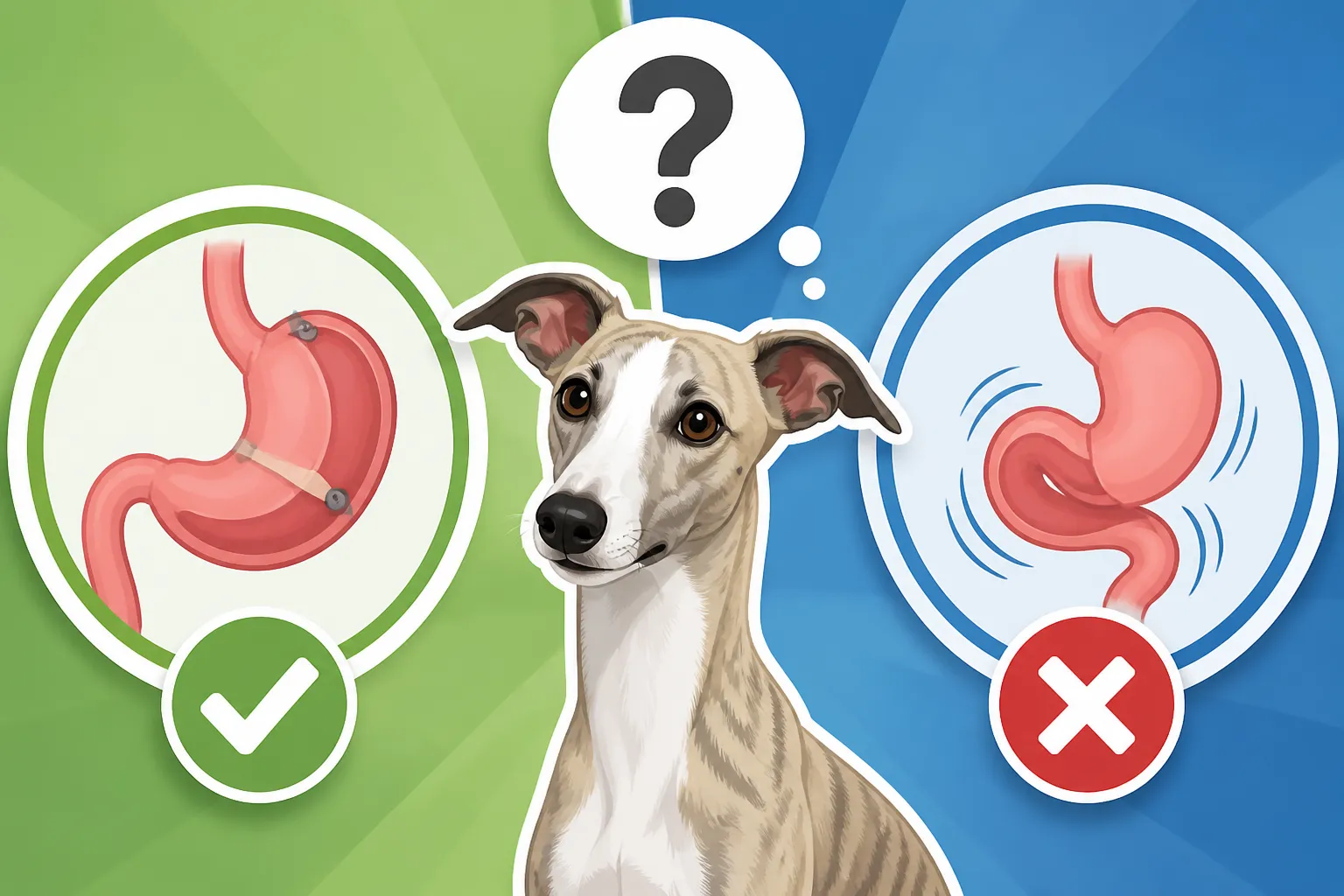
At its simplest, "bloat" refers to Gastric Dilatation-Volvulus, or GDV. This isn't just an upset stomach or a bit of gas; it's a critical medical emergency. It starts when a dog's stomach fills with gas, fluid, or food (dilatation) and then twists upon itself (volvulus). When the stomach twists, it traps everything inside, cutting off blood supply to the stomach lining and often other vital organs, like the spleen. This twisting action also blocks the normal escape routes for gas, like burping or vomiting, which only makes the stomach swell further. The pressure from the distended stomach can impede breathing, compress major blood vessels, and even send the dog into shock. The pain is immense, and without emergency surgery to untwist the stomach and relieve the pressure, a dog will almost certainly die. It’s truly a race against time, and prompt recognition of symptoms and immediate veterinary care are paramount.
Why Certain Breeds Are More Prone to Bloat
While any dog can technically experience bloat, certain breeds are undeniably more predisposed. The classic profile for a high-risk dog is a large or giant breed with a deep, narrow chest. Think Great Danes, Weimaraners, German Shepherds, Irish Setters, and Standard Poodles. The exact reasons aren't fully understood, but it's believed that the anatomical structure of a deep chest allows more room for the stomach to swing and twist. Other contributing factors often discussed include:
- Eating habits: Rapid eating, eating one large meal a day, or eating from elevated bowls (though this is debated) can be implicated.
- Activity levels: Exercising vigorously too soon before or after eating.
- Stress and anxiety: Anxious or fearful dogs may have a higher risk.
- Genetics: A family history of bloat significantly increases risk.
- Age: Older dogs tend to be more susceptible.
- Temperament: Some studies suggest fearful or aggressive temperaments are associated with higher risk.
These factors combine to create a perfect storm where the stomach can dilate and then, under certain circumstances, rotate, leading to GDV. For owners of these breeds, understanding these risks often leads to serious considerations about preventative measures.
Is the Whippet Truly at Risk for Bloat?
Given that Whippets are sighthounds, known for their deep chests and athletic build, it’s natural to wonder if they fall into the "high-risk" category for bloat. The answer isn't as straightforward as it is for some other breeds, but it's important to differentiate them.
Whippet Physiology and Bloat Risk
Whippets do possess that hallmark sighthound deep chest, which is one of the primary anatomical features linked to an increased risk of GDV in larger breeds. This deep chest provides ample room for their powerful lungs and heart, built for speed and endurance, but it also creates space where the stomach could potentially twist if it dilates significantly. However, a crucial difference between a Whippet and, say, a Great Dane, is size. Whippets are medium-sized dogs, typically weighing between 25 and 40 pounds. Their overall smaller body mass means that while their chest is deep, the volume of their abdominal cavity and the mechanics of their digestive system might differ from their giant cousins.
Anecdotally, many long-time Whippet owners and sighthound enthusiasts will tell you that bloat is far less common in Whippets than in, for instance, Greyhounds or Borzoi, which are larger sighthounds. This isn't to say it can't happen, but the proportional difference in size, despite the deep chest, seems to offer some protective factor. It’s always important to remember that general breed statistics are just that — general. Your individual dog's specific anatomy and habits can play a role.
The Actual Incidence of Bloat in Whippets
When we look at veterinary data and breed-specific health surveys, it becomes clear that while bloat can affect Whippets, it's not considered a breed where it's highly prevalent. Studies that list breeds at high risk for GDV consistently feature giant and large breeds, with Whippets rarely making the top tiers. While official, large-scale studies specifically on Whippet bloat incidence are not widely available, the consensus among veterinarians and breed clubs is that it is not a common occurrence compared to other deep-chested breeds.
However, this doesn't mean zero risk. It simply means that your Whippet is statistically less likely to experience bloat than a Great Dane or a Doberman Pinscher. Factors like eating too quickly, high-stress situations, or a genetic predisposition (if a close relative has bloated) can still elevate an individual Whippet's risk. Therefore, it's a good idea for all Whippet owners to be aware of the signs of bloat and know what to do in an emergency, regardless of the overall breed statistics. Companies like Healthy Paws offer pet insurance plans that would cover the emergency costs of bloat treatment, which can be substantial, making it a wise consideration for any dog owner.
Gastropexy: What It Is and How It Prevents Torsion
For breeds at high risk of bloat, a surgical procedure called a gastropexy is often recommended. It’s a preventative measure designed to save lives by preventing the deadliest aspect of bloat: the twisting of the stomach.
The Surgical Procedure Explained
A gastropexy is essentially a surgical tacking of the stomach to the abdominal wall. During the procedure, a portion of the stomach is permanently attached to the inside of the body wall, usually the right side. This attachment prevents the stomach from twisting (volvulus) if it fills with gas or fluid (dilatation). The stomach can still bloat – meaning it can still fill with air – but it cannot rotate. This is a crucial distinction. While a gastropexy doesn't prevent bloat itself, it does prevent the life-threatening torsion that cuts off blood supply and causes shock.
The procedure can be performed in a couple of ways:
- Open surgery: This involves a traditional incision along the abdomen, allowing the surgeon direct access to the stomach and abdominal wall.
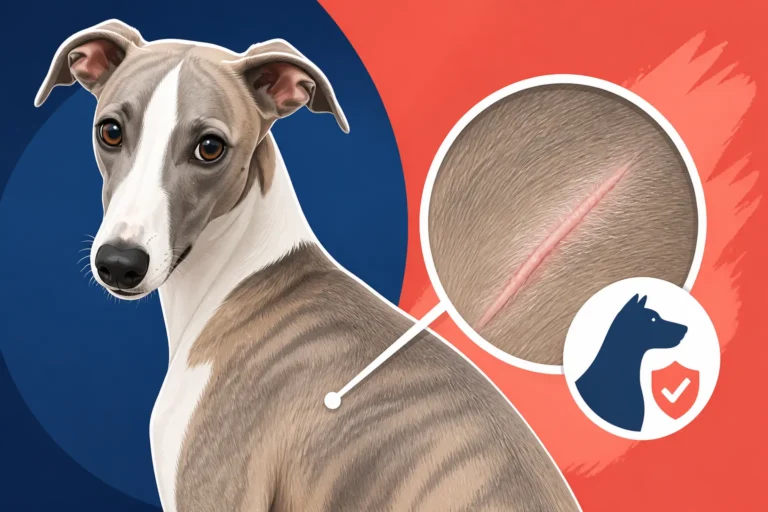
- Laparoscopic surgery: Often called a "keyhole" surgery, this less invasive method uses small incisions and a camera to guide the surgeon. This typically results in less pain, smaller scars, and a faster recovery time for the dog. Many vets prefer this method when possible.
Often, a gastropexy is performed at the same time as another abdominal surgery, such as spaying or neutering, especially in high-risk breeds. This allows for one anesthesia event and one recovery period. Before any surgery, especially for a sighthound, it's vital to discuss the specific anesthetic protocol with your vet. Whippets often require a Why a Whippet Needs a Sighthound Anesthesia Protocol that minimizes certain drugs and ensures proper monitoring and warming, as they can be sensitive to anesthesia. Ensuring your Whippet has Whether a Whippet Needs Pre Anesthetic Bloodwork is also an important step to confirm they are healthy enough for surgery.
Potential Benefits and Risks of Gastropexy
The primary benefit of a gastropexy is undeniably life-saving. By preventing the stomach from twisting, it eliminates the most dangerous and often fatal component of GDV. For breeds with a high incidence of bloat, this prophylactic surgery drastically reduces the likelihood of an emergency trip to the vet and the need for complex, costly, and risky emergency de-torsion surgery. It offers immense peace of mind to owners of predisposed dogs.
However, like any surgical procedure, gastropexy isn't without its risks and considerations:
- Surgical risks: There's always a risk associated with anesthesia and surgery itself, including infection, hemorrhage, or adverse reactions to medication. While rare, these are possibilities.
- Cost: The cost of a prophylactic gastropexy can vary, but it's an investment. While it might seem like a lot upfront, it's usually significantly less expensive than emergency bloat surgery, which can run into thousands of dollars. It's something to consider when you look at the overall cost of caring for a Whippet over its The Twelve to Fifteen Years a Whippet Lives.
- Bloat still possible: As mentioned, gastropexy prevents torsion, not dilatation. Your dog's stomach can still fill with gas and bloat, causing discomfort and potentially other issues. However, the immediate life-threatening danger is largely removed.
- Recovery: While often straightforward, recovery still requires careful management, pain relief, and restricted activity for a period. Whippets, with their thin skin, might be more prone to skin irritation around incisions, and you’ll want to ensure they don’t chew at their stitches. You’ll want to make sure your Whippet wakes How Slowly a Whippet Wakes From Sedation appropriately and is kept warm after the procedure, given their low body fat.
For breeds genuinely at high risk, the benefits often far outweigh these risks. For a Whippet, where the risk is lower, the decision becomes more nuanced and individualized.
Making an Informed Decision: Does Your Whippet Need a Gastropexy?
Deciding whether to pursue a prophylactic gastropexy for your Whippet is a significant choice. It’s not a one-size-fits-all answer, and it requires careful consideration of various factors.
Individual Factors Beyond Breed Predisposition
While breed statistics are a starting point, your individual Whippet’s specific circumstances are paramount. Even though Whippets aren't generally considered a high-risk breed for Bloat in a Whippet, certain individual factors could nudge the decision towards a gastropexy:
- Family history: If your Whippet's parents or close relatives have experienced bloat or GDV, their genetic predisposition is higher. This is one of the strongest indicators.
- Eating habits: Does your Whippet wolf down its food at lightning speed? Gulping air along with food can be a contributing factor to bloat. While there are strategies to slow eating, a gastropexy could offer an additional layer of protection.
- Temperament and stress: Is your Whippet particularly anxious or prone to stress? High-stress environments or an anxious disposition have been linked to a higher incidence of bloat in some dogs.
- Age and concurrent surgeries: If your Whippet is already undergoing another abdominal surgery, like spaying or neutering, the opportunity to perform a gastropexy at the same time might make the decision more appealing. It minimizes the number of anesthetic events and recovery periods.
- Your peace of mind: Ultimately, a significant factor is your own comfort level with the risk. If the constant worry about bloat is impacting your ability to enjoy your dog, and you can mitigate that with a surgical procedure, it might be worth it for you. This is where companies like Healthy Paws can also offer some peace of mind by covering unexpected emergencies, though a preventative surgery might not be fully covered if elected without a prior medical necessity.
Proactive Strategies to Minimize Bloat Risk
Regardless of whether you choose a gastropexy, there are several practical steps you can take to reduce the risk of bloat in your Whippet:
- Smaller, more frequent meals: Instead of one large meal, feed your Whippet two or three smaller meals throughout the day. This reduces the amount of food and gas that can accumulate in the stomach at any one time.
- Slow feeder bowls: These bowls are designed with ridges or obstacles to force your dog to eat more slowly, thereby reducing the amount of air they gulp down.
- Avoid strenuous exercise around meal times: Wait at least an hour before and after meals for any vigorous activity. This helps the stomach settle and digest food before it's jostled around.
- Ensure access to fresh water: Dehydration can be a factor.
- Manage stress: Try to minimize stressful situations for your dog, especially around feeding times.
- Monitor eating and drinking: Observe your Whippet’s habits. Excessive gulping of air, especially when drinking, could be a concern.
- Consider diet: While controversial, some believe certain ingredients or food types might contribute to bloat. Discuss your Whippet’s diet with your vet. Remember, a Whippet is generally Whether a Whippet Is Cheap to Feed, but quality food is still important.
These strategies are excellent practices for all dog owners, particularly those with deep-chested breeds, and can greatly contribute to your Whippet's overall health and wellbeing.
When to Consult Your Veterinarian
The most crucial step in making an informed decision about gastropexy for your Whippet is to have a thorough discussion with your veterinarian. They can assess your individual Whippet’s health, consider their specific risk factors, and provide tailored advice.
A vet who is familiar with sighthounds can offer invaluable insight, as these breeds often have unique physiological considerations, from their bloodwork to their anesthetic needs. You might want to seek out Whether a Whippet Needs a Vet Who Knows Sighthounds. Be prepared to discuss:
- Your Whippet’s medical history: Any past issues, current health status.
- Family history of bloat: If you know it, share it.
- Your Whippet’s daily routine: Eating habits, exercise, stress levels.
- Your concerns: Don’t hesitate to express your anxieties and questions.
They can explain the procedure in detail, discuss the specific risks for your Whippet, and help you weigh the pros and cons. They might recommend an abdominal ultrasound to get a better look at your Whippet’s internal anatomy. Remember, an emergency situation like bloat can result in significant bills, so understanding What a Sighthound Vet Costs Over a Whippet's Life, especially during an emergency, is key. If you ever suspect your Whippet is bloating, do not hesitate; seek emergency veterinary care immediately. Knowing What an After Hours Vet Visit Costs for a Whippet, while daunting, is secondary to getting immediate help.
| Feature | Gastropexy Benefits (for at-risk breeds) | Gastropexy Considerations (for Whippets) |
|---|---|---|
| Primary Goal | Prevents life-threatening stomach torsion (volvulus). | Less critical for Whippets due to lower breed risk, but prevents torsion. |
| Bloat Prevention | Does NOT prevent stomach dilatation (bloat itself). | Still allows for gas/fluid accumulation, but removes the deadliest twisting. |
| Surgical Risk | General anesthesia and surgical risks (infection, complications). | Whippets require careful Why a Whippet Needs a Sighthound Anesthesia Protocol. |
| Cost | Significant upfront cost, but cheaper than emergency bloat surgery. | Investment must be weighed against lower breed-specific risk. |
| Peace of Mind | Greatly reduces owner anxiety for high-risk breeds. | Offers peace of mind, but might be considered "overkill" by some. |
| Recovery | Requires post-operative care, restricted activity. | Generally good recovery, especially with laparoscopic method. |
| Necessity | Highly recommended for high-risk breeds. | An elective procedure for Whippets, decided on individual factors. |
Disclaimer
The information provided in this article is for educational purposes only and is not intended to be a substitute for professional veterinary advice, diagnosis, or treatment. Always seek the advice of your veterinarian or other qualified animal health provider with any questions you may have regarding a medical condition.