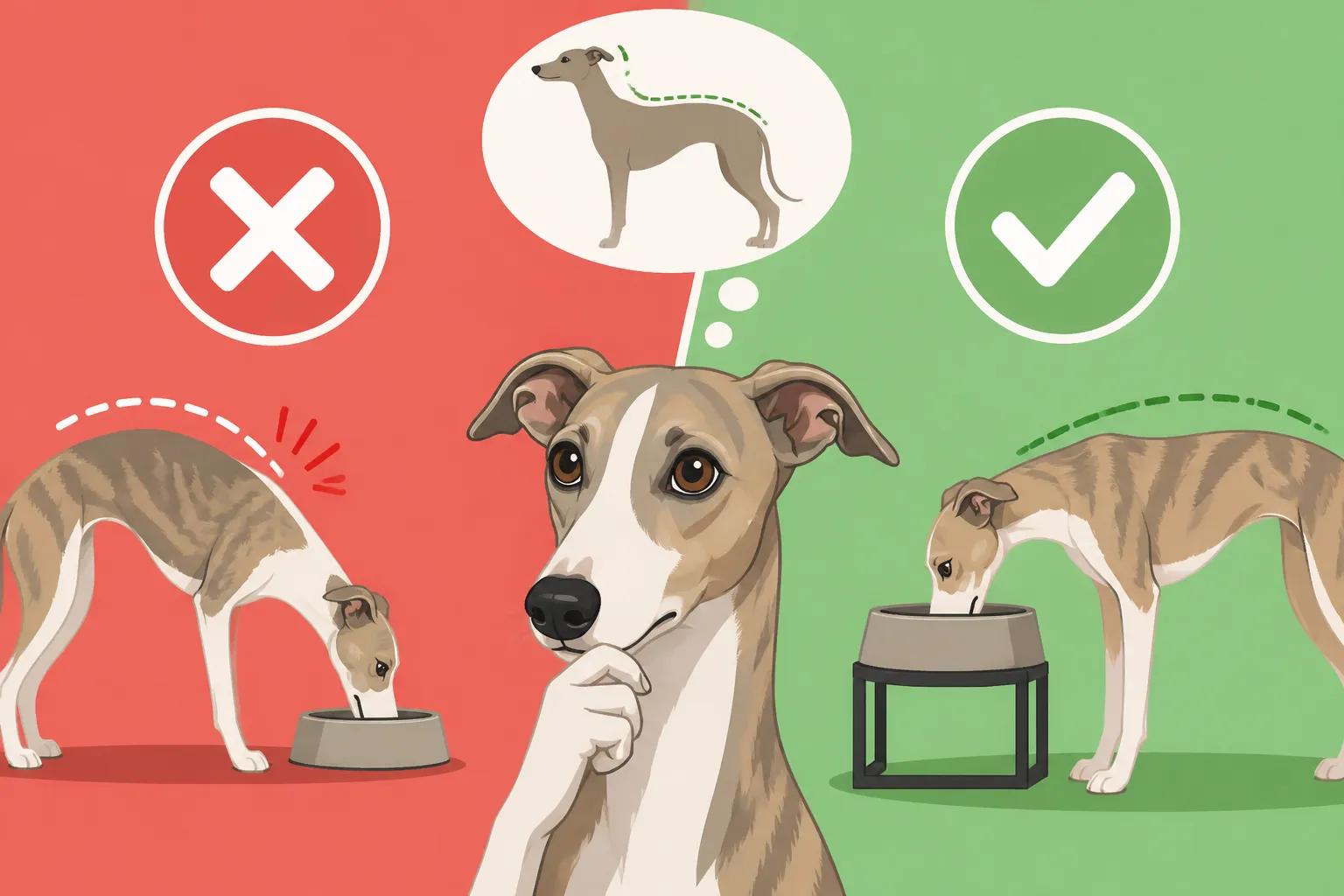
Whether a Whippet Should Eat From a Raised Bowl
As devoted Whippet owners, we’re always looking for the best ways to care for our sleek, sensitive companions. One question that often comes up, especially when considering our dogs' unique anatomy, is whether they should eat from a raised bowl. It’s a debate that’s seen a lot of back and forth over the years, with some strong opinions on both sides. This guide will dive deep into the science, common wisdom, and practical considerations to help you decide what’s truly best for your Whippet’s dining experience.
Understanding Gastric Dilatation-Volvulus (GDV) in Whippets
The topic of raised bowls almost always brings up the dreaded condition of Gastric Dilatation-Volvulus, or GDV, more commonly known as bloat. For many years, veterinary advice often suggested that raised bowls could prevent bloat in deep-chested breeds. However, scientific understanding has evolved, and it's essential to separate myth from fact when it comes to our Whippets.
The GDV Link: Debunking the Myth of Raised Bowls
For a long time, the prevailing theory was that dogs eating from a raised bowl would ingest less air, thus reducing the risk of bloat. This advice was particularly common for breeds like Great Danes, German Shepherds, and other large, deep-chested dogs known to be at higher risk. Owners were encouraged to elevate their dog's food and water bowls to what was believed to be a more "natural" and safer eating position.
However, a landmark study published in the Journal of the American Veterinary Medical Association actually found the opposite for some breeds. While the study primarily focused on large and giant breeds, it suggested that raised food bowls might actually increase the risk of bloat in certain predisposed dogs, rather than reduce it. The exact reasons are still being researched, but it’s thought that eating faster and potentially gulping more air with a more "comfortable" head position could play a role. For us Whippet owners, this means we need to be cautious about blindly applying advice that might have been generalized or, as research shows, might be incorrect.
GDV is an extremely serious, life-threatening condition where the stomach fills with gas and then twists. This cuts off blood supply to the stomach and other organs, and it's a veterinary emergency requiring immediate surgery. Even with prompt treatment, the prognosis can be guarded. While Whippets are certainly deep-chested, their overall build and typical eating habits might place them in a different risk category than, say, a Great Dane.
Whippet Anatomy and Bloat Risk
Whippets possess that classic sighthound physique: a deep chest that provides ample room for their large lungs and powerful heart, and a slender, tucked-up abdomen. This deep chest is precisely why the bloat concern is often raised. You can even see their distinct "tuck up" under their loin.
Given their slender build, you might instinctively feel that bending down to a floor-level bowl would be awkward for them, leading you to consider a raised feeder. It seems logical, right? But while a Whippet's chest is deep, their overall weight and stomach capacity are much smaller than giant breeds. Their active, often nervous, temperament can also be a factor in how they eat. Some Whippets are notorious gulpers, finishing their meals in record time, which can lead to ingesting more air regardless of bowl height.
It's important to remember that while their body shape could theoretically predispose them to bloat, the actual incidence rate in Whippets isn't as high as in some of those giant breeds. Risk factors for bloat in any dog are complex and can include genetics, eating rapidly, exercising too close to meal times, stress, and even the type of food. Therefore, while we should always be aware of bloat symptoms (distended abdomen, unproductive retching, restlessness, pain), simply raising a bowl isn't a proven preventative for a Whippet, and could even, according to some research, be a slight risk factor for some breeds. Instead, focusing on a calm eating environment and monitoring for rapid eating might be more beneficial. If you're concerned about bloat, discussing Whether a Whippet Needs a Gastropexy with your vet might be a more scientifically-backed preventative measure for high-risk dogs, but it’s generally not a routine recommendation for Whippets unless there are other specific concerns.
Comfort and Ergonomics for Your Whippet
Beyond the bloat debate, the primary argument for raised bowls often centers on comfort and ergonomics. For many dogs, particularly those with certain physical conditions, a raised bowl can make a world of difference in their daily eating experience.
When a Raised Bowl Might Be Beneficial
Even if a raised bowl doesn't prevent bloat, it can certainly offer comfort for specific situations. Think about an older Whippet, for example. As our beloved companions age, they can develop conditions like arthritis in their neck, back, or elbows. Bending down repeatedly to a floor-level bowl can become painful or difficult for them. In such cases, a raised bowl allows them to eat in a more natural, upright posture, reducing strain on their joints and spine. This can significantly improve their quality of life and make meal times more enjoyable. Caring for an Old Whippet That Feels the Cold also involves making their daily life as comfortable as possible, and that extends to eating.
Similarly, Whippets recovering from certain injuries or surgeries that limit their range of motion might benefit from a raised feeder during their recuperation period. Even puppies, during their rapid growth spurts, might find an adjustable raised bowl more comfortable as their bodies change. The key is observation: watch your Whippet when they eat. Do they seem to struggle to reach the bowl? Do they shift their weight uncomfortably? These are cues that a raised bowl might be a good idea for their individual needs.
For a healthy, young, and agile Whippet, a floor-level bowl is usually perfectly fine. They are built for agility and movement, and bending their neck and body to eat is not inherently strenuous for them.
Choosing the Right Height and Material
If you decide a raised bowl is right for your Whippet, getting the height correct is crucial. The general guideline is that the top of the bowl should be at about the level of your Whippet's lower chest or slightly above the bend in their elbow when they are standing naturally. This allows them to eat without craning their neck down excessively or reaching up uncomfortably. You can easily measure this at home by having your Whippet stand and measuring from the floor to their chest. An adjustable stand is often a great investment, especially for puppies or if you have multiple Whippets of slightly different sizes. Many options are available from retailers like Chewy or Amazon, offering different styles and adjustability.
When it comes to materials, you have a few choices, each with its own pros and cons:
- Stainless Steel: This is often considered the gold standard. It’s durable, easy to clean, non-porous (so it doesn't harbor bacteria), and generally safe. Many raised feeders come with stainless steel inserts.
- Ceramic: Ceramic bowls are heavy, stable, and can be aesthetically pleasing. However, they are prone to chipping or breaking if dropped, and cracks can harbor bacteria if not properly glazed.
- Plastic: While often the most affordable, plastic bowls can scratch easily, creating crevices for bacteria to grow. Some dogs can also develop an allergy to plastic, leading to chin acne. For these reasons, many owners prefer to avoid plastic for food and water.
Always prioritize ease of cleaning and hygiene, regardless of your chosen material.
Practical Considerations for Feeding Your Whippet
Beyond the primary debates, there are several practical aspects to consider when deciding on the best feeding setup for your Whippet. These often come down to hygiene, eating habits, and overall convenience.
Hygiene and Maintenance
No matter whether you choose a floor bowl or a raised one, hygiene is paramount. Dog bowls can quickly become a breeding ground for bacteria if not cleaned regularly. This is especially true for food bowls, which can accumulate saliva, food particles, and environmental contaminants.
Raised bowls often have an advantage in terms of cleanliness simply because they are off the floor. This can prevent insects like ants from easily accessing the food and can reduce the amount of dust, dirt, or stray hairs that might fall into the bowl from the floor. They can also be easier for you to clean, as you don't have to bend down as far to pick them up or wipe around them.
However, the stand itself will need cleaning regularly to prevent dust and grime buildup. If you have a particularly messy eater, food crumbs and water drips can still end up on the floor around a raised bowl, requiring regular cleanup. For any type of bowl, daily washing with hot, soapy water is recommended. Stainless steel bowls can often go right into the dishwasher, making cleanup a breeze. Keeping bowls clean helps prevent potential digestive issues and contributes to your Whippet's overall health, tying into broader care concerns like Whether a Whippet Has a Sensitive Stomach or even reducing the risk of dental problems.
Slow Feeders and Other Accessories
Many Whippets, with their inherent drive and sometimes nervous energy, can be notoriously fast eaters. They can gulp down their entire meal in minutes, often ingesting a lot of air in the process. While not directly linked to bloat in the same way as raised bowls, ingesting too much air too quickly can lead to discomfort, gas, and even regurgitation.
This is where a slow feeder can be incredibly beneficial. Slow feeders are designed with ridges, mazes, or obstacles that force your dog to eat around them, slowing down their intake significantly. This promotes healthier digestion and can make mealtime a more engaging activity. You can find a wide variety of slow feeder options that fit into existing raised stands or are standalone bowls. Many online retailers like Chewy offer different designs, from simple inserts to complex puzzle bowls. If you observe your Whippet gobbling their How Much a Whippet Should Eat meal in seconds, a slow feeder is definitely worth considering, regardless of whether it's a raised or floor-level design.
Beyond food bowls, always ensure your Whippet has constant access to fresh, clean water. Water bowls can also be raised, particularly if your Whippet is prone to spilling or if you have an older dog. Dehydration can be a serious issue, especially for active dogs, and easy access to water is non-negotiable.
Making an Informed Decision for Your Unique Whippet
Ultimately, the best feeding setup for your Whippet isn't a one-size-fits-all answer. It comes down to observing your individual dog, understanding their specific needs, and making choices that prioritize their comfort and health.
Observing Your Whippet's Eating Habits
Your Whippet is a unique individual, and their eating style and physical comfort during meal times will give you the most insight. Spend a few minutes watching them as they eat from their current bowl.
Ask yourself:
- Do they strain their neck or back to reach the food?
- Do they eat very quickly, gulping air?
- Do they seem hesitant or uncomfortable approaching the bowl?
- Do they make a mess, pushing food out of the bowl or splashing water?
- Are they able to swallow easily, or do they seem to cough or choke?
If your Whippet is healthy, young, and shows no signs of discomfort eating from a floor-level bowl, there's likely no compelling reason to change. However, if you notice any of the issues above, particularly signs of physical strain or very rapid eating, then exploring alternatives like a properly sized raised bowl or a slow feeder could be beneficial. For an older Whippet, the comfort factor often outweighs any minor theoretical risks, especially if they have joint pain, as part of their overall Caring for an Old Whippet That Feels the Cold routine.
Consulting Your Veterinarian
When in doubt, always turn to your veterinarian. They know your Whippet's health history, any pre-existing conditions, and can offer personalized advice based on their professional expertise. This is especially important for senior Whippets, those with diagnosed musculoskeletal issues like arthritis, or dogs recovering from surgery.
Your vet can help you assess whether a raised bowl would genuinely benefit your Whippet’s posture and digestion, or if it’s an unnecessary change. They can also discuss other bloat prevention strategies, if they deem your Whippet to be at higher risk, and help differentiate between normal eating behaviors and those that might signal an underlying problem. The cost of regular vet visits, especially for What a Sighthound Vet Costs Over a Whippet's Life, is an investment in these kinds of personalized insights. Some modern pet food companies, like Ollie, often emphasize the importance of veterinary consultation when tailoring a dog's nutritional plan, highlighting this crucial partnership.
Here's a quick comparison to help you weigh the options:
| Feature | Floor Bowl | Raised Bowl |
|---|---|---|
| Bloat Risk | Generally considered neutral to slightly lower | Research suggests it could increase risk in some breeds |
| Comfort for Healthy Dog | Usually adequate | Unnecessary, potentially less natural |
| Comfort for Senior/Injured | Can be difficult, painful | Can provide significant relief from strain |
| Hygiene | More exposed to floor dirt/pests, easy to kick | Less floor contamination, easier to access for cleaning |
| Rapid Eating | Does not inherently slow eating | Does not inherently slow eating |
| Cost | Generally less expensive | Higher initial investment for stand and bowls |
| Portability | Very portable | Less portable, especially larger stands |
Ultimately, making an informed choice means prioritizing your Whippet's individual well-being over generalized advice. Observe them closely, consult your vet, and provide the most comfortable and hygienic eating environment you can.
Disclaimer
This article is for general informational purposes only and does not constitute professional advice. Laws, prices and regulations vary by location and change over time. Consult a qualified professional for guidance on your specific situation.