Eye Disease in a Whippet
It’s a heart-stopping moment for any Whippet owner: you glance at your beloved companion, and something just doesn't look right with their eyes. Maybe there’s a new cloudiness, an irritating discharge, or they seem a little hesitant navigating familiar spaces. Eye issues can be incredibly distressing because they affect your Whippet's quality of life and can sometimes progress rapidly. This comprehensive guide will walk you through the various eye diseases that can affect Whippets, helping you understand what's normal, how to spot potential problems, and the best ways to keep those soulful sighthound eyes healthy and bright for years to come.
Understanding Whippet Eye Health: What's Normal?
When you’re a Whippet owner, you quickly learn to appreciate their unique physical traits – from their graceful arch to their delicate skin. Their eyes are no exception; they have a certain sighthound charm that can sometimes make it tricky to discern a minor irritation from a serious issue.
The Anatomy of a Whippet Eye: Unique Features
Whippets possess beautiful, expressive eyes that are typically large, bright, and oval-shaped. They are set somewhat obliquely, giving them that classic, alert sighthound gaze. The iris color usually harmonizes with the coat color, ranging from dark brown to amber. A healthy Whippet eye should be clear, moist, and free from excessive discharge. You might notice a small amount of clear or whitish sleep in the inner corner after a nap, which is perfectly normal. The conjunctiva, the pink membrane lining the eyelids, should appear light pink and not inflamed or bright red. Their long eyelashes and the protective bony structure of their skull help shield their eyes, but their wide-set nature can sometimes make them vulnerable to foreign bodies or minor scrapes when they’re zipping through tall grass or underbrush.
One thing to remember about our Whippets is their incredible vision. As sighthounds, they are naturally adapted to detect movement over long distances. While their close-up vision might not be as sharp as their long-distance sight, their overall ocular health is crucial for their ability to run, play, and navigate their world confidently. Any impairment in vision can profoundly impact their happiness and safety, especially given their love for sprinting.
Age-Related Changes vs. Disease: What's to be Expected
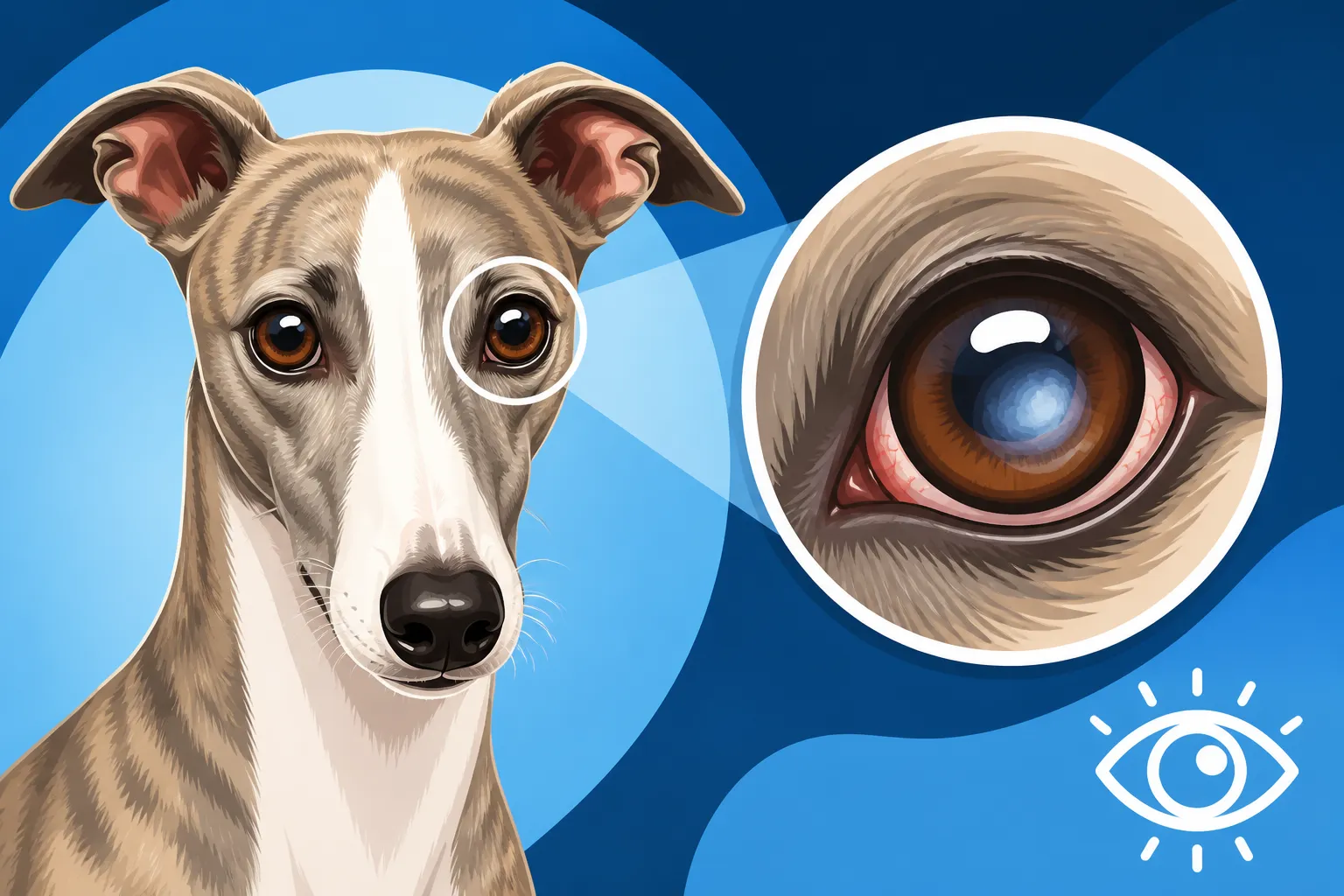
Just like us, Whippets' eyes undergo changes as they age, and it's important for owners to distinguish between normal age-related shifts and signs of an underlying disease. One of the most common findings in older Whippets, typically those past eight or nine years old, is a bluish-gray haze in the center of the lens. This is usually lenticular sclerosis, sometimes called nuclear sclerosis. It’s a normal aging process where the lens fibers harden and compress, and while it might slightly reduce vision, it rarely causes significant visual impairment or requires treatment. It's often mistaken for cataracts, which are a different condition involving opacity of the lens itself and can severely impact vision.
Beyond lenticular sclerosis, you might notice a slight decrease in tear production as your Whippet gets older, which can sometimes lead to mild dryness. Their eyelids might also become a bit looser. However, any persistent redness, swelling, increased or colored discharge, pain (indicated by squinting or pawing), or a sudden change in vision should always prompt a visit to the vet. Don't simply attribute it to "old age," because many conditions are treatable, and early intervention can make a huge difference in preserving sight and comfort. Caring for a Whippet Past Ten requires a more vigilant eye, pun intended, on all aspects of their health, including their vision.
Common Whippet Eye Conditions: More Than Meets the Eye
While Whippets are generally a robust breed, they aren't immune to the more common eye ailments that can affect any dog. Understanding these issues can help you identify them quickly and seek appropriate care.
Conjunctivitis and Allergies: The Irritated Eye
Conjunctivitis, or inflammation of the conjunctiva, is a frequently diagnosed eye condition in dogs, including Whippets. It's essentially an "angry" eye. It can be caused by a variety of factors, from environmental irritants like dust, smoke, or certain chemicals to more complex issues like bacterial or viral infections, allergies, or even foreign bodies lodged in the eye. For our active Whippets who love to explore, a stray piece of grass seed or a gust of wind carrying pollen can quickly lead to irritation.
Symptoms typically include redness of the conjunctiva (the pink tissue around the eye), swelling, and discharge. This discharge can range from clear and watery, often seen with allergies or early irritation, to thick, yellow, or greenish, which usually points to a bacterial infection. Your Whippet might also squint, blink excessively, rub their face against furniture, or paw at their eyes due to discomfort. If you suspect conjunctivitis, especially if the discharge is thick or the eye appears painful, it's always best to consult your veterinarian. They can properly diagnose the cause and prescribe the right treatment, which often involves topical antibiotic or anti-inflammatory drops or ointments.
Corneal Injuries and Ulcers: When the Surface is Scratched
The cornea, the clear outer layer of the eye, is surprisingly delicate. Whippets, with their love for speed and adventure, are unfortunately prone to corneal injuries. Running full tilt through tall grass, chasing a lure through dense brush, or even a minor scuffle during playtime can lead to a scratch or abrasion on the corneal surface. Because Whippets have such fine, thin skin, sometimes even a minor facial injury can be close enough to cause damage to the eye. You might want to read more about The Thin Skin That Sends a Whippet to the Vet for Stitches to understand their skin's vulnerability. These injuries can quickly escalate into corneal ulcers if not treated promptly.
A corneal ulcer is essentially an open sore on the cornea. They are incredibly painful. Signs to look out for include intense squinting, excessive tearing, sensitivity to light (your Whippet might shy away from bright areas), and a noticeable cloudiness or bluish haze on the eye's surface. Your dog might be visibly distressed, pawing at their eye or rubbing their face frequently. A veterinarian can diagnose an ulcer by applying a special fluorescein stain to the eye; the stain adheres to damaged areas, making them glow under a blue light. Treatment typically involves topical antibiotics to prevent infection, pain medication, and sometimes a special contact lens or even surgery for deep or non-healing ulcers. Prompt treatment is crucial to prevent further damage and preserve vision.
Dry Eye (Keratoconjunctivitis Sicca, KCS): A Lack of Tears
Keratoconjunctivitis Sicca, more commonly known as dry eye, occurs when the eyes don't produce enough tears to keep them lubricated and healthy. Tears are vital for washing away debris, nourishing the cornea, and protecting the eye from infection. Without adequate tear production, the eyes become dry, irritated, and susceptible to damage. While KCS can be caused by certain medications, systemic diseases, or nerve damage, the most common cause in dogs is an autoimmune disease where the body's immune system attacks the tear glands.
Whippets, like many breeds, can be affected by KCS. The symptoms often start subtly but worsen over time. You might notice your Whippet's eyes appear dull or "dry," and there's often a thick, ropey, yellowish-white discharge that can accumulate in the corners of the eyes. Their eyes may look red and inflamed, and they might blink frequently or hold their eyes partially closed. Chronic dry eye can also lead to changes in the cornea itself, causing it to become cloudy, pigmented, or even develop ulcers. Diagnosis involves a simple test called the Schirmer tear test, which measures tear production over a minute. Treatment for KCS is usually lifelong and involves topical medications like cyclosporine or tacrolimus to stimulate tear production, along with artificial tears to provide lubrication.
Genetic Eye Diseases in Whippets: What to Know About Inherited Risks
While many eye issues are environmental or age-related, some diseases are passed down through generations. Responsible breeders strive to screen for these conditions, but it's important for all Whippet owners to be aware of the genetic risks.
Progressive Retinal Atrophy (PRA): The Gradual Loss of Sight
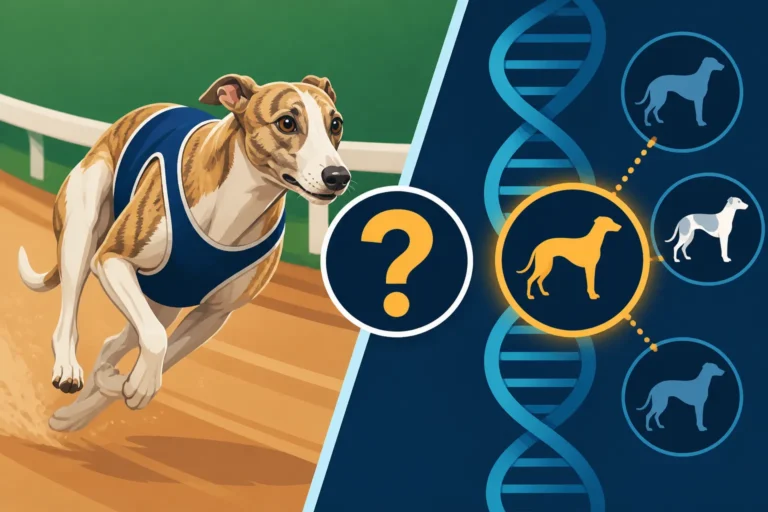
Progressive Retinal Atrophy (PRA) is a group of inherited degenerative diseases that affect the photoreceptor cells in the retina, leading to eventual blindness. In simple terms, these cells, which are responsible for detecting light and sending signals to the brain, gradually break down. While it's not painful, it is a progressive and irreversible condition. Whippets are known to be affected by certain forms of PRA.
The first noticeable symptom of PRA is typically night blindness. You might observe your Whippet becoming hesitant in dimly lit areas, bumping into furniture in the dark, or being reluctant to go outside after sunset. As the disease progresses, daytime vision also deteriorates, eventually leading to complete blindness. Whippets are incredibly adaptable, and because the vision loss is gradual, they often compensate remarkably well, using their other senses to navigate. This can make early detection challenging for owners. Diagnosis is typically made by a veterinary ophthalmologist through an ophthalmoscopic exam, where specific changes in the retina can be observed. An electroretinography (ERG) test can definitively confirm the diagnosis. Thankfully, genetic DNA tests are available for specific forms of PRA, which breeders can use to avoid passing the gene to future generations. For more in-depth information, please see our article on Progressive Retinal Atrophy in a Whippet. There is currently no cure for PRA, so management focuses on helping your Whippet adapt to their vision loss and maintaining a consistent environment to ensure their safety and comfort.
Cataracts: Clouding the Lens
Cataracts are another common eye condition that can have a genetic component in Whippets. A cataract is an opacity or cloudiness that develops within the lens of the eye, preventing light from reaching the retina clearly. This cloudiness can range from a tiny, insignificant spot to a complete opacification of the entire lens, leading to severe vision impairment or even blindness. While cataracts can occur secondary to other diseases like diabetes, eye trauma, or even inflammation, inherited forms, often called juvenile cataracts, are a significant concern in certain breeds.
In Whippets, cataracts can appear at varying ages, sometimes even in puppies. Symptoms include a visible cloudiness in the pupil, which normally appears black. Your Whippet might show signs of vision difficulty, such as bumping into objects, especially in unfamiliar surroundings, or hesitating when jumping off furniture. The severity of vision loss depends on the size and density of the cataract. Diagnosis is made through a thorough eye examination by a veterinarian or a veterinary ophthalmologist. For Whippets where inherited cataracts are a concern, screening is important. The good news is that cataracts can often be treated surgically. A skilled veterinary ophthalmologist can remove the cloudy lens and sometimes replace it with an artificial one, restoring vision in many cases. Learn more about this specific issue in our guide on Cataracts in a Whippet.
Primary Lens Luxation (PLL): A Displaced Lens
Primary Lens Luxation (PLL) is a condition where the lens of the eye dislocates from its normal position. It’s primarily recognized as an inherited condition in certain terrier breeds and some other working breeds, but it’s worth noting that any dog can experience secondary lens luxation due to trauma, glaucoma, or chronic inflammation. While less commonly associated specifically with Whippets compared to other sighthound issues, an awareness of this condition is still prudent for any dog owner.
When the lens becomes partially or completely displaced, it can cause significant problems. If it moves forward into the anterior chamber of the eye, it can block the drainage of fluid, leading to a sudden and painful increase in intraocular pressure, known as glaucoma. This is an ophthalmic emergency and can cause rapid, irreversible blindness. Symptoms of PLL or secondary luxation can include acute pain, severe redness of the eye, a cloudy appearance, and sudden onset blindness. Your Whippet might be in considerable distress, rubbing their eye or holding it shut. Diagnosis requires an immediate veterinary examination, often by an ophthalmologist, who will confirm the lens's position. Treatment typically involves urgent surgery to remove the displaced lens, or in severe cases where glaucoma has progressed too far and the eye is no longer visual and very painful, removal of the eye itself (enucleation) might be necessary to alleviate suffering.
Recognizing the Signs of Eye Problems in Your Whippet
As loving Whippet owners, we’re often attuned to the subtle shifts in our dog’s behavior. When it comes to their eyes, these subtle cues can be the first, crucial indicators that something isn't quite right. Early detection is key to successful treatment and preventing more serious complications.
Subtle Behavioral Cues: What Your Whippet Won't Tell You
Whippets, like many dogs, are incredibly stoic animals. They often try to hide pain or discomfort, a leftover instinct from their wild ancestors where showing weakness could make them vulnerable. This means you need to be an observant detective when it comes to their health, especially their eyes. If your Whippet is experiencing vision problems or eye pain, they might not vocalize it. Instead, look for subtle behavioral changes. Perhaps they are suddenly more hesitant to go up or down stairs, or they start bumping into furniture in a familiar room, particularly at night. This could be a sign of night blindness, often an early symptom of conditions like Progressive Retinal Atrophy.
You might also notice them rubbing their face more frequently against the carpet, your leg, or furniture. Increased blinking, squinting, or even keeping one eye partially closed are clear indicators of discomfort. They might become more withdrawn, less enthusiastic about playtime, or even exhibit a slight decrease in appetite if they are in significant pain. If your Whippet, usually a confident sprinter, suddenly seems a bit wobbly or unsure on their feet in new environments, it's worth considering their vision. These small changes, when pieced together, can paint a picture of an underlying eye issue that needs veterinary attention.
Physical Signs to Watch For: A Visual Checklist
Beyond behavioral changes, there are several distinct physical signs you can look for during your regular interactions with your Whippet. These are often more obvious and directly indicate a problem with the eye itself.
- Redness: Any noticeable redness in the white part of the eye (sclera) or the pink lining of the eyelids (conjunctiva) is a red flag. It can indicate inflammation, infection, or irritation.
- Swelling: Swelling around the eyelids or the eye itself is another clear sign of trouble. This could be due to injury, infection, or even an allergic reaction.
- Discharge: While a little clear discharge (like "sleep") is normal, any excessive tearing, or discharge that is thick, yellow, green, or blood-tinged, warrants investigation. The consistency and color of the discharge can give clues about the underlying cause.
- Cloudiness or Film: A hazy, bluish, or opaque appearance to the cornea (the clear front surface of the eye) or the lens (the part behind the pupil) is never normal, especially if it appears suddenly. This could indicate an ulcer, corneal edema, or cataracts.
- Unusual Pupils: Pay attention to your Whippet's pupils. Are they dilated (large) even in bright light, constricted (small), or unequal in size? Are they reacting normally to changes in light? Abnormalities can point to neurological issues or conditions like glaucoma.
- Changes in Eye Size or Position: If one eye appears larger or more prominent than the other, or if an eye seems to be receding into the socket, this is an immediate cause for concern.
- Third Eyelid Prominence: Dogs have a third eyelid (nictitating membrane) that typically isn't very visible. If it's consistently showing or covering a significant portion of the eye, it can indicate pain, infection, or another underlying issue.
Regular At-Home Checks: Building a Routine
Making a quick eye check part of your Whippet's daily or weekly routine can be incredibly beneficial for early detection. It only takes a minute or two and can save a lot of heartache (and vet bills!) down the line.
Here’s how you can perform a gentle at-home eye check:
- Find Good Lighting: Choose a well-lit area where you can clearly see your Whippet's eyes.
- Gentle Approach: Approach your Whippet calmly. Some dogs are sensitive about their faces. You can reward them with a small treat for cooperating.
- Visual Inspection from a Distance: First, observe your Whippet's eyes from a normal distance. Do both eyes look symmetrical? Is there any obvious squinting or pawing?
- Close-Up Examination: Gently hold your Whippet's head still. With your thumb, gently roll down the lower eyelid to inspect the conjunctiva – it should be a healthy pink. Look at the sclera (the white of the eye) for any redness.
- Check the Cornea and Pupil: Look directly at the cornea for clarity, cloudiness, or any visible scratches or foreign bodies. Observe the pupil for size and symmetry. You can even shine a dim light (like a phone flashlight) briefly to see if the pupils constrict in response.
- Wipe Away Debris: If there’s any minor clear discharge or sleep, gently wipe it away with a soft, damp cloth or a clean cotton ball. Note the color and consistency if it's anything more than clear.
Consistency is key. By familiarizing yourself with your individual Whippet’s normal eye appearance, you'll be much quicker to notice any deviations. Remember, if you spot any of the red flags discussed above, don’t hesitate to contact your veterinarian. It’s always better to be safe than sorry when it comes to your Whippet's precious eyesight.
Diagnosis and Treatment Approaches for Whippet Eye Issues
When you notice something amiss with your Whippet's eyes, the next logical step is to seek professional veterinary advice. A prompt and accurate diagnosis is essential for effective treatment and to give your Whippet the best chance of recovery or management.
Veterinary Examination: The First Step
When you bring your Whippet to the vet with an eye concern, the veterinarian will typically start with a thorough general physical examination, often assessing your Whippet's overall health and looking for any systemic conditions that might be contributing to the eye problem. Following this, a focused eye examination will be performed. This usually involves using an ophthalmoscope, a specialized tool that allows the vet to look closely at the internal structures of the eye, including the retina and optic nerve. They'll also carefully inspect the eyelids, conjunctiva, cornea, and lens.
Several diagnostic tests are commonly performed during this initial visit:
- Schirmer Tear Test: This test measures tear production and is crucial for diagnosing dry eye (KCS). A small strip of paper is placed under the lower eyelid for one minute, and the amount of moisture absorbed indicates the tear volume.
- Fluorescein Stain: A special orange dye is applied to the eye. If there's any damage or an ulcer on the cornea, the dye will adhere to it and glow bright green under a blue light, making the injury visible.
- Tonometry: This measures the intraocular pressure (IOP) within the eye and is essential for diagnosing glaucoma (high pressure) or uveitis (inflammation often associated with low pressure).
It’s always a plus if your veterinarian has experience with sighthounds, as they understand the unique physiological characteristics of breeds like Whippets. If you're unsure, you might want to look into Whether a Whippet Needs a Vet Who Knows Sighthounds to find a vet who is well-versed in their specific needs.
Advanced Diagnostics: When a Specialist is Needed
For more complex or persistent eye conditions, your general veterinarian may recommend a referral to a veterinary ophthalmologist. These specialists have advanced training and equipment dedicated solely to eye care. While a referral might seem daunting, it often leads to a more precise diagnosis and specialized treatment options.
At a veterinary ophthalmologist's office, you can expect an even more comprehensive evaluation. They might perform tests such as:
- Electroretinography (ERG): This test measures the electrical activity of the retina in response to light, which is crucial for diagnosing conditions like Progressive Retinal Atrophy (PRA).
- Ocular Ultrasound: If the internal structures of the eye cannot be visualized due to severe cloudiness or cataracts, an ultrasound can provide images of the retina, lens, and other structures.
- Genetic Testing: For inherited conditions like certain forms of PRA or cataracts, genetic testing can identify carriers or affected individuals, especially important for breeding dogs.
- Biopsy: In rare cases, a tissue sample might be taken for histopathology if a tumor or unusual lesion is suspected.
Specialist visits can be more costly, but the expertise can be invaluable for preserving your Whippet's sight. This is where having pet insurance, like a plan from Healthy Paws, can really make a difference, helping to cover the expenses of advanced diagnostics and specialist care.
Treatment Modalities: From Drops to Surgery
The treatment plan for your Whippet's eye condition will, of course, depend entirely on the diagnosis. Veterinary ophthalmology has made incredible advancements, offering a wide range of effective therapies.
- Topical Medications: For many common conditions like conjunctivitis, corneal ulcers, or dry eye, treatment involves eye drops or ointments. These can include antibiotics to fight bacterial infections, anti-inflammatory medications to reduce swelling and pain, and lubricants or tear stimulants for KCS. Administering eye drops to a wiggling Whippet can be a challenge, but patience and positive reinforcement usually win out!
- Systemic Medications: In some cases, oral medications might be prescribed in conjunction with topical treatments, especially for more widespread infections, severe inflammation, or pain management.
- Surgical Interventions: Surgery is a vital treatment option for several eye diseases.
- Cataract Removal: For visually impairing cataracts, phacoemulsification (a technique similar to human cataract surgery) can remove the cloudy lens and often restore sight.
- Ulcer Repair: Deep or non-healing corneal ulcers may require surgical intervention, such as a conjunctival flap or corneal grafting, to provide support and promote healing.
- Eyelid Surgery: Conditions like entropion (eyelid rolling inward) or ectropion (eyelid rolling outward), though less common in Whippets, can be corrected surgically to prevent chronic irritation.
- Lens Removal: As mentioned with Primary Lens Luxation, a dislocated lens may need to be surgically removed to prevent glaucoma and relieve pain.
The thought of surgery on your Whippet's eye can be nerve-wracking, but the success rates for many of these procedures are very high when performed by an experienced ophthalmologist. Always discuss all options, potential risks, and prognosis thoroughly with your vet and specialist.
| Condition | Common Symptoms | Typical Onset | Common Treatments | Prognosis (with treatment) |
|---|---|---|---|---|
| Conjunctivitis | Redness, clear/thick discharge, squinting | Any age | Topical antibiotics, anti-inflammatories, allergen removal | Excellent |
| Corneal Ulcer/Injury | Pain (squinting), excessive tearing, cloudy spot | Any age | Topical antibiotics, pain relief, surgery (deep ulcers) | Good, if treated promptly |
| Dry Eye (KCS) | Thick, ropey discharge, dull dry eyes, redness | Middle age, or genetic | Lifelong immune suppressants (cyclosporine), artificial tears | Good, with consistent management |
| Progressive Retinal Atrophy | Night blindness progressing to full blindness | Young to middle age | No cure; focus on environmental adaptation | Progressive blindness (not painful) |
| Cataracts | Cloudy lens, vision loss | Any age (inherited/age-related) | Surgical removal (phacoemulsification) | Good for vision restoration (if suitable) |
| Primary Lens Luxation | Acute pain, redness, sudden blindness, glaucoma | Typically middle age | Urgent surgical lens removal | Guarded; better with immediate intervention |
Preventative Care and Ongoing Management for Whippet Eye Health
Proactive care is always better than reactive treatment, especially when it comes to something as vital as your Whippet's eyesight. Implementing good daily habits and staying on top of veterinary recommendations can go a long way in preventing many eye problems and managing others effectively.
Diet and Nutrition: Supporting Overall Health
A balanced, high-quality diet forms the foundation of overall health, and this extends to your Whippet's eyes. Ensuring your Whippet receives all the necessary vitamins, minerals, and antioxidants can support healthy ocular tissues and bolster their immune system, helping them ward off infections and manage inflammation. While no specific "eye diet" will prevent all conditions, a diet rich in antioxidants (like Vitamins C and E, lutein, and beta-carotene) can help protect cells from damage. Foods like blueberries, carrots, sweet potatoes, and leafy greens are packed with these beneficial nutrients.
Additionally, Omega-3 fatty acids, commonly found in fish oil, are known for their anti-inflammatory properties and can support general eye health. If your Whippet is prone to inflammatory eye conditions, your vet might recommend a supplement. Always consult your veterinarian before adding any supplements to your Whippet's diet to ensure appropriate dosages and to avoid any adverse interactions with existing conditions or medications.
Environmental Management and Protection
Whippets are active, curious dogs, and their environment plays a significant role in their eye health. A few simple precautions can help prevent many common injuries and irritations.
- Avoid Irritants: Keep your Whippet away from dusty areas, strong chemical fumes, or excessively smoky environments. If you use aerosol sprays or air fresheners in your home, ensure your Whippet isn't in the room.
- Allergen Management: If your Whippet suffers from allergies, whether seasonal or environmental, managing these can significantly reduce eye irritation and conjunctivitis. This might involve regular cleaning, air purifiers, or veterinary-prescribed allergy medications.
- Protective Eyewear: For Whippets who love to run through tall grasses, dense brush, or participate in activities like lure coursing where debris can fly, protective eyewear (like Doggles) can be an excellent investment. They shield the eyes from foreign bodies, wind, and even harmful UV rays, which can contribute to certain eye conditions over time.
- Regular Cleaning: Get into the habit of gently wiping away any accumulation around your Whippet's eyes with a soft, damp cloth. This prevents dried discharge from irritating the delicate skin and conjunctiva.
- Yard Maintenance: Keep your yard clear of sharp sticks or plants that could poke your Whippet's eyes during play.
Routine Veterinary Check-ups: Proactive Eye Care
The most important aspect of preventative eye care is consistent veterinary oversight. Annual check-ups are not just for vaccinations; they are a critical opportunity for your veterinarian to perform a general eye examination and catch subtle problems early, before they escalate.
During these routine visits, your vet can:
- Perform Ophthalmic Exams: Look for early signs of cataracts, lenticular sclerosis, or other internal eye changes.
- Discuss Behavioral Changes: You can share any observations about your Whippet's vision or eye comfort.
- Screen for Genetic Conditions: If you have a breeding Whippet, ensuring they undergo appropriate health testing, including eye certifications from organizations like the Orthopedic Foundation for Animals (OFA) or the Canine Eye Registration Foundation (CERF), is paramount. This helps to prevent passing on inherited eye diseases. Remember, The Health Tests Both Whippet Parents Should Have are vital for the future health of the breed.
- Address Age-Related Issues: As your Whippet gets older, your vet can monitor for conditions like dry eye or age-related vision decline, offering advice and interventions to maintain their comfort.
Many pet insurance providers, including Healthy Paws, emphasize preventative care and regular vet visits, understanding that proactive health management ultimately benefits both the pet and the owner. Regular check-ups are an investment in your Whippet's long, healthy life.
When to See a Specialist: Navigating Ophthalmic Referrals
As devoted Whippet owners, we always want the best care for our companions. Sometimes, that means seeking expertise beyond what our trusted general veterinarian can provide. When it comes to complex or persistent eye problems, a referral to a veterinary ophthalmologist can be a game-changer.
Indications for Referral: Red Flags to Watch For
Knowing when to ask for a specialist referral, or to agree when your vet suggests one, is crucial. Here are some key indications that a veterinary ophthalmologist's expertise might be needed for your Whippet:
- Persistent Pain or Discomfort: If your Whippet continues to show signs of eye pain (squinting, rubbing, excessive tearing) despite initial treatment from your general vet.
- Sudden Vision Loss: Any rapid or acute loss of vision is an emergency and warrants immediate specialist attention, as conditions like glaucoma can cause irreversible blindness within hours.
- Non-Healing Ulcers: If a corneal ulcer doesn't respond to standard treatment and fails to heal within a reasonable timeframe, it may require advanced surgical intervention or investigation into underlying causes.
- Rapid Progression of Cloudiness or Disease: If a cloudy eye or other symptoms worsen quickly, it suggests an aggressive condition that needs specialized diagnosis and treatment.
- Specific Diagnoses: Conditions like glaucoma, severe cataracts, retinal detachments, or certain types of tumors in or around the eye are best managed by an ophthalmologist.
- Pre-Surgical Evaluation: If your Whippet is being considered for eye surgery, a specialist will perform the necessary evaluations and procedures.
- Breeding Assessments: For responsible breeders, regular eye certifications by an ophthalmologist are standard practice to screen for inherited diseases.
Essentially, if your general vet indicates the problem is beyond their scope or requires specialized equipment and knowledge, or if you're not seeing improvement with initial treatments, it's time to consider a specialist.
What to Expect at a Veterinary Ophthalmologist
Visiting a veterinary ophthalmologist can feel a bit different from your regular vet visit, mainly due to the highly specialized nature of the clinic and the advanced equipment.
- Thorough History: The ophthalmologist will start by taking a very detailed history, asking about the onset of symptoms, previous treatments, your Whippet's general health, and any relevant family history of eye conditions.
- Comprehensive Eye Exam: Expect a lengthy and meticulous eye examination. The specialist will use a range of sophisticated equipment, including slit lamps (to examine the cornea, iris, and lens in detail), indirect ophthalmoscopes (to view the retina), and various diagnostic lenses. They will likely repeat tests such as tonometry and Schirmer tear tests.
- Detailed Discussion: After the examination and any necessary diagnostic tests, the ophthalmologist will sit down with you to discuss their findings, explain the diagnosis in detail, outline the prognosis, and present all available treatment options. They will ensure you understand the condition and the proposed plan.
- Potential for Multiple Visits: Some eye conditions require ongoing management and follow-up visits to monitor progress or adjust treatments. For instance, a Whippet with glaucoma will need regular pressure checks.
- Cost Implications: Specialist care, advanced diagnostics, and surgical procedures can be more expensive than routine veterinary care. This is precisely why pet insurance, like plans offered by Healthy Paws, can be an invaluable asset. They often cover a significant portion of these specialist consultation fees, diagnostic tests, and surgical costs, making it easier to provide your Whippet with the best possible care without undue financial stress. Understanding What an Echocardiogram Costs on a Whippet, while a heart issue, gives you a glimpse into the cost of specialist veterinary care.
Advocating for Your Whippet: Being an Informed Owner
As your Whippet's primary advocate, it's vital to be informed and actively participate in their care, especially when dealing with complex eye issues.
- Ask Questions: Don't hesitate to ask questions, no matter how small they seem. Clarify anything you don't understand about the diagnosis, treatment plan, medications, or prognosis. A good specialist will appreciate your engagement.
- Keep Records: Maintain a detailed record of your Whippet's symptoms, when they started, any changes you observe, all medications administered (including dosage and frequency), and their response to treatment. This information is invaluable for both your general vet and the ophthalmologist.
- Understand the Treatment Plan: Ensure you fully understand how to administer any prescribed eye drops or medications, including the correct technique and schedule. If surgery is recommended, understand the procedure, recovery expectations, and potential outcomes.
- Follow Up: Adhere strictly to any follow-up appointments. These are crucial for monitoring progress, adjusting treatment, and ensuring the long-term health of your Whippet's eyes.
By being an active, informed, and proactive owner, you can significantly contribute to preserving your Whippet's vision and ensuring their comfort and happiness throughout their life.
Disclaimer
The information provided in this article is for general informational purposes only and is not a substitute for professional veterinary advice, diagnosis, or treatment. Always seek the advice of your veterinarian or other qualified animal health provider with any questions you may have regarding a medical condition. Never disregard professional veterinary advice or delay in seeking it because of something you have read in this article.