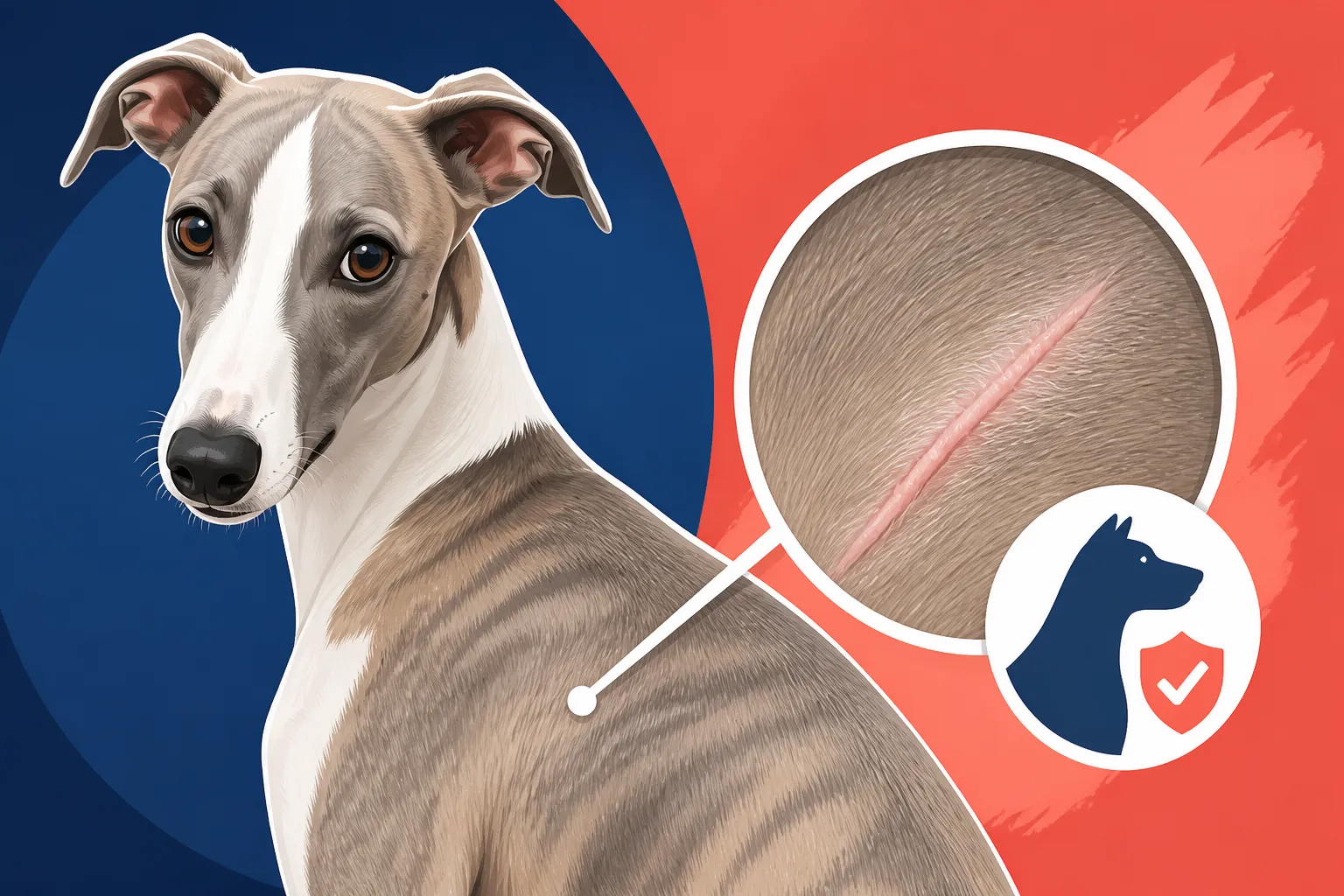
How Badly a Whippet Scars
It’s a heart-stopping moment for any Whippet owner: you see that tell-tale flap of skin, the quick glimpse of pink, and immediately your mind races to the vet, the stitches, and the inevitable question of "how badly will this scar?" Whippets, with their incredibly fine, delicate skin, are notoriously prone to cuts and tears, and while these often heal remarkably well, the concern about lasting marks on their sleek, short coats is entirely valid. This guide will walk you through everything you need to know about how Whippet skin heals and what to expect when it comes to scarring, offering insights into prevention, treatment, and aftercare.
The Delicate Nature of Whippet Skin and Healing
Whippets are built for speed and agility, and their physical form reflects this purpose beautifully. However, this athletic build comes with a trade-off: extremely thin skin and virtually no body fat to cushion against bumps and scrapes. This delicate nature is a key factor in why even minor incidents can lead to significant skin trauma and why scars are often a visible reminder of their adventures.
Why Whippet Skin is Prone to Tears
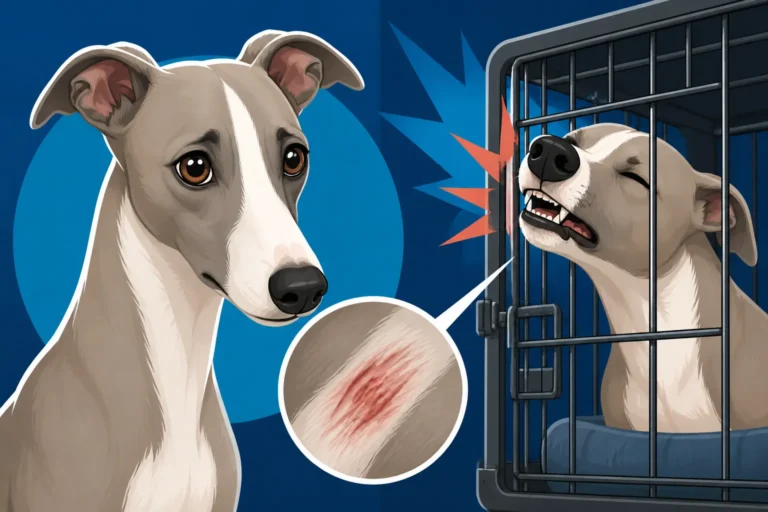
One of the most common frustrations for Whippet owners is just how easily their dogs sustain skin injuries. Their skin is incredibly thin, lacking the thick subcutaneous fat layer that many other breeds possess. It’s almost like tissue paper stretched taut over muscle and bone. This means that a casual brush against a rose bush, a tumble in the yard, or even a playful nip from another dog can result in a significant laceration. Common culprits include sharp edges on furniture, rogue branches on a trail, or enthusiastic zoomies where they misjudge a corner. It often feels like you're constantly on alert, trying to protect them from their own exuberance and the everyday hazards of life.
Beyond the sheer thinness, the skin is also relatively mobile over their musculature, especially on their legs, chest, and flanks. When a Whippet tears its skin most, it's frequently in these areas where the skin can be pulled taut and then ripped. A perfect example is a dog catching its leg on something sharp while running; the skin pulls and tears rather than stretching or bruising like a more robust breed's would. This is why many owners quickly learn that The Thin Skin That Sends a Whippet to the Vet for Stitches is not just a possibility, but almost an inevitability.
The Initial Healing Process for a Whippet
Despite the fragility of their skin, Whippets are generally excellent healers. Their high metabolism, which contributes to their athletic prowess, also means their bodies are typically efficient at repairing tissue. When a wound occurs, the body immediately kicks into action. The first stage involves inflammation, where blood vessels constrict to control bleeding, followed by dilation to allow essential cells and fluids to rush to the injury site. This prepares the wound bed.
Next comes the granulation phase, where new connective tissue and tiny blood vessels start to form, filling the wound from the inside out. You might see this as a healthy, pink, bumpy tissue. Finally, the contraction phase pulls the edges of the wound together, reducing its size, and epithelialization sees new skin cells migrating across the surface to close the wound entirely. While this process is generally swift in Whippets, proper initial care is paramount. An uncleaned wound or one that isn't properly protected can easily become infected, which significantly complicates healing and can lead to far worse scarring. Many owners observe that How Slowly a Whippet's Skin Heals isn't always slow, but rather that the quality of healing can be compromised by external factors.
Factors Influencing Scarring Severity in Whippets
The extent to which a Whippet scars is not a fixed outcome; it’s a complex interplay of the injury itself, the care it receives, and even the dog's individual biology. Understanding these factors can help manage expectations and even influence the final appearance of a healed wound.
Depth and Location of the Wound
The nature of the injury plays a huge role in how badly a Whippet scars. A shallow scrape or abrasion, where only the very top layers of skin are affected, often heals with minimal to no visible scarring. The body can replace these superficial cells quite effectively. However, a deep laceration that penetrates through multiple layers of skin, or even into muscle tissue, will almost certainly result in more noticeable scarring. These deeper wounds require more extensive tissue repair, leading to a greater deposition of collagen fibers, which form the scar tissue.
The location of the wound also matters significantly. Areas with more skin tension, like over joints (elbows, hocks) or across a muscle, tend to scar more prominently because the healing skin is constantly under stress. Wounds on the flatter, less mobile parts of the body, such as the back or upper chest, might heal with less visible scarring. Furthermore, areas like the ears, which have very thin skin and minimal fat, can show scars quite distinctly. This makes understanding Where a Whippet Tears Its Skin Most crucial for anticipating potential scarring.
Proper Wound Care and Infection Prevention
This is perhaps the single most impactful factor you, as an owner, can control. Prompt and appropriate wound care can make a monumental difference in how well a Whippet's wound heals and how much it scars. The moment you discover a tear, your first steps are critical. Gently cleaning the wound with a mild antiseptic solution (like diluted povidone-iodine or chlorhexidine) to remove dirt and debris is essential. If the wound is deep, gaping, or bleeding significantly, veterinary attention is needed immediately.
Your vet will assess whether a whippet's wound needs glue or stitches. Closing the wound edges precisely, either with sutures or surgical glue, minimizes the amount of tissue the body needs to fill in, leading to a finer, less conspicuous scar. Preventing infection is equally vital. Infected wounds experience prolonged inflammation, tissue damage, and delayed healing, all of which contribute to more severe scarring. Your vet might prescribe antibiotics, and you’ll need to keep the wound clean and dry, following all post-op instructions. This includes preventing your Whippet from licking or chewing at the stitches, often with the help of an Elizabethan collar. I can tell you from experience that ensuring Whether a Whippet Should Wear a Cone After Stitches is sometimes a battle, but it's one worth fighting for better healing! Veterinary care, including potential stitching, is an investment, and knowing What a Whippet Laceration Repair Costs can help you prepare for these unexpected expenses, potentially with support from pet insurance providers like Healthy Paws.
Genetic Predisposition and Individual Healing
Just like humans, individual dogs can have variations in how their skin heals and scars. Some Whippets might simply be genetically predisposed to forming more pronounced scar tissue, even from relatively minor wounds. This isn't common, but it does happen. Age can also play a subtle role; very young puppies or very senior Whippets might have slightly different healing responses, though their overall metabolic rate is usually robust enough to handle most injuries effectively.
You might notice that one Whippet in a litter, or even different Whippets you’ve owned, seems to heal differently. One might get a small nick that disappears without a trace, while another ends up with a noticeable line from a similar injury. While we can’t change genetics, understanding that this variability exists helps set realistic expectations for your particular dog.
Understanding Different Types of Whippet Scars
When a Whippet's skin heals after an injury, it rarely returns to its original, unblemished state. Instead, it forms scar tissue. However, not all scars are created equal, and knowing the different types can help you understand what you're seeing on your Whippet's beautiful coat.
Flat, White Scars
This is by far the most common type of scar you’ll see on a Whippet, or indeed, on most dogs. When a wound heals cleanly and effectively, the body replaces the damaged skin with new connective tissue. Initially, this scar tissue might be slightly pink or red, and it can be a bit raised or firm to the touch. However, over several weeks to months, this scar tissue matures. As it does, it typically flattens out and loses its pigmentation, becoming a pale, sometimes almost silvery-white line.
These flat, white scars are often barely noticeable, especially on lighter-colored Whippets. On darker coats, they can appear as a distinct white line. The hair follicles in the scarred area are usually damaged and unable to regrow hair, so the scar remains hairless. Given the Whippet's short, fine coat, these hairless patches are more visible than on a long-haired breed. The good news is that these scars are purely cosmetic and don't usually cause any discomfort or functional issues for the dog.
Raised or Hypertrophic Scars
While less common in Whippets than in some other breeds or humans, raised or hypertrophic scars can occasionally occur. These scars develop when the body produces an excessive amount of collagen during the healing process, causing the scar tissue to be thicker and elevated above the surrounding skin. They might feel firm or rubbery to the touch. Unlike keloid scars, which grow beyond the original wound boundaries, hypertrophic scars stay within the margins of the initial injury.
These scars are more likely to form in areas of high skin tension, from very deep or infected wounds, or if the wound edges were under significant tension during closure. While they can be more visually prominent, they generally don't cause pain unless they are on a joint and restrict movement, which is rare in Whippets due to the flexibility of their skin. Over time, many hypertrophic scars will soften and flatten somewhat, though they may never completely disappear.
Pigmentation Changes
Beyond the texture and elevation of a scar, you’ll also notice changes in pigmentation. Scar tissue is different from normal skin in that it often lacks the melanocytes (cells that produce pigment) found in healthy skin. This is why scars typically appear lighter than the surrounding skin, often a stark white, regardless of the Whippet's original coat color. A jet-black Whippet might have a bright white line where it once had a deep cut, for instance.
Conversely, some scars, especially those that have been exposed to the sun or have had repeated irritation, can sometimes develop hyperpigmentation, appearing darker than the surrounding skin. This is less common in Whippets, but possible. The overall effect of pigmentation changes is that the scar stands out, making it more visible. This is just one of the things to consider when you think about The Thin Skin That Sends a Whippet to the Vet for Stitches; the cosmetic outcome is often a lasting reminder of the incident.
| Scar Type | Appearance | Common Causes | Typical Healing Outcome |
|---|---|---|---|
| Flat, White Scar | Smooth, pale, hairless line, often slightly sunken. | Clean cuts, minor abrasions, well-sutured wounds. | Most common, usually subtle, cosmetic only. |
| Raised/Hypertrophic | Thick, elevated, firm, rubbery lump within wound area. | Deep lacerations, high tension, infection. | Can be more noticeable, may soften over time. |
| Pigmentation Change | Lighter (hypopigmented) or darker (hyperpigmented) areas. | Any wound type, sun exposure, individual healing. | Can make scars more prominent, purely cosmetic. |
Minimizing Scarring and Promoting Optimal Skin Health
While some scarring is an almost unavoidable consequence of deep skin injuries in Whippets, there are absolutely steps you can take to minimize their appearance and promote the healthiest possible skin overall.
Post-Healing Care and Scar Massage
Once your Whippet's wound has fully closed and any stitches have been removed, the healing journey isn't entirely over. The scar tissue is still maturing, and this is where gentle aftercare can make a difference. Scar massage involves gently rubbing the healed area for a few minutes each day. This can help to break down and remodel the collagen fibers, making the scar softer, flatter, and potentially less noticeable over time. Use a pet-safe moisturizer or even just a little coconut oil to reduce friction. Just be sure the wound is fully closed and not painful before you start this. This kind of diligent care can significantly improve the final look of a scar.
Sun Protection for Healing Skin
Whippets are known for their love of sunbathing, stretching out in a warm patch of light. However, healing scar tissue is particularly sensitive to UV radiation. Sun exposure can cause new scars to become darker or more discolored, making them stand out more. For Whippets with light or pink skin, direct sun can also lead to sunburn on these delicate areas. If your Whippet has a prominent healing scar, especially on a sparsely haired area, consider applying a pet-safe sunscreen when they're outdoors for extended periods, or encourage them to lounge in shaded spots.
Long-Term Skin Health and Nutrition
A healthy body heals better, and this certainly applies to skin. Ensuring your Whippet receives a high-quality, balanced diet rich in essential fatty acids (like Omega-3s and Omega-6s) can promote overall skin elasticity and health. Good nutrition provides the building blocks for strong skin and a healthy immune system, which is crucial for fighting off infection and supporting efficient wound repair.
Consider supplements like fish oil, which can contribute to a lustrous coat and supple skin, making it more resilient to minor damage and potentially aiding in the healing process. While no diet can prevent all injuries, a well-nourished Whippet generally has healthier skin that might scar less severely and heal more quickly. Furthermore, being proactive about your Whippet's general health, and having a good pet insurance plan from a provider like Healthy Paws, can ensure that any skin injuries receive immediate, expert veterinary attention, which is critical for minimizing scarring.
In the end, while we wish our Whippets could remain untouched, a scar often tells a story of an adventure, a tumble, or a moment of exuberance. With proper care and understanding, these marks can be minimized, allowing your Whippet’s natural beauty to shine through, imperfections and all.
Disclaimer
The information provided in this article is for general informational purposes only and is not a substitute for professional veterinary advice. Always consult with a qualified veterinarian regarding any health concerns or before making any decisions about your Whippet's medical care.