Whether a Whippet With a Murmur Can Still Run
It’s a heart-stopping moment, isn't it? You take your athletic, energetic Whippet to the vet, perhaps for a routine check-up, and suddenly you hear those words: "Your dog has a heart murmur." Immediately, your mind jumps to the worst-case scenario. You picture your free-spirited runner, the dog that lives for a good sprint in the park, suddenly confined to a quiet, sedentary life. It’s a frightening thought, and the immediate question that probably screams in your head is: Can my Whippet with a murmur still run? This guide is here to walk you through that challenging question, helping you understand what a murmur means for your specific Whippet and how to make informed decisions about their beloved zoomies.
Understanding Heart Murmurs in Whippets: Not All Are Created Equal
Hearing that your Whippet has a heart murmur can be incredibly alarming. We instantly think of serious heart disease, imagining all the things our active companions might no longer be able to do. But here’s the crucial thing to remember: not all heart murmurs are created equal, especially in a breed as unique as the Whippet.
What Exactly Is a Heart Murmur?
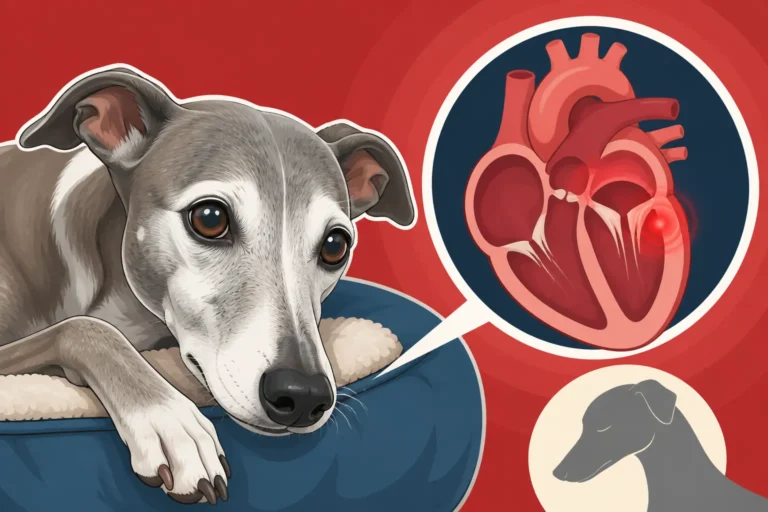
A heart murmur isn't a disease in itself; rather, it's an abnormal sound heard when listening to the heart with a stethoscope. Think of it like a whooshing or swishing sound, which is caused by turbulent blood flow through the heart valves or major blood vessels. Normally, blood flows smoothly, creating distinct "lub-dub" sounds. When something disrupts that smooth flow, you get a murmur. This turbulence can be caused by a variety of factors, from benign conditions to serious underlying heart disease. Understanding this distinction is the first step toward knowing how to proceed.
The "Innocent" Murmur vs. the Concerning One
This is where Whippets, and sighthounds in general, often stand apart. Many Whippets, particularly young, healthy, athletic ones, can have what's called a "physiologic" or "innocent" murmur. These murmurs are usually soft, low-grade, and often disappear as the dog matures or when they are relaxed. They're simply due to the incredibly efficient, high-volume blood flow through a sighthound's large, powerful heart. It’s part of what makes them such incredible athletes! It can be confusing because a veterinarian might initially hear this and flag it, causing understandable concern. This is why specialized knowledge about sighthound physiology is so important. Often, a healthy Whippet's big heart is not a diagnosis of disease, but rather a characteristic of the breed. However, a murmur can also signal a structural problem with the heart, such as a leaky valve, a narrowed vessel, or other congenital issues. These are the murmurs that require careful investigation and management. The challenge for both you and your vet is to determine which category your Whippet's murmur falls into.
Diagnosing the Underlying Cause: Why a Vet Visit is Non-Negotiable
When your vet first detects a murmur, the immediate follow-up is vital. This isn't a "wait and see" situation, though the severity might influence the urgency of next steps. You need a clear understanding of what's causing that abnormal sound.
Initial Assessment: Listening and General Health
After hearing a murmur, your veterinarian will first want to grade its intensity (on a scale of 1 to 6, with 6 being the loudest) and note where in the heart cycle it occurs. They’ll also consider your Whippet's age, overall health, and any other symptoms they might be showing. Are they coughing? Lethargic? Having trouble breathing after exercise? These are all critical clues. For a young, otherwise vibrant Whippet with a soft, low-grade murmur and no other symptoms, your vet might recommend simply monitoring, perhaps with a recheck in a few months. However, if the murmur is louder, or if your Whippet is showing any signs of illness, further investigation will be the next step. Regular wellness checks are key here, as they provide a baseline for your vet to detect any new or changing sounds.
Advanced Diagnostics: Getting the Full Picture
If there's any suspicion that the murmur isn't innocent, or if it's moderate to severe, your vet will likely recommend advanced diagnostics. The gold standard for evaluating heart murmurs is an echocardiogram. This is essentially an ultrasound of the heart that allows a veterinary cardiologist to visualize the heart's structure, measure its chambers, assess valve function, and observe blood flow in real-time. It can pinpoint specific issues like a leaky mitral valve, which can be a significant concern for Whippets, as mitral valve disease is what ends most old Whippets.
Beyond an echocardiogram, other useful diagnostic tools might include:
- Chest X-rays: These can show if the heart is enlarged or if there's fluid accumulation in the lungs, which can be a sign of congestive heart failure. Knowing whether a Whippet's heart looks enlarged on X-ray is often the first step, but it's important to remember that a truly athletic heart can naturally appear larger, so an echocardiogram is usually needed for definitive answers.
- Electrocardiogram (ECG): An ECG measures the electrical activity of the heart and can detect arrhythmias in a Whippet, which are abnormal heart rhythms that can sometimes accompany murmurs and impact exercise safety.
- Blood Tests: These can rule out other underlying conditions or check for certain markers that indicate heart stress.
Getting these diagnostics done will tell you whether a Whippet needs an echocardiogram to confirm the extent and nature of their heart condition. It’s an investment, but it’s the best way to get a clear diagnosis and a prognosis for your beloved dog's future activity.
Grading the Murmur: What the Numbers Mean
As mentioned, murmurs are graded on a scale of 1 to 6. This grading system gives your vet an initial idea of how loud and potentially significant the murmur is.
- Grade I: Very soft, difficult to hear. Often an innocent murmur.
- Grade II: Soft, but easily audible. Still might be innocent, especially in a sighthound.
- Grade III: Moderate intensity, easily heard. More likely to be associated with structural disease.
- Grade IV: Loud, often accompanied by a "thrill" (a vibration felt through the chest wall). Definitely indicative of heart disease.
- Grade V: Very loud, with a thrill, heard even with the stethoscope barely touching the chest.
- Grade VI: Extremely loud, with a thrill, heard even with the stethoscope lifted slightly off the chest.
The grade at which a Whippet's murmur matters is generally Grade III and above, or any murmur accompanied by other symptoms. However, even a lower grade murmur in a dog showing symptoms or with certain breed predispositions (like an older Whippet with potential mitral valve issues) warrants further investigation. This grading, combined with diagnostic imaging, paints a complete picture for your vet to advise on activity levels.
Running with a Murmur: When It's Safe and When It's Not
This is the big question, the one that keeps you up at night. The answer is, unfortunately, not a simple yes or no. It depends entirely on the underlying cause of the murmur, its severity, and your individual Whippet's condition.
The Green Light: Mild Murmurs and Healthy Hearts
If your Whippet has been diagnosed with a low-grade (Grade I or II) murmur, and an echocardiogram confirms no structural heart disease or any other issues, then the good news is that they can likely continue to enjoy their usual active lifestyle. This is often the case for those "innocent" murmurs common in athletic sighthounds. Their big, powerful hearts and efficient circulatory systems are designed for bursts of speed, and for why an athletic Whippet's heart is bigger, which can contribute to these benign sounds. In these cases, restricting their activity would be detrimental to their mental and physical well-being. They need to run, play, and explore! Your vet will likely recommend regular rechecks to monitor the murmur, ensuring it doesn't change or progress, but for now, they get to keep their zoomies.
The Yellow Light: Moderate Murmurs and Monitoring
For Whippets with a moderate murmur (Grade II-III) that might be associated with a mild structural issue, or if there's some uncertainty, the approach becomes more cautious. Your vet might recommend a "yellow light" scenario. This means your Whippet can still run and play, but with careful monitoring and potentially some modifications.
- Watch for Symptoms: Pay close attention to any changes in their breathing, coughing (especially after exercise), lethargy, or reluctance to play. These are signs that their heart might be struggling.
- Modify Intensity: Instead of full-out, long sprints multiple times a day, you might opt for shorter, controlled bursts or switch to more sustained, moderate activities like brisk walks or gentle jogs.
- Avoid Extreme Conditions: Running in very hot or humid weather, or immediately after a big meal, can put extra strain on the heart.
- Regular Rechecks: Strict adherence to your vet's schedule for recheck appointments and repeat echocardiograms is crucial to track any progression of the heart condition. Pet insurance, like Healthy Paws, can be incredibly helpful in covering these ongoing diagnostic and monitoring costs, easing the financial burden and ensuring your Whippet gets the best care.
Your vet will guide you on what constitutes "moderate" activity for your specific dog. It's about finding that sweet spot where they can still enjoy life without overstressing their heart.
The Red Light: Significant Disease and Restricted Activity
Unfortunately, for some Whippets, a murmur indicates significant underlying heart disease, such as advanced mitral valve disease in a Whippet, or other serious conditions that could lead to arrhythmias in a Whippet. In these cases, your vet will likely issue a "red light" on strenuous activity. This doesn't mean your Whippet's life is over, but it does mean a significant shift in their exercise routine is necessary to protect their heart and maintain their quality of life.
- Strict Activity Restriction: High-intensity running, jumping, or prolonged strenuous play will likely be off-limits. The risk of sudden collapse, exacerbation of heart failure, or even sudden death increases significantly with vigorous exercise when the heart is severely compromised.
- Gentle Walks Only: Short, controlled walks on a leash might be the only safe outdoor activity. The goal is gentle movement for mental stimulation and bathroom breaks, not cardiovascular conditioning.
- Medication Management: Your Whippet will likely be on heart medications to manage their condition, and these need to be given precisely as prescribed. You might wonder whether heart medication extends a Whippet's life; for many, it significantly improves both lifespan and quality of life by managing symptoms and slowing disease progression.
- Focus on Comfort: The focus shifts to keeping your Whippet comfortable, happy, and stress-free within their physical limits. This might involve more mental enrichment at home, gentle cuddles, and ensuring a calm environment.
This can be a difficult adjustment for both you and your Whippet, as their natural instincts are to run. But prioritizing their health and longevity means making these tough choices.
Adjusting Activity and Lifestyle for Your Whippet
Living with a Whippet who has a heart murmur requires a proactive and adaptable approach. It’s about listening to your dog, listening to your vet, and making thoughtful choices every day.
Safe Exercise: Modifying Routines
If your Whippet needs to limit strenuous running, it’s not the end of their fun or your bond. Instead, it’s an opportunity to discover new, safer ways to engage.
- Controlled Play: Instead of letting them run full-tilt with other dogs in a park, consider controlled games of fetch in a smaller, enclosed area, or gentle tug-of-war that you can stop easily.
- Scent Work and Puzzle Toys: Whippets are intelligent and love to use their noses. Scent work, where they track treats or specific scents, can be incredibly enriching without putting strain on their heart. Puzzle toys can also provide mental stimulation and keep them engaged indoors.
- Leashed Walks in Varied Environments: Explore new neighborhoods, quiet trails, or even dog-friendly stores. The mental stimulation of new sights and smells can be just as tiring and satisfying as a run.
- Consider Hydrotherapy: For some dogs with certain heart conditions (and vet approval), gentle swimming or underwater treadmill exercise can provide low-impact muscle conditioning without excessive cardiovascular strain. Always consult your vet first.
Remember, the goal is to keep your Whippet happy and fulfilled within their safe limits. It’s a testament to the strong bond you share that you’re willing to adapt for their well-being.
Continuous Monitoring and Follow-Up
Regardless of the severity of your Whippet's murmur, continuous monitoring and regular veterinary follow-ups are paramount. Heart conditions can progress, and what was a mild murmur today might become more significant tomorrow.
- Regular Vet Check-ups: Stick to the schedule your cardiologist or primary vet recommends for re-evaluations, which might include repeat echocardiograms and other tests. These appointments allow your vet to track the progression of the disease and adjust medication or activity recommendations as needed.
- At-Home Monitoring: Learn to monitor your Whippet’s resting respiratory rate (breaths per minute while sleeping). An elevated rate can be an early sign of congestive heart failure. Keep a diary of their energy levels, appetite, and any coughing.
- Emergency Preparedness: Know the signs of a cardiac emergency (severe breathing difficulty, sudden collapse, bluish gums) and have an emergency plan in place with your vet or a local emergency clinic. Having pet insurance, like Healthy Paws, can provide immense peace of mind, knowing that if an emergency arises or ongoing specialist care is needed, a significant portion of the costs will be covered. This allows you to focus on your Whippet's health, not just the potential bill.
- Open Communication: Don't hesitate to call your vet with any concerns, no matter how small they seem. You are your Whippet's best advocate.
Embracing a Full, Happy Life
Even with a heart murmur, your Whippet can still live a wonderfully full and happy life. The average lifespan for a Whippet is typically the twelve to fifteen years a Whippet lives, and with good management, many can still reach or approach that range, even with a heart condition. It's about adjusting expectations and focusing on quality over intensity.
- Focus on Connection: Whippets thrive on companionship. Spend extra time cuddling on the sofa (they'll appreciate the warmth and soft bed!), engaging in gentle play, or simply enjoying quiet moments together. These moments build a deep bond and contribute immensely to their well-being.
- Mental Enrichment: Don't underestimate the power of mental stimulation. Teaching new tricks, offering puzzle toys, or even just sitting and watching the world go by from a window can keep their minds active and prevent boredom, reducing their drive for intense physical exercise.
- Listen to Your Whippet: They will tell you when they are tired or uncomfortable. Respect their limits. Sometimes, an old Whippet still wants to run in their heart, but their body just can't keep up. It's our job to understand that and provide comfort and alternative joys.
- Celebrate the Small Victories: Every happy wag of the tail, every contented sigh, every moment of joy is a victory when managing a chronic condition. Focus on the good days and cherish the precious time you have with your unique and loving companion.
A heart murmur diagnosis can feel like a heavy burden, but with diligent care, appropriate diagnostics, and an adaptable approach, your Whippet can continue to be a cherished, happy member of your family, enjoying life to the fullest within their safe boundaries.
Disclaimer
This article is intended for informational purposes only and is not a substitute for professional veterinary advice. If your Whippet has a heart murmur, it is crucial to consult with your veterinarian or a board-certified veterinary cardiologist for an accurate diagnosis, personalized treatment plan, and specific recommendations regarding exercise and lifestyle. Always follow your vet's guidance for your dog's individual health needs.