Lens Luxation in a Whippet
Discovering a sudden change in your beloved Whippet's eye can be terrifying, making your heart pound as you wonder what's going on and if their precious sight is at risk. Lens luxation is a serious, often painful eye condition where the lens of the eye shifts out of its normal position, potentially leading to blindness and other severe complications. This comprehensive guide will walk you through understanding what lens luxation is, how to spot its subtle and overt signs, the urgent steps you need to take for diagnosis and treatment, and how to manage this challenging condition to protect your Whippet's vision and comfort.
Understanding Lens Luxation in Whippets
It's a shocking moment when you notice something isn't quite right with your Whippet's eye. While they're generally a healthy breed, specific genetic predispositions mean we, as Whippet parents, need to be extra vigilant about certain conditions. Lens luxation, sometimes called ectopia lentis, is one such concern. It's not just a minor irritation; it's a significant ophthalmic emergency that can rapidly lead to severe pain and permanent blindness if not addressed quickly and appropriately.
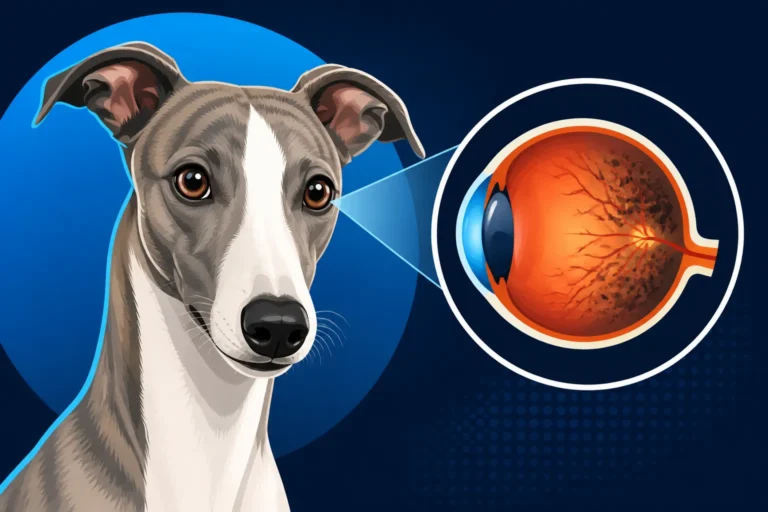
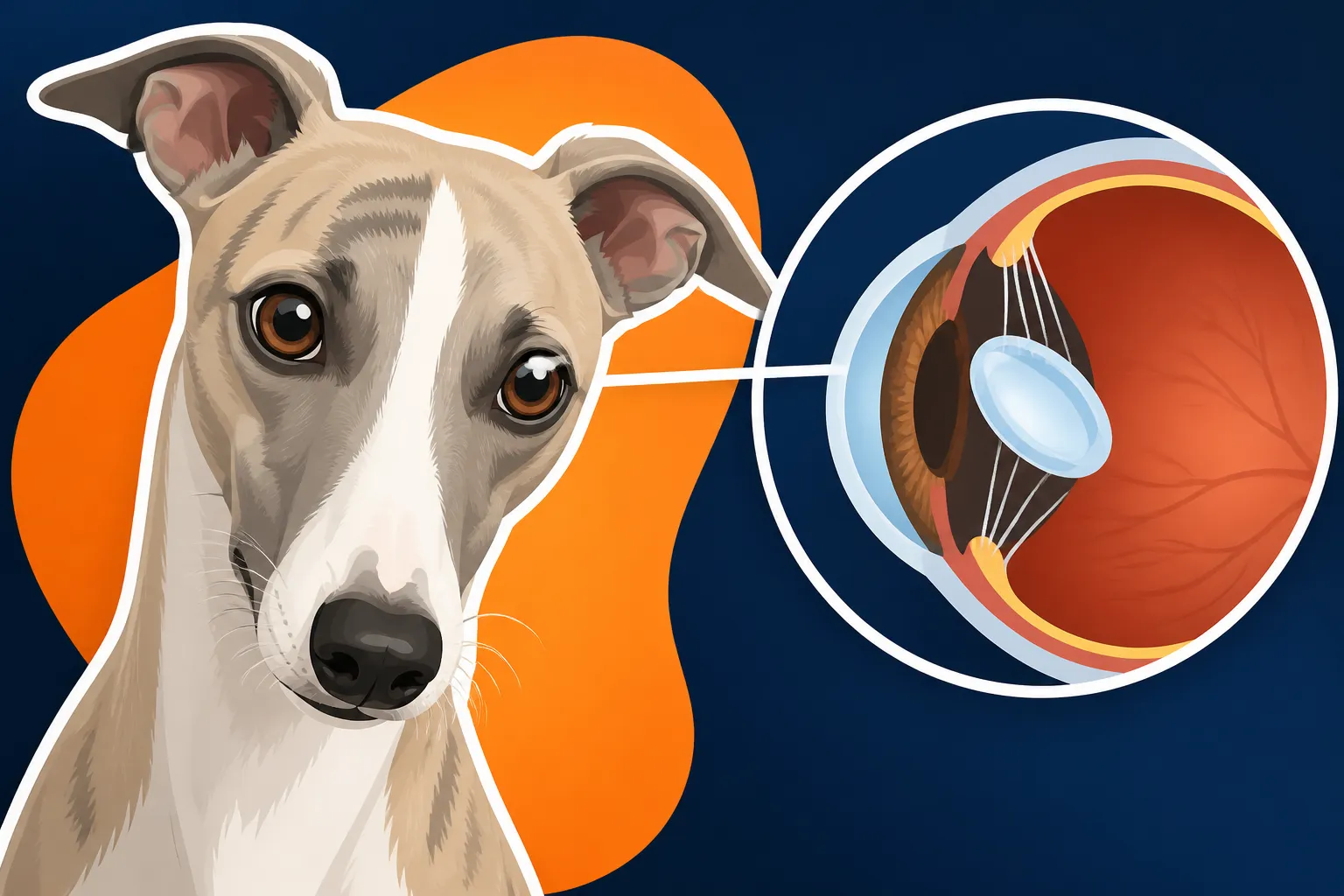
The lens of your Whippet's eye is normally suspended in place by tiny fibers called zonules, which connect it to the ciliary body. When these zonules weaken or break, the lens can shift. This shift can be partial, known as subluxation, or complete, which is full luxation. When the lens moves completely out of its original position, it can either fall forward into the anterior chamber of the eye (anterior luxation) or backward into the vitreous cavity (posterior luxation). Both scenarios are problematic, but anterior luxation is often more acutely painful and damaging due to the immediate blockage of fluid drainage.
Primary vs. Secondary Lens Luxation
The root cause of lens luxation can vary, and understanding the distinction is crucial for proper treatment and long-term management. For many Whippets, and sighthounds in general, lens luxation is primarily genetic. This is known as Primary Lens Luxation (PLL). It's a hereditary condition where the zonular fibers degenerate prematurely, causing the lens to destabilize. There's a specific DNA test available for PLL in several breeds, and while Whippets aren't as commonly associated with it as, say, Jack Russell Terriers, genetic screening is still paramount for responsible breeders. If one eye is affected by primary lens luxation, there's a very high probability that the other eye will be affected at some point in the future, often within a matter of months. This knowledge allows vets and owners to proactively monitor and prepare.
On the other hand, Secondary Lens Luxation occurs due to another underlying eye disease or trauma. This could be severe glaucoma, chronic inflammation (uveitis), advanced cataracts, or even a direct injury to the eye. For example, if your Whippet has been diagnosed with cataracts in a Whippet, and those cataracts become significantly advanced, the sheer weight and structural changes within the lens itself could potentially lead to secondary luxation. While less common than the primary form in breeds predisposed to PLL, any sudden trauma or a rapidly progressing existing eye condition should make you consider secondary luxation as a possibility. It’s why regular eye exams, perhaps a yearly eye exam, are so important for our long-nosed companions.
Why Sighthounds Are More Prone
Whippets, like their larger Greyhound cousins, are genetically predisposed to certain conditions, and eye issues are certainly among them. Their genetic makeup can sometimes make them more susceptible to the zonular degeneration that leads to primary lens luxation. This isn't to say every Whippet will get it, but it does mean we need to be particularly aware. Beyond genetics, the very structure of a sighthound's eye, often large and prominent, might play a role, though the primary driver remains the integrity of those delicate zonular fibers.
When lens luxation strikes a Whippet, it can be a double blow. Not only are they dealing with pain and vision loss, but the breed’s natural sensitivity means they often react more intensely to discomfort. Rapid identification and intervention are key, which is why understanding the signs and not delaying a visit to a specialist is non-negotiable.
Recognizing the Signs: Catching Lens Luxation Early
The thought of our Whippet losing their sight is heartbreaking. Because lens luxation can progress quickly, being able to recognize the warning signs, even the subtle ones, is absolutely critical. Sometimes, the signs appear suddenly and dramatically; other times, they might creep up, leaving you wondering if you're overreacting. Trust your gut. If something seems off with your Whippet's eye, it usually is.
What to Look For: Subtle to Obvious Symptoms
The symptoms of lens luxation can range from barely noticeable to glaringly obvious, depending on the severity and type of luxation. If the lens is only partially luxated (subluxated), you might notice a slight tremor of the iris, a condition called iridodonesis, or a subtle change in the depth of the anterior chamber, which is the space between the cornea and the iris. You might also spot a crescent-shaped aphakic gap where the lens has shifted, revealing the edge of the pupil that would normally be covered.
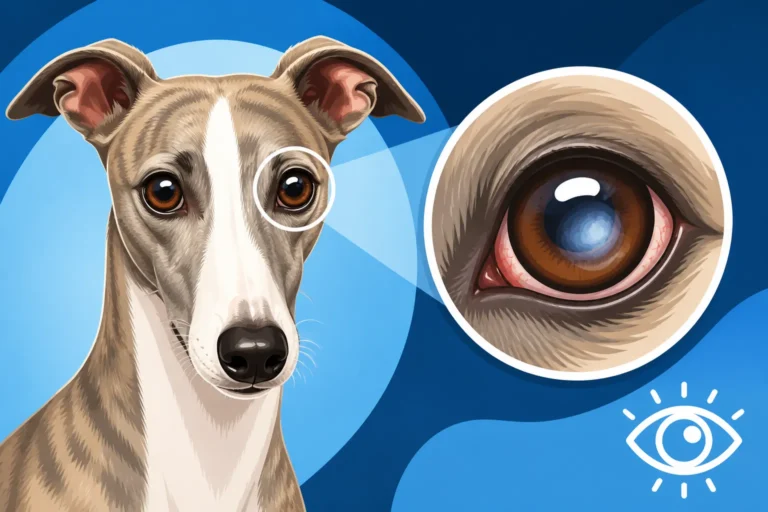
When the lens fully luxates, especially anteriorly, the signs become much more acute and distressing. Your Whippet might suddenly be squinting, pawing at their eye, or rubbing their face against furniture or the carpet. The eye itself will likely appear red and painful, and you might notice excessive tearing. The most distinctive visual sign of anterior luxation is the appearance of the lens itself. It might be visible floating in the front of the eye, looking like a transparent disc, or it could be wedged against the cornea. This blocks the normal drainage of fluid (aqueous humor) from the eye, leading to a sudden and dangerous spike in intraocular pressure (IOP), known as secondary glaucoma. This is incredibly painful and can cause rapid, irreversible blindness.
Here's a quick guide to what to watch for:
| Symptom Category | Anterior Lens Luxation (Urgent) | Posterior Lens Luxation (Less Urgent, but still serious) |
|---|---|---|
| Pain & Discomfort | Severe squinting, pawing at eye, rubbing face, irritability, light sensitivity. | Mild discomfort, possibly squinting if secondary issues (like inflammation) arise. |
| Redness & Swelling | Intense redness of the conjunctiva and sclera, swelling around the eye. | Mild to moderate redness, often associated with inflammation rather than direct luxation. |
| Vision Changes | Sudden, noticeable vision loss or bumping into objects. | Gradual or subtle vision changes, potentially stable for some time if no complications. |
| Pupil & Iris | Lens visible in the pupil, "bulging" cornea, cloudy appearance, sometimes pupil dilation. | Irregular pupil shape, possible tremor of the iris (iridodonesis), lens may be seen behind the iris. |
| Eye Pressure | Rapid and severe increase in intraocular pressure (glaucoma) – this is a medical emergency. | May or may not cause elevated pressure, less immediate risk of glaucoma than anterior luxation. |
| Other | Corneal edema (cloudiness), watery discharge, aversion to being touched near the head. | Chronic inflammation (uveitis), development of secondary cataracts. |
Why Immediate Veterinary Attention is Crucial
I cannot stress this enough: if you suspect lens luxation, you need to see a veterinary ophthalmologist immediately. This is not a "wait and see" situation. For anterior lens luxation, every hour counts. The rapid onset of secondary glaucoma can permanently damage the optic nerve, leading to irreversible blindness. Imagine the intense headache and pressure this would cause for us; it's no different for our sensitive Whippets. Delaying treatment by even a few hours can mean the difference between saving some vision and complete loss.
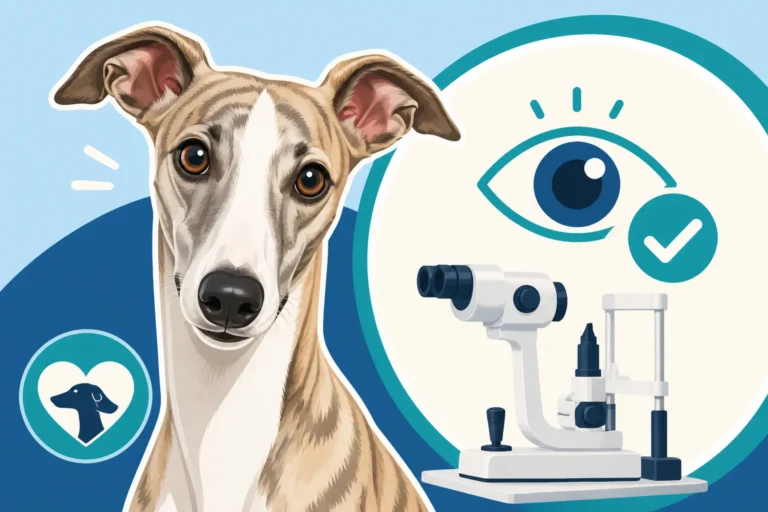
Even with posterior luxation, where the lens has fallen backward and may not be causing immediate glaucoma, it's still a serious condition. The presence of a free-floating lens can lead to chronic inflammation inside the eye (uveitis), which can eventually cause pain, scarring, and secondary glaucoma over time. A veterinary ophthalmologist has the specialized tools, like a slit lamp and tonometry (to measure eye pressure), to accurately diagnose the condition and differentiate between the various forms of luxation and other eye problems, like progressive retinal atrophy in a Whippet or even cataracts. They can then advise on the most appropriate, urgent course of action.
Diagnosis and Treatment Options for Lens Luxation
Once you've rushed your Whippet to the vet, the diagnostic process will begin, followed by a discussion of treatment options. This can be an incredibly stressful time, but knowing what to expect can help you navigate it.
The Ophthalmic Examination
When you arrive at the veterinary ophthalmologist, they will perform a thorough eye exam. This typically includes:
- Visual Inspection: Looking for obvious signs like a displaced lens, redness, swelling, or cloudiness of the cornea.
- Pupillary Light Reflex (PLR): Checking how your Whippet's pupils respond to light to assess vision and neurological function.
- Slit Lamp Biomicroscopy: This is a specialized microscope that allows the vet to examine the various structures of the eye in fine detail, including the lens, iris, and cornea, to determine the exact position of the lens and the condition of the zonules.
- Tonometry: Measuring the intraocular pressure (IOP) to check for glaucoma. This is a quick and painless test.
- Ophthalmoscopy: Using an ophthalmoscope to view the back of the eye, including the retina and optic nerve, to assess for any secondary damage.
- Ultrasound: In some cases, especially if the eye is too cloudy to see inside, an ocular ultrasound may be used to visualize the lens and other internal structures.
During this examination, your vet will also want to discuss your Whippet's medical history, any recent injuries, and whether there have been previous eye issues. If a genetic component is suspected, they might discuss genetic testing for PLL.
Surgical vs. Medical Management
The treatment for lens luxation largely depends on whether it's an anterior or posterior luxation, the overall health of the eye, and if secondary glaucoma is present.
1. Anterior Lens Luxation:
This is almost always an emergency requiring surgical intervention. The goal is to remove the luxated lens as quickly as possible to relieve pain and prevent further damage from glaucoma. The surgery, known as intracapsular lens extraction, involves making an incision in the eye and carefully removing the entire lens.
- Pre-Surgery Considerations: Before any surgery, your Whippet will need a thorough pre-anesthetic bloodwork panel to ensure they are a good candidate for anesthesia. Whippets, being sighthounds, require a specific sighthound anesthesia protocol because of their unique physiology, particularly their lean body mass and how they metabolize certain drugs. Discussing this with your vet and ensuring they are familiar with sighthound needs is paramount.
- The Surgery: This is a delicate procedure performed by a specialist. The lens is removed, and often, an artificial intraocular lens is not implanted in these cases, meaning the eye will be aphakic (without a lens). While this significantly improves comfort and saves the eye, the vision will be hyperopic (farsighted) and won't be as sharp as an eye with a natural lens.
- Post-Surgery Care: After surgery, your Whippet will require intensive post-operative care, including multiple eye drops (antibiotics, anti-inflammatories, and glaucoma medications if needed) for several weeks. An Elizabethan collar (cone) will be essential to prevent them from rubbing or pawing at the surgical site. Regular follow-up appointments with the ophthalmologist are critical to monitor healing and manage any complications.
2. Posterior Lens Luxation:
If the lens has luxated posteriorly and is not causing immediate glaucoma or significant inflammation, medical management might be considered as an initial approach. This involves using eye drops to control inflammation and manage eye pressure. However, many veterinary ophthalmologists still recommend surgical removal of the lens, even with posterior luxation, due to the high risk of future complications like chronic uveitis and secondary glaucoma, which can be difficult to manage long-term.
- Conservative Management: If surgery isn't immediately feasible or if the risks outweigh the benefits for a particular dog, medical management with anti-inflammatory drops (like topical steroids) and sometimes glaucoma medications can be used to keep the eye comfortable. However, this is often a temporary solution, and vigilant monitoring is crucial.
- Surgical Intervention: If inflammation becomes chronic or glaucoma develops, surgery to remove the posteriorly luxated lens (often a more complex procedure than anterior luxation removal) may still be recommended.
The decision for surgical or medical management is complex and needs to be made in close consultation with your veterinary ophthalmologist, weighing the risks, benefits, and long-term prognosis for your individual Whippet. The cost of such specialist procedures can be substantial, often ranging from several thousand dollars per eye. This is where having pet insurance, such as a plan from Healthy Paws, can make a huge difference, covering a significant portion of these unexpected expenses and allowing you to prioritize your Whippet's health without added financial burden.
Living With and Preventing Lens Luxation
A diagnosis of lens luxation can be a challenging journey for any Whippet owner, but it's not without hope. With appropriate care and proactive measures, many Whippets can live happy, comfortable lives even after experiencing this condition.
Managing a Diagnosed Whippet
For Whippets who have undergone surgery for lens luxation, careful post-operative care is paramount. This includes consistent administration of prescribed eye drops, ensuring they wear their Elizabethan collar, and limiting activity to allow for proper healing. Recovery can take several weeks, and regular check-ups with the veterinary ophthalmologist are essential to monitor for infection, inflammation, or glaucoma in the other eye if it hasn't been affected yet.
If your Whippet has had one eye surgically treated, or if medical management is chosen for a posterior luxation, lifelong monitoring of the remaining eye is crucial, especially if the condition is genetic (PLL). Many vets will recommend proactive medication for the unaffected eye, such as prophylactic miotics, which help constrict the pupil to reduce the chances of the lens moving forward. Discussing these options with your specialist is key. Remember, vision in an aphakic eye will be different. Your Whippet might be a bit clumsier initially, misjudging distances, but most dogs adapt remarkably well to their altered vision, especially in familiar environments. Their other senses, particularly their incredible sense of smell, often compensate. Creating a safe, predictable home environment, much like you would for a dog with progressive retinal atrophy in a Whippet, can make a significant difference.
Genetic Screening and Responsible Breeding
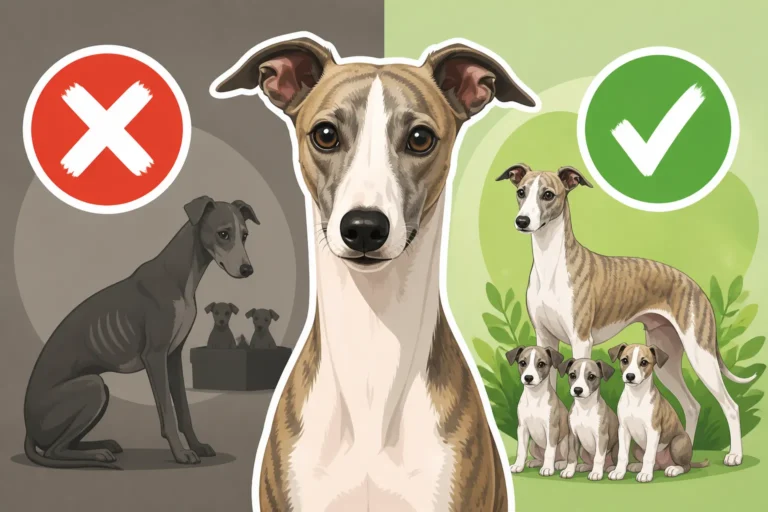
Given the hereditary nature of Primary Lens Luxation, genetic screening is a vital tool for preventing this painful condition. For breeds known to carry the PLL gene, a simple DNA test can determine if a dog is clear, a carrier, or affected. While Whippets are not as widely affected as some other terrier breeds, responsible breeders should be proactive in understanding the genetic health of their lines. The Health Tests Both Whippet Parents Should Have should certainly include any available eye screenings relevant to the breed.
If you are considering getting a Whippet puppy, inquire about the genetic health testing of the parents, especially for eye conditions. Breeders who actively screen their dogs demonstrate a commitment to the long-term health and well-being of the breed. Avoiding breeding affected or carrier dogs can significantly reduce the incidence of PLL over time. This kind of responsible breeding is a cornerstone of ensuring a healthy future for all Whippets, contributing to the breed's longevity and quality of life as they reach The Twelve to Fifteen Years a Whippet Lives.
Long-Term Care and Preventative Measures
Beyond genetics, general eye health is always important. Regular veterinary check-ups, even if just with your primary veterinarian, can help identify subtle changes early on. For sighthounds, who can be prone to eye injuries due to their active lifestyles and prominent eyes, being mindful of their environment is also helpful. While you can't prevent all accidents, being aware of sharp branches or rough play that could lead to eye trauma can mitigate risks.
Ensuring your Whippet is eating a balanced, high-quality diet and maintaining a healthy weight contributes to overall health, which in turn supports eye health. Some nutritional supplements, like omega-3 fatty acids, are sometimes recommended for general eye health and to help manage inflammation, but always consult your vet before adding supplements.
The financial aspect of long-term care, particularly for specialist conditions like lens luxation, can be daunting. From the initial emergency surgery to ongoing medication and follow-up appointments, the costs can add up quickly. This is where pet insurance providers like Healthy Paws can be invaluable. Their plans often cover accidents, illnesses, and even hereditary conditions, providing peace of mind that you can afford the best possible care for your Whippet without having to make difficult decisions based on cost. For example, knowing that significant portions of the specialist vet costs over a Whippet's life, including potential emergency surgery for conditions like this, can be covered by insurance allows owners to focus purely on their dog's recovery.
Disclaimer
This article is intended for informational purposes only and does not constitute veterinary advice. Always consult with a qualified veterinarian or veterinary ophthalmologist for any health concerns or before making any decisions about your Whippet's care.