Whether a Whippet Should Be Screened Before Breeding
It's incredibly disheartening when you bring a beloved Whippet puppy home, only to discover later that they're battling a preventable genetic illness. Many aspiring Whippet owners don't realize the critical importance of health screening for breeding dogs. This guide will walk you through why health screening is not just a good idea, but an absolute necessity for every Whippet parent being considered for breeding, ensuring healthier generations and reducing heartache for future families.
The Essential Role of Health Screening Before Breeding
Bringing new lives into the world is a profound responsibility, and for Whippet breeders, it comes with the ethical obligation to ensure those puppies have the best possible start. Without proper health screening, you're essentially breeding blind, risking passing on debilitating and often expensive genetic conditions. This isn't just about avoiding a vet bill; it's about avoiding a lifetime of pain and medical management for a cherished family member.
Why Screening Prevents Inherited Diseases
Whippets, like all purebred dogs, have certain predispositions to specific health issues that can be passed down through generations. These aren't always immediately obvious in a young, seemingly healthy dog. Many genetic conditions are recessive, meaning a dog can carry the gene without showing any symptoms themselves, yet still pass it on to their offspring. If two carriers are bred, a percentage of their puppies will unfortunately be affected by the disease. Screening helps identify these hidden carriers, allowing breeders to make informed decisions about pairings that reduce or eliminate the risk of producing affected puppies. Think of it as a proactive step to safeguard the health legacy of the breed. Without these checks, we'd see a much higher incidence of conditions that can severely impact a Whippet's quality of life.
Protecting the Future of the Breed
The ultimate goal of any responsible breeder should be to improve the breed, not just perpetuate it. This means carefully selecting breeding stock that is not only sound in temperament and conformation but also robust in health. By consistently screening breeding Whippets and making thoughtful choices based on those results, breeders contribute directly to a healthier overall gene pool for future generations. It's a long-term commitment that benefits everyone, from the individual pet owner to the breed as a whole. Without this dedication, certain genetic diseases could become rampant, undermining the very characteristics that make Whippets such wonderful companions. This also plays a role in The Health Tests Both Whippet Parents Should Have to contribute to the overall health and longevity of the breed.
The Ethical Responsibility of Breeders
Beyond the practical benefits, health screening is fundamentally an ethical responsibility. Prospective puppy buyers trust breeders to provide them with a healthy companion. When breeders skip screenings, they're not just cutting corners; they're potentially setting up new owners for immense emotional and financial strain. Imagine getting a diagnosis of a serious, preventable genetic disease just months or a few years after bringing your puppy home. It's devastating. Responsible breeders understand this deeply and see screening as a non-negotiable part of their commitment to their dogs and their customers. They are transparent about their screening practices and results, providing peace of mind and demonstrating their dedication to the breed's well-being. This kind of transparency also helps manage expectations for something like What a Whippet Health Guarantee Covers from a reputable breeder.
Key Health Screenings for Whippets
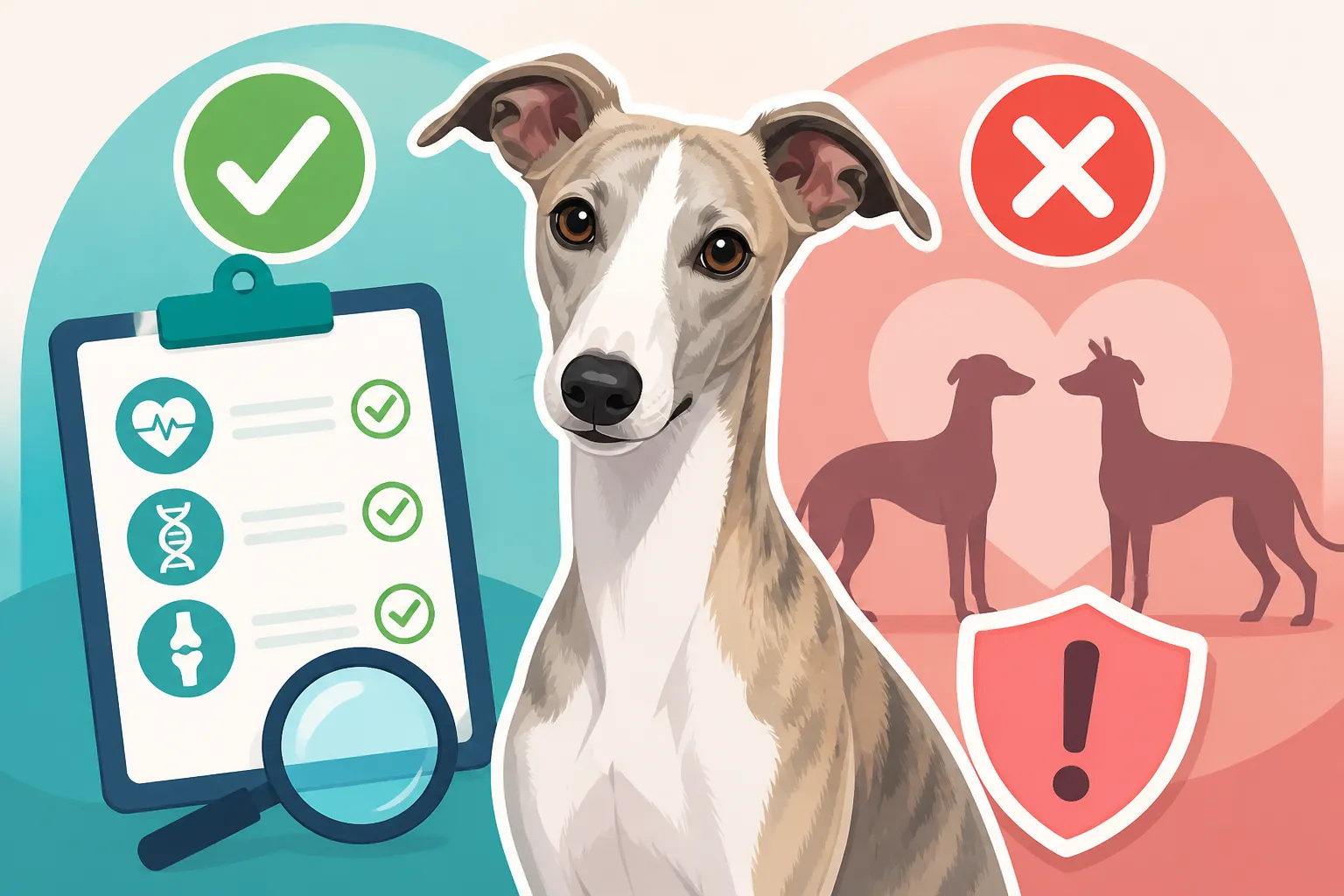
While Whippets are generally a robust breed, there are specific health concerns that warrant attention when considering breeding. A comprehensive approach to screening involves a combination of veterinary examinations, specialized tests, and sometimes DNA analysis. It’s not a one-and-done deal; some tests need to be repeated throughout a dog’s breeding career.
Cardiac Health Assessments
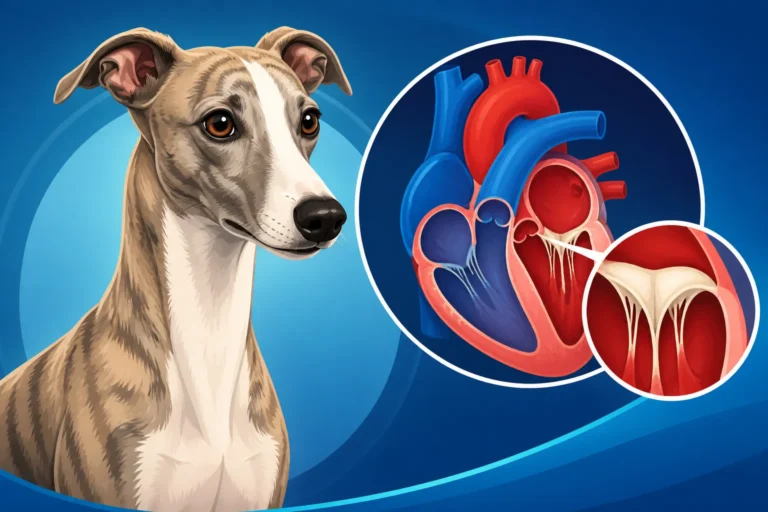
One of the most important screenings for Whippets is a thorough cardiac examination. Whippets have naturally large hearts, which can sometimes be misinterpreted as a problem on an X-ray if your vet isn't familiar with the breed. However, a significant concern in the breed is Mitral Valve Disease (MVD), especially as Whippets age. While typically appearing in older dogs, responsible breeders want to ensure their breeding stock is free from any early signs or genetic predispositions. A board-certified veterinary cardiologist should perform an echocardiogram (an ultrasound of the heart) to assess valve function and overall heart structure. This is a crucial step in preventing the hereditary forms of heart disease. You can learn more about Whether a Whippet Should Have a Cardiac Exam and the nuances involved. These exams usually need to be done annually for actively breeding dogs.
Eye Examinations
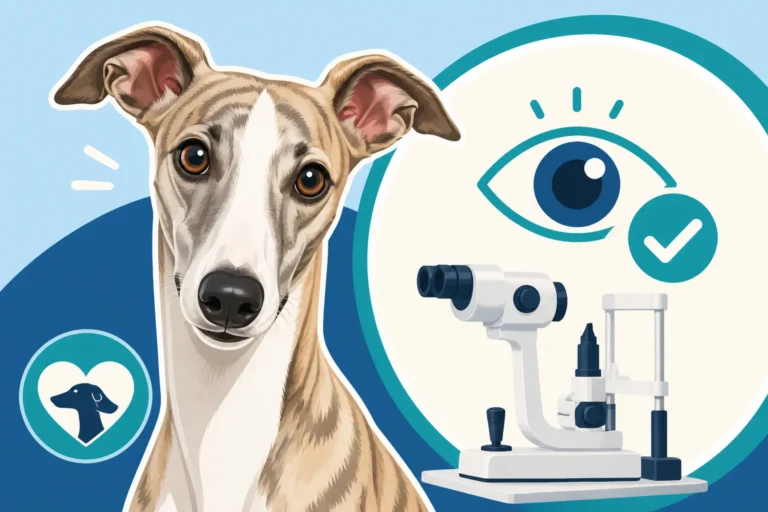
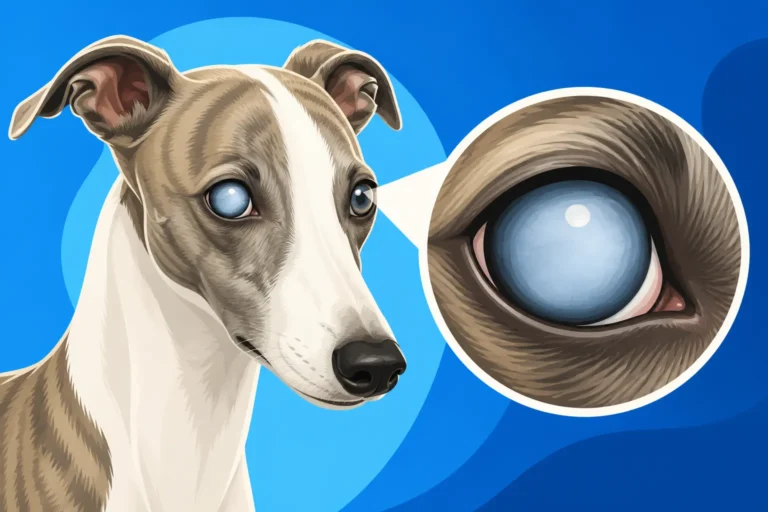
Eye health is another critical area for Whippets. Conditions like Progressive Retinal Atrophy (PRA) can lead to blindness and are often inherited. A certified veterinary ophthalmologist performs a comprehensive eye exam, known as a CERF (Canine Eye Registry Foundation) or OFA Eye Certification, to check for a range of ocular diseases. This examination helps identify any existing conditions or signs of inherited eye problems before they are passed on. The ophthalmologist will examine the eyelids, corneas, lenses, and retina, looking for abnormalities. These screenings are usually recommended annually for breeding Whippets because some conditions can develop over time. Understanding conditions like Progressive Retinal Atrophy in a Whippet is vital for responsible breeding.
DNA Panel Testing for Genetic Conditions
Modern veterinary medicine offers DNA tests that can pinpoint specific genetic mutations. For Whippets, one of the most talked-about genetic markers is the myostatin gene mutation, which is linked to increased muscle mass (often referred to as "Bully Whippet Syndrome" when two copies are present). While not necessarily a health detriment in all cases (and one copy can even enhance speed), breeders need to be aware of their dog's status. Beyond myostatin, a comprehensive DNA panel can screen for other recessive genetic conditions that might affect Whippets, although many are rare. For example, Phosphofructokinase (PFK) Deficiency, though uncommon, can cause muscle cramping and red blood cell issues. Knowing a dog's PFK status is valuable, especially given that How Common PFK Deficiency Is in Whippets makes it something to consider. Tests for things like the MDR1 gene, which affects drug sensitivities, are also available for many sighthounds. Reputable labs like Embark or Optimal Selection offer comprehensive panels. These DNA tests are usually a one-time investment and provide invaluable information.
Patellar Luxation and Hip Dysplasia Checks
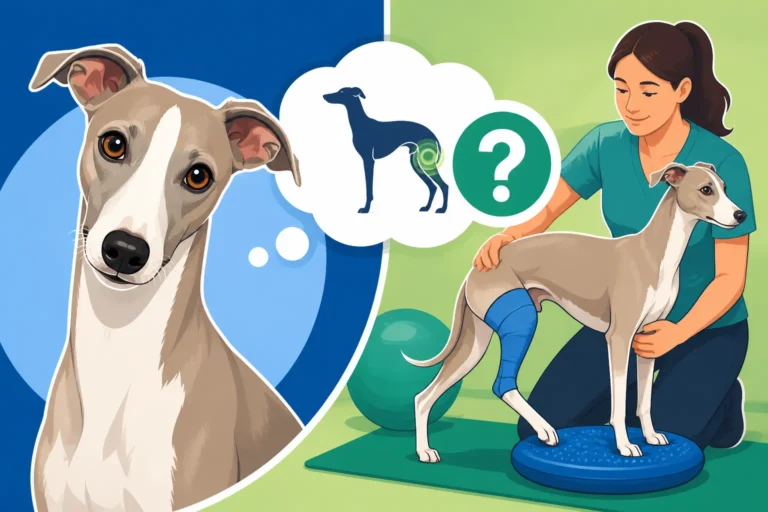
While Whippets are generally not prone to severe hip or elbow dysplasia like some larger breeds, patellar luxation (slipping kneecaps) can occur. It's good practice for any breeding dog to have their patellas checked by a veterinarian. This physical examination involves manipulating the kneecap to see if it slips out of its groove. Though not as critical for Whippets as cardiac or eye exams, especially compared to breeds with higher incidences of orthopedic issues, it’s still part of a thorough overall health assessment. The Orthopedic Foundation for Animals (OFA) provides guidelines and certifications for these evaluations, ensuring standardized reporting.
Understanding and Interpreting Screening Results
Getting your Whippet screened is the first step, but understanding what the results actually mean and how to use that information responsibly is just as crucial. It's not always a simple "pass or fail" scenario, especially with genetic testing.
What "Clear," "Carrier," and "Affected" Mean
When you receive DNA test results, you'll typically see one of three designations:
- Clear: This means your Whippet does not have the gene mutation for the tested condition and cannot pass it on to its offspring. This is generally the most desirable result for breeding.
- Carrier: This indicates your Whippet has one copy of the gene mutation but is unlikely to develop the disease themselves. They can pass this copy on to their puppies. Carriers can be safely bred to "clear" dogs without producing affected puppies, though some of the offspring might also be carriers.
- Affected: This means your Whippet has two copies of the gene mutation and is likely to develop or is already experiencing the symptoms of the disease. Breeding an affected dog is generally considered irresponsible, as all of its offspring would at least be carriers, and if bred to another carrier or affected dog, would produce more affected puppies.
Understanding these distinctions is paramount. For example, if you have a Whippet that is a carrier for Phosphofructokinase Deficiency in a Whippet, you would want to breed them only with a Whippet that is clear for that same condition. This way, you don't introduce more affected dogs into the population.
Making Informed Breeding Decisions
The screening results provide the data; it's up to the breeder to make informed, ethical decisions. This often means:
- Careful Pairings: If one parent is a carrier for a specific genetic condition, the other parent must be clear for that same condition. This ensures no affected puppies are produced.
- Prioritizing Health: Sometimes, a dog might have desirable traits like conformation or temperament but also carry a genetic fault. A responsible breeder must weigh these factors carefully, prioritizing health above all else. It might mean not breeding a particular dog, even if it's otherwise exceptional, if its genetic profile poses too great a risk.
- Consulting Experts: Don't hesitate to discuss results with your veterinarian, a veterinary geneticist, or experienced, reputable Whippet breeders. They can offer guidance on interpretation and breeding strategies. This commitment reduces the likelihood of future generations having health complications that could lead to significant veterinary expenses, perhaps necessitating claims through pet insurance providers like Healthy Paws.
The Importance of OFA and CERF Registries
The Orthopedic Foundation for Animals (OFA) and the Canine Eye Registry Foundation (CERF, now part of OFA) play vital roles in responsible breeding. When your Whippet undergoes a cardiac, eye, or orthopedic screening performed by a certified specialist, the results can be registered with OFA. This creates a public database of health information, allowing prospective puppy buyers and other breeders to verify the health status of potential breeding stock.
Being able to look up a dog's OFA or CERF number and see their health clearances provides immense transparency and confidence. It shows a commitment to open record-keeping and a dedication to improving breed health. Any breeder who is serious about their Whippets will have these certifications readily available and encourage you to verify them. This public record helps maintain breed standards and ensures genetic health remains a priority. For instance, knowing What an OFA Cardiac Exam Costs a Whippet Breeder or What an Eye Certification Costs a Whippet Breeder helps illustrate the financial commitment behind these important certifications.
The Long-Term Impact of Responsible Breeding
The ripple effect of responsible health screening before breeding extends far beyond a single litter of puppies. It has a profound and lasting impact on the entire Whippet breed, influencing everything from the overall health of companion animals to the financial burden on pet owners.
Improving Breed Health Over Generations
When every generation of Whippets is carefully screened for known genetic health issues, and breeding decisions are made based on those results, the prevalence of those conditions naturally declines over time. This systematic approach helps to eliminate or significantly reduce the genes for diseases like certain heart conditions, eye diseases, or metabolic disorders from the breed's gene pool. Imagine a future where these heartbreaking illnesses are exceedingly rare because breeders today made the tough, informed choices. This is the enduring legacy of responsible breeding. It’s an investment not just in a single dog, but in the enduring vitality of the Whippet. This long-term view directly contributes to a longer, healthier life for future generations, allowing most Whippets to reach The Twelve to Fifteen Years a Whippet Lives.
Supporting Pet Owners and Reducing Future Vet Bills
For the everyday pet owner, choosing a puppy from health-screened parents means a much higher chance of bringing home a truly healthy dog. This translates directly to less emotional stress and significantly fewer unexpected vet bills down the line. Dealing with a chronic, inherited condition can be incredibly expensive and emotionally draining. From specialized medications to surgeries and ongoing care, the costs can quickly mount, even with comprehensive pet insurance like Healthy Paws.
A responsible breeder understands this and sees health screening as a way to protect their puppy buyers. They want their puppies to live full, happy lives without the burden of preventable genetic diseases. Knowing that your Whippet’s parents were screened provides a critical layer of reassurance, which can be invaluable when considering the long-term commitment of pet ownership. This commitment can help avoid the costly Emergency Stitches: the Whippet Bill Nobody Budgets For or other unexpected health issues later in life.
The Cost of Responsible Breeding vs. The Cost of Neglect
Let's be realistic: health screening isn't free. Each cardiac exam, eye certification, and DNA panel adds to the cost of breeding. A breeder who invests in these screenings will, understandably, have higher upfront costs, which are often reflected in the price of their puppies. However, this initial investment is a tiny fraction of what a pet owner might face if they unknowingly purchase a puppy prone to severe genetic conditions.
Consider the potential for thousands of dollars in veterinary care for a dog with a serious, preventable condition. Compare that to the few hundred dollars a breeder might spend on screenings per dog. The choice seems clear. Neglecting health screening to save money initially is a false economy that ultimately burdens the pet owner, leading to heartache and financial strain that could have been avoided. Responsible breeders embrace these costs as part of their dedication, knowing they are providing a foundation for a healthy life. The peace of mind and the health of the puppies are priceless, far outweighing the cost of What a Whippet DNA Panel Costs.
| Screening Type | What It Tests For | Recommended Age/Frequency | Certifying Body (e.g.) |
|---|---|---|---|
| Cardiac Exam | Mitral Valve Disease, other heart abnormalities | Annually for breeding dogs | OFA Cardiology |
| Eye Exam | Progressive Retinal Atrophy, cataracts, other eye diseases | Annually for breeding dogs | OFA Eye Certification |
| DNA Panel | Myostatin, PFK Deficiency, MDR1, other genetic markers | Once, for breeding stock | Embark, Optimal Selection |
| Patellar Luxation | Slipping kneecaps | Once, for breeding stock | OFA Orthopedics |
Disclaimer
Please remember that this article provides general information and should not replace professional veterinary advice. Always consult with a qualified veterinarian or specialist for any health concerns or before making decisions about your Whippet's care or breeding.