Why Most Whippets Dislike Swimming
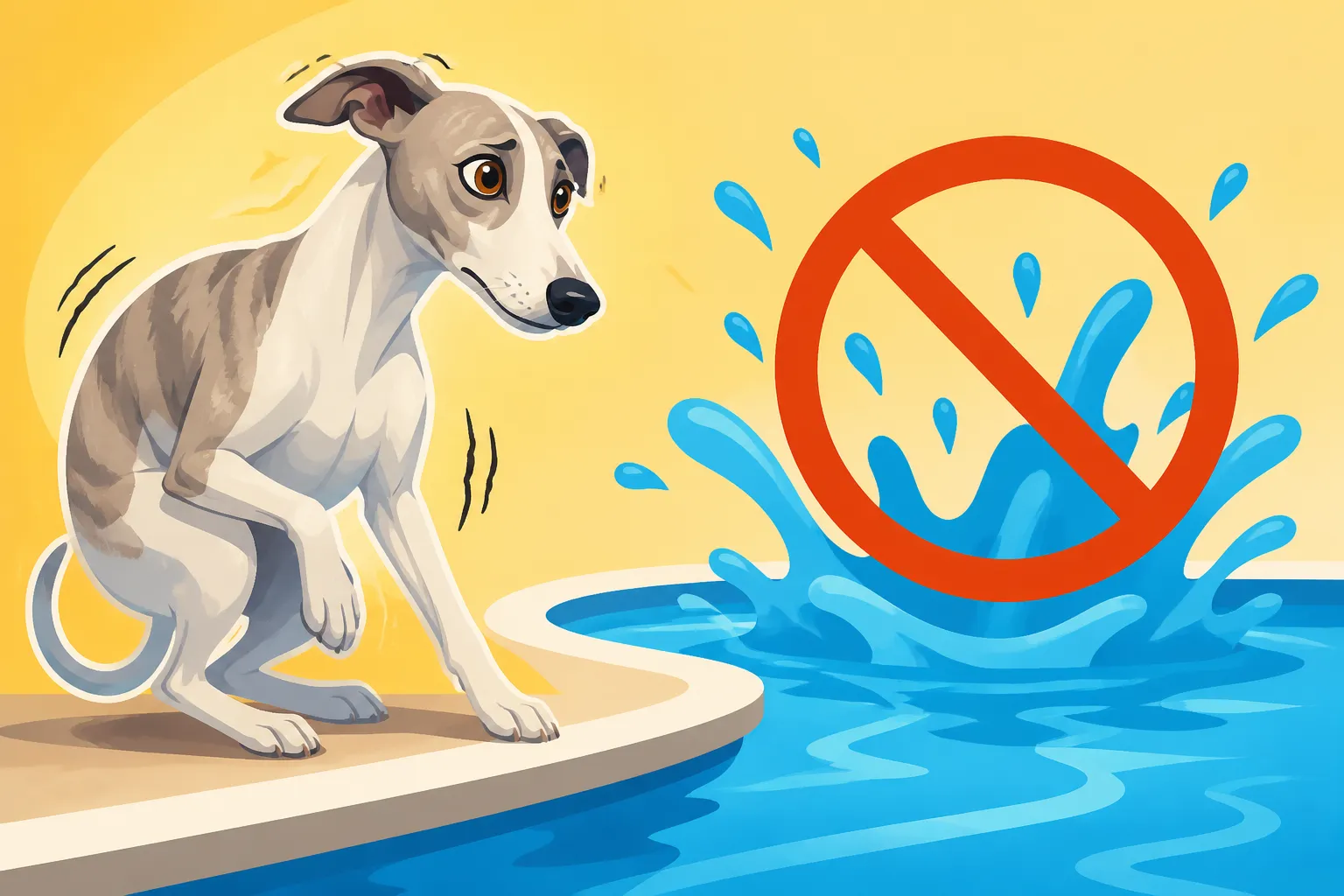
It can be truly puzzling, can't it? You see other dogs, big and small, gleefully splashing in lakes, fetching balls from the ocean, or even taking a dip in backyard pools. Then there's your Whippet, looking at the water with an expression that clearly says, "Absolutely not." Many Whippet owners experience this same head-scratching phenomenon, wondering why their athletic, adventurous companion seems to have such an aversion to anything deeper than a dewdrop. This guide will dive deep into the unique characteristics of Whippets, from their physical build to their innate instincts, to explain why most of them just aren't cut out for swimming and what that means for their care.
Understanding the Whippet Physique and Why It's Not Built for Buoyancy
Whippets are magnificent creatures, renowned for their incredible speed, elegant lines, and often, their profound love of napping. But the very traits that make them exceptional land athletes and devoted couch companions also conspire against them when it comes to swimming. Their physique is a masterclass in efficiency for sprinting, not for buoyancy or insulation in water.
The Lack of Body Fat and Thin Skin
One of the most striking features of a Whippet is their lean, almost ethereal build. You can often see the ripple of muscles and the outline of their ribs, even when they're at a healthy weight. This isn't a sign of malnourishment; it's simply how they're built. Unlike breeds such as Labradors or Newfoundlands, who possess a thick layer of subcutaneous fat that acts as natural insulation and buoyancy, Whippets have very little. They're practically all muscle and bone.
Imagine trying to float when you're incredibly dense. Without that insulating layer of fat, a Whippet has to work much harder to stay afloat. Their bodies are designed to cut through the air, not glide through water. This lack of natural buoyancy makes swimming an exhausting and often frightening endeavor for them. They expend far more energy just to keep their head above water, quickly leading to fatigue and a desire to get out of the wet stuff as fast as possible. Furthermore, their skin is remarkably thin and delicate, almost tissue-paper like in some areas. This means it offers virtually no protection against the elements or potential scrapes and punctures in unfamiliar water environments. It's a contributing factor to The Thin Skin That Sends a Whippet to the Vet for Stitches, and water can exacerbate any existing skin sensitivities.
Short Coat and Rapid Heat Loss
Beyond their minimal body fat, a Whippet's coat is also designed for speed and comfort in temperate conditions, not for aquatic adventures. They have a sleek, incredibly short coat that lies flat against their skin. While wonderfully low-maintenance when it comes to shedding and grooming – seriously, Why a Whippet's Coat Takes Five Minutes a Week is not an exaggeration – it's absolutely terrible for insulating against cold water.
Picture yourself jumping into a cold pool wearing only a thin t-shirt. You'd get cold fast, right? That's precisely what happens to a Whippet. Their short coat doesn't trap air or shed water effectively, meaning once they're wet, they're cold. Very cold. This rapid heat loss, or hypothermia, is a genuine concern, especially in cooler climates or if the water isn't bathwater warm. Their shivering isn't just a sign of discomfort; it's their body actively trying to generate heat, burning precious energy in the process. This intense cold sensation can create a strong negative association with water, reinforcing their natural reluctance to swim.
Delicate Build and Injury Risk
Whippets are athletic, yes, but their athleticism is geared towards explosive sprints and nimble turns on solid ground. Their long, slender legs and fine bone structure are not built for the impact and unfamiliar resistance of swimming. While they can move with incredible grace and power in a field, the uncoordinated movements often required in water can put undue stress on their joints and limbs.
A panicked or struggling Whippet could easily strain a muscle or even suffer a more serious injury trying to scramble out of the water. Their deep chests, while perfect for housing powerful lungs, can make their front end heavier in the water, tilting them downwards and making it harder to keep their head up. This awkwardness only adds to their discomfort and potential fear. Unlike a sturdy retriever that can barrel into water with gusto, a Whippet requires a much more gentle and controlled introduction, if at all. It's important to remember that for all their speed, Whippets are not robust dogs in the traditional sense; their delicate build means specific care, as we know from topics like Raising a Whippet Puppy Without Wrecking Its Joints.
Instinct vs. Environment: Natural Tendencies and Learned Aversions
Beyond their physical makeup, a Whippet's inherent instincts and past experiences play a massive role in their relationship with water. They are, at their heart, sighthounds – dogs bred for vision and speed to pursue prey over land, not through aquatic environments.
Prey Drive on Land, Not Water
Whippets descend from ancient sighthounds, and their primary instinct is to spot, chase, and capture prey on open ground. This is their absolute joy in life. Whether it's a squirrel darting across the park or a lure whizzing by on a Fast CAT course, that intense prey drive kicks in, and they are off like a shot. This drive, however, is not typically transferred to water. There's no innate genetic programming that tells a Whippet to pursue a duck or a fish into a pond. Their sharp eyesight and incredible speed are optimized for a terrestrial chase.
For many dogs, a splash in the water is part of the fun of retrieving a toy or just cooling off. For a Whippet, the sight of water rarely triggers that same excitement or a hunting impulse. Instead, it’s often met with cautious curiosity, or more commonly, outright avoidance. They instinctively understand that their greatest strengths – speed and agility – are severely hampered in water, making it a less appealing environment for their natural behaviors. You'll find them much happier chasing a lure in a field, understanding that How Lure Coursing Channels a Whippet's Drive is much more their speed.
Negative Experiences and Fear
Just like people, dogs can develop fears based on negative experiences. A single scary encounter with water can create a lasting aversion for a Whippet. This might be something as simple as falling unexpectedly into a pool, being forced into water by an eager owner, or even being startled by a wave at the beach. Given their natural physical disadvantages in water, such an event can be genuinely traumatic for them.
A Whippet's sensitive nature means they can be particularly prone to developing strong negative associations. They're not always the most resilient when it comes to unexpected discomfort or fright. A forced swim, even with the best intentions, can be counterproductive, turning a mild disinterest into outright terror. It's a common story: a puppy accidentally tumbles into the shallow end, struggles, and from that day forward, avoids water at all costs. This isn't stubbornness; it's a learned survival mechanism rooted in fear. It’s a good reminder of Why Harsh Handling Ruins a Whippet and how crucial positive reinforcement is.
Preference for Comfort and Warmth
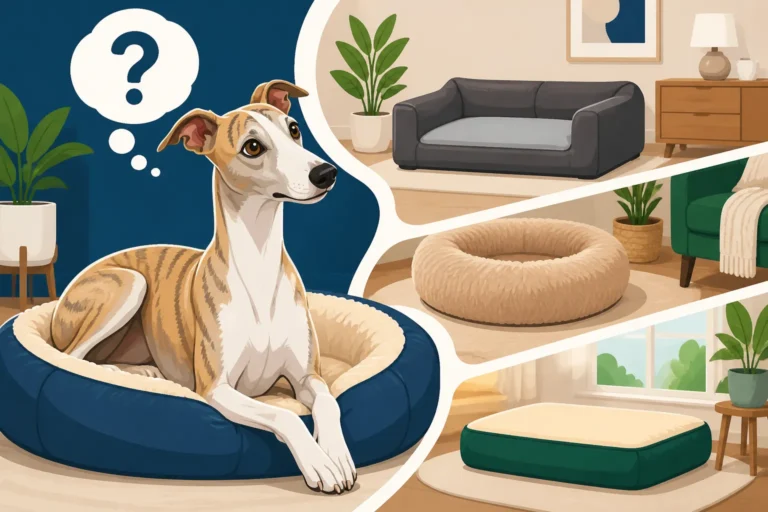
If there's one thing a Whippet excels at, it's being a "forty-mile-an-hour couch potato." They cherish comfort, warmth, and soft bedding above almost all else. They are connoisseurs of coziness, preferring to be curled up under a blanket on the sofa or nestled deep in a plush dog bed. Water, particularly cold water, represents the antithesis of this comfort.
Wet, cold, and a struggle to stay afloat? That's not exactly their idea of a good time. Their preference for a soft, warm environment is so strong that many even refuse to toilet outdoors in the rain, preferring to hold it until the weather improves, a challenge often faced when The Whippet That Will Not Toilet in the Rain. This deep-seated desire for comfort and warmth simply doesn't align with the sensations of swimming. They are far more likely to seek out a sunny patch on the carpet or burrow under a duvet than to voluntarily take a dip in the local pond. Even in hot weather, you'll often find them seeking shade or a cool tile floor rather than rushing to the nearest water source.
Overcoming Water Aversion (or Learning to Live With It)
So, your Whippet isn't a fan of the water. What do you do? The good news is that while most Whippets aren't going to be Olympic swimmers, you can often help them become comfortable enough for safety, or simply respect their preference and enjoy other activities.
Gentle Introduction and Positive Reinforcement
If you do want to introduce your Whippet to water, the key words are gentle and positive. Forget pushing them in or dragging them to the water's edge. That will only backfire. Start small, very small. A shallow kiddie pool in the backyard on a warm day, with just an inch or two of lukewarm water, can be a great starting point. Toss in a favorite floating toy or a few treats. Let them explore at their own pace.
Never force them. If they just dip a paw and then retreat, that's a victory! Praise them lavishly and offer a high-value treat. Repeat these short, positive sessions over many days or weeks. You might even join them in the pool, sitting in the shallow water yourself to show them it's safe. The goal isn't necessarily to get them swimming laps, but to create a positive association so they don't panic if they accidentally fall into water. For positive reinforcement training in general, it's important to understand How a Whippet Learns When It Bruises From Pressure and why a gentle touch is always best. You might find great enrichment toys or even special treats for these sessions on Chewy or Amazon.
Essential Gear for Water Safety
Even if your Whippet becomes somewhat accustomed to water, their natural lack of buoyancy means they can tire quickly and struggle to stay afloat. For any water activities, especially around deeper water, a well-fitting dog life vest is absolutely essential. Look for one with good buoyancy, bright colors for visibility, and a strong handle on the back so you can easily lift them out if needed. Brands often available on Amazon or through specialty pet retailers like Chewy offer a range of sizes and designs.
The life vest helps them conserve energy, keeps them warmer, and provides invaluable peace of mind. Always ensure access to water is gradual and controlled. Ramps into pools are far better than steps, and a calm, still body of water is preferable to strong currents or waves. If your Whippet does manage to get wet, make sure you have warm towels ready to prevent hypothermia, especially after a dip in cooler temperatures.
| Characteristic | Whippet | Typical Water Dog (e.g., Labrador) |
|---|---|---|
| Body Fat | Very low, lean physique | Moderate to high, insulating fat layer |
| Coat Type | Short, thin, no undercoat | Dense, often double-coated, water-resistant |
| Buoyancy | Low, tends to sink quickly | High, floats easily |
| Cold Tolerance | Very low when wet, prone to hypothermia | High, coat and fat protect against cold |
| Bone Structure | Fine, delicate, built for speed on land | Sturdy, robust, built for impact |
| Natural Instinct | Chase on land by sight | Retrieve, play in water |
| Preferred Temp | Warm, cozy environments | Can tolerate varied temperatures |
Accepting Their Preferences
Ultimately, if your Whippet consistently shows disinterest or fear despite your gentle efforts, it's important to respect their boundaries. Not every dog needs to be a swimmer, and forcing them into situations they clearly dislike can damage your bond and their trust in you. There are countless other ways to bond and exercise together that cater to their natural abilities and preferences.
Enjoy long walks, brisk runs in safe, fenced areas, or participate in lure coursing or Fast CAT, where their incredible speed truly shines. Embrace their love for soft beds and snuggly blankets. Providing a warm, comfortable home and plenty of opportunities for land-based exercise and affection will make your Whippet a happy, well-adjusted companion, even if they never touch a paw to a swimming pool. After all, the joy of a Whippet comes from their unique personality and capabilities, not from conforming to a generic "dog" ideal. You might find some excellent, warm bedding options for your comfort-loving Whippet on Ollie, known for its focus on pet well-being and cozy accessories. Learning to understand What a Whippet Needs Every Day means recognizing their individual quirks and catering to them.
Disclaimer
This article is for general informational purposes only and does not constitute professional advice. Laws, prices and regulations vary by location and change over time. Consult a qualified professional for guidance on your specific situation.