What Whippet Owners Wish They Had Known
Whippet ownership surprises include intense energy, explosive ten-minute daily sprints, and a strong prey drive requiring secure fenced areas.

Whippet ownership surprises include intense energy, explosive ten-minute daily sprints, and a strong prey drive requiring secure fenced areas.
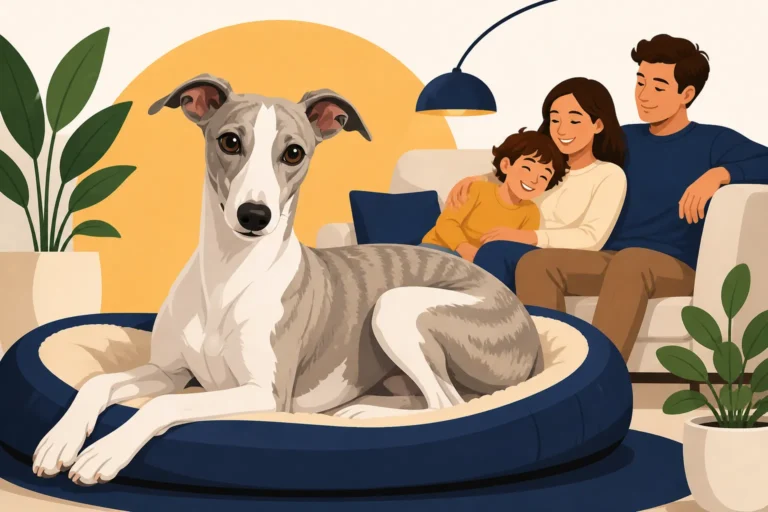
The ideal household for a Whippet requires safe outdoor exercise spaces, soft sleeping areas, and owners who understand their calm indoor temperament.

Whippet temperament, exercise needs, and training methods help first-time owners decide if this sighthound fits their lifestyle.
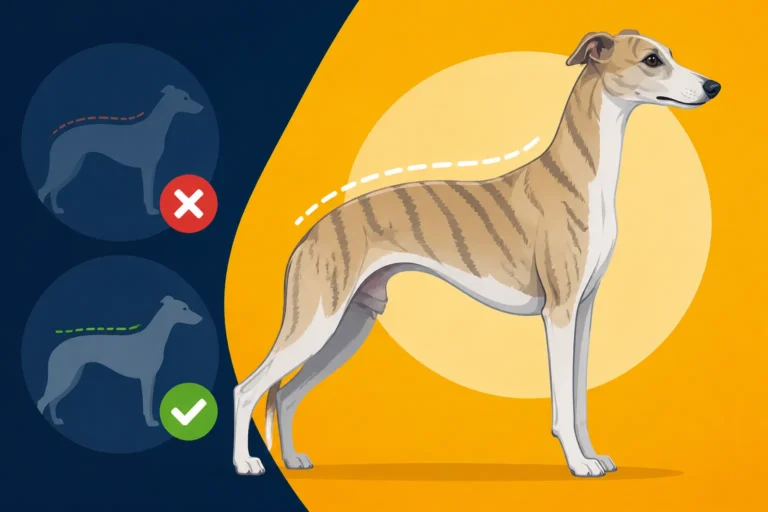
Whippet breed standards define the topline to explain its mechanical role in speed, agility, and injury prevention.
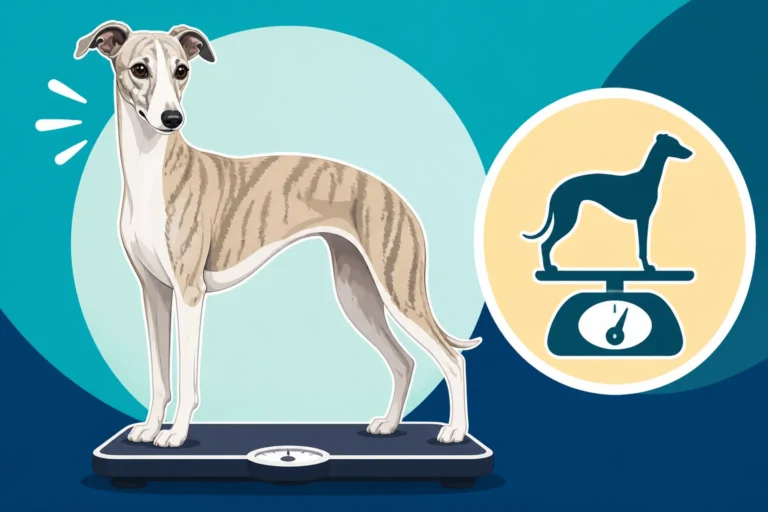
Whippet weight standards and healthy body conditions for adult males and females based on American Kennel Club guidelines.

Whippet coat colors, governed by genetics and fully accepted by the American Kennel Club, include fawn, brindle, and blue.

Whippet, Greyhound, and Italian Greyhound differences, unique traits, care needs, and temperaments explained clearly for owners.

Nineteenth-century coal miners in northern England bred smaller sighthounds to create affordable racing dogs matching Greyhound speed.

Nineteenth-century Northern England miners bred small Greyhounds and terriers to create racing Whippets for survival.

Whippets in the Northern Coalfields explain how mining communities bred compact dogs for speed, survival, and sport.