Whether a Whippet’s Dental Needs Sighthound Anesthesia
Whippet dental procedures require specialized sighthound anesthesia protocols because lean body fat and unique drug metabolism create risks.
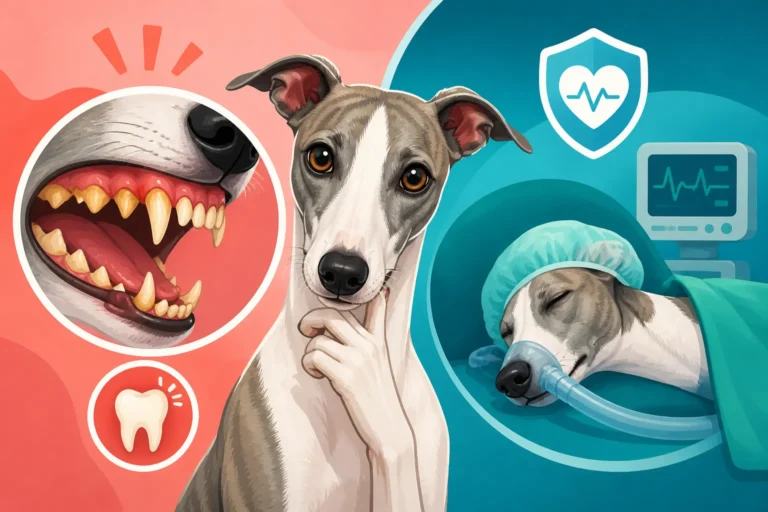
Whippet dental procedures require specialized sighthound anesthesia protocols because lean body fat and unique drug metabolism create risks.
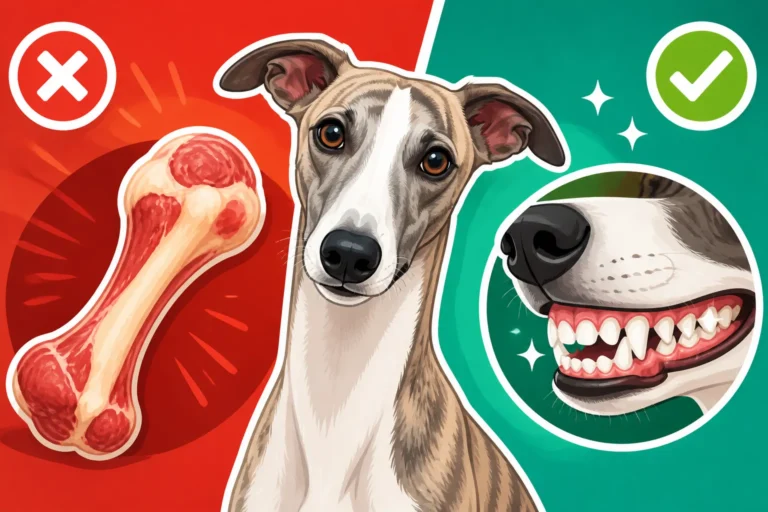
Raw bones remove soft plaque through mechanical action, but they also cause broken teeth and dangerous internal obstructions in Whippets.
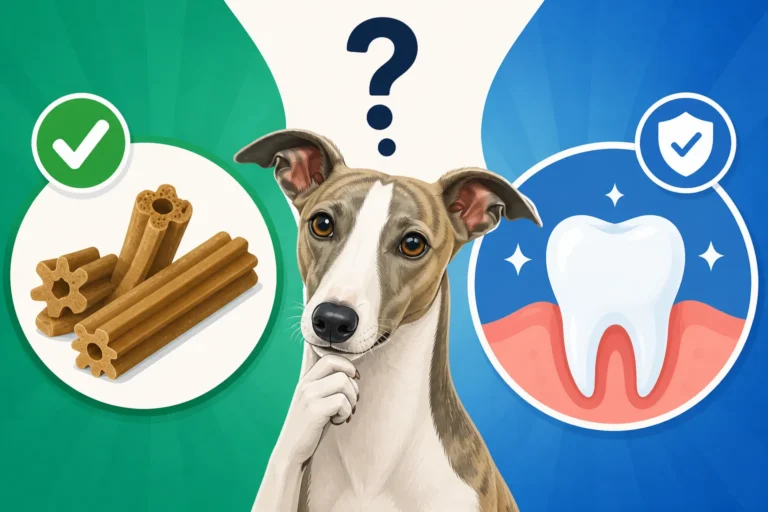
Whippet dental health and dental chews explained, detailing breed jaw structure, tartar buildup risks, and oral care routines.
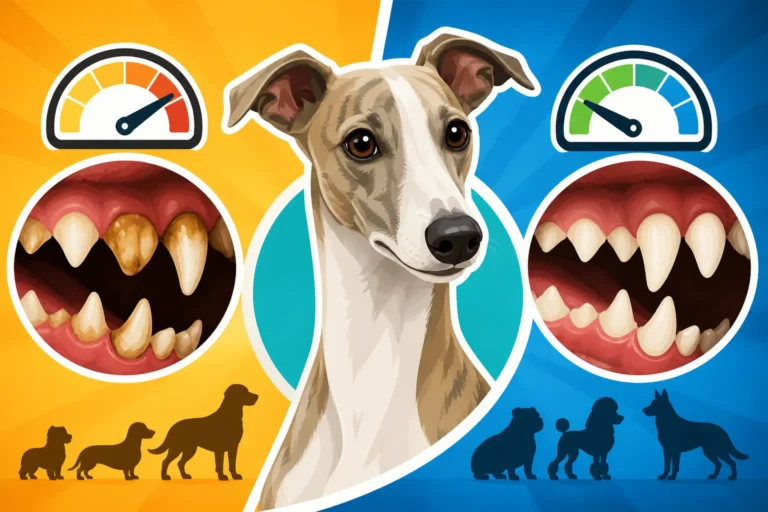
Whippet dental health and tartar accumulation factors, including narrow jaws and saliva composition affecting plaque buildup.
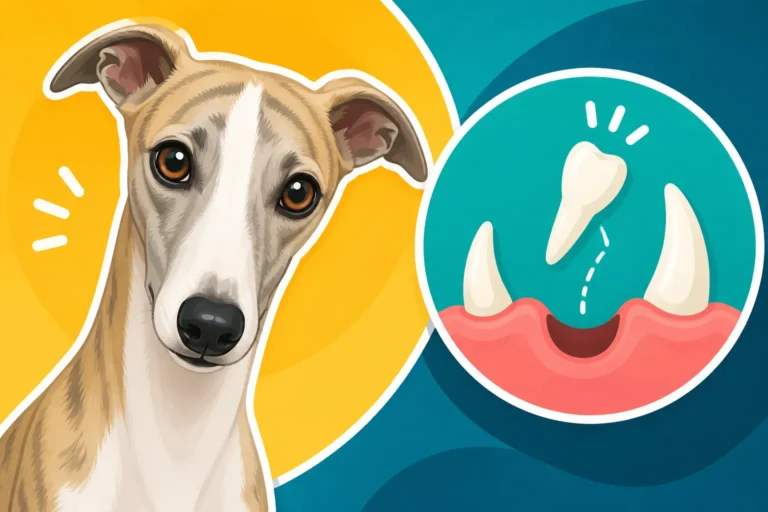
Whippet puppies start losing twenty eight baby teeth at twelve to sixteen weeks before adult teeth arrive at six to seven months.
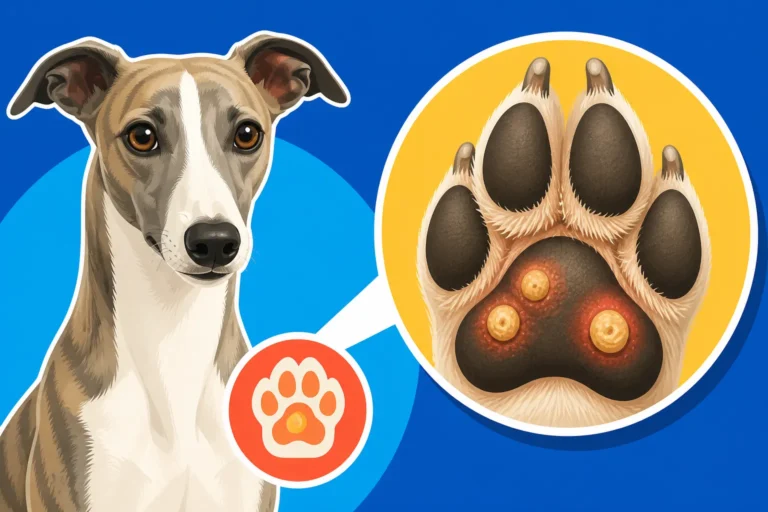
Corns on Whippet paw pads are hard skin lesions causing pain, limping, and difficulty walking during activity.
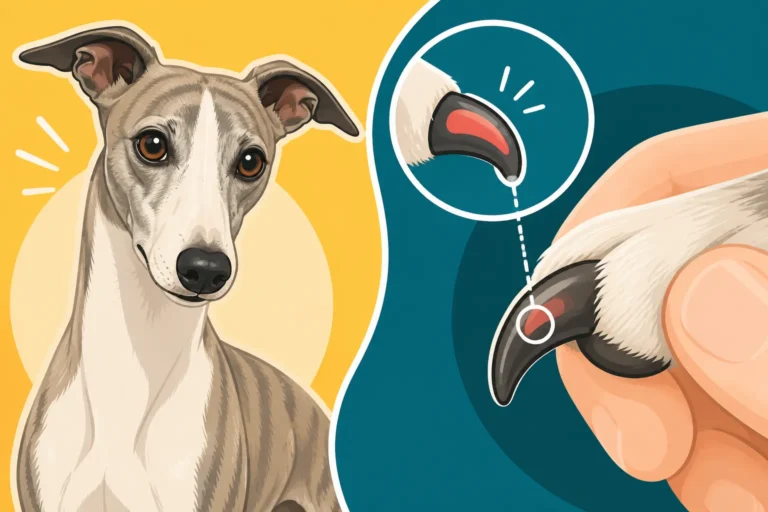
Whippet nail anatomy and the quick explain how owners safely trim slender dark paws without causing pain or bleeding.
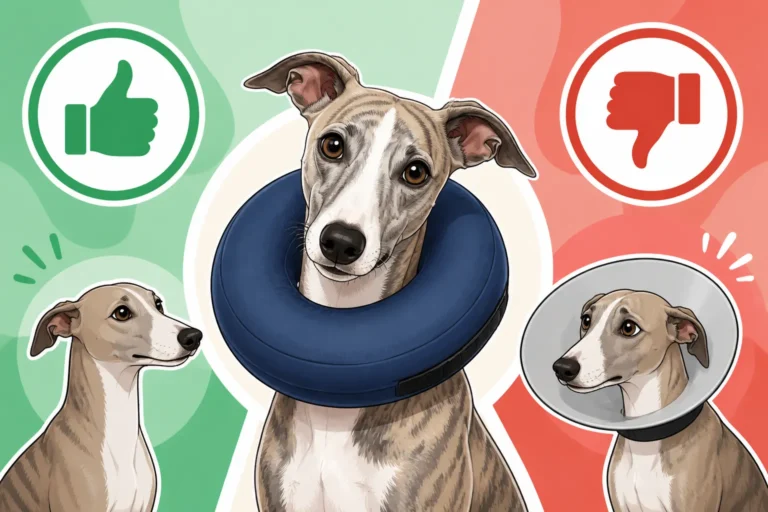
Whippet recovery collars and inflatable options protect wounds while accommodating the slender neck and agile body of the sighthound breed.
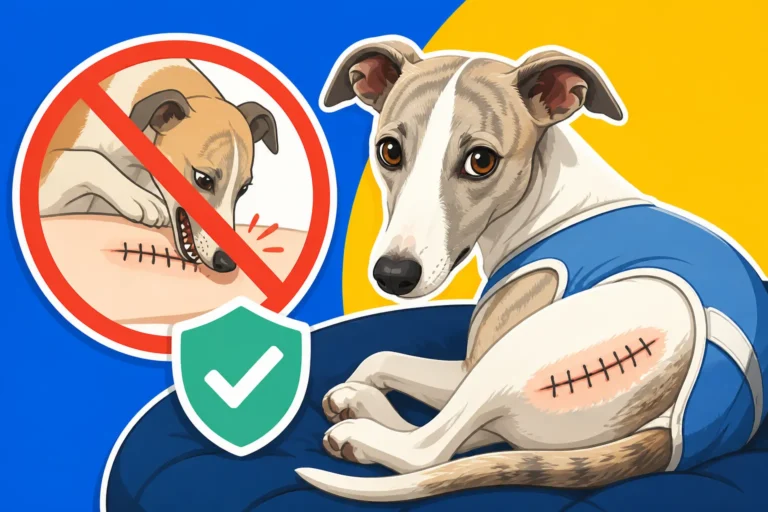
Stopping a Whippet chewing its stitches requires physical barriers, pain management, and mental enrichment to prevent wound interference.
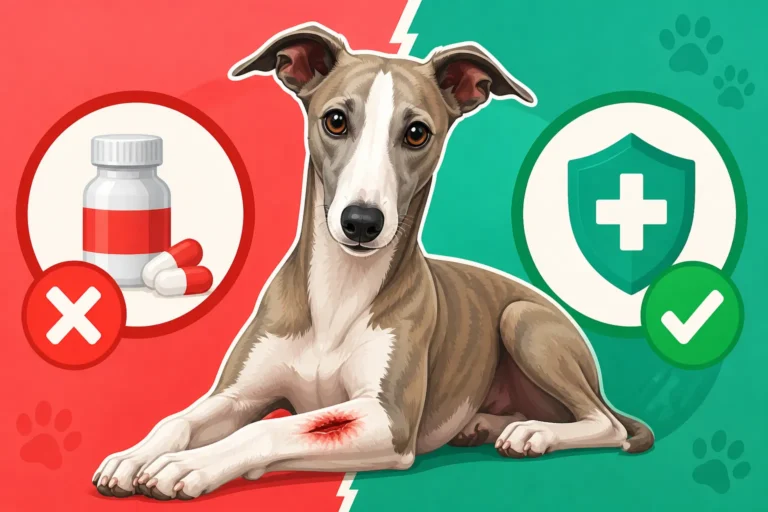
Whippet wound care explains when thin skin tears need veterinary antibiotics, proper stitches, or professional medical attention.