Whether a Whippet Slept in the House and Raced on Sunday
Victorian coal miners bred Whippets as loyal house pets and fast racing dogs for vital income and entertainment.

Victorian coal miners bred Whippets as loyal house pets and fast racing dogs for vital income and entertainment.

Whippet racing traditions in northern coalfields reveal how miners bonded with dogs and placed wagers on Sunday races.

Nineteenth-century British coal miners ran Whippet dog races across makeshift tracks for survival income and community entertainment.
The history of the Whippet explains working-class origins and rag racing in nineteenth century industrial England.

Whippet and Greyhound differences, shared ancestry, hunting instincts, and speed traits explain how these distinct sighthound breeds compare.

Whippet ancestry and the terrier blood myth are examined through 18th and 19th century coalfield history and breeding.
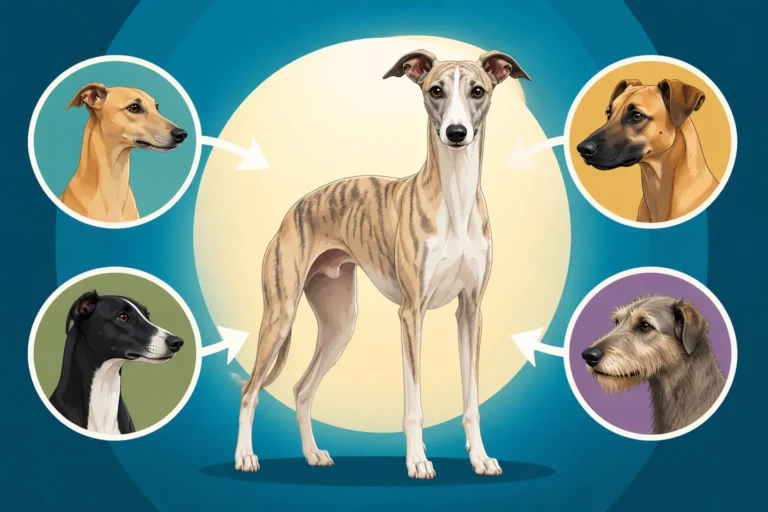
Whippet ancestry from northern English coalfields explains how miners bred smaller dogs for rabbit hunting and racing.
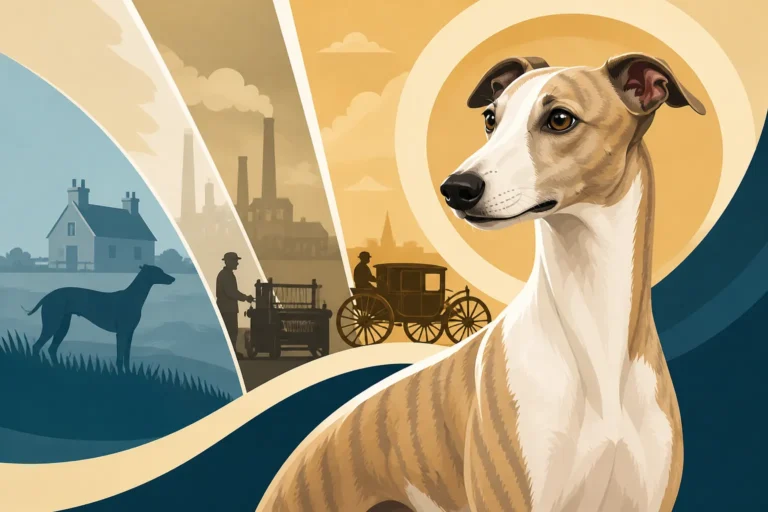
The Whippet emerged during the nineteenth century in industrial England as working-class miners bred smaller agile sighthounds.
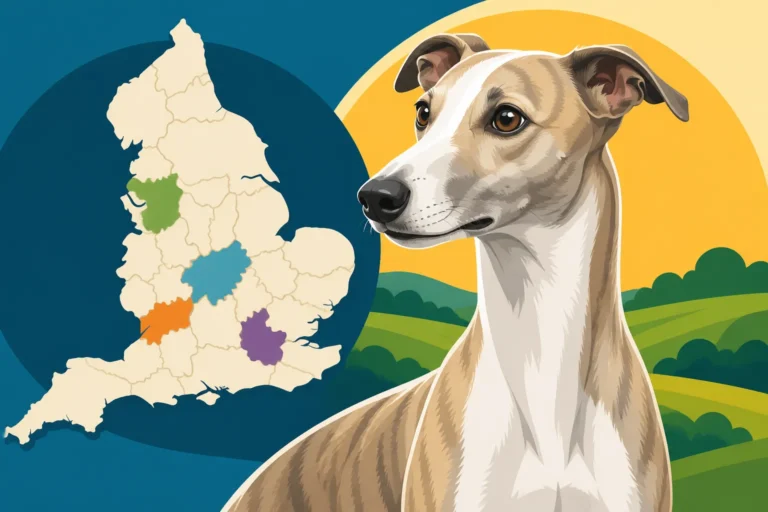
Working-class communities in industrial Northern England developed Whippets during the nineteenth century for hunting and racing.
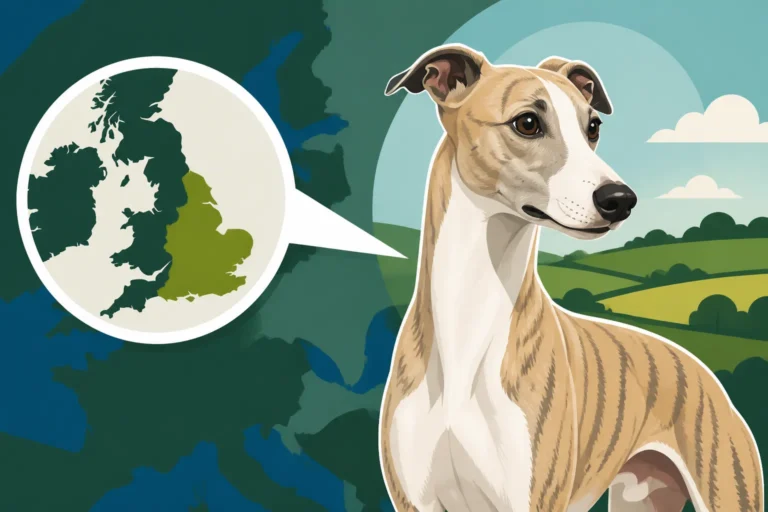
The industrial heartlands of England, including Yorkshire and Lancashire, served as the birthplace of the Whippet breed.