Why a Whippet Is a Picky Eater
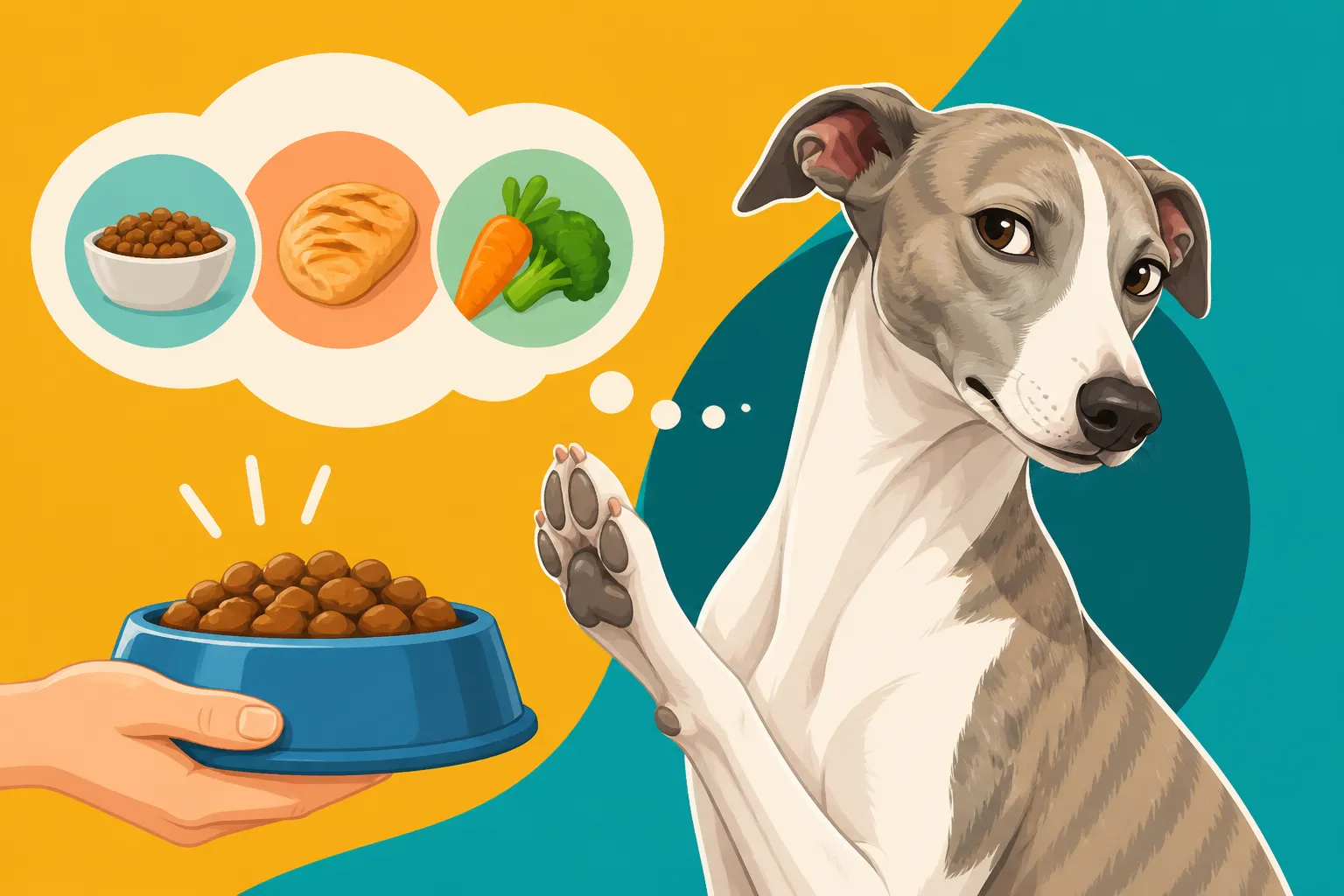
It's incredibly disheartening, isn't it, when your sleek, athletic Whippet turns its delicate nose up at a bowl of perfectly good food? You spend time picking out what you think is the best, you worry constantly about their lean frame, and then they act like you've offered them poison. This guide is for every Whippet owner who's ever wondered why their seemingly healthy dog can be such a finicky eater and what practical steps you can take to encourage them to enjoy their meals.
Understanding the Whippet's Unique Physiology and Metabolism
Whippets aren't built like many other dogs, and their physical makeup plays a big role in their eating habits, or lack thereof. They are sighthounds, bred for speed and agility, not for packing on pounds. This lean, muscular build means their bodies operate a little differently, which can sometimes manifest as a fussy appetite.
Why Their Lean Build Impacts Appetite
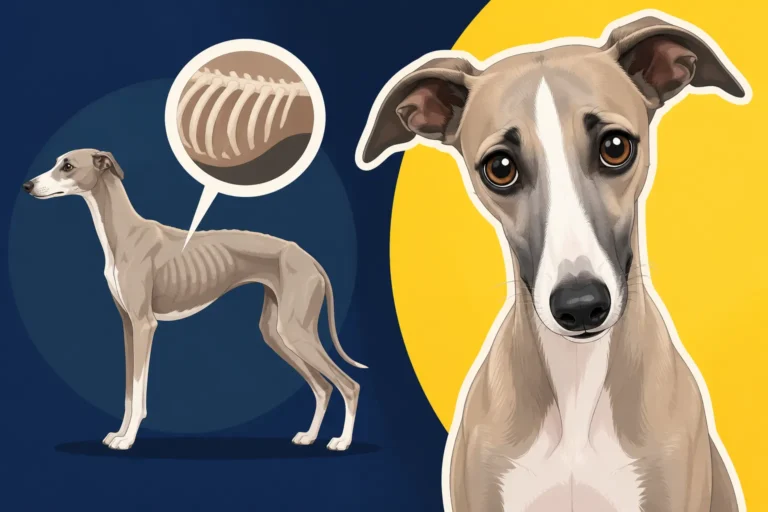
Let's be real, a Whippet's physique is a thing of beauty, but it also means they have minimal body fat. They just don't carry extra weight, and honestly, they shouldn't. This can lead to a perception from others that they're too thin, but often, that's just how they're meant to be. You'll often hear people ask if you're feeding your dog enough because they can see their ribs. While it's important to know How Thin a Whippet Should Look and how to assess their body condition by Feeling a Whippet's Ribs and Hip Bones, their natural leanness means they don't have vast energy reserves that would drive a constant, ravenous hunger. Their metabolism is highly efficient, burning fuel quickly during bursts of activity but then settling into a very low energy state during their many hours of napping. They're not built to graze or constantly seek food like some other breeds.
Think about it: a working breed like a Labrador might have evolved to eat whenever food was available, storing energy for later. A Whippet, designed for short, explosive sprints, doesn't need to carry excess weight, and their bodies might simply signal "enough" sooner than a dog with a different genetic blueprint. This doesn't mean they're unhealthy; it just means their internal cues for hunger and satiety are different. When they are truly hungry, they'll eat, but they rarely reach that desperate, bottomless pit stage that makes food irresistible.
The Sensitivity to Temperature and Comfort Around Food
Another factor in a Whippet's physiological makeup is their sensitivity to temperature. As we all know, A Whippet Has No Insulation and No Padding. This means they feel the cold much more intensely than other breeds. Imagine trying to enjoy a meal when you're shivering! If your feeding area is drafty or cold, your Whippet might be too uncomfortable to eat properly. They might stand over the bowl, shiver, and then wander off, making you think they're picky when they're simply too chilly.
It's not just the cold, either. Their thin skin and minimal fur make them sensitive to tactile discomfort. A hard, cold floor might be perfectly fine for some dogs to eat off of, but a Whippet might prefer a more comfortable, warmer spot. Even the material of the bowl can play a role. A cold metal bowl in winter might be enough to deter a particularly sensitive Whippet. Providing a warm, quiet, and comfortable eating environment can make a surprising difference to their willingness to eat.
Behavioral Quirks: Why Your Whippet Might Be Saying "No, Thanks"
Beyond their unique physiology, Whippets are known for their distinct personalities and behaviors that can contribute significantly to their pickiness. They are intelligent, often sensitive, and sometimes a little bit dramatic. These traits, while endearing in many ways, can make meal times a challenge.
The Impact of Stress, Anxiety, and Routine Changes
Whippets thrive on routine and a calm environment. They are creatures of habit, and any disruption to their daily life can throw them off, including their appetite. Moving house, a new pet, visitors, loud noises, or even a change in your work schedule can cause stress and make them reluctant to eat. A Whippet that normally cleans its bowl might suddenly become picky if its world feels a little out of sync. They are often highly attuned to their owner's emotions, so if you're stressed, they might pick up on that and lose their appetite too. This isn't them being difficult; it's a genuine physiological response to stress.
Consider a scenario where you've had a busy week, and your routine for feeding has shifted slightly each day. Instead of the usual quiet, predictable mealtime, it's rushed or happens at different hours. Your Whippet, who might usually be eager, could simply walk away. It's not the food, but the environment and the subtle signals of change that are making them hesitant. Consistency is key, and if their world is a bit chaotic, their eating habits might reflect that. For many Whippets, a predictable environment is as important as the food itself.
Learning From Negative Associations or Experiences
Whippets are smart and can quickly form associations, both positive and negative. If a mealtime ever led to discomfort, fear, or an unpleasant experience, they might connect that feeling with the food or the feeding bowl. Perhaps they once ate a food that made them feel unwell, even if it was just a temporary stomach upset. Or maybe they were startled by a loud noise while eating, or another pet approached them too aggressively. These single events can create lasting reluctance.
This sensitivity extends to how they are treated around food. How a Whippet Learns When It Bruises From Pressure highlights their delicate nature. If they've ever been scolded or pressured to eat, they might develop an aversion. Forced feeding or harsh discipline around meal times can teach them that eating is something to be feared, not enjoyed. They might become wary of the bowl, the feeding spot, or even your presence during meals. It's crucial to make meal times a positive, low-pressure experience to avoid creating these kinds of negative associations that can lead to long-term pickiness.
The Role of Environment and Routine in Eating Habits
It's not always about the food itself. Sometimes, the 'why' behind a Whippet's picky eating can be found in the mundane details of their daily life – where they eat, when they eat, and even how they eat. Creating a structured, comfortable, and positive mealtime environment is often half the battle.
The Importance of a Quiet, Designated Eating Space
Imagine trying to enjoy a gourmet meal while people are rushing past, loud music is playing, or someone is constantly hovering over you. Most of us would find that less than ideal. Your Whippet feels much the same way. Their acute senses make them highly aware of their surroundings, and a busy, noisy, or high-traffic feeding area can be incredibly distracting or even intimidating. A designated, quiet space helps them feel secure and allows them to focus on eating.
This means finding a spot that's away from the main thoroughfare of your home, where other pets or children won't disturb them. Some Whippets prefer to eat in their crate, which offers a sense of privacy and security. Others might do well in a corner of the kitchen or a laundry room that isn't heavily trafficked during meal times. Experiment with different locations and observe your Whippet's comfort level. If they seem to dart glances around, eat a few bites, and then look up nervously, their environment might be the culprit, not the food.
Consistency in Feeding Schedule and Food Presentation
Whippets thrive on routine, and meal times are no exception. Feeding at roughly the same time each day helps regulate their digestive system and cues their body for hunger. If feeding times are erratic, their appetite might follow suit, making them less enthusiastic about meals. Think about it as training their internal clock – a consistent schedule helps them anticipate and prepare for food. This also extends to how many meals a day you offer; knowing How Many Meals a Day a Whippet Needs can help establish a healthy rhythm.
Beyond when you feed them, how you present the food can make a huge difference. Are you serving it cold from the fridge? Many dogs, especially those with sensitive stomachs like Whippets (who can sometimes be particular about what they eat, though Whether a Whippet Has a Sensitive Stomach varies), prefer their food at room temperature or even slightly warmed. Warming Food to Get a Whippet Eating can release aromas that make the food more appealing. A simple trick is to add a splash of warm water or a dollop of low-sodium broth to dry kibble. Also, consider the bowl itself: some Whippets dislike deep bowls that squish their whiskers, preferring wider, shallower dishes. For those that need a little more encouragement, a puzzle feeder or a snuffle mat can turn mealtime into an engaging activity, though this is less about pickiness and more about engagement.
Beyond Pickiness: When to Suspect a Medical Cause
While many cases of picky eating are behavioral or environmental, it's absolutely crucial for Whippet owners to remember that a sudden or persistent refusal to eat can be a red flag for an underlying health issue. Given their stoic nature, Whippets sometimes hide discomfort, so a change in appetite can be one of the few clues something is amiss.
Dental Pain and Oral Issues
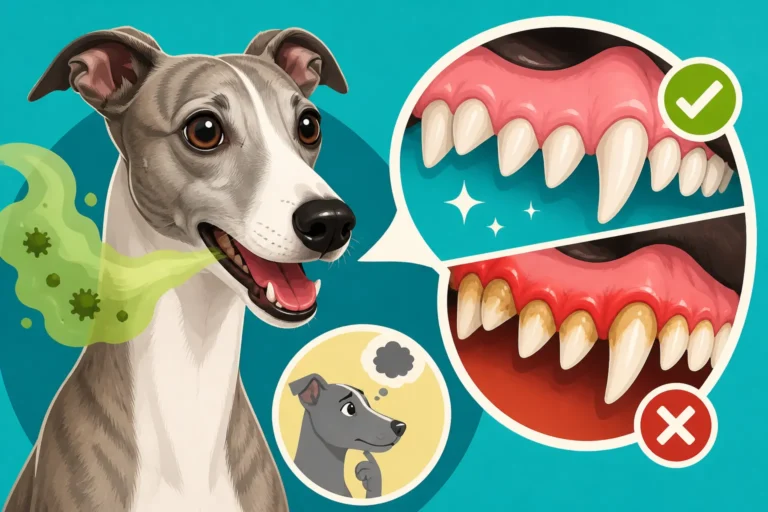
One of the sneakiest culprits behind a Whippet suddenly becoming picky is dental pain. Whippets, like many sighthounds, are prone to dental issues, and Teeth Are the Whippet Problem That Sneaks Up on owners. Their narrow jaws can lead to crowded teeth, which are more susceptible to tartar buildup, gum disease, and eventual tooth loss. Imagine trying to chew your favorite meal with a throbbing toothache or sensitive gums! It's simply not enjoyable. Your Whippet might approach the food, sniff it, even try to take a bite, and then back away, showing clear discomfort.
Regular dental checks are vital. If you notice bad breath, red or swollen gums, pawing at the mouth, or dropping food while eating, it's time for a vet visit. Even subtle discomfort can make them refuse to eat hard kibble, though they might still accept soft treats or wet food if the pain isn't too severe. Don't dismiss a sudden change in eating habits as mere pickiness without first ruling out dental pain. A professional dental cleaning, potentially involving extractions, can transform a picky eater back into a enthusiastic one.
Digestive Upset or Underlying Illness
Beyond dental issues, a myriad of other medical conditions can cause a Whippet to lose its appetite. This is why if your Whippet's pickiness is new, sudden, or accompanied by other symptoms like lethargy, vomiting, diarrhea, or changes in thirst or urination, a vet visit is paramount. Simple digestive upset from eating something they shouldn't have, or a change in diet that doesn't agree with them, can certainly put them off their food.
More serious conditions like kidney disease, liver issues, pancreatitis, or even certain types of cancer can manifest as a reduced appetite. Some metabolic disorders or even specific genetic conditions like Phosphofructokinase Deficiency in a Whippet could indirectly affect their energy levels and thus their desire to eat. It's especially important to mention that sometimes, what looks like "normal" bloodwork for other breeds can be abnormal for a sighthound, so always ask your vet to consider The Bloodwork Numbers That Look Wrong on a Healthy Whippet and use sighthound-specific reference ranges if possible. Never assume it's "just pickiness" without a veterinary check to rule out underlying health problems.
Practical Strategies for Enticing a Reluctant Eater
Okay, so you've considered the physiological quirks, the behavioral patterns, and ruled out medical issues. Now what? It's time to get creative and implement some strategies to make mealtime more appealing for your discerning Whippet.
Enhancing Food Appeal and Variety
One of the simplest ways to tackle pickiness is to make the food itself more tempting. Remember, Whippets often respond well to aromatics. As mentioned earlier, warming their food or adding warm water can release tantalizing smells. You can also try adding a small amount of low-sodium broth (chicken, beef, or bone broth are good choices), plain canned pumpkin, or a drizzle of olive oil. Some owners swear by toppers or mix-ins like plain cooked chicken, scrambled egg, or a spoonful of cottage cheese. These additions can transform a boring meal into an exciting one.
Don't be afraid to experiment with different food textures and brands. Your Whippet might prefer wet food over dry kibble, or vice-versa. There are many high-quality fresh food options available, like those from Ollie, which can be incredibly enticing for picky eaters due to their freshness and palatability. If you're buying kibble, consider trying a different protein source or formula. Many online retailers like Chewy offer a vast selection, making it easy to try smaller bags before committing to a large one. Just remember to introduce new foods gradually to avoid upsetting their stomach. While it's tempting to swap foods constantly, too much variation can also lead to pickiness, as they learn to hold out for the "better" next meal.
Establishing a Positive and Low-Pressure Mealtime Routine
Creating a consistent, positive, and stress-free mealtime routine is paramount. Feed your Whippet at the same times each day in their designated, quiet spot. Give them about 15-20 minutes to eat, and then pick up the bowl, regardless of whether they've finished or not. This teaches them that food is available at certain times, and if they don't eat it, it goes away until the next scheduled meal. This can be tough to do, especially when you're worried about them not eating How Much a Whippet Should Eat, but it helps prevent free-feeding habits and encourages them to eat when food is offered.
Avoid hovering over them, coaxing them excessively, or trying to hand-feed every meal. While a little encouragement is fine, too much attention can create a power struggle or reinforce the idea that their pickiness gets them special treatment. If they don't eat, calmly take the food away. They won't starve themselves, especially if they are otherwise healthy. Some owners find that a change in feeding method, like using a wide, shallow bowl or even a lick mat found on Amazon, can make the experience more enjoyable. The goal is to make mealtime a predictable, pleasant, and efficient part of their day.
Monitoring Weight and Adjusting Intake
Regularly monitoring your Whippet's weight and body condition is crucial, especially when dealing with pickiness. It's easy to worry they're not getting enough, but sometimes, they truly don't need as much as we think. Learn to assess their body condition properly – you should be able to feel their ribs easily, but they shouldn't be sharply protruding. If they're genuinely losing too much weight, then it's time to reassess their calorie intake and consider whether you need to be Getting Weight On a Whippet That Will Not Eat.
If your Whippet is consistently skipping meals or eating very little, and a vet has ruled out medical issues, you might need to adjust their daily food allocation. Rather than constantly switching foods, try offering slightly less at each meal. Sometimes, a smaller, less daunting portion is more appealing. If they clean that, you can gradually increase it. Conversely, if they are still leaving food, perhaps they simply don't need as much. The key is to find that sweet spot where they eat with reasonable enthusiasm without being overfed, ensuring they maintain a healthy weight for their active lifestyle. Remember that some Whippets will always be selective, but with patience and consistency, you can find a rhythm that works for both of you.
| Reason for Pickiness | Potential Solution | When to Consider a Vet Visit |
|---|---|---|
| Physiological/Lean Build | Ensure comfortable temperature, warm food | If rapid weight loss occurs |
| Stress/Anxiety | Consistent routine, quiet feeding space | If pickiness accompanies other behavioral changes |
| Dental Pain | Vet dental check-up, soft food temporarily | Always a primary consideration if sudden change |
| Digestive Upset | Bland diet, gradual food transitions | If vomiting, diarrhea, lethargy are present |
| Boredom/Food Aversion | Vary toppers, new food brands (gradually) | If no improvement with varied, high-quality food |
| Environmental Distractions | Isolate feeding area, limit interruptions | N/A (behavioral/environmental) |
Disclaimer
This article is for general informational purposes only and does not constitute professional advice. Laws, prices and regulations vary by location and change over time. Consult a qualified professional for guidance on your specific situation.