Whether a Whippet Has a Sensitive Stomach
It's incredibly frustrating when your Whippet isn't feeling quite right, especially when digestive issues are at play. One minute they're zooming around the yard, the next they're looking utterly miserable, or worse, making a mess on your rug. It leaves you wondering, is my Whippet prone to a sensitive stomach, or is there something specific going on? This guide will dive deep into understanding Whippet digestion, recognizing the signs of an upset tummy, exploring common culprits, and giving you actionable steps to help your beloved sighthound feel his best.
Understanding the Whippet's Unique Digestive System
Whippets, with their lean, athletic builds and often delicate constitutions, aren't always like other dogs when it comes to their insides. Their sighthound physiology, built for bursts of speed and quick recovery, can sometimes mean their digestive system operates a little differently. It's not uncommon for owners to notice things that might raise an eyebrow, from pickiness to outright tummy troubles.
The Lean Body and Fast Metabolism Connection
One of the first things you notice about a Whippet is how lean they are. They truly have A Whippet Has No Insulation and No Padding. This lean body mass, combined with a generally high metabolism, means their bodies are incredibly efficient at processing food for energy. However, this efficiency doesn't always translate to robust digestion, especially when faced with things their system isn't accustomed to. Their bodies are optimized for quick energy conversion, not necessarily for breaking down a wide variety of ingredients or handling sudden changes.
Because they burn through calories so quickly, a Whippet's system might react more acutely to foods that are difficult to digest or contain ingredients they're sensitive to. Think of it like a finely tuned sports car; it runs beautifully on premium fuel but might sputter and protest with anything less. This isn't to say all Whippets are fragile, but their physiology means their digestive systems can be quite expressive when something's amiss. It's a delicate balance to keep weight on them while also ensuring their tummy stays settled. You might often hear people comment on their leanness, but it's usually just How Thin a Whippet Should Look.
Why Whippets Can Be Picky Eaters
It's a common lament among Whippet owners: "My dog is so picky!" While some dogs will hoover up anything you put in front of them, many Whippets approach their meals with a discerning nose and an air of skepticism. This pickiness isn't always a sign of a sensitive stomach, but it can certainly be linked. Sometimes, a dog learns that certain foods cause discomfort, so they simply choose not to eat them. Other times, it's just a personality trait.
However, a consistently picky Whippet, especially one who also experiences intermittent GI upset, might be trying to tell you something. Perhaps the texture isn't right, or a specific ingredient gives them a subtle ache. When they're not excited about their food, it can be a frustrating cycle trying to ensure they get enough nutrition, especially for a breed that struggles to put on weight. If you've ever tried to entice a reluctant Whippet to eat, you know the struggle is real. You might find yourself wondering Getting Weight On a Whippet That Will Not Eat and trying every trick in the book, from warming food to adding toppers.
Common Signs of a Sensitive Stomach in Whippets
Recognizing the signs of a sensitive stomach in your Whippet is the first step to helping them. Sometimes the symptoms are obvious, like vomiting or diarrhea, but often they can be more subtle, developing over time and leaving you scratching your head.
The Tell-Tale Signs: Vomiting and Diarrhea
These are the most unmistakable indicators that something is not right with your Whippet's digestive system. Vomiting can range from occasional bile to regurgitated food shortly after eating, while diarrhea can vary from soft stools to watery explosions. It's important to pay attention to the frequency, consistency, and any other accompanying symptoms. A single episode of mild diarrhea might be due to eating something unusual in the yard, but recurrent or severe episodes warrant immediate attention.
If your Whippet is vomiting regularly, or experiencing persistent diarrhea, especially with blood or mucus, it’s a clear signal that their stomach is highly irritated. This isn't just unpleasant for you; it can lead to dehydration and nutrient deficiencies for your dog. You might also notice a loss of appetite or lethargy alongside these symptoms. This isn't something to ignore, as prolonged digestive upset can affect their overall health and energy levels.
Subtle Cues: Gas, Bloating, and Gurgling Tummies
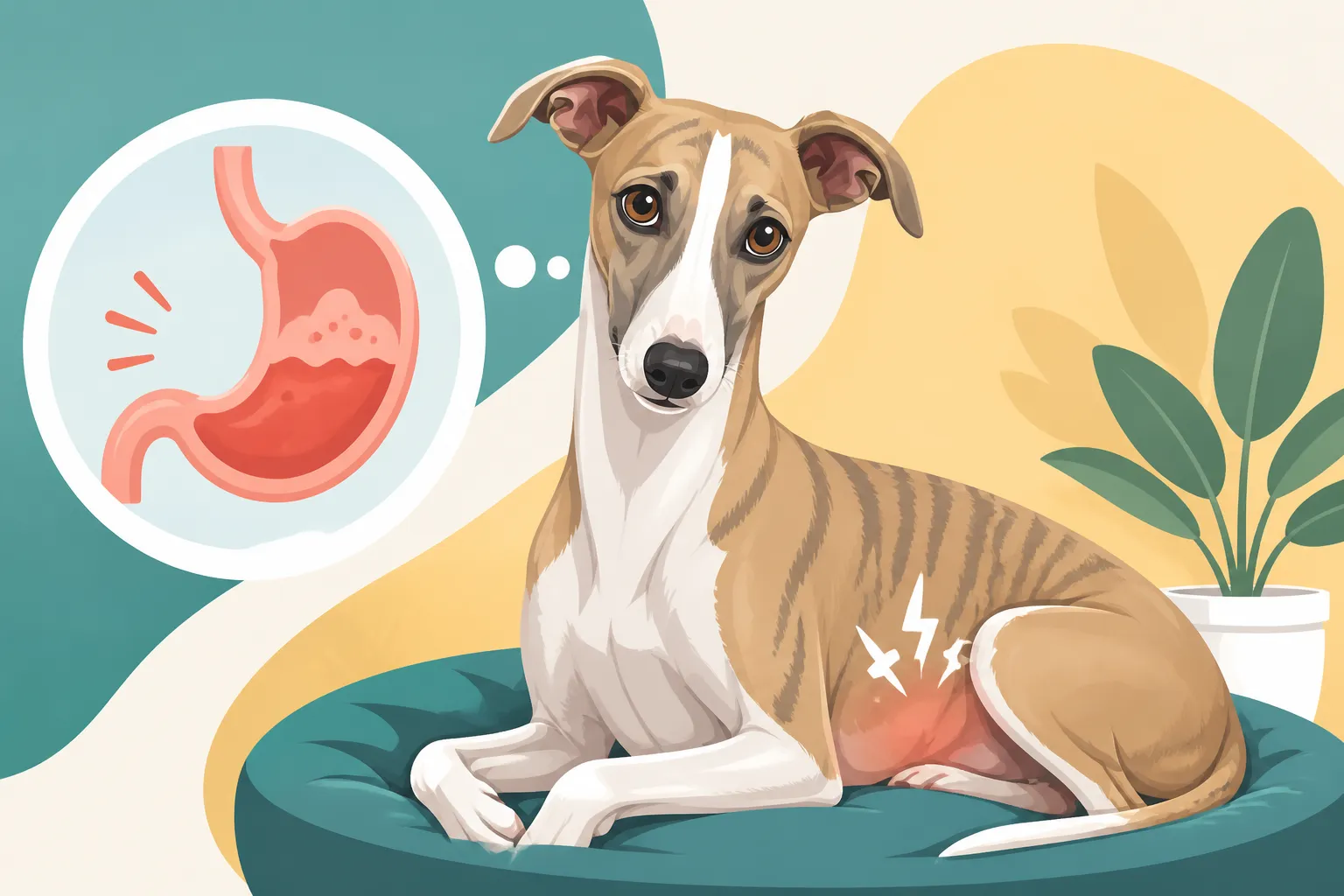
Beyond the obvious, many Whippets with sensitive stomachs show more subtle signs. Excessive gas, often quite smelly, can be a daily occurrence. You might notice their belly feels distended or tight, a symptom of bloating that can be uncomfortable for them. And then there's the symphony of sounds coming from their abdomen – loud gurgling, rumbling, or sloshing noises that can be heard even across the room.
These quieter symptoms indicate an imbalance in their gut. The digestive process isn't running smoothly, leading to fermentation and gas buildup. While a little gas is normal for any dog, persistent, strong-smelling farts or constant tummy noises suggest their system is struggling. It's not just a minor annoyance; chronic discomfort can affect their mood, energy, and willingness to engage in play. They might even assume uncomfortable positions trying to relieve the pressure, or refuse walks because they don't feel well.
Behavioral Changes Associated With Digestive Discomfort
A Whippet who isn't feeling well physically will often exhibit changes in their behavior. This isn't always about their stomach directly, but how the discomfort impacts their overall well-being. They might become more withdrawn, less enthusiastic about walks or playtime, or simply seem "off." They might also become restless, shifting positions frequently, or stretching excessively as if trying to relieve an ache.
Some Whippets might also engage in unusual behaviors like eating grass more often than usual, licking their lips repeatedly, or even trying to eat non-food items (pica). These can all be signs of nausea or an attempt to self-soothe an upset stomach. If your typically affectionate Whippet suddenly seems grumpy or avoids touch, especially around their abdomen, it could be a subtle cry for help indicating digestive distress. Observing these changes carefully can provide crucial clues when you're trying to figure out what's bothering them.
Potential Causes of Digestive Upset in Whippets
Figuring out why your Whippet has a sensitive stomach can feel like detective work. There are so many potential culprits, from the food they eat to underlying health issues. Let's break down some of the most common reasons.
Dietary Triggers: Ingredients and Changes
The most frequent cause of digestive upset in Whippets is almost always related to their diet. Just like some people can't tolerate certain foods, dogs can have sensitivities or allergies to specific ingredients. Common culprits often include:
- Common Protein Sources: Chicken, beef, and lamb are fantastic protein sources, but they are also frequently implicated in food sensitivities. Over time, a dog's immune system can develop a reaction to a protein it's exposed to constantly.
- Grains: While "grain-free" isn't a cure-all, and Whether Grain Free Food Risks a Whippet's Heart is a valid concern that should be discussed with your vet, some Whippets do genuinely struggle with certain grains like corn, wheat, or soy. These can be difficult to digest for some individuals.
- Fillers and Artificial Additives: Cheap fillers, artificial colors, flavors, and preservatives found in some commercial dog foods can irritate a sensitive gut. Their systems may not be equipped to process these synthetic ingredients.
- Rich or Fatty Foods: Whippets, being so lean, sometimes struggle with very rich or high-fat foods. This can include table scraps, certain treats, or even dog foods with excessive fat content, leading to pancreatitis-like symptoms or just general GI distress.
Sudden changes in diet are also a huge trigger. Switching from one food to another too quickly, even if it's a "better" food, can shock their system and lead to diarrhea. Always transition new foods slowly over 7-10 days, gradually mixing the new with the old. This gives their gut flora time to adjust.
Environmental Stressors and Anxiety
It's easy to forget that stress can impact a dog's physical health, especially their digestive system. Just like humans get upset tummies when anxious, so do our Whippets. Changes in routine, moving to a new home, the absence of a family member, or even loud noises can trigger stress that manifests as digestive upset.
Whippets, being inherently sensitive and often deeply bonded to their people, can be particularly susceptible to anxiety. Separation Anxiety in a Whippet is a real concern and can sometimes lead to stress-induced diarrhea or vomiting. If your Whippet's tummy troubles seem to coincide with periods of stress or change in the household, it's worth considering anxiety as a contributing factor. Addressing the underlying stress with consistent routines, comfort, and potentially behavior modification or supplements, can often alleviate the digestive symptoms.
Medical Conditions and Parasites
Sometimes, what appears to be a sensitive stomach is actually a symptom of an underlying medical condition or parasitic infection. It's crucial not to self-diagnose for too long, especially if symptoms are persistent or severe.
- Parasites: Intestinal worms or protozoa (like Giardia) can cause chronic diarrhea, weight loss, and general GI distress. Regular deworming and fecal tests are vital for prevention and early detection.
- Inflammatory Bowel Disease (IBD): This is a chronic condition where the gastrointestinal tract becomes inflamed, leading to persistent vomiting, diarrhea, and weight loss. It requires veterinary diagnosis and management, often involving specialized diets and medication.
- Food Allergies vs. Sensitivities: An allergy involves an immune response, often with skin symptoms in addition to GI upset, while a sensitivity is typically limited to digestive issues. Both require identifying and eliminating the offending ingredient.
- Pancreatitis: Inflammation of the pancreas, often triggered by fatty meals, can cause severe vomiting, abdominal pain, and lethargy.
- Other Organ Issues: Kidney or liver disease, though less common as a primary cause of sensitive stomach, can certainly present with GI symptoms as part of a broader health picture.
If you've tried dietary changes and symptoms persist, a visit to the vet is essential to rule out these more serious medical conditions. They can perform diagnostic tests to get to the root of the problem.
Managing a Whippet's Sensitive Stomach: Dietary Approaches
Once you suspect your Whippet has a sensitive stomach, the good news is there are many dietary strategies you can employ to help them feel better. It often involves a process of elimination and patience.
The Power of Limited Ingredient Diets (LIDs)
Limited ingredient diets (LIDs) are often the first line of defense for a sensitive Whippet. The principle is simple: fewer ingredients mean fewer potential triggers. These diets typically feature a single novel protein source (one your dog hasn't eaten before, like duck, venison, or rabbit) and a single carbohydrate source (like sweet potato or tapioca), avoiding common allergens.
When choosing an LID, read labels carefully. Look for foods with clearly defined ingredients and no vague "meat by-products" or artificial additives. Brands like Chewy offer a wide selection of LIDs, making it easier to find one that might work for your Whippet. The goal is to feed this diet exclusively for several weeks to allow your dog's system to calm down. If symptoms resolve, you can then try to slowly introduce one new ingredient at a time to identify the specific culprit. This methodical approach can be incredibly effective in pinpointing sensitivities.
Exploring Novel Proteins and Hydrolyzed Proteins
If common proteins like chicken or beef are suspected triggers, switching to a novel protein source can make a world of difference. As mentioned, duck, venison, or even kangaroo can be excellent choices that your Whippet's immune system hasn't encountered, thus reducing the likelihood of an allergic reaction. These can be found in specialized kibble, wet food, or even raw and Whether a Whippet Can Be Fed Raw diets.
For more severe or persistent cases, your vet might recommend a hydrolyzed protein diet. In these foods, the proteins are broken down into such small molecules that the immune system doesn't recognize them as allergens. This can be a highly effective, though often more expensive, option for dogs with confirmed food allergies or severe IBD. These diets are usually prescription-only, meaning you'll need a vet's recommendation. They essentially "trick" the immune system, allowing the digestive tract to heal.
Fresh Food and Home-Cooked Options
Many Whippet owners find success with fresh food diets, either commercially prepared like Ollie or carefully home-cooked. The benefits often cited include higher moisture content, fewer processed ingredients, and potentially higher digestibility for some dogs. When preparing food at home, it's absolutely crucial to work with a veterinary nutritionist to ensure the diet is complete and balanced. Simply boiling chicken and rice long-term will lead to nutritional deficiencies.
Fresh food diets allow you complete control over every ingredient, which is a huge advantage when dealing with sensitivities. You can choose specific lean proteins and easily digestible carbohydrates that you know your Whippet tolerates. However, it requires dedication and careful planning to ensure it meets all their nutritional needs. You can often order fresh food subscriptions online, like from Ollie, which deliver pre-portioned meals right to your door, taking some of the guesswork out of balanced nutrition.
When to Seek Veterinary Advice for Whippet Tummy Troubles
While many mild digestive upsets can be managed at home, there are definite signs that indicate it's time to call your veterinarian. Don't hesitate if you're concerned; early intervention can prevent more serious problems.
Recognizing Red Flags: When to Call the Vet Immediately
Certain symptoms should always prompt an immediate call to your vet or an emergency clinic. These are signs that your Whippet could be in severe distress or experiencing a life-threatening condition:
- Bloody Vomit or Diarrhea: Any fresh red blood or dark, tarry stools (melena) needs urgent attention.
- Persistent Vomiting: If your Whippet is vomiting repeatedly for more than 12-24 hours, especially if they can't keep water down.
- Severe Lethargy and Weakness: If your Whippet is unusually tired, unresponsive, or collapses.
- Abdominal Pain: Whining, panting, reluctance to be touched, or a hunched posture indicating abdominal discomfort.
- Non-Productive Vomiting or Retching: This is a hallmark sign of bloat (GDV), a critical emergency, where your dog is trying to vomit but nothing is coming up. While Bloat in a Whippet is less common than in deep-chested breeds, it is still a possibility and requires immediate veterinary attention.
- Dehydration: Sunken eyes, sticky gums, or skin that stays tented when gently pinched are signs of dehydration.
These symptoms require prompt professional assessment to diagnose and treat the underlying cause. A quick response can make all the difference in your Whippet's outcome.
Diagnostic Tests Your Vet Might Recommend
When you visit the vet for chronic or severe digestive issues, they will likely start with a thorough physical examination and discuss your Whippet's history in detail. Depending on their findings, they might recommend a series of diagnostic tests:
- Fecal Examination: To check for intestinal parasites, bacteria, and other microscopic issues.
- Blood Work: A complete blood count (CBC) and chemistry panel can assess overall health, check for inflammation, dehydration, organ function (like kidneys and liver), and nutrient levels. This can also help confirm or rule out Phosphofructokinase Deficiency in a Whippet, which can have some GI symptoms.
- Imaging (X-rays or Ultrasound): To look for foreign objects, assess organ size and position, or identify tumors. An ultrasound can provide a much more detailed view of the GI tract walls and surrounding organs.
- Allergy Testing: While not always definitive, some vets may offer blood or skin tests for food allergies. However, elimination diets are often considered more reliable.
- Endoscopy or Biopsy: For persistent issues, a specialist might recommend an endoscopy to visually inspect the GI tract and take tissue biopsies to diagnose conditions like IBD or certain cancers.
These tests help your vet narrow down the possibilities and develop the most effective treatment plan, which might involve medication, dietary changes, or other interventions.
Probiotics and Digestive Enzyme Supplements
Sometimes, a sensitive stomach is due to an imbalance in the gut microbiome or insufficient digestive enzymes. Your vet might suggest adding probiotics or digestive enzyme supplements to your Whippet's diet.
- Probiotics: These introduce beneficial bacteria to the gut, helping to restore balance, improve digestion, and strengthen the gut barrier. They can be particularly helpful after antibiotic use or during periods of stress. There are many veterinary-specific probiotics available, often found on Amazon or specialized pet stores, but always check with your vet before starting any new supplement.
- Digestive Enzymes: For Whippets who have trouble breaking down fats, proteins, or carbohydrates, enzyme supplements can aid in digestion and nutrient absorption. These are often recommended for conditions like Exocrine Pancreatic Insufficiency (EPI), though they can also benefit dogs with general maldigestion.
These supplements aren't a magic bullet but can be a valuable tool in conjunction with appropriate dietary management and veterinary oversight. They can support overall gut health and sometimes reduce the frequency or severity of sensitive stomach symptoms.
Creating a Stable Environment for a Sensitive Whippet
Beyond diet and veterinary care, the daily environment and routine play a significant role in managing a sensitive stomach. A calm, predictable life can do wonders for a Whippet's overall well-being, including their digestive health.
Consistency in Routine and Feeding Schedules
Whippets thrive on routine. A consistent daily schedule, especially around feeding times, can help regulate their digestive system. Feeding them at the same times each day, in a quiet, undisturbed environment, signals to their body when to expect food and prepare for digestion. This can help prevent the "anticipatory stress" that some dogs feel, which can manifest as digestive upset.
Avoid sudden changes in their routine, such as feeding them at vastly different times, or letting them eat in a chaotic environment. Stick to the same feeding bowls and location if possible. If you need to change their schedule, do so gradually. For instance, if you usually feed them twice a day, try to keep those mealtimes consistent. You can also refer to The Meal Schedule a Whippet Puppy Needs for specific guidance if you have a young Whippet, as puppies often require more frequent, smaller meals.
Preventing Scavenging and "Counter Surfing"
Whippets are intelligent and often opportunistic creatures. Their keen noses and ability to jump can make them adept at finding forbidden snacks, whether it's forgotten crumbs on the floor, discarded food on a walk, or "counter surfing" for unattended treats. These unplanned dietary excursions are a major cause of sudden digestive upset, as their sensitive systems react to unfamiliar or rich foods.
Training your Whippet not to scavenge is crucial. "Leave it" is an invaluable command. Keep your home tidy, especially kitchen counters, and secure garbage bins. On walks, be vigilant about what they sniff and try to pick up. For dogs prone to eating anything and everything, a basket muzzle on walks can be a temporary safety measure. Remember, even seemingly harmless human foods can be dangerous to your Whippet, and you should always be aware of Foods That Are Dangerous to a Whippet. Preventing access to these tempting but problematic items is key to keeping their stomach settled.
The Role of Stress Reduction and Enrichment
A stressed or bored Whippet is more prone to both behavioral issues and physical ailments, including digestive problems. Creating a low-stress environment and providing appropriate mental and physical enrichment can significantly contribute to their gut health.
Ensure your Whippet has a safe, quiet space where they can retreat and relax, especially if your household is busy or noisy. This might be a comfortable crate, a designated bed in a quiet room, or simply their favorite spot on the sofa with a blanket. Providing plenty of mental stimulation through puzzle toys, training sessions, and interactive games can reduce boredom and anxiety. Regular, appropriate exercise, such as short sprints in a secure area or leashed walks, is also important for physical and mental well-being, but be mindful of Why a Whippet Cannot Be Let Off Leash in an Open Field due to their strong prey drive. A happy, well-adjusted Whippet is more likely to have a healthy digestive system.
Comparison of Sensitive Stomach Diets
| Diet Type | Description | Pros | Cons | Best For |
|---|---|---|---|---|
| Limited Ingredient | Single novel protein, single carbohydrate, minimal additives. | Reduces exposure to common allergens; easier to identify triggers. | Can be restrictive; may require trying several brands; ingredients can overlap between brands. | Initial elimination diet; suspected mild sensitivities. |
| Hydrolyzed Protein | Proteins broken down into tiny particles, undetectable by immune system. | Highly digestible; very low allergenicity; effective for severe allergies. | Expensive; typically prescription-only; less palatable for some dogs. | Confirmed food allergies; Inflammatory Bowel Disease (IBD). |
| Novel Protein | Uses proteins like duck, venison, rabbit, kangaroo not commonly fed to dogs. | Offers alternatives to common allergens; varied options available. | May still cause reactions if dog is sensitive to multiple proteins; can be pricey. | Dogs reactive to common proteins like chicken/beef. |
| Fresh/Home-Cooked | Cooked or raw ingredients, often human-grade; prepared at home or delivered. | Full control over ingredients; high moisture; often highly palatable. | Requires careful balancing with vet nutritionist; can be time-consuming and costly. | Owners wanting full control; dogs with multiple sensitivities. |
Disclaimer
This article is for general informational purposes only and does not constitute professional advice. Laws, prices and regulations vary by location and change over time. Consult a qualified professional for guidance on your specific situation.