Whether a Whippet Can Sleep in an Unheated Room
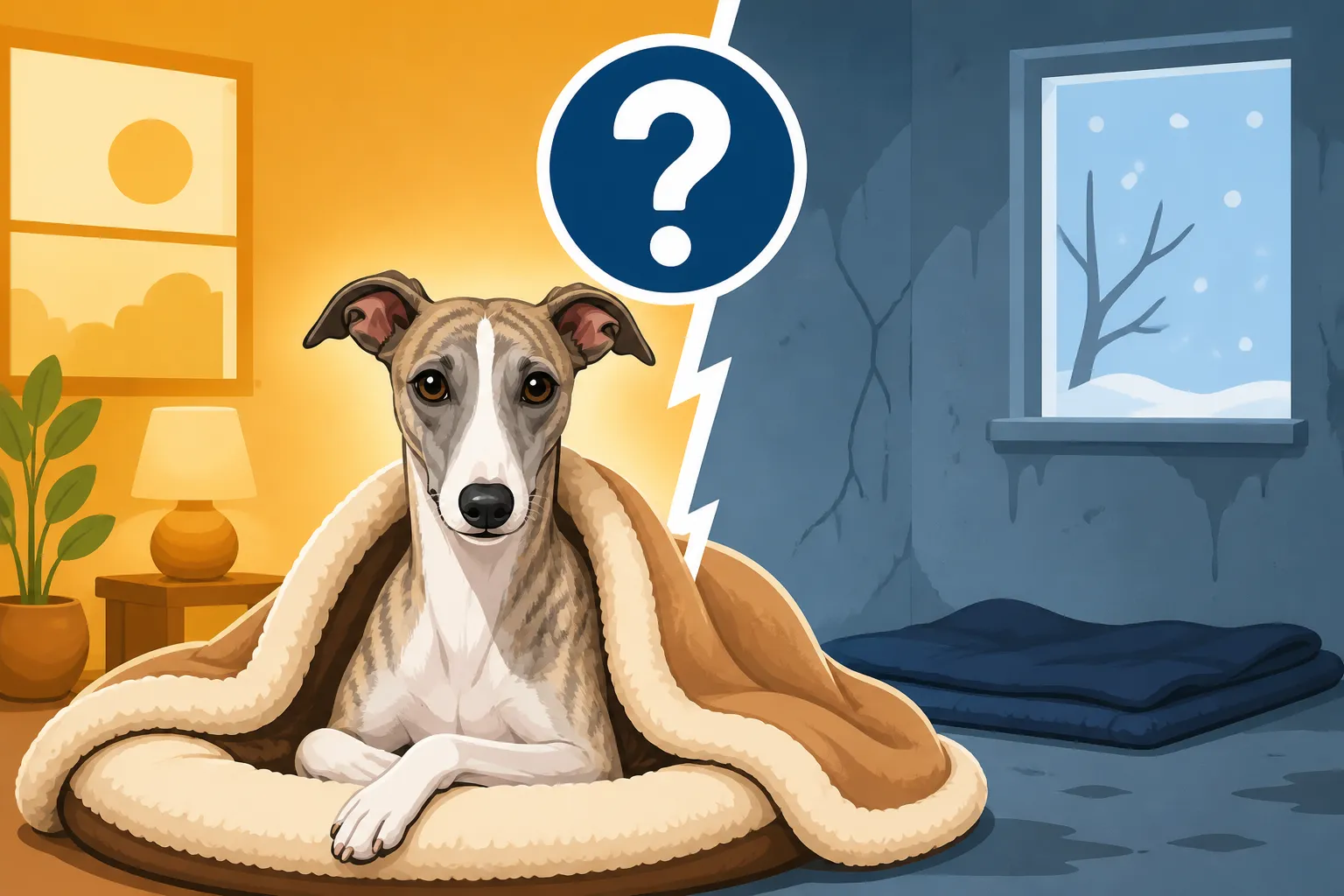
It’s a common dilemma for many Whippet owners: you want your beloved companion to be comfortable, but sometimes, life throws you a curveball. Maybe you live in an older home with uneven heating, or perhaps you're considering setting up a cozy spot in a rarely used room that just doesn't stay as warm as the main living areas. The big question often becomes, "Can my Whippet really sleep in an unheated room?" The simple truth is, while a Whippet might survive in cooler temperatures, thriving and being truly comfortable, especially while sleeping, requires a deeper understanding of their unique needs and a conscious effort to keep them genuinely warm. This guide will walk you through the realities of a Whippet's cold tolerance and how to ensure your lean, loving sighthound stays snug and safe, even when the thermostat drops.
Understanding Your Whippet's Unique Physiology and Its Impact on Cold Tolerance
Whippets are magnificent creatures, renowned for their sleek lines, incredible speed, and surprisingly cuddly nature. But those very characteristics that make them so beautiful and athletic also make them particularly vulnerable to cold. Unlike many other breeds, they aren't equipped with a natural defense against chilly temperatures, and understanding why is key to keeping them comfortable.
The Lack of Body Fat and Natural Insulation
One of the most striking things about a Whippet is their incredibly lean physique. They are built for speed, with minimal body fat, which serves them well on the lure coursing field or track, but not so much when it comes to staying warm. Body fat acts as a natural insulator, a protective layer that helps retain heat. Think of it like wearing a thick wool sweater; without it, you feel every gust of wind. Your Whippet is essentially walking around without that natural sweater.
This isn't a problem of being underweight; it's simply how their breed is designed. When you can easily feel their ribs and hip bones, it's usually a sign of a healthy Whippet, not an underfed one. But it does mean that in an unheated room, they're going to lose body heat much more rapidly than a dog with a thick, insulating coat or a more robust build. They just don't have the internal reserves to draw upon to keep themselves warm. This fundamental lack of insulation is precisely why discussions around A Whippet Has No Insulation and No Padding are so crucial for owners.
The Thin Skin and Short Coat
Beyond the lack of fat, a Whippet's skin is incredibly thin and delicate, covered by a short, fine coat that offers very little in the way of thermal protection. This isn't a double coat designed to trap air or repel moisture like a Labrador's, nor is it a thick, dense fur like a German Shepherd's. Their coat is more akin to a fine velvet, beautiful to touch, but utterly useless against a cold draft.
This thin skin also means they feel cold more intensely. You might shiver a bit, but your Whippet will feel the chill penetrating right to their bones. Imagine wearing only a thin t-shirt in a cool room; that's closer to what your Whippet experiences without additional warmth. This is why even a slight drop in room temperature can make them seek out blankets to burrow under, or gravitate towards any patch of sunlight. Their body simply can't create or hold enough heat to counteract the cold air seeping in through their minimal coat.
How Their Metabolism Affects Heat Production
While all dogs produce heat through metabolism, a Whippet's metabolism, especially when at rest, isn't geared for sustained internal heating in cold conditions. They are explosive athletes, capable of incredible bursts of energy, but once that activity stops, their body temperature can drop quite quickly. They aren't constantly burning calories to keep a large, insulated body warm like a working breed might.
This means that if they are sleeping and their metabolism is naturally slowing down even further, they are even less equipped to generate the necessary warmth. An unheated room, especially overnight when temperatures are at their lowest, presents a challenge their system just isn't built to handle without external aid. This is why you often see them bundled up in pajamas or seeking out warm spots, even indoors. They rely heavily on their environment and external aids to regulate their body temperature, more so than many other breeds.
The Risks of Cold Exposure for Whippets
Allowing a Whippet to sleep in an unheated room isn't just about discomfort; it poses genuine health risks that every owner should be aware of. Their delicate physiology means they are far more susceptible to the adverse effects of cold than many other dogs. It's a significant point of concern that shouldn't be overlooked.
Hypothermia and Its Subtle Signs
Hypothermia is a serious condition where a dog's core body temperature drops below the normal range, and for a Whippet, this can happen more easily than you might think. It's not just for extreme outdoor conditions; prolonged exposure to even moderately cold temperatures in an unheated indoor space can be enough. The initial signs can be subtle, which makes them easy to miss if you're not vigilant.
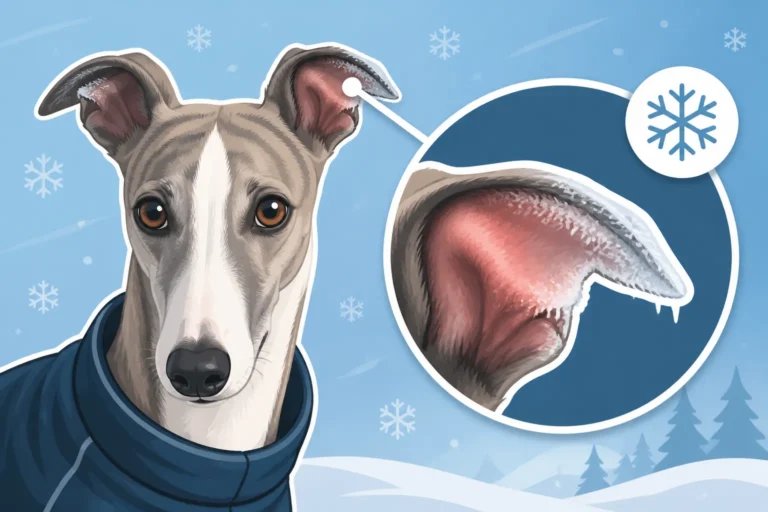
You might first notice a slight, uncontrollable shivering, almost like a tremor, as their body tries desperately to generate heat. They might curl into a very tight ball, tucking their paws and tail as close to their body as possible. Their ears, paws, and tail might feel noticeably cooler to the touch than their torso. As hypothermia progresses, they can become lethargic, slow-moving, and their muscles might become stiff. Their breathing and heart rate could slow down, and in severe cases, they might collapse or become unresponsive. This isn't something to take lightly; hypothermia can be life-threatening and requires immediate veterinary attention. Prevention is always better than treatment.
Joint Pain and Stiffness in Cooler Temperatures
Just like humans, dogs can experience increased joint pain and stiffness in colder weather, and Whippets are no exception. Given their athletic build and propensity for muscle pulls and injuries, keeping their joints warm and limber is important. An unheated room can exacerbate any underlying joint issues or simply lead to general discomfort and stiffness.
Imagine waking up in a cold room with aching joints – your Whippet feels that too. They might be reluctant to get up, move slowly, or show a reduced willingness to play. For an older Whippet, in particular, who might already be grappling with early signs of arthritis, a cold sleeping environment can make their mornings truly miserable. This is especially true for senior Whippets, where Caring for an Old Whippet That Feels the Cold becomes an even more pressing concern. Ensuring they have a warm, supportive bed can make a world of difference in their overall quality of life and mobility.
Increased Susceptibility to Illness
When a Whippet is constantly battling to stay warm, their body is under stress. This constant drain on their energy to maintain core body temperature can weaken their immune system, making them more susceptible to common illnesses. Just like humans who get run down when they're always cold, a Whippet can catch colds, develop respiratory issues, or be more prone to other infections.
A healthy immune system relies on the body not being under constant strain. If your Whippet is spending hours each night trying to conserve heat in a chilly room, their body's resources are diverted away from fighting off pathogens. This means that a minor sniffle could become a more serious cough, or they might take longer to recover from a common bug. Ensuring they have a consistently warm sleeping environment helps their body allocate its resources to maintaining health, not just warmth. This general well-being contributes to their overall longevity, which, for a Whippet, can be The Twelve to Fifteen Years a Whippet Lives.
Creating a Warm and Safe Sleeping Environment
If an unheated room is your only option for your Whippet's sleeping area, or if you simply live in a drafty home, don't despair! There are many ways to create a warm, safe, and utterly cozy sanctuary for them. It takes a bit of thought and preparation, but it's entirely achievable.
Essential Bedding and Layering Options
The right bedding is paramount for a Whippet in any environment, but especially in a cooler room. They need layers and softness to burrow into. Forget thin mats or hard dog beds; these will do little to insulate them from the cold floor.
- Memory Foam or Orthopedic Beds: These beds offer excellent insulation from cold floors and provide crucial joint support. Look for options with raised bolsters or sides, which create a den-like feel and help trap body heat. Brands available on Chewy or Amazon often have a wide selection.
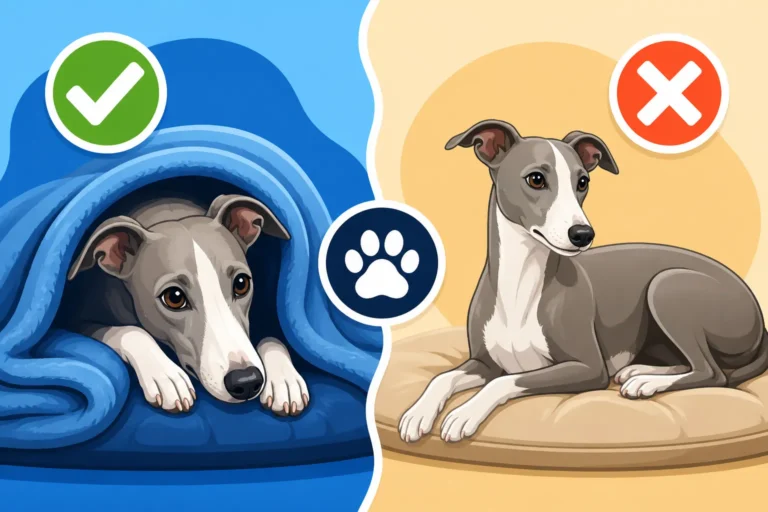
- Thick Blankets and Quilts: Whippets are burrowers by nature. Provide multiple soft, fleecy blankets or even a small duvet that they can arrange to their liking. They love to tunnel under covers, creating a warm, personal cocoon. This satisfies their natural instinct and provides critical layers of warmth. Whether a Whippet Sleeps Under a Blanket is usually a given; they actively seek it out.
- Dog Pajamas or Sweaters: These aren't just for looking cute! A well-fitting set of dog pajamas or a warm sweater made from fleece or wool can add a significant layer of warmth, especially overnight when their body temperature naturally drops. This is particularly important for their exposed chest and belly. Consider having a few on hand, much like you'd have a small The Wardrobe a Whippet Needs Because It Has No Body Fat.
Strategic Placement of Beds
Where you place your Whippet's bed in an unheated room can make a huge difference in their warmth and comfort.
- Away from Drafts: Keep their bed away from windows, doors, and any areas where cold air might seep in. Even a small draft can chill a Whippet very quickly. Feel around the room for cold spots or drafts with your hand before settling on a location.
- Against an Interior Wall: Interior walls often retain more heat than exterior walls. Placing their bed against one of these can offer a slight thermal advantage.
- Elevated Beds: If the floor is particularly cold, consider an elevated dog bed. While they might still need ample bedding on top, getting them off the cold floor can help prevent heat loss from underneath. However, most Whippets prefer to be in a bed, not just on one, so ensure it's still plush and inviting.
Considering Supplemental Heat Sources (Safely!)
Sometimes, even the best bedding isn't enough, especially during deep winter. Supplemental heat sources can be incredibly beneficial, but they must be used with extreme caution to ensure your Whippet's safety.
- Heated Dog Beds or Pads: These can be fantastic for providing consistent, low-level warmth. Look for beds designed specifically for pets, with chew-resistant cords and automatic shut-off features. Always follow manufacturer instructions carefully. Whether a Whippet Needs a Heated Bed in Winter is a question many owners ponder, and for an unheated room, the answer is often yes.
- Ceramic Heaters with Safety Features: If you must use a space heater, choose a ceramic heater with tip-over protection, automatic shut-off, and a cool-touch exterior. Place it far enough away from bedding to prevent any fire risk, and ensure it's in a location where your Whippet cannot knock it over or get too close. Never leave a space heater running unattended with your dog in the room.
- Warm Water Bottles (Wrapped): A simple, temporary solution is a warm (not hot!) water bottle wrapped in a towel and placed under a blanket in their bed. This provides localized warmth for a few hours. Always ensure it's not too hot and that the Whippet cannot chew through it.
Recognizing When Your Whippet Is Too Cold
Your Whippet can't tell you in words that they're cold, so it's up to you to be observant and understand their signals. Learning to read their body language and physical cues is essential to ensuring their comfort and health, especially when they're in a cooler environment.
Behavioral Cues and Body Language
Whippets are often quite expressive, and they'll usually let you know when they're feeling chilly, even if it's subtle.
- Shivering or Trembling: This is the most obvious sign. Small shivers or full-body trembling clearly indicate they're trying to generate heat. Sometimes it's a very fine tremor, hard to see unless you're looking closely. This is why Why a Whippet Shivers Indoors is an important topic to understand; it's a physical response to cold.
- Curling Up Tightly: While many dogs curl up to sleep, a Whippet who is too cold will often curl into an extremely tight ball, tucking their paws and tail underneath them, almost trying to make themselves as small as possible to conserve heat.
- Seeking Warmth Relentlessly: They might constantly try to burrow deeper under blankets, push against you for body heat, or try to find any small patch of sunlight or warmer air in the room. If they're restless and constantly repositioning, it could be a sign they can't get warm enough.
- Reluctance to Leave Bed: If your Whippet is usually eager to start the day but is hesitant to leave their bed or blanket, especially in the morning, it could be because it's too cold outside their cozy spot. This isn't laziness; it's self-preservation.
Physical Signs to Watch For
Beyond behavior, there are physical indicators that your Whippet is getting too cold and needs more warmth.
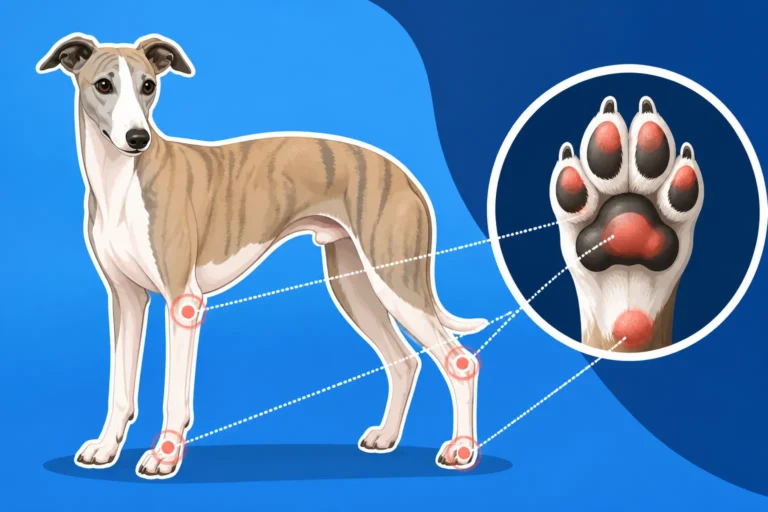
- Cold Ears, Paws, or Tail: These extremities are often the first to feel cold. Gently touch their ears or paw pads. If they feel significantly cooler than their main body, they're likely feeling the chill.
- Pale Gums: In more severe cases of cold exposure, their gums might appear paler than usual. This is a sign that blood flow is being redirected to vital organs, away from the extremities, to conserve heat.
- Lethargy or Sluggishness: A cold Whippet may become unusually quiet, less energetic, or seem generally sluggish. They might not respond to calls as quickly or show interest in activities they normally enjoy. This is a progression from subtle discomfort to a more concerning state. What a Whippet Needs Every Day includes appropriate warmth to maintain their usual spirited demeanor.
- Stiff Movement: As mentioned earlier, cold can make muscles and joints stiff. If they're moving stiffly, reluctant to stretch, or favoring a limb, cold could be contributing to their discomfort.
Immediate Actions to Take When Your Whippet Is Chilled
If you notice any of these signs, don't delay. Immediate action can prevent discomfort from escalating into a more serious health issue.
- Move Them to a Warmer Area: The most direct solution is to move your Whippet to a warmer room in the house, even if it's just for a while to let them warm up.
- Add More Layers: Pile on extra blankets in their bed. If they're not wearing pajamas or a sweater, put one on them.
- Offer a Warm Drink (if safe): A little bit of warm (not hot) low-sodium chicken broth can help warm them from the inside out and encourage hydration.
- Gentle Massage: A gentle rub, particularly on their muscles and paws, can help stimulate circulation and generate some warmth.
- Seek Veterinary Advice: If your Whippet appears severely lethargic, unresponsive, or shows signs of severe hypothermia, contact your veterinarian immediately. It’s always better to be safe than sorry, especially with a breed as sensitive to cold as a Whippet.
Ultimately, while a Whippet can technically sleep in an unheated room, it should only be under conditions where you have taken proactive measures to ensure their warmth and safety. Their comfort and health depend entirely on your understanding of their unique needs and your commitment to providing a truly warm sanctuary, no matter the outside temperature.
| Cold Tolerance Indicator | General Whippet Status | What It Means for an Unheated Room | Action Required |
|---|---|---|---|
| Body Fat | Very Low | Minimal natural insulation | Provide external warmth |
| Coat Thickness | Very Thin | Poor heat retention | Layers, coats, bedding |
| Shivering (slight) | Mildly Uncomfortable | Early sign of heat loss | Add blankets, check for drafts |
| Shivering (constant) | Significantly Cold | Body struggling to maintain temp | Immediate warming, move to heated room |
| Ears/Paws | Cool to touch | Blood flow reducing to extremities | Increase overall warmth |
| Ears/Paws | Cold to touch | Risk of hypothermia developing | Urgent warming, vet consult if lethargic |
| Behavior | Tightly curled, seeking blankets | Actively trying to self-regulate | Ensure sufficient bedding and warmth |
| Behavior | Lethargic, stiff, unresponsive | Potential hypothermia, critical | Emergency vet care |
Disclaimer
This article is for general informational purposes only and does not constitute professional advice. Laws, prices and regulations vary by location and change over time. Consult a qualified professional for guidance on your specific situation.