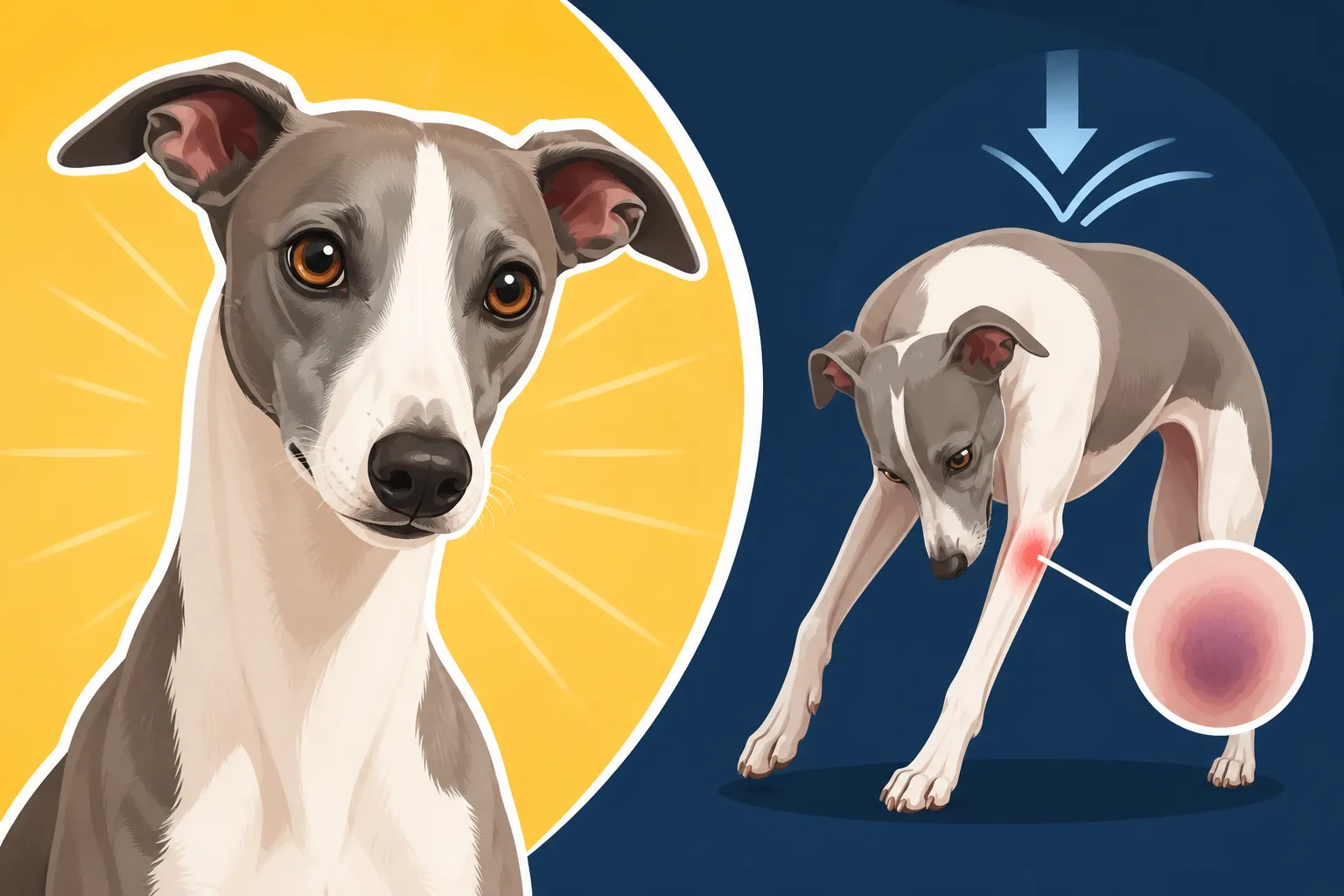
How a Whippet Learns When It Bruises From Pressure
It’s a common frustration many Whippet owners face: you try to teach your elegant, sensitive dog something new, and instead of responding, they seem to shrink away, get "stubborn," or even physically flinch. This isn't naughtiness; it's often a direct reaction to their unique physical and emotional sensitivity, particularly how they perceive and react to pressure. This guide will delve deep into the Whippet's delicate nature, explaining why traditional training methods often fail, and how a positive, gentle approach is not just kinder, but far more effective for helping your Whippet learn and thrive.
Understanding the Whippet's Sensitive Nature
If you've ever felt like your Whippet is "too sensitive" or "stubborn," you're not alone. It's a common refrain among owners who've tried conventional dog training techniques, only to be met with a confused, withdrawn, or simply unresponsive Whippet. The truth is, your Whippet isn't being difficult on purpose; they are genuinely wired differently from many other breeds, and understanding this fundamental difference is the first step toward effective and harmonious training.
More Than Just "Stubborn": Unpacking Whippet Sensitivity
What often looks like stubbornness in a Whippet is, in fact, a deeply ingrained sensitivity to their environment and how they are handled. Unlike breeds specifically developed for intricate obedience or intense work, sighthounds like Whippets were bred for independent thought and action. Their historical role involved spotting prey and chasing it down without human direction, meaning they weren't necessarily created to be highly biddable in the way a retriever or a herding dog might be. They think for themselves, which can be interpreted as defiance if you're not speaking their language.
This independent streak, combined with a naturally gentle disposition, means they don't respond well to heavy-handed tactics. A firm voice, a sudden leash correction, or even an overly assertive stance from a human can be enough to make a Whippet shut down. They aren't trying to challenge your authority; they're simply overwhelmed and confused by what feels like an unfair or frightening interaction. Validating this experience for your Whippet is crucial – it’s not malice, it’s just how their sensitive nervous system processes the world. Many owners find relief when they realize this isn't a personal failing on their part, but a characteristic of the breed that requires a different approach.
The Fight, Flight, or Freeze Response in Whippets
When confronted with perceived threats or uncomfortable pressure, animals, including dogs, typically exhibit one of three responses: fight, flight, or freeze. For many Whippets, the "freeze" response is incredibly common. Instead of barking back or trying to escape (though flight is also possible, especially if off-leash), a Whippet might simply stop moving, avert their gaze, refuse to engage, or even "turn off" their brain. This isn't them being disobedient; it's a coping mechanism, a way to minimize perceived danger.
Imagine you're trying to teach your Whippet to "sit." If you use too much physical pressure on their back or a harsh verbal cue, they might just stare blankly, drop their head, or perhaps lie down in a submissive posture rather than perform the desired sit. This is their freeze response in action. They're not processing the command; they're processing the pressure and discomfort. This can be particularly frustrating for owners accustomed to breeds that might "push back" with a bark or a growl, signaling their discomfort more overtly. A Whippet often internalizes it, leading to a breakdown in communication and learning. Understanding this response allows us to avoid triggering it and instead create a safe, positive learning environment where they feel confident enough to try.
The Physical Aspect: Bruising from Pressure and Thin Skin
One of the most defining characteristics of a Whippet, and perhaps the least understood in terms of its impact on training, is their delicate physical makeup. Their sleek, athletic build comes with very little body fat and incredibly thin skin. This isn't just an aesthetic feature; it has profound implications for how they experience physical contact and pressure, making certain training methods not only ineffective but potentially harmful.
The Delicate Anatomy of a Whippet
If you've ever gently run your hand over a Whippet's back, you've likely felt the prominent curve of their spine and the distinct outline of their ribs. This is not a sign of malnourishment but a hallmark of their lean sighthound physiology. A Whippet Has No Insulation and No Padding, which means their skin lies very close to their muscle and bone, with minimal cushioning. This thin skin is highly susceptible to tears and scrapes, but also to bruising from pressure. It’s why you might occasionally see a small bruise appear on a Whippet after what seems like a minor bump, or even from sleeping in an awkward position on a hard surface.
Consider a seemingly innocuous event like a child leaning against a Whippet with too much force, or a seatbelt rubbing against their flank in the car. For another breed, it might be a mild annoyance; for a Whippet, it can cause actual discomfort or a subtle bruise that you might not even notice. This inherent fragility extends to how they experience collars and leashes. A rough tug or sustained pressure from a standard collar can be genuinely painful. This isn't just about avoiding visible injuries like skin tears, which can be frequent for them The Thin Skin That Sends a Whippet to the Vet for Stitches; it's about recognizing the constant, subtle physical feedback they receive from their environment and how that impacts their emotional state and willingness to learn.
How Physical Discomfort Hinders Learning
It’s simple psychology: if an animal is experiencing physical discomfort or pain, its ability to focus, engage, and learn new behaviors is severely compromised. When a Whippet feels pressure on their neck from a leash or collar during a training session, their primary focus shifts from understanding your cue to alleviating that discomfort. If the pressure is sustained or harsh, they might associate the entire training process – you, the leash, the environment – with that unpleasant sensation.
This is why traditional training collars, like choke chains or prong collars, are particularly ill-suited for Whippets. Beyond the obvious risk of damage to their delicate trachea, the constant or sudden pressure they exert can be genuinely frightening and painful. Instead of teaching a "heel" command, such tools often teach a Whippet to dread walks, to pull away from the handler, or to simply shut down in fear. They aren't learning what to do; they're learning what to avoid. For example, a Whippet that receives a harsh yank for pulling might learn that walking on a leash is an unpleasant experience, making future walks and training sessions a battle of wills rather than a cooperative effort. Their high prey drive already makes recall a challenge Why a Whippet's Chase Instinct Overrides Its Recall, and adding physical pain only exacerbates the problem, teaching them to run away from pressure, not towards you.
The Emotional Aspect: Reactivity to Harsh Correction
Just as Whippets are physically delicate, they possess an equally sensitive emotional landscape. They are renowned for their gentle, affectionate, and somewhat reserved personalities. This emotional tenderness means that harsh corrections, yelling, or intimidating body language don't just confuse them – they can deeply wound their spirit, eroding trust and shutting down their willingness to engage.
The Whippet's Emotional Landscape: Deeply Sensitive Souls
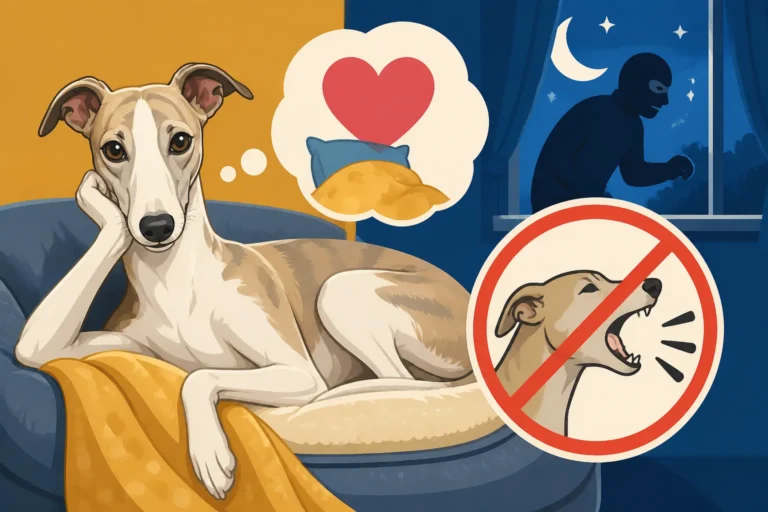
Whippets are, at their core, sensitive creatures. They thrive on calm environments, gentle voices, and positive interactions. Many Whippet owners describe their dogs as being "velcro dogs" indoors, craving close physical contact and quiet companionship. This inherent sweetness means they are incredibly receptive to the nuances of human emotion. A sharp tone, a sudden movement, or even a stern look can register as a significant threat or disappointment to a Whippet.
They often display their emotional state through subtle body language: a flattened ear, a tucked tail, a lowered head, or simply avoiding eye contact. These are not signs of defiance, but rather indicators of distress or anxiety. When corrected harshly, a Whippet rarely 'talks back' in the way a more assertive breed might. Instead, they internalize the negativity, often retreating into themselves. They might "sulk" for a surprisingly long time after a perceived slight, refusing to make eye contact or interact, demonstrating just how deeply these interactions affect them. Whether a Whippet Sulks This isn't about being overly dramatic; it's about their genuine emotional vulnerability.
Why Harsh Handling Ruins a Whippet's Trust
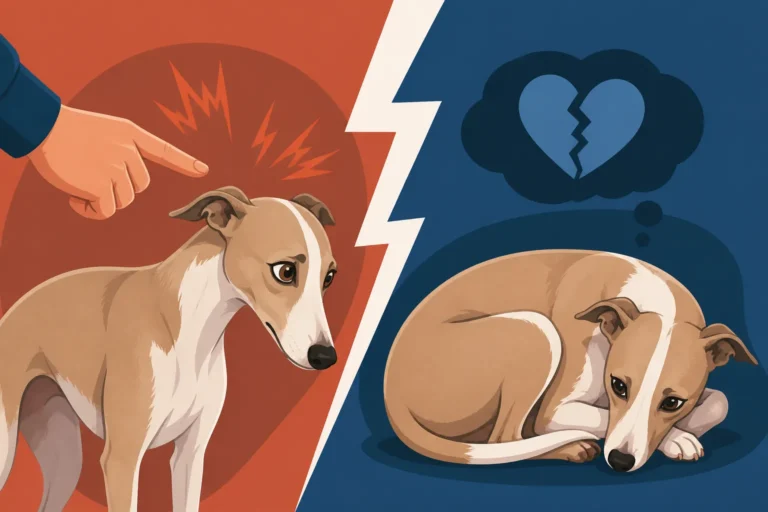
Traditional, dominance-based training philosophies, which often advocate for physical corrections, leash jerks, and assertive verbal reprimands, are not only outdated but profoundly damaging to a Whippet. These methods are built on the premise of establishing a hierarchical relationship through intimidation. For a Whippet, this approach is entirely counterproductive. Instead of fostering understanding and cooperation, harsh handling breaks the fragile bond of trust that is so vital for their well-being and learning. Why Harsh Handling Ruins a Whippet
When a Whippet is subjected to harsh corrections, they don't learn the desired behavior. What they learn is fear, anxiety, and how to avoid the source of that discomfort – often their human handler. For example, if you yell at your Whippet for having an accident in the house, they don't learn that peeing inside is wrong; they learn that peeing in front of you is dangerous. This often leads to dogs hiding to eliminate or becoming anxious whenever their owner is present during potty time. This breakdown in trust can manifest in many ways: a dog that becomes hesitant to approach you, one that shows signs of fear aggression, or one that simply "shuts down" during any attempt at training, refusing to engage at all. A Whippet that trusts you is a Whippet that is willing to learn, but once that trust is broken, it can take an immense amount of time and effort to rebuild it. Their sensitive nature means they hold a "grudge" or remember unpleasant interactions for a long time, further hindering future training efforts. How Long a Whippet Holds a Grudge
Positive Reinforcement: The Whippet's Preferred Learning Method
Given their delicate physical and emotional makeup, it becomes clear that positive reinforcement isn't just an alternative training method for Whippets – it's often the only effective one. This approach focuses on rewarding desired behaviors, building enthusiasm and confidence rather than relying on correction or intimidation. It turns learning into a fun, cooperative game, which is exactly what a Whippet needs to thrive.
The Power of Treats and Praise
Whippets, despite their sometimes aloof demeanor, are often highly food motivated. This is a tremendous asset in positive reinforcement training. High-value treats – think small pieces of cheese, cooked chicken, or specialized training treats – become powerful incentives. The concept is simple: when your Whippet performs a desired action, immediately mark that action (with a verbal "yes!" or a clicker) and then deliver a treat. This immediate reward creates a strong positive association with the behavior, making your Whippet eager to repeat it.
Beyond food, verbal praise delivered in a happy, calm tone ("Good dog!", "Clever girl!") and gentle physical affection (a scratch behind the ears, a soft pet) are also potent motivators, especially when paired with treats. The key is consistency and enthusiasm. Your Whippet isn't just learning a command; they're learning that interacting with you and engaging in training leads to wonderful things. This makes them active participants in their learning process, rather than passive recipients of instruction. It's about making learning joyful and rewarding, ensuring that your Whippet actively seeks to understand what you want because it means good things for them. What a Whippet Will Work For
Shaping Desired Behaviors with Lure and Reward
Shaping is a fantastic technique for Whippets, especially for teaching complex behaviors. It involves breaking down a desired action into tiny, manageable steps and rewarding each successful approximation. For instance, to teach "sit," you might first reward your Whippet for simply looking at you, then for shifting their weight backward, then for a partial sit, and finally for a full sit. Each small step is marked and rewarded, building confidence and clarity.
Luring is another gentle, effective method. This involves using a treat to guide your Whippet into the desired position without any physical force. For example, to teach "sit," you can hold a treat near their nose and slowly move it backward over their head. As their nose follows the treat, their rear end will naturally drop into a sit. The moment their bottom touches the ground, you mark and reward. This ensures that the dog performs the action willingly, associating the movement with the treat, rather than being physically pushed or pulled into position. This stands in stark contrast to forcing a dog into a sit, which can be uncomfortable and confusing for a sensitive Whippet. Remember to keep training sessions short and sweet – Whippets have relatively short attention spans for repetitive tasks, so brief, frequent sessions are more effective than long, drawn-out ones. Whether Short Sessions Suit a Whippet
Clicker Training and Its Benefits for Whippets
Clicker training is an incredibly precise and gentle form of positive reinforcement that is particularly well-suited for sensitive breeds like Whippets. A clicker is a small device that makes a distinct, consistent sound. The sound itself is neutral, but through a process called "charging the clicker," the dog learns that the click always means a treat is coming.
The beauty of the clicker is its precision. Unlike a verbal "good job," which can vary in tone and timing, the click is always the same, and it marks the exact moment your Whippet performs the desired behavior. This clarity is invaluable for a sensitive dog who might otherwise get confused by subtle cues or mixed signals. The click becomes a bridge between the action and the reward, telling them "that's it! That's what I want!" without any verbal pressure or intimidation. To start, simply click and immediately give a treat, repeating this many times until your Whippet associates the sound with the reward. Once charged, you can use the click to mark behaviors you want to reinforce. For a Whippet, who might be wary of direct verbal corrections, the neutral, precise click can be much less intimidating and far more effective at communicating what you want. It removes any ambiguity and helps them understand the learning game without fear.
Effective Training Tools and Techniques for Whippets
Choosing the right tools and employing appropriate techniques are paramount when training a Whippet. Given their unique physical characteristics and sensitive nature, standard dog equipment and one-size-fits-all training advice often fall short. The goal is always comfort, safety, and creating a positive, low-stress learning experience.
The Right Equipment: Comfort and Safety First
When it comes to Whippets, your choice of equipment can make a huge difference in their comfort and willingness to cooperate.
- Collars: Standard flat collars are generally unsuitable for Whippets. Their narrow heads mean they can easily back out of a flat collar, leading to dangerous escapes. Why a Flat Collar Slides Off a Whippet's Neck This is where a martingale collar becomes essential. These collars are designed with two loops: a larger one that slips over the dog's head and a smaller loop that tightens gently (but not to the point of choking) if the dog pulls or tries to back out. They provide security without causing injury or discomfort when properly fitted. Whether a Whippet Needs a Martingale You can find a good selection of comfortable martingale collars on platforms like Amazon, ensuring you pick one with soft webbing or padding to protect their delicate skin.
- Harnesses: While a martingale is great for everyday walks, a well-fitting harness can be beneficial for certain situations, especially if your Whippet pulls strongly or for car safety. Look for harnesses that are padded and designed to avoid rubbing against their thin skin, particularly in the armpit area. Front-clip harnesses can be helpful for reducing pulling by redirecting their momentum, but again, ensure a comfortable, non-restrictive fit.
- Leashes: Opt for lightweight, comfortable leashes that won't add unnecessary weight or bulk. Avoid heavy chain leashes, which can feel intimidating and uncomfortable in your Whippet's mouth if they're taught to carry it, or simply heavy against their delicate neck if attached to a collar. Standard nylon or leather leashes are usually best.
- Long Lines: For practicing recall in a safe, open, yet securely fenced area, a long line (a very long leash, typically 15-50 feet) is invaluable. Whether a Long Line Suits a Whippet It allows your Whippet to explore and feel a sense of freedom while still giving you control and preventing them from bolting if a squirrel appears. Always use a long line with a harness or a martingale collar (never a flat collar) to prevent neck injury if they hit the end of the line at speed.
Creating a Positive Learning Environment
Beyond the right gear, the environment in which you train plays a crucial role in a Whippet's success.
- Minimize Distractions: Especially when first introducing a new command, choose a quiet, familiar space where your Whippet can focus solely on you. A bustling park or a noisy street is not the place to start. Gradually introduce more distractions as they become more proficient.
- Keep It Short and Fun: Whippets learn best in short, frequent bursts of training. Aim for 5-10 minute sessions a few times a day rather than one long, arduous session. End every session on a positive note, even if it means asking for an easy command they know well and rewarding them enthusiastically. This keeps them eager for the next session.
- Ensure Comfort: Make sure your Whippet is comfortable before you start. They should have recently relieved themselves, not be too hot or cold (remember their lack of insulation!), and not be overly hungry or full. A comfortable dog is a focused dog.
- Consistency is Key: Everyone in the household should use the same commands, hand signals, and reward system. Inconsistency can be very confusing for a sensitive dog. A consistent routine and approach build confidence and predictability.
The Role of Online Resources and Classes
For many Whippet owners, especially those new to the breed's unique sensitivities, external guidance can be incredibly helpful. Traditional in-person obedience classes can sometimes be overwhelming for a shy or easily startled Whippet, with loud noises, unfamiliar dogs, and a structured environment.
This is where online training resources and classes truly shine. Platforms like BAXTER & Bella offer comprehensive online puppy and dog training programs that emphasize positive reinforcement and allow owners to work at their own pace, in the comfort and familiarity of their own home. Their approach aligns perfectly with a Whippet's sensitive nature, focusing on building a positive relationship and clear communication without pressure. Such resources often include video tutorials, live Q&A sessions, and personalized support, which can be invaluable for addressing specific Whippet challenges. This means you can learn the techniques, then apply them in an environment where your Whippet feels safe and relaxed, gradually building their confidence before perhaps venturing into a less controlled setting. For a breed that can be easily overwhelmed, starting with a low-pressure, familiar setting facilitated by online learning can set them up for immense success.
Addressing Common Training Challenges with Sensitivity
Whippets come with their own set of delightful quirks and, consequently, their own unique training challenges. Their hardwired instincts and physical characteristics mean that approaches that work for other breeds might fail spectacularly with a Whippet. Addressing these common issues requires patience, understanding, and a consistent, positive reinforcement strategy.
Recall: Managing the Prey Drive with Positive Methods
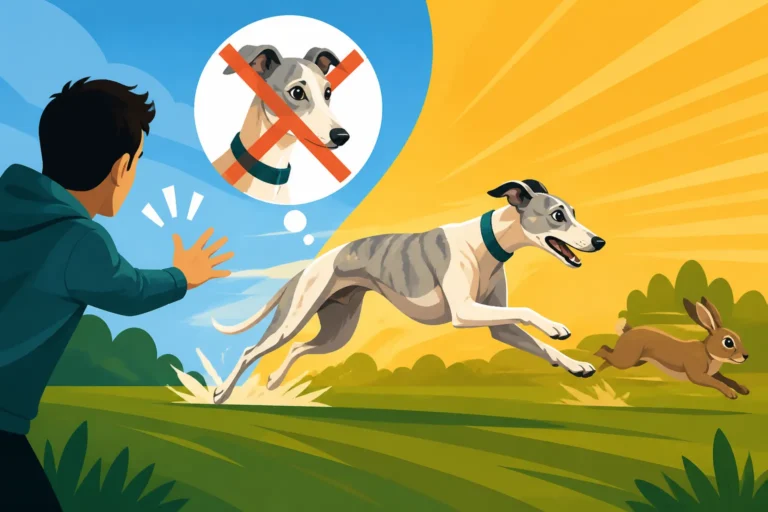
Ah, the Whippet recall! This is perhaps the holy grail of Whippet training, and also one of the most fraught areas for owners. Whippets possess an incredibly strong prey drive, and when something catches their eye – a squirrel, a leaf blowing just right, or another dog darting off – that instinct can completely override any training they’ve had. Why a Whippet's Chase Instinct Overrides Its Recall It’s not that they don’t know the command; it’s that the primal urge to chase is so powerful, it floods their brain, making them temporarily deaf to your calls.
Trying to force a recall with harsh words or physical punishment after they've ignored you is utterly counterproductive. It will only teach them that coming back to you means getting in trouble, making them less likely to return next time. Instead, the focus must be on making coming back to you the most rewarding, exciting, and wonderful thing they could possibly do. Start practicing in a very secure, low-distraction environment, ideally with a long line attached to a well-fitting harness or martingale collar. Use ridiculously high-value treats and enthusiastic praise every single time they come, even if you had to prompt them. Play games where you run away from them, calling their name excitedly, then reward them lavishly when they catch up. Build an emergency recall that's only used for urgent situations and is always rewarded with the best treats imaginable. Never call your Whippet for something unpleasant, like going to the vet or ending a fun play session, without an immediate positive follow-up.
House Training: Patience and Positive Reinforcement
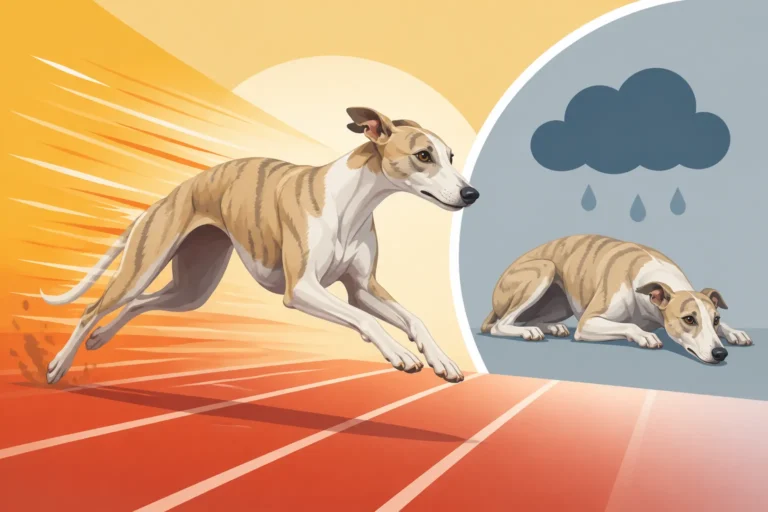
While many Whippets are relatively clean dogs, some can be notoriously tricky to house train. How Hard a Whippet Is to House Train This can be exacerbated by their sensitivity to weather – many Whippets absolutely detest going out in the rain or cold, leading to indoor accidents when the weather is less than perfect. Why a Whippet Refuses to Go Out in the Rain
The key to successful house training with a Whippet is unwavering consistency and positive reinforcement. Take them out frequently, especially after waking, eating, and playing. Go out with them and praise them lavishly the moment they eliminate outside. Make it a celebration! If they have an accident indoors, never punish them. Punishment only teaches them to fear your reaction and hide their accidents, making the problem harder to solve. Instead, calmly clean it up with an enzymatic cleaner and resolve to take them out more frequently. You might consider a covered potty area or a warm coat for those rainy or chilly days to make outdoor excursions more appealing. For young puppies, consistency with crate training can also be very helpful, as dogs are generally reluctant to soil their sleeping area. Whether a Whippet Can Be Crate Trained
Leash Manners: Gentle Guidance, Not Force
Whippets can be strong pullers, especially if they catch sight of something interesting or are simply excited to be out. Their lean build belies their surprising strength when they put their mind to chasing. However, attempting to correct pulling with harsh leash jerks or forceful commands will likely result in a shut-down Whippet, or one that pulls even harder in defiance or fear.
Instead, focus on teaching loose-leash walking through gentle guidance and consistent positive reinforcement. Use a comfortable martingale collar or a front-clip harness to manage pulling without causing discomfort. The moment your Whippet's leash goes slack, mark it with a "yes!" or a click, and reward them. If they pull, simply stop walking. Stand still, like a tree, until the leash loosens, then reward and continue. This teaches them that pulling gets them nowhere, but a loose leash earns them forward momentum and treats. Practicing this in quiet areas first, then gradually introducing more distractions, will help them generalize the behavior. Teaching them to yield to gentle pressure on the leash, rather than resist it, is also a valuable skill. It's a dance, not a tug-of-war, and your Whippet will respond far better to a partner than an opponent.
Building a Strong Bond Through Gentle Training
Training isn't just about teaching commands; it's about building a profound connection with your dog. For a sensitive breed like the Whippet, this connection, built on trust and mutual respect, is the very bedrock of their learning and overall happiness. When training is approached with gentleness and understanding, it strengthens the human-animal bond in ways that traditional, pressure-based methods simply cannot.
Trust as the Foundation of Learning
Imagine trying to learn something new from a teacher you fear or distrust. You'd likely be anxious, hesitant, and constantly on edge, making it incredibly difficult to absorb new information. The same is true for your Whippet. When training is consistently positive, fair, and free from punishment, your Whippet learns to trust you implicitly. They see you not as a source of unpredictable corrections or discomfort, but as a benevolent guide, a provider of good things, and a safe harbor.
This trust is absolutely foundational for a Whippet's willingness to learn. A dog that trusts its handler is more confident, more eager to try new things, and less likely to shut down or become anxious when faced with a new challenge. It allows them to feel secure in their environment and in their relationship with you, which frees up their mental capacity to actually engage with the learning process. This deep bond of trust extends far beyond formal training sessions; it permeates every aspect of your shared life, making your Whippet a happier, more confident companion. It's about developing a relationship where they look to you for guidance because they know you have their best interests at heart, rather than fearing what might happen if they make a mistake. For some Whippets, this bond might even be particularly strong with one family member over others, reflecting their tendency to form close, individual attachments. How a Whippet Bonds to One Person
The Joy of a Well-Adjusted Whippet
The ultimate reward of gentle, positive training isn't just a Whippet that knows commands; it's a Whippet that is truly well-adjusted, confident, and joyful. A Whippet trained with sensitivity is less likely to exhibit fear-based behaviors, anxiety, or aggression. They are more resilient to new experiences because they've learned that new things, under your guidance, are usually positive. They are more comfortable in their own skin and in the world around them.
This translates into a dog who is happy to engage, eager to explore, and comfortable in various situations. It means less stress for both you and your beloved companion. Imagine a Whippet who happily comes when called because they associate your voice with treats and affection, rather than a dog who hesitates, wondering if they're about to be reprimanded. This kind of relationship fosters a sense of security and belonging for your Whippet, leading to a calmer, more contented life. This positive emotional state contributes significantly to their overall well-being and can even impact their physical health, potentially contributing to a long and healthy lifespan. The Twelve to Fifteen Years a Whippet Lives When you invest in gentle training, you're not just shaping behavior; you're nurturing a happy, confident soul who will bring immense joy to your life for many years.
Beyond the Basics: Advanced Training with a Sensitive Hound
Just because Whippets are sensitive and require a gentle approach doesn't mean they aren't capable of achieving great things in training and dog sports. In fact, their intelligence, athleticism, and desire to please (when properly motivated) make them excellent candidates for a variety of advanced activities. The key, as always, is to maintain a positive, low-pressure approach that celebrates their natural abilities and respects their unique personality.
Agility and Scent Work: Fun for Sensitive Learners
Whippets are incredibly athletic and agile, despite their delicate appearance. While they may not be built for high-impact activities in the same way some heavier breeds are, they can absolutely excel in dog sports that leverage their speed, grace, and keen senses.
- Agility: Whippets often take to agility with enthusiasm, enjoying the challenge of navigating obstacles and working as a team with their handler. The focus should always be on fun and building confidence, not on speed or perfection. Low-impact courses and careful attention to their physical limitations (avoiding excessive high jumps or tight turns that could strain their joints) are crucial. Whether a Whippet Can Do Agility Their ability to jump is impressive, but needs to be managed carefully to avoid injury. Whether Jumping Is Safe for a Whippet Positive reinforcement is paramount here; if a Whippet feels pressured, they will quickly lose interest or shut down. Make it a game, and they'll soar.
- Scent Work: This sport is a fantastic outlet for a Whippet's natural abilities, tapping into their incredible sense of smell in a non-confrontational and rewarding way. While primarily sighthounds, all dogs possess a powerful nose, and scent work allows them to engage this instinct in a focused, independent activity. Whether a Whippet Takes to Scent Work It's mentally stimulating, builds problem-solving skills, and can be done at their own pace, making it ideal for sensitive dogs. There's no pressure to perform perfectly, just the joy of the hunt and the reward of finding the "target" scent.
Therapy Work: Channeling Their Gentle Nature
Many Whippets, with their calm, affectionate demeanor indoors, possess the ideal temperament to become wonderful therapy dogs. Their quiet presence, soft fur, and gentle nature can be incredibly comforting to people in hospitals, nursing homes, or schools.
To become a therapy dog, a Whippet needs a solid foundation of basic obedience, impeccable manners, and a rock-solid temperament. This means they must be comfortable with strangers, various environments, and unexpected sounds, all of which are built through early, positive socialization and desensitization. Training for therapy work must be entirely positive and low-stress, ensuring the dog genuinely enjoys the interactions. They shouldn't be forced into situations they find uncomfortable. With their inherent gentleness and desire for closeness, a well-socialized and positively trained Whippet can bring immense comfort and joy to countless individuals, making them truly special ambassadors of the breed. Whether a Whippet Makes a Therapy Dog
Continuous Learning: Keeping Their Minds Engaged
Just like people, dogs benefit from lifelong learning. Keeping your Whippet's mind engaged with new challenges, puzzle toys, and ongoing training isn't just about preventing boredom; it strengthens your bond and enhances their overall quality of life. Even if you're not pursuing formal dog sports, regularly reviewing known commands, teaching new tricks, or engaging in interactive games can provide valuable mental stimulation.
Puzzle toys, where your Whippet has to figure out how to get a treat, are excellent for independent problem-solving. Learning new tricks, like "weave" through your legs or "fetch" specific toys, keeps their minds sharp and reinforces the joy of working with you. Consistent, positive training throughout their lives ensures that your Whippet remains an engaged, confident companion, eager to participate in whatever adventures you have planned. This ongoing engagement also helps maintain their physical and mental health as they age.
Comparing Training Approaches for Whippets
Understanding the differences between traditional, pressure-based training and positive reinforcement is crucial for Whippet owners. This table highlights why the latter is overwhelmingly superior for this sensitive breed.
| Feature | Traditional/Pressure-Based Training | Positive Reinforcement for Whippets |
|---|---|---|
| Philosophy | Dominance, compulsion, correcting "bad" behavior | Motivation, rewarding "good" behavior, building trust |
| Primary Tools | Choke collars, prong collars, leash jerks, verbal reprimands | High-value treats, praise, clickers, comfortable harnesses/martingales |
| Whippet Reaction | Fear, shutting down, withdrawal, anxiety, avoidance, physical discomfort | Engagement, enthusiasm, confidence, willingness to learn |
| Relationship Impact | Erodes trust, creates conflict, can lead to fear-based aggression or extreme shyness | Strengthens bond, fosters cooperation, creates a happy, confident dog |
| Learning Style | Suppression of unwanted behavior | Encouragement and shaping of desired behavior |
Disclaimer
This article is for general informational purposes only and does not constitute professional advice. Laws, prices and regulations vary by location and change over time. Consult a qualified professional for guidance on your specific situation.