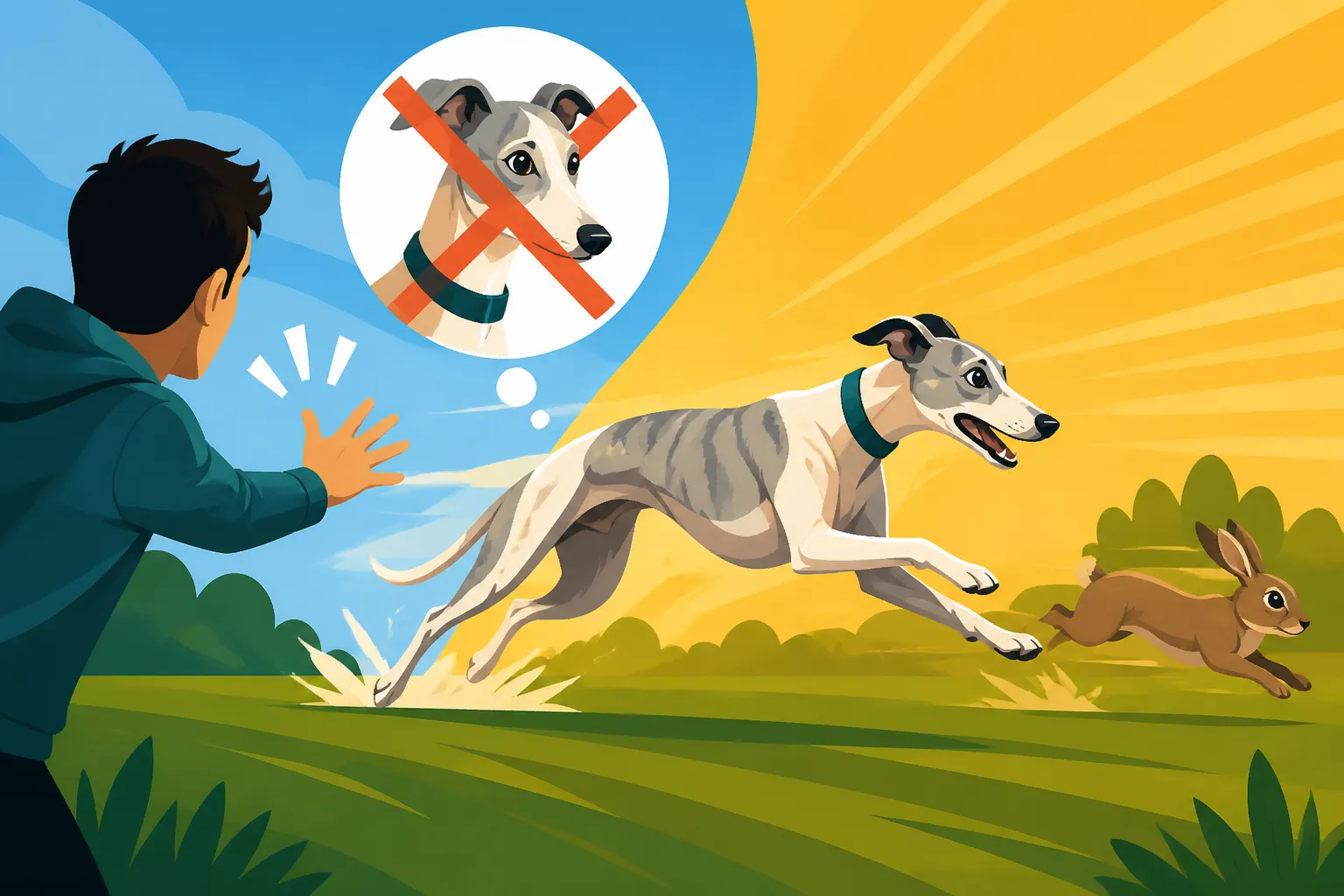
Why a Whippet’s Recall Fails Mid Chase
It's a heartbreaking and terrifying moment for any Whippet owner: you've let your swift, lean companion off-leash, confident in your bond and countless successful recalls, only for a fleeting glimpse of a squirrel or a sudden gust of wind carrying a distant scent to transform them into a deaf, speeding bullet. Suddenly, your carefully taught "come" command is meaningless, and you're left standing alone, heart pounding, wondering if your beloved dog will ever return. This guide is here to help you understand the deep-seated reasons why a Whippet's recall often fails mid-chase and, more importantly, to equip you with realistic strategies to keep your sighthound safe and improve your chances of a successful recall in challenging situations.
The Powerful Instinct Behind the Recall Failure
Understanding why your Whippet goes deaf the moment a chase begins isn't about blaming your dog or your training. It's about recognizing the incredible power of their innate drive. Whippets were bred for speed and sight, for spotting and pursuing prey over open ground. That instinct is a fundamental part of who they are, woven into their very DNA.
The Scent and the Sight Trigger
Imagine a field, vast and open, bathed in the golden light of late afternoon. For most dogs, it's a lovely place to play. For a Whippet, it's a potential hunting ground. Their eyes are designed for scanning horizons, spotting movement at incredible distances. Their noses, while not as renowned as a scent hound's, are still incredibly capable of picking up the faintest trail. When these senses combine to trigger the primal chase instinct, it's like a switch flips in their brain. The visual stimulus of a rabbit darting across the path or the airborne scent of a deer that crossed minutes ago can become an irresistible siren call. This isn't disobedience; it's a hardwired response to an overwhelming sensory input, a testament to centuries of selective breeding that created dogs specifically for this purpose. Their entire being is suddenly focused on that one objective: the chase.
It’s easy to feel personally rejected when your Whippet blows past you, ignoring your increasingly desperate calls. You think, "Don't they love me? Don't they know their name?" But in that moment, the connection to you, the sound of your voice, even the promise of a favorite treat, pales in comparison to the sheer, exhilarating rush of the hunt. This is why attempting to call them back during the peak of a chase often feels utterly futile. Their brain is processing a cascade of information related to pursuit – speed, direction, the movement of the perceived prey – and your voice simply doesn't register above the internal din. It’s not that they don’t care; it’s that their attention is completely hijacked by the most powerful drive they possess.
The "Prey Drive" Rewire
The term "prey drive" sounds almost predatory, and in some ways, it is. For a Whippet, it's the intense, innate desire to detect, chase, and capture. When this drive is engaged, their brain literally prioritizes it above almost all else. Think of it like this: if you were in a silent room and someone whispered your name, you’d hear it. But if you were standing next to a jet engine, that whisper would be completely lost. The prey drive is the jet engine of their instinctual world. It creates a tunnel vision, a singular focus on the moving object. For them, it’s not a game; it’s an ancient, deeply satisfying pursuit. Why a Whippet's Chase Instinct Overrides Its Recall delves deeper into this fascinating neurological process.
This deep-seated drive also means that the reward of the chase itself is incredibly powerful. The thrill of the run, the surge of adrenaline, the potential (even if rarely realized for a pet Whippet) of "catching" something – these are profoundly reinforcing experiences. A tiny piece of chicken from your hand, no matter how delicious, often can’t compete with the raw, visceral pleasure of an unhindered sprint after a squirrel. This is why merely increasing the value of your training treats might not be enough if you're trying to recall them after the chase has already begun. You’re asking them to abandon something incredibly rewarding for something comparatively mundane, at least in that heightened state.
The Sensory Overload
Another factor in the mid-chase recall failure is sensory overload. When a Whippet is sprinting, their body is engaged at a peak level. Their heart rate is soaring, their muscles are working to their maximum capacity, and their senses are flooded with information about their environment and the object of their pursuit. The wind rushes past their ears, the ground blurs beneath their feet, and their vision is laser-focused. In this state of intense physiological and sensory arousal, processing an auditory command like "come" becomes incredibly difficult, if not impossible. It's like trying to have a nuanced conversation in the middle of a rock concert.
Furthermore, a Whippet's hearing, while generally good, isn't always their primary sense for tracking. When their eyes are locked onto a moving target, their auditory processing might simply take a backseat. The nuances of your tone, the urgency in your voice, the distinct sound of their name – all these signals get muddied or lost in the sheer sensory volume of the chase. This isn't a willful act of ignoring you; it's a physiological limitation under extreme conditions. They are, quite literally, "in the zone," and getting them out of it requires a different approach than simple repetition of a command.
Common Mistakes in Recall Training for Sighthounds
Many owners, myself included, have fallen into these traps when training recall. It’s easy to make assumptions based on how other breeds learn, but Whippets often require a nuanced approach due to their unique drives and sensitivities.
Inconsistent Reinforcement
One of the biggest pitfalls is inconsistent reinforcement. If you call your Whippet, and they come back, but sometimes you don't have a truly high-value treat, or you're distracted and don't make a big fuss, you're inadvertently devaluing the recall command. A Whippet needs to associate coming back with the absolute best things in life, every single time, especially in the early stages and when proofing the command. If coming back is sometimes just "okay" or even met with a stern tone because you were frustrated, why would they choose that over the thrill of a chase?
Imagine you’re at a casino, and sometimes the slot machine pays out a small coin, sometimes a medium prize, and sometimes nothing at all. You’d keep playing, right? Now imagine if you sometimes got scolded for playing! It complicates the association. For a Whippet, especially with their independent sighthound nature, the payoff for returning must always be worth it. This means using truly irresistible rewards – think cooked chicken, cheese, hot dogs – and making a huge, enthusiastic fuss every single time they choose to return to you, even if it took a few calls. Inconsistent rewards teach them that coming back is optional, or at best, a gamble with uncertain payout, which is a losing game when competing with a squirrel.
Too Much Too Soon
Another common mistake is pushing for off-leash freedom in environments that are simply too stimulating, too early in the training process. You might have great recall in your quiet backyard, but expecting that to translate immediately to a bustling park with dogs, children, and wildlife is setting your Whippet up for failure. Each new environment adds a layer of distraction, and the prey drive can kick in unexpectedly. Rushing this process can actually damage your recall, as repeated failures teach your dog that the command can be ignored.
Building a reliable recall is a gradual process that requires careful progression. Start in the most boring, distraction-free environment possible, like your living room. Then move to your fenced yard. Only then should you consider a quiet, securely fenced dog park, and always be vigilant. If your Whippet fails to come when called in a high-distraction area, you’ve pushed too far, too fast. This is where tools like a long line, perhaps from Amazon, become invaluable, allowing your dog to experience freedom and practice recall in larger spaces without the risk of them disappearing after a rabbit. Remember, The First Year With a Whippet Puppy is all about laying solid foundations, and patience is truly a virtue when it comes to recall.
Punishing the Return
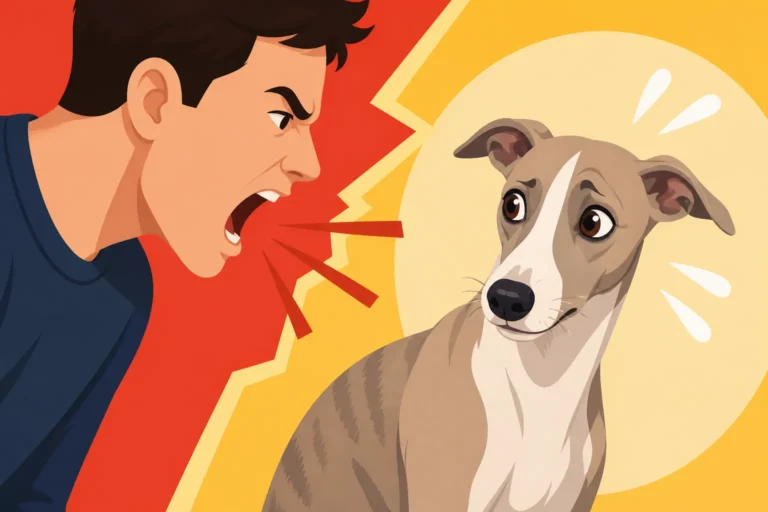
This is perhaps the most damaging mistake of all: punishing your Whippet when they finally do come back, even if it took a while or caused you immense stress. It's natural to feel frustrated, anxious, or even angry when your dog has ignored you and put themselves in danger. But if you scold, grab roughly, or even just sound stern when they return, you teach them that coming back equals something unpleasant. This is a surefire way to break down any hope of a reliable recall. They might come back once or twice, but if the "reward" is a negative interaction, they'll learn to associate returning with punishment, making them even less likely to come next time.
Your Whippet needs to associate returning to you with safety, joy, and the absolute best rewards. If they've been on a self-rewarding chase, and then finally respond to your call, that moment is critical. Shower them with praise, offer that prime piece of chicken, and make it a celebratory event. Even if your heart was in your throat, you must present a calm, happy, rewarding demeanor. This positive reinforcement solidifies the idea that returning to you is the best possible outcome, reinforcing the desired behavior regardless of the preceding chase. How a Whippet Learns When It Bruises From Pressure highlights their sensitivity, making positive reinforcement even more crucial.
Strategies to Build a Bulletproof Whippet Recall
While a "bulletproof" recall is a lofty goal for a sighthound, especially mid-chase, you can absolutely build a highly reliable one that dramatically improves their safety and your peace of mind. It takes consistency, high-value motivation, and a deep understanding of your Whippet's instincts.
High-Value Rewards are Key
I cannot stress this enough: for a Whippet, your recall reward must be epic. Forget boring kibble. We're talking about tiny pieces of cooked chicken, cheese, steak, or anything else they go absolutely bonkers for. The reward needs to be so good that it can, in time, even compete with the thrill of a distant squirrel. And it needs to be delivered immediately upon their return. The moment their paws are near you, that treat should be in their mouth, followed by effusive praise.
Think about what truly motivates your Whippet. Is it a squeaky toy? A vigorous game of tug? A specific type of human attention? Whatever it is, reserve it only for recall. Don't use these high-value items for other commands. This exclusivity elevates the importance of the recall command, making it stand out from all other requests. If your Whippet knows that "come" means guaranteed deliciousness or their favorite playtime, they'll be far more inclined to interrupt even a nascent chase to get back to you. I've found that having a small pouch of these special treats always on my person, ready for immediate deployment, makes all the difference.
Controlled Environments First
The path to a reliable recall starts small and controlled. Begin practicing in your home, then your securely fenced yard, gradually increasing distractions very slowly. Never test your recall in an open, unfenced area until you are absolutely certain it's solid in every less-distracting environment imaginable. A long training line, again, easily found on Amazon or Chewy, is your best friend during this phase. This allows your Whippet to get some distance and practice the recall without the risk of an actual escape.
When you move to more stimulating environments, such as a quiet field with no visible wildlife, keep your Whippet on the long line. Let them explore, but interrupt them frequently with your recall command, rewarding heavily when they return. If they don't respond, gently reel them in with the line, and then reward them, still making it a positive experience. This teaches them that ignoring you still results in coming back, but without the negative association of being "caught." Gradually, you can test shorter periods off-line in truly safe, contained spaces. Remember, Where a Whippet Can Safely Run Off Leash is an important consideration.
Emergency Recall: A Separate Command
For sighthounds, it’s often wise to have two recall commands: your everyday "come" and a separate "emergency recall." The emergency recall should be a unique word or sound that is only used in situations where lives are at stake – a deer spotting, a potential road hazard. This command should be proofed with even higher value rewards and practiced very rarely, but intensely, so it never loses its special power. Teaching a Whippet an Emergency Recall outlines the steps for this critical skill.
To teach an emergency recall, choose a word or sound you never use otherwise, like "Touchdown!" or a specific whistle. Then, for several days, randomly say the word and immediately shove an entire handful of their absolute favorite treats into their mouth, even if they're right next to you. Do this about 10-15 times a day. You're creating an incredibly powerful, almost reflexive, positive association. The idea is that when they hear that word, their brain bypasses all other stimuli and goes straight to "OMG, BEST TREATS EVER!" It’s not meant for casual use, but for those truly critical moments when their prey drive has kicked in and you need them back now.
Using Tools Wisely
A flat buckle collar is almost useless on a Whippet when they put their head down to run; they can slip out of it in seconds. A properly fitted martingale collar is essential for walks and for use with a long line. It tightens just enough to prevent escape without choking them. Why a Flat Collar Slides Off a Whippet's Neck and Whether a Whippet Needs a Martingale explain this necessity in detail.
Beyond collars, consider a well-fitting harness for walks where you want extra security or control. For training, a biothane long line is fantastic because it's durable, doesn't tangle easily, and is easy to clean after dragging through mud. For puppy training, online resources like those from BAXTER & Bella can provide structured courses and support for building foundational behaviors, including recall, in a sighthound-friendly way. Remember, the goal of these tools isn't to control your dog through force, but to ensure their safety while you build reliable habits and trust.
When to Accept the Limits of Recall
Despite our best efforts, it's crucial for Whippet owners to understand and accept that for some sighthounds, an absolutely 100% reliable recall in every single circumstance may simply not be achievable due to their profound prey drive. This isn't a failure on your part, but a realistic acknowledgment of their breed's inherent nature.
Fenced Areas Are Your Friend
The safest way for a Whippet to enjoy uninhibited running and play is within a securely fenced area. Dog parks, private fenced properties, or even renting a sniffspot for an hour can provide them with the freedom they crave without the constant anxiety for you. Ensure the fence is tall enough (Whippets can jump surprisingly well if motivated) and secure at the base. This allows them to stretch their legs, chase phantom squirrels, and interact with other dogs in a controlled environment.
When considering a dog park, always assess the dynamics. Whippets are generally sensitive and can be overwhelmed by boisterous play from larger, more physical breeds. Look for quieter times or designated small dog areas. The peace of mind that comes with a secure fence allows both you and your Whippet to relax and enjoy their zoomies without the looming threat of a bolted recall and a dangerous chase.
Long Lines for Safety
For areas where off-leash running isn't an option, or if your recall isn't fully proofed, a long line (15-30 feet) is indispensable. It gives your Whippet the illusion of freedom while keeping them tethered to you. You can practice recall, allow them to sniff and explore, and still intervene if they spot something interesting and start to bolt. This is not a crutch, but a responsible tool that allows for controlled exercise and continued training in less secure environments.
Teach your Whippet to ignore the line. Let them drag it, and only pick it up when you need to. This prevents them from feeling constantly reined in. Always use a martingale collar or a well-fitting harness with a long line to prevent them from slipping out if they suddenly hit the end of the line. The long line is a bridge, allowing you to gradually introduce more freedom as your Whippet's recall strengthens and your trust in their responses grows.
Managing Expectations
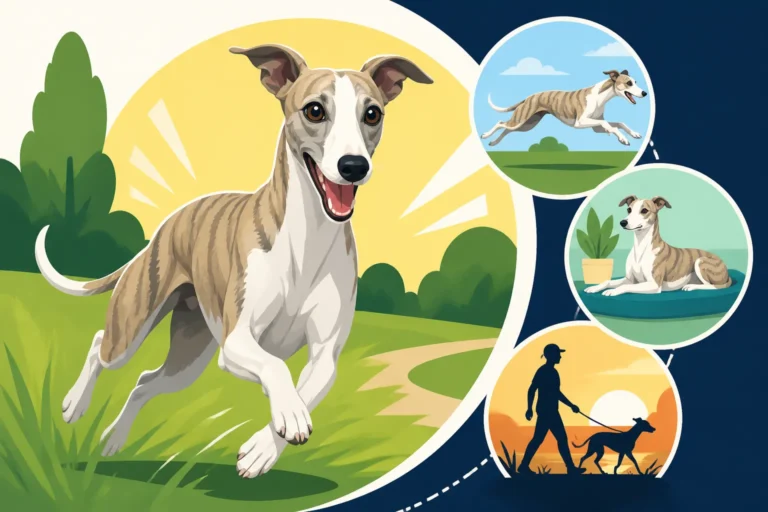
Ultimately, owning a Whippet means managing your expectations about off-leash freedom. While some Whippets achieve near-perfect recall, many will always have that deep-seated instinct waiting for the right trigger. It's about finding a balance between providing them with outlets for their natural drives – like lure coursing, which expertly channels their chase instinct in a safe way (How Lure Coursing Channels a Whippet's Drive) – and recognizing when it's simply too risky to let them off-leash.
Accepting that your Whippet may never be a "off-leash anywhere" dog doesn't mean you've failed; it means you're a responsible owner who understands and respects their unique breed characteristics. Prioritizing their safety and well-being, even if it means more leashed walks or only allowing off-leash play in designated secure areas, is the mark of a truly good Whippet parent. Focus on building a strong bond, providing appropriate outlets for their energy, and enjoying their wonderful, affectionate nature – whether they're racing across a field or curled up on the sofa as The Whippet Is a Forty Mile an Hour Couch Potato.
| Recall Type | Goal | Key Features | Best Use Case | Risk Level |
|---|---|---|---|---|
| Everyday Recall | General obedience, attention | Consistent, high-value rewards | Backyard, quiet park (on long line initially) | Moderate to High |
| Emergency Recall | Interrupt strong drive, immediate return | Unique command/sound, extremely high rewards | High-distraction, potentially dangerous situations | Low (if proofed) |
| "Check-in" Recall | Reinforce proximity, engagement | Random rewards, varied distances | Walks, casual park visits (on leash/long line) | Low |
Disclaimer
This article is for general informational purposes only and does not constitute professional advice. Laws, prices and regulations vary by location and change over time. Consult a qualified professional for guidance on your specific situation.