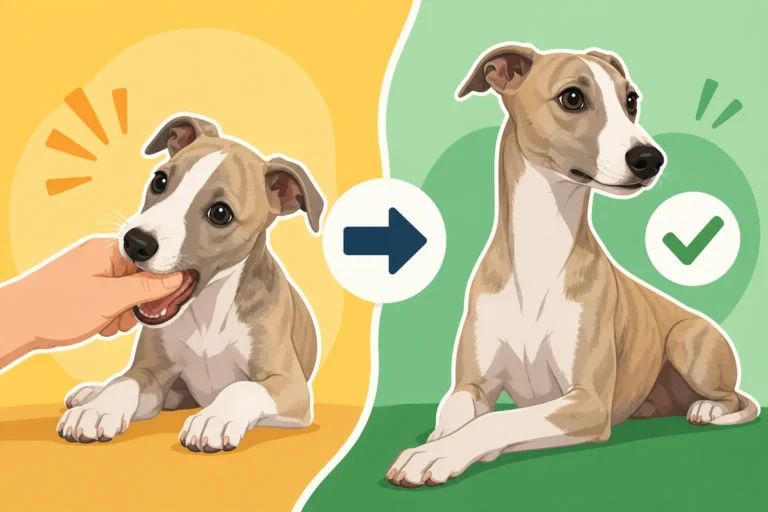
Whether a Whippet Can Do Agility
Many Whippet owners find themselves looking at those incredible agility competitions, watching Border Collies and Shelties fly over jumps, and wondering if their graceful, lightning-fast companion could ever do something similar. It’s a completely fair question, as Whippets are often seen as more of a "sprint and nap" kind of dog, and the intense focus and complex commands of agility might seem a world away from their usual laid-back charm. This guide will dive deep into whether a Whippet can not only do agility but actually excel at it, and what it truly takes to get your lean, leggy friend involved safely and successfully.
The Whippet's Natural Aptitude for Agility
When you think of a Whippet, you probably picture them stretching out in a full-throttle sprint across a field, a blur of elegance and speed. These natural gifts actually make them surprisingly well-suited for certain aspects of agility, but it's important to understand where their strengths lie and where you might need to lean into their unique sighthound personality during training.
Speed and Agility: A Whippet's Superpowers
There's no denying a Whippet's incredible speed. They're built for short bursts of intense acceleration, capable of reaching impressive velocities in a blink. This raw speed is, of course, a massive advantage in agility, where courses are often timed, and getting from one obstacle to the next quickly can shave precious seconds off a run. But it's not just about straight-line speed; Whippets also possess a natural, almost feline agility. They can turn on a dime, weave through obstacles with grace, and adjust their stride mid-air. This inherent coordination means they often pick up the physical mechanics of jumps, tunnels, and weaves with surprising ease. They are truly athletes, designed for explosive movement, and watching a Whippet navigate an agility course with precision and power is a breathtaking sight. They don't just clear obstacles; they float over them, barely touching the ground. This physical prowess is undoubtedly one of their greatest assets in the sport.
The Sighthound Mentality: Focus and Drive
Now, here's where things get interesting, and sometimes a little more challenging, with a Whippet. Sighthounds are, by definition, driven by sight and prey. Their world is often defined by movement and the thrill of the chase. In an agility setting, this can manifest as incredible focus on the task at hand, especially if they are highly motivated by the reward (a squeaky toy, a piece of delicious chicken). They can lock onto a target, whether it's the next jump or their handler's hand signal, and execute with laser precision. However, that same powerful chase instinct can also be a double-edged sword. A sudden distraction – a fluttering leaf, a distant squirrel, or even another dog moving quickly – can trigger their primal drive, causing them to "check out" of the course. This isn't stubbornness; it's instinct.
Understanding Why a Whippet's Chase Instinct Overrides Its Recall is crucial when training for agility. You'll need to develop an emergency recall that is proofed against high-level distractions. The good news is that Whippets, despite their independent nature, are often very eager to please their chosen person, especially if the training is fun and rewarding. They respond exceptionally well to positive reinforcement, and finding What a Whippet Will Work For will be key to harnessing their focus and channeling their drive onto the agility course. Consistency and building a strong working relationship are far more effective than any harsh correction, which can cause a sensitive Whippet to shut down completely.
Understanding the Whippet's Physical Considerations in Agility
While Whippets are incredibly athletic, their unique physical structure and delicate nature mean that certain aspects of agility training need careful consideration to ensure their long-term health and safety. You can't just throw them into a high-impact routine without proper preparation.
Conformation: Built for Speed, But What About Jumps?
A Whippet's body is a marvel of engineering for speed. Their deep chest, narrow frame, and arched back (the "roach") are perfectly designed for powerful propulsion and minimal wind resistance. However, these features also mean they don't have the same robust, compact build as some other agility breeds. Their long, slender legs and fine bone structure are efficient for running but can be more susceptible to injury if not properly conditioned. Jumping, in particular, requires strong core muscles and good body awareness to land safely and avoid strain. While they can easily clear obstacles, repeated hard landings on unforgiving surfaces could be detrimental over time.
This is why proper warm-up and cool-down routines are non-negotiable for a Whippet in agility. Before any intense activity, make sure to follow advice on Warming Up a Whippet Before It Runs, and afterward, ensure a good Cooling a Whippet Down After a Sprint. Their thin skin, which gives them that sleek profile, is also quite delicate. The Thin Skin That Sends a Whippet to the Vet for Stitches is a real concern if they catch themselves on equipment, so always inspect agility gear for sharp edges or splinters. They are hardy in their own way, but vigilance is key.
Joint Health and Injury Prevention
A common concern for any dog in a high-impact sport like agility is joint health. While Whippets are generally a sound breed, injuries can happen, especially with the repetitive motions of jumping, weaving, and quick stops and starts. Muscle Pulls in a Whippet are a possibility, particularly if they haven't been properly conditioned or if they're pushed too hard too soon. It’s also important to consider Whether Jumping Is Safe for a Whippet at various ages and with different intensities. Young puppies, whose growth plates haven't closed, should never be allowed to do full-height jumping or repetitive, high-impact maneuvers. Structured training should begin gradually, focusing on body awareness and low-impact exercises before progressing to higher obstacles.
Many owners choose to consult with a veterinarian or a canine sports physiotherapist before starting agility, especially if their Whippet has any underlying health conditions. Investing in high-quality, safe agility equipment, even for backyard practice, can also make a huge difference in preventing injuries. Look for equipment with adjustable heights, secure bases, and non-slip surfaces. You can find many great options for home agility setups on platforms like Amazon, offering everything from practice weave poles to collapsible tunnels that are easy to set up and take down. Safety always comes first, allowing your Whippet to enjoy the sport for years to come.
Training Your Whippet for Agility Success
Training a Whippet for agility isn't quite the same as training a working breed, and that's perfectly okay! Their unique temperament and learning style mean you'll need to adjust your approach to get the best results. Patience, positivity, and understanding their individual quirks are your most valuable tools.
Positive Reinforcement: The Whippet Way to Learn
Whippets are incredibly sensitive souls. They don't respond well to harsh corrections, yelling, or heavy-handed training methods. In fact, such approaches can cause them to become stressed, shut down, or even develop an aversion to training altogether. If you want your Whippet to thrive in agility, embrace positive reinforcement with gusto! This means rewarding desired behaviors with high-value treats, enthusiastic praise, or a favorite toy.
Think about it: How a Whippet Learns When It Bruises From Pressure isn't by being pushed or corrected harshly. They learn by associating actions with positive outcomes. When they successfully navigate a jump, praise them like they just won the Olympics! When they conquer the weaves, throw a party. This builds confidence and makes training a fun, engaging game for them. Whippets generally enjoy working with their people, but they need to feel safe, respected, and like they're having a good time. Many online training platforms, such as BAXTER & Bella, offer fantastic positive reinforcement-based courses that can be adapted for sighthounds, focusing on building a strong relationship and clear communication without any force or intimidation.
Starting Young: Building Foundations Safely
Just like human athletes, Whippets need to build a strong foundation before diving into advanced maneuvers. If you have a Whippet puppy, resisted the urge to push them into jumping or high-impact activities too soon. Their bones and joints are still developing, and undue stress can cause long-term damage. Focus instead on puppy classes that emphasize socialization, basic obedience, and body awareness. Introduce them to different surfaces, wobbly platforms, and low obstacles like cavaletti poles to build confidence and coordination without strain.
Once they're old enough (typically around 12-18 months, depending on the individual dog and your vet's advice), you can gradually introduce agility equipment at very low heights. How Quickly a Whippet Learns can be impressive, especially when they're having fun, but remember that Whether Short Sessions Suit a Whippet is almost always yes! Keep training sessions brief (5-10 minutes for puppies, 15-20 for adults), fun, and end on a high note. This keeps them engaged, prevents boredom, and ensures they always look forward to their next training session. Break down complex obstacles into small, achievable steps, rewarding each tiny success along the way.
Overcoming Common Agility Hurdles
Even with their natural athleticism, Whippets can face a few unique challenges in agility. Their sighthound nature means they can sometimes be more interested in what's happening outside the ring than the course itself. Their drive to chase can make it hard for them to maintain focus on the handler. To combat this, you'll need to make yourself the most exciting thing on the course. Use enthusiastic voice cues, dynamic body language, and those super high-value rewards we talked about earlier.
Another hurdle can be their sensitivity to surfaces or unusual equipment. Some Whippets might be hesitant about contact obstacles like dog walks or A-frames due to their open grating or perceived instability. Patience and positive association are key here. Start by just walking across the base, then gradually increase the height and introduce the textured surfaces with plenty of treats and praise. Never force a Whippet onto an obstacle they're nervous about; this will only create a negative association. Build their confidence slowly, celebrate every tiny step forward, and they will eventually trust you enough to try anything. Remember, a Whippet’s unique personality isn't a flaw; it's simply a part of who they are, and understanding it will make your agility journey far more rewarding.
Here's a quick look at why Whippets are often a great, albeit sometimes unconventional, choice for agility:
| Trait | Agility Advantage | Potential Challenge | Training Focus |
|---|---|---|---|
| Speed & Acceleration | Quickly covers course distance, exciting to watch. | Can overshoot obstacles or lose control easily. | Precision handling, obstacle discrimination. |
| Natural Agility | Graceful turns, flexible body for tight weaves. | Can be prone to muscle pulls if not conditioned. | Proper warm-ups, core strength, safe landings. |
| Sighthound Drive | Intense focus on moving targets (lure, handler). | Easily distracted by external movement/prey. | High-value rewards, proofing distractions, emergency recall. |
| Sensitivity | Responsive to handler, eager to please. | Shuts down with harsh correction, easily spooked. | Positive reinforcement, gentle handling, fun environment. |
| Lightweight Build | Less stress on joints compared to heavy breeds. | Delicate skin, fine bones susceptible to impact. | Careful conditioning, obstacle safety, vet checks. |
Disclaimer
This article is for general informational purposes only and does not constitute professional advice. Laws, prices and regulations vary by location and change over time. Consult a qualified professional for guidance on your specific situation.