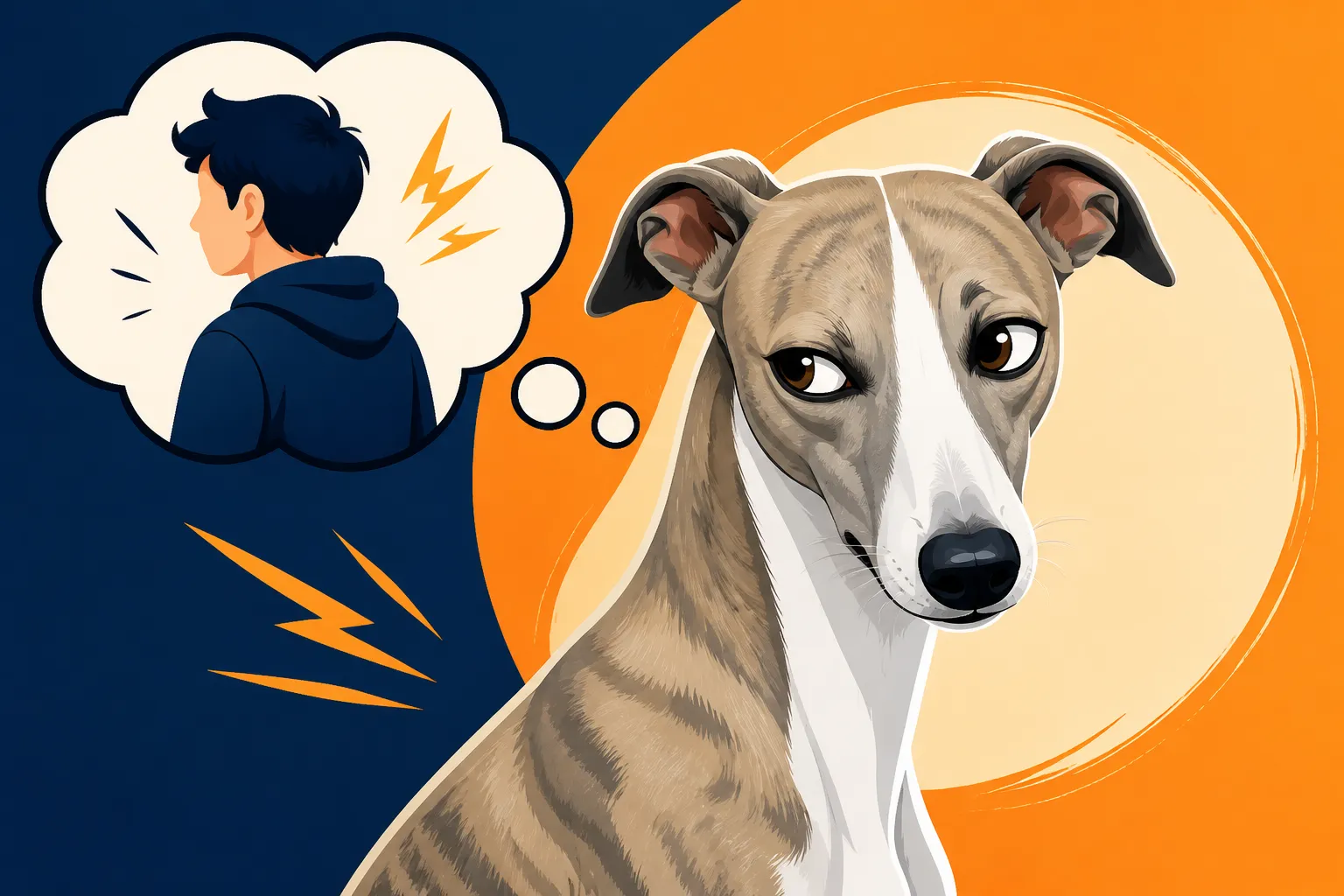
How Long a Whippet Holds a Grudge
Have you ever scolded your Whippet for counter-surfing, only to have them give you the cold shoulder for the rest of the evening? It’s a common experience, and it can leave you wondering if your elegant sighthound is holding a serious grudge. This guide will delve into the sensitive nature of Whippets, dissecting what might appear to be a grudge and offering practical, empathetic strategies to ensure your bond remains strong, even after a disagreement.
Understanding the Whippet Psyche: Do They Truly Hold Grudges?
It’s natural to anthropomorphize our beloved dogs; we project human emotions onto their behavior because it helps us understand them. But when we talk about a Whippet "holding a grudge," we're often misinterpreting their complex emotional responses through a human lens. While they are incredibly intelligent and emotionally rich creatures, their understanding of events and their aftermath differs significantly from ours.
The Myth of the Malicious Miff: Human vs. Canine Emotion
When we imagine holding a grudge, we think of a conscious decision to harbor resentment, to recall a past injustice and actively withhold affection or cooperation as a form of protest or punishment. This requires a level of abstract reasoning, long-term memory for specific slights, and a desire for retribution that simply isn't how a dog's brain works. Your Whippet isn't sitting in the corner plotting how to get back at you for that unwelcome bath. Instead, they're reacting to an immediate negative association, discomfort, or a perceived threat to their safety or comfort. They live very much in the present, even if past experiences color their current reactions. They remember how things made them feel, not necessarily why with a detailed narrative.
Whippets: Sensitive Souls, Not Scheming Masterminds
Whippets are renowned for their gentle, sensitive temperaments. They thrive on routine, calm environments, and positive interactions. Their entire being is geared towards comfort and companionship. Because of this inherent sensitivity, they are particularly susceptible to stress, loud noises, harsh words, or sudden changes in their environment. A sharp reprimand, a sudden startling sound, or even a perceived unfairness can genuinely upset them. This isn't them being "dramatic"; it's a genuine physiological and emotional response to something that has disturbed their peace. They might withdraw, appear dejected, or even seem "shut down" because their sensitive nature is overwhelmed. This reaction might look like a "grudge" because they’re not immediately bouncing back to their usual cheerful selves, but it’s more akin to emotional recovery.
How a Whippet Reacts to a Raised Voice
If you've ever had to raise your voice at your Whippet, you've likely seen their immediate reaction: ears pinned, head down, maybe a quick dart to their safe space. This isn't them contemplating revenge; it's a clear sign of distress. Whippets are incredibly attuned to vocal tones and body language. A raised voice, especially when accompanied by stern facial expressions or sudden movements, can be genuinely frightening for them. They don't understand the words you're saying, but they absolutely understand the emotion behind them. For a sensitive Whippet, a loud or angry tone can trigger a primal "flight" response or cause them to completely shut down. It's not uncommon for them to hide or avoid you for a short period afterward, not because they're punishing you, but because they're trying to avoid a repeat of the unpleasant experience. This is why How a Whippet Reacts to a Raised Voice is such a critical topic for every owner to understand. They learn quickly that certain sounds or gestures from you predict discomfort, and they will try to avoid those predictors.
What Might Look Like a Grudge in a Whippet
It's easy to mistake certain Whippet behaviors for holding a grudge, especially after a less-than-pleasant interaction. Understanding the true motivation behind these actions is key to building a stronger, more trusting relationship.
The "Silent Treatment" After a Scolding
Your Whippet just chewed up your favorite slipper, and you caught them in the act. You let out a frustrated "No!" and maybe pointed a finger. What happens next? Often, they'll retreat, perhaps lie down with a sigh, and might ignore your calls for a while. You might feel like they're giving you the silent treatment, deliberately avoiding you. However, this behavior is usually a combination of genuine upset, confusion, and an attempt to de-escalate the situation. They've learned that your loud voice and body language mean trouble, and they are now associating you in that moment with something negative. This is often described as Why a Whippet Shuts Down When Corrected. Their withdrawal isn't manipulative; it's a self-preservation instinct. They're trying to make themselves small and unthreatening, hoping the "storm" has passed. They are often thinking, "What did I do wrong? How can I avoid this discomfort in the future?" rather than "I'm not talking to them for a week."
Reluctance Following Unpleasant Experiences (Vet, Bath, Nail Trims)
Think about something your Whippet really dislikes: a trip to the vet, a nail trim, or even a bath. After one of these ordeals, they might be hesitant to come to you when called, or they might seem unusually subdued. If you tried to tempt them with a treat right after, they might even turn their nose up. This isn't a grudge against you for making them do it. It's a strong negative association with the event itself and, unfortunately, anyone closely involved in it. For example, if you're the one holding them still for a nail trim, they associate your presence during that event with the discomfort. It's less about them being angry at you personally and more about them trying to avoid a repeat of the uncomfortable sensation.
This is particularly true for vet visits, especially if a Whippet needs a procedure requiring Why a Whippet Needs a Sighthound Anesthesia Protocol. The lingering effects of sedation combined with the unfamiliar environment can make them especially wary. To counteract this, always try to end these experiences on a positive note, even if it's just a favored treat or a quiet snuggle afterward. When it comes to things like Getting a Whippet to Tolerate Nail Trims, consistent positive reinforcement and patience are far more effective than forcing the issue, which can deepen negative associations.
Changes in Behavior After a Perceived "Wrong"
Sometimes a Whippet might act "guilty" or "sulk" after doing something they know is forbidden, like stealing food off the counter. They might avoid eye contact, slink away, or even pee a little. Again, this isn't a conscious display of remorse or a grudge. Dogs don't experience guilt in the human sense. What you're seeing is a reaction to your body language and tone of voice, which they've learned to associate with your displeasure. They anticipate your negative reaction because of past experiences. The slinking away is an appeasement gesture, an attempt to show you they're not a threat and to calm your perceived anger. Whether a Whippet Sulks is a common question, and the answer almost always comes back to this anticipatory fear of your reaction rather than a deep, human-like sulk. They might avoid the area of the perceived transgression or the person who corrected them, but this is a temporary avoidance born of association, not a long-term personal vendetta.
| Behavior Perceived as a Grudge | Actual Canine Motivation | What You Can Do |
|---|---|---|
| Ignoring calls/commands | Fear of repetition/discomfort | Re-establish positive association with commands using high-value treats and calm, happy tones. |
| Hiding or avoiding you | Seeking safety/de-escalation | Give them space, then re-engage with soft voices and gentle invitations to interact. Offer a safe, comfortable spot, like a cozy bed they can burrow into from Amazon. |
| Refusing food/treats | Upset stomach, stress, or aversion to the situation | Don't force it. Offer familiar, appealing food later. If it's a prolonged refusal, consult a vet. |
| "Guilty" look/submissive posture | Anticipation of owner's anger | Focus on training desirable behaviors, not punishing past misdeeds. Redirect with positive reinforcement. |
| Reluctance to repeat an activity (e.g., car ride) | Negative association with the activity itself | Introduce the activity slowly, pairing it with highly positive experiences (treats, praise, favorite toys). |
Rebuilding Trust and Positive Associations with Your Whippet
The good news is that because Whippets don't hold grudges in the human sense, their perceived "miff" is usually short-lived and easily overcome with a bit of patience and understanding. The key is to re-establish positive associations and reassure them.
Gentle Correction and Positive Reinforcement
Harsh discipline can be particularly damaging to a sensitive Whippet. Yelling or using physical punishment will likely only make them more withdrawn and fearful, eroding the trust you've worked so hard to build. Instead, focus on redirection and positive reinforcement. If your Whippet is doing something you don't like, interrupt the behavior calmly and then redirect them to an acceptable alternative, rewarding them generously when they perform it. For instance, if they're chewing on something inappropriate, gently take it away, offer them an approved chew toy, and praise them when they take it. This teaches them what to do rather than just what not to do.
Many online training platforms, such as BAXTER & Bella, emphasize positive, force-free methods that are ideal for Whippets. These programs often provide step-by-step guidance on how to use rewards and praise to shape behavior, which resonates much better with a Whippet's sensitive nature than traditional, more confrontational methods. Remember, Whether Positive Training Alone Works on a Whippet is not just about efficacy; it's about preserving their delicate spirit.
Creating Positive Memories to Override Negatives
After an unpleasant incident, whether it was a vet visit, a loud noise, or a necessary correction, the fastest way to "reset" your Whippet's emotional state is by creating new, overwhelmingly positive memories. This isn't about apologizing; it's about re-associating you and the environment with good things.
Spend some dedicated time engaging in activities your Whippet loves. Go for a sniffy walk in their favorite park, play a gentle game of chase in the yard, or simply curl up on the sofa for a long cuddle session. Offer high-value treats and praise for simply being near you, for coming when called, or for offering a polite sit. Even small, positive interactions throughout the day can chip away at any lingering negative feelings. If they were upset by a specific event, try to create positive experiences around that event. For example, after a vet visit, drive them to a nearby park for a happy walk and some special treats. This helps them link the car ride (and potentially the vet visit itself) to something good.
Consistency and Predictability: The Whippet's Comfort Zone
Whippets thrive on routine and predictability. They are creatures of habit, and knowing what to expect helps them feel secure and confident. Inconsistent training or unpredictable emotional responses from their human can be very unsettling. If one day a behavior is met with anger and the next with indifference, it creates confusion and anxiety for your Whippet. This instability can make them wary and more prone to withdrawal, which, again, might be mistaken for a grudge.
Strive for consistent rules, consistent reactions, and a consistent daily schedule. This doesn't mean you can't be flexible, but try to provide a framework they can rely on. If your Whippet knows that after their morning walk, they always get breakfast and a quiet chew, they will feel much more secure. This kind of stability minimizes anxiety and helps them quickly recover from any minor upsets, reinforcing their trust in you and their environment. When you are consistent with your training, they learn How Quickly a Whippet Learns and feel more confident in their interactions with you.
Preventing Misunderstandings: Proactive Approaches for a Happy Whippet
A little foresight and understanding of your Whippet's unique needs can go a long way in preventing situations that might lead to perceived "grudges" and fostering a truly harmonious home.
Recognizing and Respecting Whippet Sensitivity
Whippets are not German Shepherds or Labradors in miniature; they have a distinct sighthound temperament that demands a different approach. They are generally not tolerant of harsh corrections, loud environments, or boisterous handling. Their thin skin and delicate build also mean they are physically sensitive. Even playful roughhousing from a well-meaning child or another dog can sometimes result in injury or distress. Why Harsh Handling Ruins a Whippet is a truth every Whippet owner should internalize.
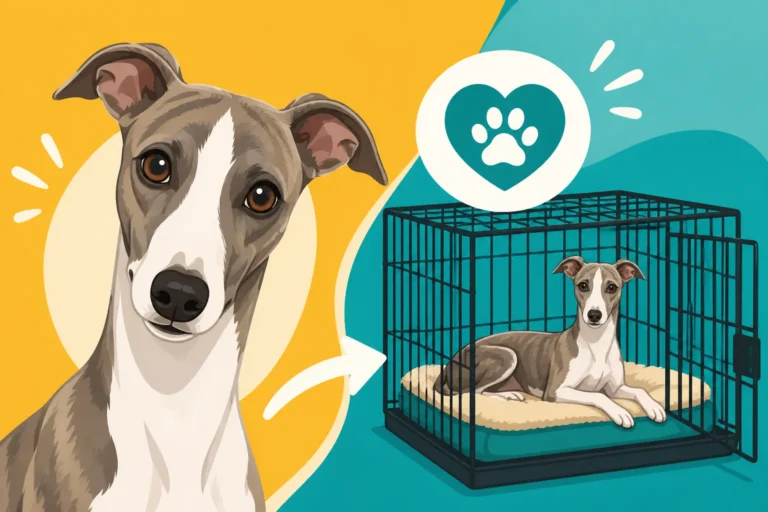
Educate family members and visitors about your Whippet's sensitive nature. Encourage calm interactions, gentle petting, and a quiet tone of voice. Provide plenty of soft, comfortable beds in quiet corners of the house where they can retreat if they feel overwhelmed. Having a designated "safe space", perhaps a crate lined with a plush bed from Amazon, can be invaluable for a Whippet who needs to decompress. Remember, their comfort and emotional well-being are paramount.
The Importance of a Calm and Stable Environment
A chaotic or constantly changing environment can be incredibly stressful for a Whippet, leading to anxiety, insecurity, and behaviors that might be misinterpreted as stubbornness or a "grudge." This could manifest as reluctance to engage, excessive sleeping, or even minor behavioral regressions like house-soiling (though this is rare for a well-trained Whippet).
Work towards creating a calm, predictable, and stable home life. This means:
- Routine: Stick to consistent feeding, walking, and potty schedules.
- Quiet spaces: Ensure your Whippet always has a comfortable, quiet place to relax, away from high-traffic areas or loud noises.
- Consistent rules: Everyone in the household should be on the same page regarding what the Whippet is allowed to do and not do. This removes confusion and builds confidence.
- Enrichment: Provide mental stimulation through puzzle toys, sniff walks, or short, fun training sessions. This helps prevent boredom, which can sometimes lead to undesirable behaviors that then elicit a "correction."
- Socialization: While sensitive, early and positive socialization is crucial for Whippet puppies to grow into confident adults. Expose them to new sights, sounds, people, and friendly dogs in a controlled, positive way. Remember, Socializing a Whippet Puppy needs to be handled with care to avoid overwhelming them.
By focusing on understanding your Whippet's unique psychology and prioritizing gentle, positive interactions, you'll find that any "grudges" are quickly forgotten, replaced by their characteristic loving devotion and cheerful demeanor.
Disclaimer
This article is for general informational purposes only and does not constitute professional advice. Laws, prices and regulations vary by location and change over time. Consult a qualified professional for guidance on your specific situation.