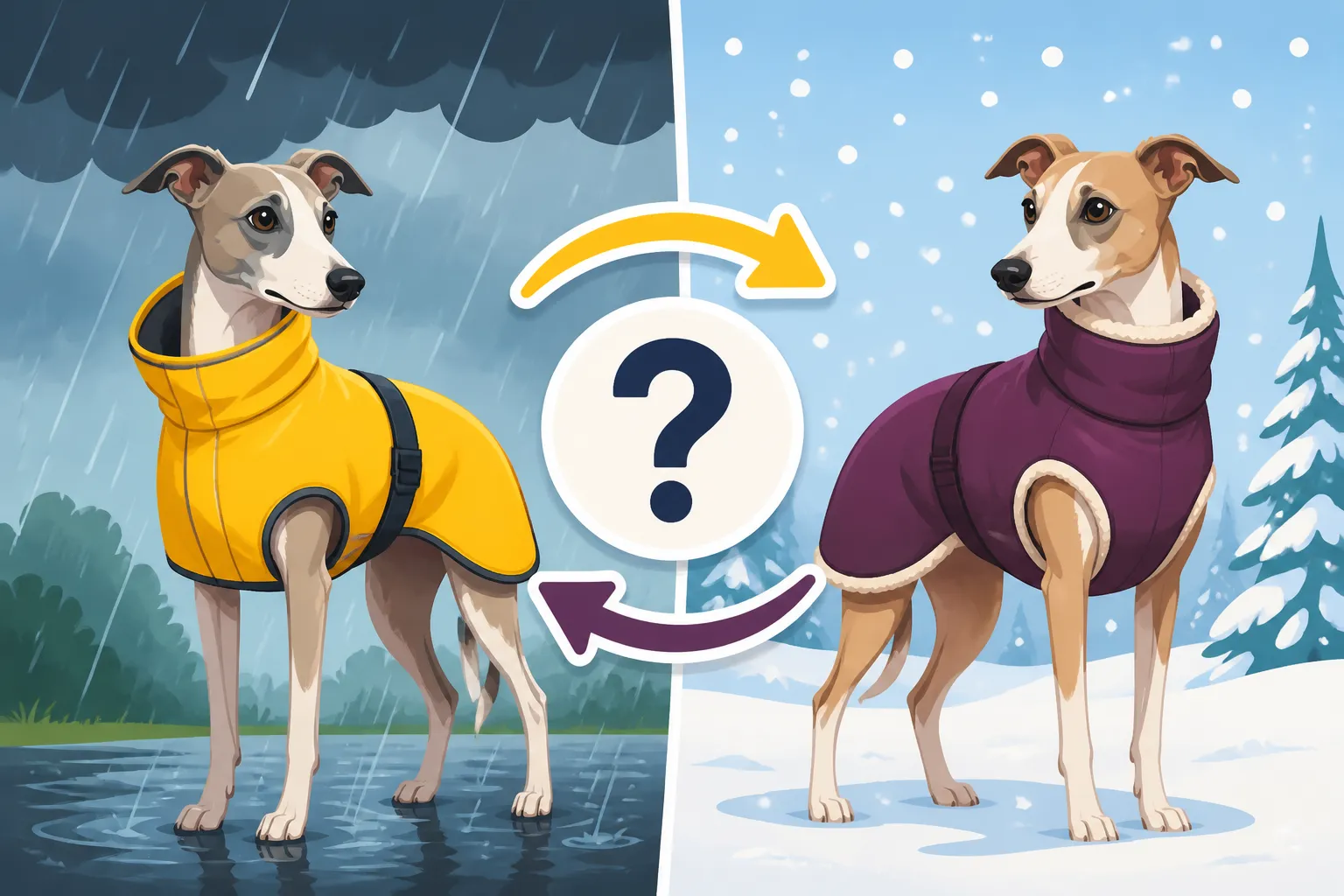
Whether a Whippet Needs a Different Coat for Rain and Snow
One of the most common dilemmas Whippet owners face when the weather takes a turn is figuring out the right outerwear for their slender companions. It’s not just about fashion; it’s about genuine comfort and health. Whippets, with their notoriously thin skin and lack of insulating body fat, simply aren't built to shrug off the elements, and distinguishing between protection for a chilly drizzle versus a snowy wonderland can feel like a real puzzle. This guide will walk you through the nuances of rain and snow coats for your Whippet, helping you understand their specific needs and make informed choices for their well-being.
The Whippet's Achilles Heel: Why Cold and Wet Are a Big Deal
Let's be honest, anyone who owns a Whippet knows they are not exactly built for extreme weather. These elegant creatures thrive in warmth and comfort, often found burrowing under blankets on the sofa. This isn't just a quirky preference; it's a physiological necessity.
Minimal Body Fat and Thin Skin
Unlike many other breeds that come equipped with a thick, dense undercoat or a layer of insulating fat, Whippets are built for speed. This means a streamlined body with very little subcutaneous fat and remarkably thin skin. They are, quite literally, "skin and bones" in the most endearing way. When the temperature drops, they don't have that natural buffer to keep their core warm. You can visibly see their shivers start earlier and last longer than other dogs, especially when they're just standing still. This lack of natural insulation means they lose body heat incredibly quickly, making them highly susceptible to the cold. A Whippet Has No Insulation and No Padding explores this in more detail.
When you think about the feeling of cold, imagine being outside in a light t-shirt when everyone else is bundled in jackets. That's often how a Whippet experiences even mild chill. Their sparse coat offers minimal protection against wind and cold, let alone precipitation. This physical vulnerability means that proper clothing isn't a luxury; it's an essential part of their care, especially if you want to enjoy walks when the weather isn't perfectly sunny and mild.
The Double Threat of Rain and Snow
Now, compound that lack of insulation with moisture – whether it's a persistent drizzle or melting snowflakes – and you have a recipe for discomfort, and potentially, health issues. Rain soaks their thin fur right to the skin almost instantly, stripping away any trapped air that might provide a tiny bit of warmth. Once wet, a Whippet’s body temperature can plummet rapidly, leading to hypothermia, which is a serious concern. It's why many Whippets become The Whippet That Will Not Toilet in the Rain or refuse to even step outside.
Snow brings its own set of challenges. While it might seem less immediately drenching than rain, snow often melts upon contact with their body heat, turning into cold water. Even worse, if snow accumulates on their belly or legs, it can lead to frostbite in extreme conditions. The extreme cold combined with dampness creates a much more intense cooling effect than dry cold alone. Protecting them from both the wet and the cold simultaneously becomes paramount. This is also why Whether an Old Whippet Feels the Cold More becomes a critical consideration as they age and their ability to regulate body temperature further diminishes.
Rain-Specific Protection: Staying Dry in a Downpour
When the skies open up and the rain starts, your primary goal for your Whippet is to keep them dry. A wet Whippet is a cold Whippet, and a cold Whippet is often a miserable Whippet.
What Makes a Good Whippet Raincoat?
A good raincoat for your Whippet isn't just a simple shell. It needs to be designed with their unique physique and sensitivity in mind. First and foremost, waterproofing is key. Look for materials like treated nylon, polyester, or other synthetic fabrics with a waterproof or highly water-resistant coating. The seams should ideally be taped or sealed to prevent water from seeping through.
Beyond the material, the fit is paramount. Whippets have deep chests and slender waists, with an extreme tuck-up. A generic dog raincoat often sags awkwardly, leaving their vital underbelly exposed or restricting movement. A well-designed Whippet raincoat should cover their back from neck to tail, extend down their sides, and critically, provide ample coverage over their chest and belly. Many sighthound-specific raincoats feature a wider chest panel and adjustable straps that conform to their unique shape. Look for models that are easy to put on and take off, as some Whippets can be quite sensitive to handling, especially when you're trying to wrestle them into an unfamiliar garment while they're eager to get out of the downpour. Many owners find brands catering specifically to sighthounds, which often means a better fit right out of the box, avoiding issues where A Flat Collar Slides Off a Whippet's Neck or a harness chafes.
When a Raincoat is Non-Negotiable
Consider a raincoat a non-negotiable item for your Whippet if you live in a region with frequent rainfall, or if you simply want to maintain your daily walk routine regardless of the weather. For many Whippets, stepping out into a drizzle without protection is met with staunch refusal. Imagine you're trying to take your Whippet for their routine walk, and it's just a light rain. Without a raincoat, you'll find them hesitating at the door, trying to lift their paws, or even turning back towards the house. A proper raincoat allows them to perform their necessary potty breaks and get a bit of fresh air without becoming soaked and shivering.
If your Whippet is elderly or has any health conditions, like Mitral Valve Disease Is What Ends Most Old Whippets, keeping them dry becomes even more important to prevent them from becoming chilled, which can exacerbate existing issues. Even a young, healthy Whippet can quickly become uncomfortable and cold if they're out in the rain for more than a few minutes without protection. For daily exercise, if you're not able to guarantee a dry, indoor run, a raincoat ensures they can still stretch their legs without risking a chill.
Snow-Specific Protection: Insulating Against the Chill
When winter truly bites, and snow blankets the ground, simply being dry isn't enough for a Whippet. They need significant insulation to combat the extreme cold.
The Need for Warmth in Snow
A snow coat for a Whippet serves a dual purpose: to insulate against freezing temperatures and to resist moisture from melting snow. The key difference here is the insulation. While a raincoat is primarily about shedding water, a snow coat (often called a winter coat or parka) focuses on trapping body heat. These coats typically feature a fleece lining, synthetic down, or other thermally efficient materials sandwiched between an outer shell and an inner lining. This creates a barrier against the cold air, helping your Whippet maintain a comfortable core temperature.
Think about putting on a heavy winter jacket yourself – it's designed to keep your body heat in. The same principle applies here. Without this extra layer of warmth, a Whippet out in snowy conditions can quickly become stiff, uncomfortable, and develop a noticeable shiver. The insulation helps them retain the heat their lean bodies generate, even when they're not actively running. For walks during deep winter, a warm coat is paramount for their comfort and health. It’s also crucial for older Whippets; Caring for a Whippet Past Ten often involves increased attention to keeping them warm and comfortable.
Addressing the Snow-and-Wet Factor
Snow isn't always dry and fluffy; it can be wet, slushy, and quickly turn into a chilling dampness. Therefore, a good snow coat needs to be water-resistant or waterproof on its outer layer, just like a raincoat, to prevent melting snow from soaking through to the insulating layers. If the insulation gets wet, it loses much of its thermal efficiency, making the coat essentially useless and potentially counterproductive.
So, while insulation is the primary goal, the outer fabric must be able to repel water. This usually means a durable, coated nylon or polyester exterior. Many modern winter coats for dogs feature materials that offer both excellent insulation and strong water resistance. The coverage of a snow coat is also vital; it should cover as much of their body as possible without impeding movement, including a good portion of the belly and chest, and ideally, have a snood or neck warmer to protect their often-exposed necks and ears. This extensive coverage helps prevent Frostbite on a Whippet's Ears and keeps their lean body warm from all angles.
Making the Choice: One Coat or Many?
The question isn't always "rain or snow coat," but "do I need both, or can one do the trick?" The answer often depends on your specific climate and your Whippet's individual tolerance for cold.
The Versatile Winter Coat: When One Might Do
For some Whippet owners, particularly those in milder climates where true heavy snow is rare but cold rain is common, a single, well-chosen multi-purpose winter coat might suffice. These are typically insulated coats with a waterproof or highly water-resistant outer shell. They offer a good balance of warmth and dryness, making them suitable for most chilly, wet, or lightly snowy conditions.
The benefits of a versatile coat are obvious: less clutter, potentially less cost, and fewer decisions to make when heading out. If you live somewhere that sees occasional light snow flurries but primarily cold, rainy winters, a quality insulated, waterproof coat could be a perfect one-and-done solution. Look for features like a cozy fleece lining coupled with a durable, waterproof exterior. When shopping for such a coat, check platforms like Chewy for a wide selection, and read reviews to ensure the specific model truly offers both warmth and reliable waterproofing.
However, it's important to understand the limitations. While a versatile coat might handle light snow, it might not provide enough insulation for prolonged exposure in truly sub-zero temperatures with heavy snow, nor might it be as lightweight and breathable as a dedicated raincoat for warmer, purely wet days. You need to weigh the typical conditions you face.
Tailoring Your Whippet's Wardrobe to Your Climate
For those in regions with distinct, harsh winters (heavy snow, ice, sustained freezing temperatures) and significant rainy seasons, having separate coats for rain and snow often proves to be the most practical and comfortable option for your Whippet. A dedicated raincoat is lighter, allowing for better ventilation on rainy days that might not be bone-chillingly cold. A dedicated snow coat offers superior insulation for those truly frigid days, often with thicker padding and more comprehensive coverage.
Here’s a breakdown of when each approach makes sense:
- Separate Coats: Ideal for climates with extreme variations. For instance, if you experience long periods of freezing temperatures and heavy snowfall, a robust, heavily insulated winter coat is indispensable. Then, for spring and autumn rains when the temperatures are moderate but getting soaked is still a concern, a lightweight, waterproof shell is perfect. This strategy ensures your Whippet is optimally dressed for whatever nature throws at them. This also allows for specialized fit – some snow coats have leg coverings or full belly bibs that a simple raincoat might not need.
- One Versatile Coat: Best for milder climates where extreme cold or heavy snow is infrequent. If your winter primarily consists of chilly, wet days with only occasional light snow, a good quality, insulated waterproof jacket can handle most situations. It might not be quite as warm as a heavy snow parka or as light as a pure raincoat, but it offers a functional compromise.
The key is to observe your specific weather patterns and your individual Whippet's reaction to different temperatures. Some Whippets are more tolerant of cold than others, though generally, their tolerance is low. Whether a Whippet Needs a Coat Below Fifty Degrees is a common concern that highlights this sensitivity.
Essential Fit and Feature Considerations
Regardless of whether you choose one coat or two, the fit is absolutely critical for a Whippet. Their unique body shape – that deep chest, arched back, and tiny waist – means many standard dog coats just don't work.
Key features to look for across all coats:
- Sighthound-Specific Fit: This is probably the most important factor. Look for brands that specifically cater to sighthounds. These coats are cut to accommodate a deep chest without being baggy around the abdomen, and they often have a longer back length to cover their entire spine. A custom fit might seem like an extra expense, but it ensures comfort and effectiveness. Which Coat Brand Fits a Whippet's Deep Chest is a great resource for finding suitable options.
- Adjustability: Straps around the belly and chest should be adjustable to ensure a snug, yet comfortable fit. Velcro closures are common, but buckles or toggles can also work well, especially if they are reinforced.
- Leg Straps: Often overlooked, but crucial. Elastic leg straps (for the hind legs) help keep the coat from shifting or blowing up in the wind, ensuring constant coverage.
- High Collar/Snood: A high collar or an integrated snood helps protect their sensitive neck and ears from cold and wet, which are often overlooked areas. Whether a Whippet Needs a Snood delves into this.
- Reflective Strips: For safety, especially during low-light conditions, reflective elements are a huge plus. Whippets can be surprisingly hard to see at dusk or dawn.
- Leash Access: Ensure there's a convenient and reinforced opening for a leash attachment, whether for a collar or a harness.
When considering costs for these essential items, it's wise to budget appropriately. While you might find some budget options, investing in a high-quality coat that fits well and lasts can save money and discomfort in the long run. Many owners find it beneficial to have pet insurance, like Healthy Paws, to cover unexpected health issues that might arise, but preventing issues with proper clothing is always the first line of defense.
Practical Tips for Outfitting Your Whippet
Even with the perfect coat, getting your Whippet to wear it can sometimes be a challenge. They are sensitive souls, and new sensations can take some getting used to.
Introducing Coats to a Reluctant Whippet
If your Whippet isn't used to wearing clothing, the first few times can be met with suspicion, freezing, or even frantic attempts to remove the offending garment. Patience and positive reinforcement are your best friends here.
- Start Indoors: Introduce the coat inside, in a warm, comfortable environment. Let them sniff it, drape it over them briefly, and immediately reward them with high-value treats (think pieces of cheese or cooked chicken, or even a small portion of their favorite Ollie fresh food).
- Short Sessions: Don't force them to wear it for long periods initially. Put it on for a minute, praise and treat lavishly, then take it off. Gradually increase the duration.
- Associate with Good Things: Only put the coat on right before something they love, like going for a walk, getting a special treat, or playing a favorite game. They'll start associating the coat with positive experiences.
- Practice Makes Perfect: Repeat these steps consistently. Over time, most Whippets learn that the coat means good things are about to happen, or at least that it makes them more comfortable outside.
It's common for a Whippet to act "weird" the first few times – walking stiffly, trying to chew at it, or moving very slowly. Don't worry, this usually passes as they get used to the feeling. If your Whippet is particularly sensitive, consider starting with a very lightweight vest or pajamas to get them accustomed to wearing something. Whether a Whippet Needs a Coat Indoors sometimes comes up if they are very sensitive to drafts.
Maintenance and Care for Whippet Coats
To ensure your Whippet's coats last and remain effective, proper care is essential.
- Cleaning: Most coats are machine washable on a gentle cycle with cold water. Always check the care label provided by the manufacturer. Avoid harsh detergents or fabric softeners, as these can sometimes compromise waterproofing treatments. For waterproof coats, specialized outdoor gear washes can help maintain their water-repellent properties.
- Drying: Air drying is generally best to preserve the integrity of the fabric and any waterproof coatings. Avoid high heat from a dryer, as it can damage synthetic materials.
- Storage: Ensure coats are completely dry before storing them to prevent mold or mildew. Hang them up or fold them neatly to avoid creases that could affect waterproof layers.
- Regular Inspection: Periodically check coats for wear and tear, especially around seams, zippers, and attachment points. Small tears can often be repaired with fabric repair kits, extending the life of the coat.
By investing a little time in care, you can ensure your Whippet's rain and snow protection remains in top condition, ready for whatever the weather brings. After all, a well-cared-for coat means a warm, dry, and happy Whippet ready for their next adventure, no matter the forecast!
| Feature | Primary Raincoat Focus | Primary Snow/Winter Coat Focus |
|---|---|---|
| Main Goal | Keep dry, prevent chilling | Keep warm, prevent hypothermia |
| Outer Material | Waterproof/Highly Water-Resistant | Water-Resistant/Waterproof (for melting snow) |
| Inner Lining | Lightweight mesh or none (breathable) | Insulating material (fleece, synthetic fill) |
| Weight | Lighter weight | Heavier, more substantial |
| Coverage | Good back and belly coverage | Extensive back, belly, chest, neck coverage |
| Insulation | Minimal to none | Significant |
| Breathability | High (to prevent overheating in moderate rain) | Moderate (balance with insulation) |
| Best Use Case | Rainy, chilly, or mild wet days | Freezing temperatures, snow, slush |
Disclaimer
This article is for general informational purposes only and does not constitute professional advice. Laws, prices and regulations vary by location and change over time. Consult a qualified professional for guidance on your specific situation.