Whether a Whippet Is Cheaper to Feed Than a Beagle
It's a common thought that a smaller dog automatically means a smaller grocery bill, especially when you're comparing two breeds that aren't giant dogs like Great Danes. But when you start to look at two distinct breeds like a Whippet and a Beagle, you quickly realize that size alone doesn't tell the whole story about feeding costs. People often assume that the thin, athletic Whippet must eat a ton to maintain its physique, while the sturdy Beagle might seem less demanding. This guide is going to peel back the layers on their unique dietary needs and help you understand which one is truly cheaper to feed, not just in terms of kibble quantity, but overall.
Understanding the Whippet's Unique Dietary Needs
When you first lay eyes on a Whippet, their lean, almost delicate appearance can be quite striking. They're often so trim that some well-meaning strangers might even comment on how thin they look. This often leads new owners to worry they're not feeding their Whippet enough, but the reality is quite different.
The Whippet's Lean Build and Metabolism
Whippets are sighthounds, bred for explosive bursts of speed. Their bodies are masterpieces of efficiency, built for short, intense efforts followed by long periods of rest. This means they naturally carry very little body fat, and you should typically be able to see the last few ribs and feel their hip bones without much padding. This isn't a sign of starvation; it's their healthy, athletic build. Many owners initially struggle with what is considered a healthy weight for these dogs. If you're wondering, you might find reassurance in reading about How Many Ribs Should Show on a Whippet.
Their metabolism is geared towards burning fuel quickly for those sprints, but they aren't dogs that are constantly burning calories throughout the day like, say, a terrier endlessly digging in the yard. They are famously known as "40-mph couch potatoes" for a reason! They sleep a lot, conserving energy. This unique metabolic profile means they don't necessarily need the sheer volume of food that a more continuously active or bulkier breed might require to maintain condition. Their digestive systems are also often quite sensitive, so a consistent, high-quality diet is usually preferred to avoid upset stomachs.
Calorie Requirements: Quality Over Quantity
Because of their efficient metabolism and lean muscle mass, Whippets generally don't require massive amounts of food. What they do require, however, is high-quality nutrition. Their diet needs to support their athletic build, providing ample protein for muscle maintenance and repair, and healthy fats for energy and coat condition. This often means choosing a premium kibble, fresh food option, or a well-balanced raw diet.
While a bag of high-quality food might have a higher upfront cost per pound compared to a generic brand, a Whippet will often need less of it per meal because it's more nutrient-dense. This means that an expensive bag of food can actually last longer than you'd expect, bringing the cost per day or week down significantly. Owners often find that a good quality adult dog food formulated for active breeds works perfectly, providing everything their Whippet needs without having to overfeed. When considering What a Whippet Should Eat in a Month, you'll likely find their requirements are quite manageable.
Avoiding the "Overfeeding" Trap
It's tempting, especially for first-time Whippet owners, to see their dog's lean frame and want to "fatten them up." However, overfeeding a Whippet can quickly lead to health problems. Excess weight puts unnecessary strain on their delicate joints, can exacerbate skin issues, and generally detracts from their athletic grace. Unlike some breeds where a little extra padding might go unnoticed, every extra pound shows on a Whippet.
A veterinarian familiar with sighthounds can provide invaluable guidance on maintaining your Whippet's ideal body condition. They can help you understand what a healthy weight truly looks like for your individual dog and ensure you're not falling into the trap of overfeeding. A great resource for understanding what your vet looks for is What Body Condition Score a Whippet Should Be. Sticking to recommended feeding guidelines from your chosen food brand, and adjusting based on your dog's activity level, is key. Remember, a healthy Whippet is lean, not fat.
The Beagle's Hearty Appetite and Calorie Consumption
In stark contrast to the Whippet, the Beagle is a breed renowned for its robust appetite and sturdy build. While they are similar in size to a Whippet (though generally a bit heavier and more compact), their approach to food and metabolism couldn't be more different.
The Beagle's Breed-Specific Traits and Hunger Drive
Beagles were originally bred as scent hounds, designed to tirelessly track game over long distances. This working history instilled in them a powerful drive to forage and a seemingly bottomless stomach. A Beagle lives to eat, and they are incredibly food-motivated, which can be a blessing for training but a curse for calorie control. They are constantly on the lookout for their next meal or a dropped crumb, making them notorious counter-surfers and masters of begging.
Their energy expenditure is different too. While they might not have the Whippet's explosive sprint, Beagles are known for their endurance and consistent activity, especially when on a scent trail. This sustained activity, combined with their strong food drive, means they often require a consistent intake of calories, and without careful management, they can easily overeat. This constant hunger is a core part of their personality and something every Beagle owner quickly learns to manage.
The Importance of Weight Management in Beagles
Given their inherent love for food and their less discerning palate, Beagles are highly prone to weight gain. It's an all too common sight to see an overweight Beagle, and while they might look "cute and cuddly" with a few extra pounds, those pounds come with significant health risks. Obesity in Beagles can lead to a host of problems, including joint issues (especially in their backs and hips), diabetes, heart disease, and a reduced lifespan.
Strict portion control is not just recommended for Beagles; it's often essential. Owners need to be vigilant about measuring out meals, limiting treats, and resisting those pleading Beagle eyes. Their robust nature means they can typically handle a good quality commercial kibble, but the quantity fed is where the difference lies. A Beagle will readily eat more than it needs, and it's up to the owner to draw the line. Managing a Beagle's weight is often a lifelong commitment to prevent these serious health complications.
Finding the Right Balance for a Beagle's Diet
For a Beagle, finding the "right balance" often means selecting a good quality, complete and balanced dog food and then rigorously adhering to portion sizes. Many Beagles do well on standard adult dog foods, provided the calorie content is appropriate for their activity level. Because they aren't as metabolically sensitive or prone to the same skin tears as Whippets, they might tolerate a wider range of food types.
However, the sheer volume they could eat compared to what they should eat is the challenge. Even if the food itself is inexpensive, if you're constantly refilling their bowl or giving in to treat demands, the costs can add up. It’s not uncommon for a Beagle to consume a larger volume of food daily than a Whippet of similar weight, simply because their appetite is so much more pronounced and their body composition tolerates more padding. This is a key difference when considering the long-term feeding budget for these two breeds.
Breaking Down the Actual Cost Comparison: Food Types and Shopping Habits
When we talk about whether a Whippet is cheaper to feed than a Beagle, it's not just about how much kibble they consume. It’s also about the type of food you choose, the treats you buy, and even the unexpected veterinary costs that can arise from dietary choices.
Kibble, Wet Food, and Fresh Options: Where the Pennies Add Up
The foundation of most dog diets is kibble, and this is where the biggest cost variations typically lie. For both Whippets and Beagles, a high-quality kibble is often the most cost-effective way to provide complete nutrition. Premium kibble brands, while pricier per bag, offer denser nutrition, meaning your dog feels full and gets all their required nutrients with smaller portions. This is particularly true for Whippets, who thrive on this efficiency. For both breeds, you can find excellent dry food options on sites like Chewy, which often offers subscription services and bulk discounts, helping to manage costs.
Wet food, on the other hand, is significantly more expensive per calorie. While it can be a great topper to entice a picky Whippet or to add moisture to a Beagle's diet, feeding it exclusively can quickly inflate your food budget.
Then there's the growing trend of fresh food, with brands like Ollie offering pre-portioned, human-grade meals. This type of diet can be excellent for both breeds, providing highly digestible nutrients and often leading to better coat condition and stool quality. However, the cost per day for fresh food is usually substantially higher than even premium kibble. While a Whippet might eat less volume of fresh food, the per-meal price point remains elevated. The choice between these food types will dramatically sway your monthly bill, regardless of breed. If you're considering something beyond kibble, you might want to look into Whether a Whippet Can Be Fed Raw as an alternative.
Treats, Supplements, and Extras
Treats are another area where costs can add up, and here, the Beagle often takes the lead. Because Beagles are so incredibly food-motivated, many owners use treats extensively for training, enrichment, or simply because those big brown eyes are hard to resist. This can mean a significant chunk of change spent on training treats, dental chews, and recreational chews. If not managed carefully, these extras contribute to weight gain and further feeding costs.
Whippets, while appreciative of treats for training, don't typically possess the same insatiable desire for every morsel. They are also less prone to indiscriminate eating, though they are certainly capable of nabbing something tasty off a low counter if given the chance – a problem explored in The Whippet That Steals Off the Counter. Supplements are generally not needed for a healthy Whippet on a high-quality diet. Beagles, especially if they struggle with weight or age, might benefit from joint supplements, adding another recurring expense. Dental chews are a good idea for both breeds, but perhaps even more critical for Beagles given their higher propensity for dental issues if their diet isn't balanced.
Unexpected Vet Bills Tied to Diet and Weight
Beyond the daily food bowl, diet and weight management can indirectly impact your veterinary bills, and this is where the comparison becomes truly insightful. A well-fed Whippet, maintaining its lean, healthy weight, is less likely to suffer from diet-related issues. While Whippets are prone to Emergency Stitches: the Whippet Bill Nobody Budgets For due to their thin skin, these are generally not diet-related.
However, an overweight Beagle is a prime candidate for a range of health problems that will incur significant vet costs over its lifetime. Joint pain, arthritis, diabetes, and heart strain are all exacerbated by excess weight. Managing these conditions involves ongoing medication, specialized diets, and more frequent vet visits. These costs can quickly dwarf any savings made on a cheaper bag of food. This is where pet insurance, like plans offered by Healthy Paws, can be a game-changer, helping to cover unexpected illnesses and accidents that might arise, indirectly influenced by a dog's general health and weight. Understanding What a Sighthound Vet Costs Over a Whippet's Life can give you perspective on these potential long-term expenses.
The Verdict: Which Hound Lightens Your Wallet More?
After delving into the specific needs and tendencies of both Whippets and Beagles, we can draw some conclusions about which breed tends to be cheaper to feed, though it's rarely a straightforward answer.
The Perceived vs. Actual Cost
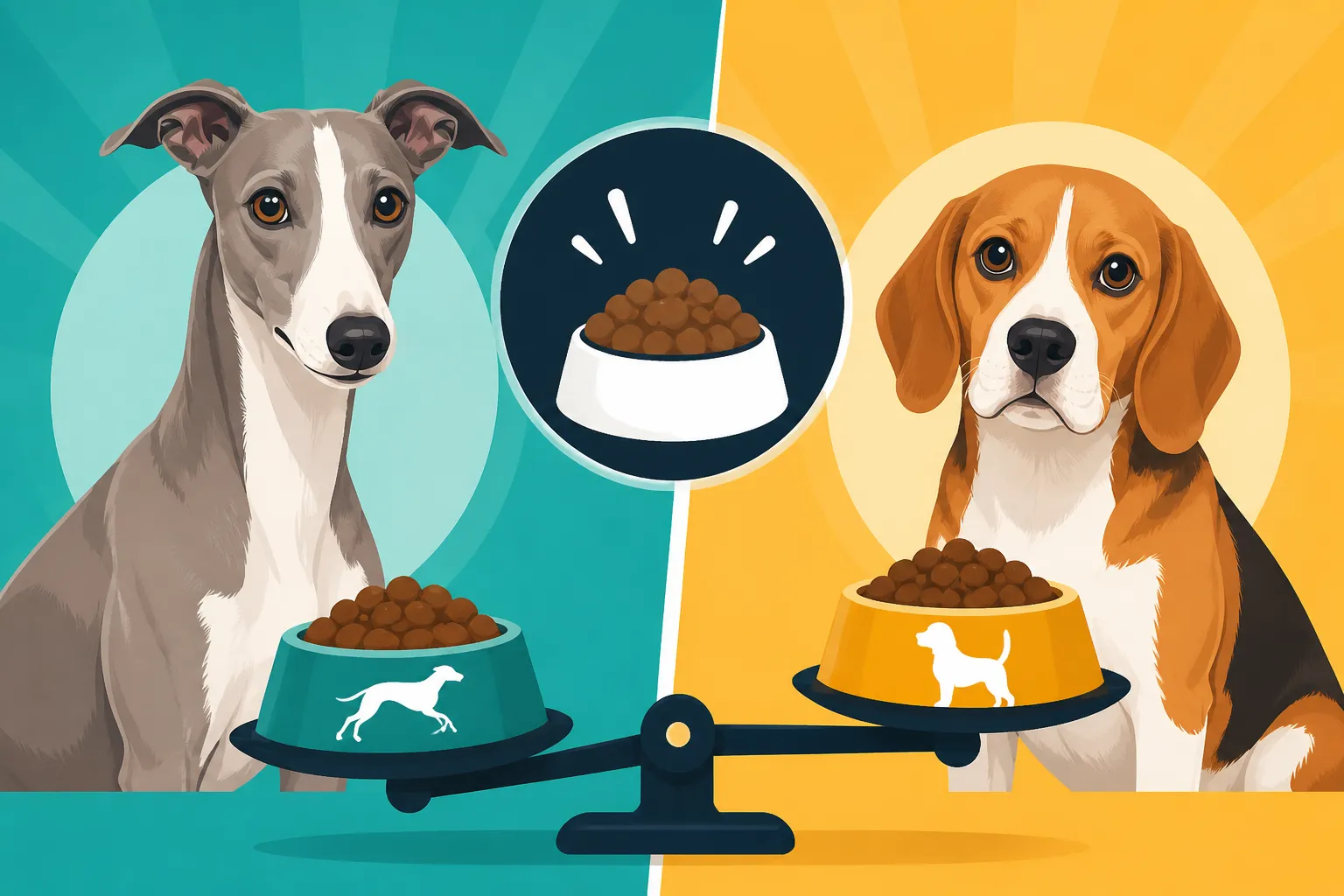
The initial perception that a Whippet, being so slender, must eat more to maintain its weight is often incorrect. Their efficient metabolism means they actually require less volume of food than many people assume. While you might opt for a higher-quality, more nutrient-dense food for your Whippet to support their athletic build and potentially sensitive digestion, that food often lasts longer, bringing the daily cost down.
Beagles, conversely, often appear sturdy and less "needy" in terms of food quality, but their insatiable appetite means they will readily consume a larger volume of food if given the opportunity. The primary challenge, and potential cost driver, for Beagle owners is managing this voracious hunger to prevent obesity. This means strict portion control and resisting the urge to overfeed, which, if neglected, leads to far greater expenses down the line due to weight-related health issues.
| Feature | Whippet (Lean & Athletic) | Beagle (Sturdy & Food-Motivated) |
|---|---|---|
| Typical Appearance | Lean, visible ribs, tucked waist | Sturdy, compact, prone to roundness |
| Metabolism | High-efficiency, burst-and-rest cycles | Sustained activity, constant foraging drive |
| Appetite | Moderate, can be picky, quality over quantity | Voracious, rarely turns down food, quantity focus |
| Calorie Needs | Lower volume of high-quality food | Higher volume, prone to overeating |
| Obesity Risk | Low, if fed appropriately | High, requires strict management |
| Common Health Costs | Injuries (skin tears, muscle pulls), anesthesia sensitivity | Obesity-related (joints, diabetes), dental disease |
| Food Cost Driver | Quality of food chosen | Quantity of food + treats, obesity prevention |
Factors Beyond Breed: Individual Dog, Activity Level, and Food Quality
It's vital to remember that individual differences exist within any breed. An exceptionally active Whippet who participates in regular lure coursing or racing might indeed require more calories than a sedentary pet Whippet. Similarly, a Beagle with a lower drive or a very strict owner might eat less than one who is allowed to free-feed. The average male Whippet weighs around 25-40 pounds, with females being slightly smaller at 20-35 pounds, so individual size also matters when calculating portions. For more on this, you can look at What an Adult Male Whippet Weighs and What an Adult Female Whippet Weighs.
Ultimately, the owner's choices play a massive role. Opting for budget kibble for either breed will keep costs lower initially but might lead to higher vet bills if the nutrition is subpar. Choosing premium fresh food like Ollie for a Whippet will undoubtedly cost more than feeding a standard kibble to a Beagle, even if the Beagle eats a bit more volume. The "cheaper" aspect depends heavily on your philosophy of care and your willingness to invest in preventative health through diet.
Smart Spending: Making the Right Choices for Your Wallet and Your Dog
When it comes down to it, feeding a Whippet often proves to be slightly less expensive on a day-to-day basis, primarily because they require less sheer volume of food and are less prone to weight-related health issues that stack up vet bills. Their efficient bodies simply don't demand as much fuel as the perpetually hungry Beagle. This is one reason why some might say Whether a Whippet Is Cheap to Feed.
To make smart financial choices for either breed, consider these tips:
- Buy in Bulk: For kibble, purchasing larger bags often reduces the cost per pound. Online retailers like Chewy make this easy and deliver right to your door.
- Prioritize Quality: Investing in a higher quality, nutrient-dense food can actually save you money in the long run by requiring smaller portions and potentially reducing future vet visits for diet-related ailments.
- Limit Treats (Especially for Beagles): Be mindful of treat calories. For Beagles, use low-calorie options or portions of their daily kibble for training rewards.
- Regular Vet Check-ups: Ensure your dog is maintaining a healthy weight. Your vet can provide guidance on appropriate portion sizes.
- Consider Insurance: While not directly a feeding cost, pet insurance from providers like Healthy Paws can help cover unexpected health issues that might stem from an inappropriate diet or simply happen to any dog, cushioning the financial blow.
So, while the initial sticker shock of a higher-quality food might make you think a Whippet is more expensive, the reality is often that the Beagle's powerful appetite and propensity for weight gain can lead to higher long-term feeding and veterinary costs. The Whippet, with its "sprint and sleep" lifestyle, is surprisingly economical at the food bowl.
Disclaimer
This article is for general informational purposes only and does not constitute professional advice. Laws, prices and regulations vary by location and change over time. Consult a qualified professional for guidance on your specific situation.