Whether a Whippet’s Stitches Come Out at the Vet
It's always a bit nerve-wracking when your beautiful Whippet comes home from the vet with stitches, isn't it? You've navigated the emergency, the procedure, and now you're left caring for a delicate wound, often with that inevitable question lingering: "Do I have to go back to the vet just to get these stitches out, or can I do it myself?" This guide will walk you through why professional stitch removal is almost always the safest and best course of action for your Whippet, and what to expect during the process.
Understanding Whippet Skin and Healing
Our beloved Whippets are elegant, athletic creatures, but one thing that often catches new owners by surprise is just how delicate their skin can be. It's not like the thick hide of a Labrador or a Mastiff. Their skin is thin, taut over lean muscle, and prone to tears, which often leads to those dreaded emergency vet visits for stitches in the first place.
The Delicate Nature of Whippet Skin
Think about it: a Whippet's skin is designed for speed and flexibility, not for crashing through brambles or shrugging off rough play. It’s almost like tissue paper compared to some other breeds. This means that when they do get a cut or a laceration, it's often quite deep and requires careful closure. Because their skin is so thin and has less subcutaneous fat, healing can sometimes be a bit more of a challenge. There’s less "cushion" to hold sutures securely, and it can be more susceptible to tension if the wound is in a high-motion area. This is why even a seemingly small injury can necessitate a vet visit for stitches, and why subsequent care, including stitch removal, is so important. If you’ve ever experienced one of these incidents, you know the drill – often a rapid trip to the vet because a small tear can gape quite widely. We’ve even got a whole post dedicated to The Thin Skin That Sends a Whippet to the Vet for Stitches because it’s such a common issue.
Different Types of Stitches and Their Removal
Not all stitches are created equal, and understanding the different types can help you grasp why a vet visit for removal is usually the way to go. Generally, stitches (or sutures, as vets call them) fall into a few categories based on their material and how they are used:
- Absorbable vs. Non-Absorbable: Absorbable sutures are designed to dissolve over time within the body and are often used for internal layers of tissue. You won't see these! Non-absorbable sutures, on the other hand, are made from materials like nylon or silk that don't break down and are commonly used for external skin closure. These are the ones you can see and that need to be removed.
- External vs. Internal: External stitches are the ones visible on the surface of your Whippet's skin. They hold the edges of the wound together directly. Internal stitches are placed beneath the skin, often to close deeper layers of tissue, reduce tension on the surface stitches, or stop bleeding. You won't ever need to worry about removing internal stitches yourself.
- Surgical Staples: Sometimes, especially for longer incisions, vets might use surgical staples instead of traditional stitches. These are metal clips that hold the skin edges together and require a special staple remover tool, which only a veterinary professional would have.
The majority of stitches that a Whippet owner would even consider removing at home are the external, non-absorbable kind. However, even these can be tricky, especially if they are placed in sensitive areas or if the wound is complex. Sometimes, a vet might use a combination of techniques, with absorbable stitches just under the skin and non-absorbable ones on the surface. Getting these superficial ones out correctly, without disturbing the deeper healing, is key.
The Vet's Role in Stitch Removal
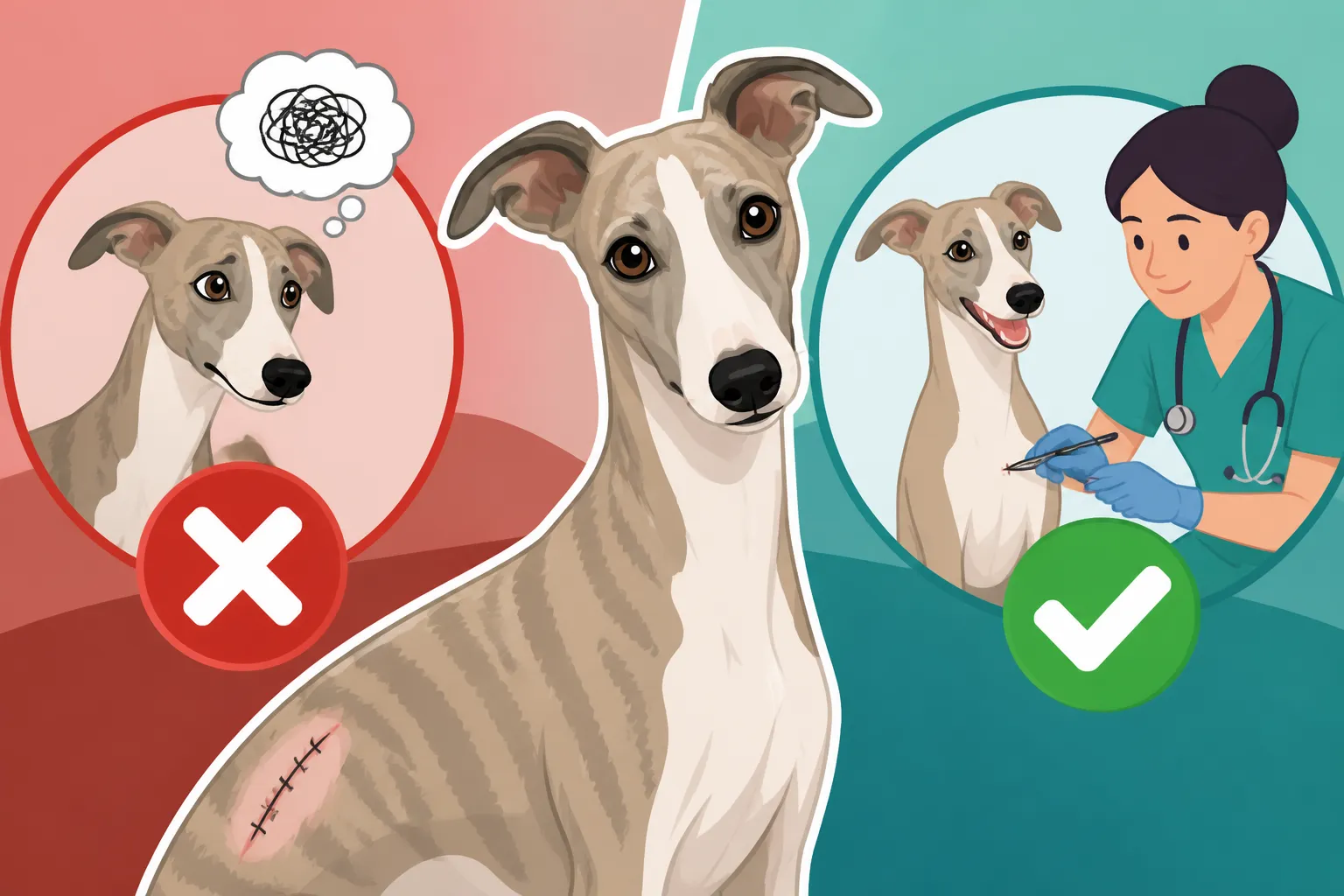
For most Whippet owners, the question of whether to remove stitches at home is quickly answered by a firm "no" from their vet – and for good reason! The veterinary clinic is typically the only place where your Whippet's stitches should be removed.
Why Professional Removal is Usually Best
There are several critical reasons why bringing your Whippet back to the vet for stitch removal is not just a convenience, but often a necessity for their health and well-being.
First and foremost, preventing infection is paramount. A vet clinic is a sterile environment, and veterinary staff are trained in aseptic techniques. They use sterilized instruments and often wear gloves to ensure no bacteria are introduced into the healing wound site. At home, no matter how clean you try to be, it's incredibly difficult to maintain a truly sterile field. Introducing bacteria could lead to a secondary infection, which would mean another vet visit, more medication, and a delayed healing process, not to mention discomfort for your Whippet. We've talked before about Treating a Whippet's Skin Tear, and proper hygiene is always a central theme in preventing further issues.
Secondly, a vet can properly assess the wound healing. Before any stitches are removed, the veterinary technician or veterinarian will meticulously examine the wound. Is it fully closed? Are there any signs of swelling, redness, discharge, or irritation that might indicate an underlying issue? Have all the necessary layers healed? Sometimes, a wound might look closed on the surface but isn't quite ready, or there might be a small area that needs a few more days with sutures in place. Removing stitches prematurely can lead to the wound reopening, a complication known as dehiscence, which is far worse than leaving them in for an extra day or two.
Third, complete and correct removal is crucial. Stitches are often tied with precise knots, and if not cut correctly, a portion of the suture material could be left embedded under the skin. This foreign material can act as a nidus for infection or cause chronic irritation and inflammation. A vet knows exactly where to cut and how to gently pull the suture out to ensure no material remains. Plus, some stitches might be tighter or more embedded than others, requiring a delicate touch to prevent pain or further tissue damage.
Lastly, and this is a big one for our sensitive Whippets, minimizing stress and pain. While stitch removal is generally quick and not overly painful, it can be uncomfortable, especially if your Whippet is already a bit nervous at the vet. Veterinary staff are skilled at handling dogs calmly and efficiently, making the process as stress-free as possible. For very anxious Whippets, they can also provide gentle restraint or, in rare cases, a mild sedative if absolutely necessary. Attempting this at home without proper technique could cause unnecessary pain, leading to a negative association with handling and further complicating future veterinary care.
The Typical Vet Visit for Stitch Removal
So, what actually happens when you bring your Whippet in to have their stitches removed? It's usually a pretty straightforward process, often handled by a veterinary technician, under the supervision of a veterinarian.
- Check-in and History: You'll check in at the front desk, just like any other appointment. The vet tech will likely ask a few questions about how your Whippet has been doing since the surgery or injury, if you've noticed any issues with the wound, or if they've been bothering the stitches. This is your chance to voice any concerns.
- Wound Assessment: Your Whippet will be brought to an exam room (or sometimes a treatment area). The vet tech will gently examine the wound site. They'll look for signs of infection (redness, swelling, discharge), check if the edges are well-apposed, and ensure the skin has healed sufficiently to no longer need the support of the sutures. They'll also check for any signs of discomfort or pain. This is also where they'll decide if all stitches can come out, or if some need to stay a little longer.
- The Removal Process: Using sterile suture scissors (which have a very fine, curved blade designed to slip under the suture without cutting the skin) and forceps, the tech will carefully cut each stitch. They'll typically grab one end of the stitch, lift it slightly, slide the scissors under the knot where the suture enters the skin, and snip. Then, they'll gently pull the thread out. The goal is to remove the entire loop without pulling any part that was exposed on the outside of the skin back through the healing tissue, which could introduce bacteria. It's usually very quick, often taking only a few minutes, depending on the number of stitches.
- Post-Removal Care Advice: Once all the stitches are out, the tech or vet will give the wound one last look and then provide you with post-removal care instructions. This might include advice on keeping the area clean, discouraging licking, and monitoring for any signs of reopening or infection. They might advise avoiding strenuous activity for a few more days, giving the freshly liberated skin time to fully strengthen. This is also where they might remind you about products like Elizabethan collars or soft cones from places like Chewy if your Whippet has been a bit too interested in the healing site, which can be a problem even after stitches are out. We touched on this in Whether a Whippet Should Wear a Cone After Stitches – sometimes the cone is needed even after stitch removal.
Exceptions and Home Care Considerations
While the overwhelming advice is to have a vet remove your Whippet's stitches, there are always unique circumstances, and good home care is vital regardless of who does the removal.
When Home Removal Might Be Discussed (and Why It's Rare)
In almost all cases, the answer to "Can I remove my Whippet's stitches myself?" will be a resounding no from your veterinarian. However, in extremely rare, specific circumstances, a vet might discuss the possibility of home removal with you. These are generally limited to situations where:
- Extremely simple, superficial sutures: We're talking about one or two very simple, surface stitches on a completely healed, non-critical area, where the risk of complications is minimal. Even then, the vet would likely prefer to do it themselves.
- Geographic isolation or severe mobility issues for the owner: If an owner lives in a remote area with no access to veterinary care, or has a severe disability preventing them from transporting their dog, a vet might provide detailed, explicit instructions for home removal over a video call, for example. This is an absolute last resort and would come with significant caveats and warnings about potential risks.
- Absorbable external sutures: Very occasionally, a vet might use absorbable material for superficial skin stitches. If these are designed to dissolve naturally, they won't need manual removal. However, it's essential to confirm with your vet that these are indeed absorbable and don't require any intervention.
Even in these rare instances, the vet would provide explicit, step-by-step instructions, often including what tools to use (always sterile!), how to identify a ready wound, and what signs to watch for that would necessitate an immediate professional intervention. It's truly an exception, not a rule, and never something to attempt without direct, specific veterinary guidance. The risks of infection, incomplete removal, or re-opening the wound are simply too high for our delicate Whippets.
Essential Home Care While Stitches Are In
Regardless of who removes the stitches, excellent home care while the stitches are in is crucial for successful healing and minimizing complications. Your role as a Whippet parent is vital during this period.
- Prevent Licking and Chewing: This is probably the biggest challenge! Whippets are intelligent and often quite determined. Licking, chewing, or scratching at the stitches is the fastest way to introduce bacteria, pull out sutures, or irritate the wound, leading to infection or dehiscence. An Elizabethan collar (e-collar or "cone of shame"), a soft recovery cone, or even a recovery suit can be invaluable. You can find many options on Chewy or at your local pet supply store. Your vet will likely send your Whippet home with one, but sometimes you need to experiment to find the most comfortable option for your individual dog. Whether a Whippet Should Wear a Cone After Stitches is a real question, and the answer is usually yes!
- Keep the Wound Clean and Dry: Follow your vet's specific instructions for wound care. Often, this means keeping the area dry and avoiding baths or swimming until the stitches are out and the wound is fully healed. If the wound gets dirty, a gentle wipe with a clean, damp cloth (or saline solution if recommended) might be appropriate, but always check with your vet first. Don't apply any creams, ointments, or sprays unless explicitly instructed by your vet, as some products can hinder healing or be toxic if licked.
- Monitor for Signs of Complication: Daily checks of the wound are essential. Look for:
- Redness or excessive swelling: Some mild redness is normal, but increasing redness or puffiness is a concern.
- Discharge: Any pus, green or yellow discharge, or foul odor needs immediate veterinary attention. A tiny bit of clear or pinkish fluid might be normal in the first day or so, but anything more is not.
- Heat: The area feeling unusually warm to the touch.
- Pain: Your Whippet shying away from touch or showing signs of discomfort around the wound.
- Missing or loose stitches: If a stitch has come out prematurely, or if the wound edges are gapping, contact your vet right away.
- Difficulty urinating/defecating or eating: While not directly wound-related, these can be signs of systemic issues or pain, and warrant a call to the vet.
- Restrict Activity: Your Whippet might feel fine, but vigorous exercise, jumping, or rough play can put strain on the healing wound and cause stitches to break or the wound to reopen. Keep them on a leash for potty breaks, avoid stairs if possible, and postpone those exciting lure coursing sessions until the vet gives the all-clear. This helps ensure the internal and external layers of the wound have the best chance to mend without being stretched or stressed.
- Administer Medications: If your vet prescribed antibiotics or pain relief, ensure you give them exactly as directed. Finishing the full course of antibiotics is crucial, even if your Whippet seems better, to prevent antibiotic resistance.
Having a well-stocked What Belongs in a Whippet Owner's First Aid Kit can be handy for minor wound care under vet guidance, but for stitches, professional assessment is key.
Costs and Practicalities of Stitch Removal
Understanding the financial aspect of pet care is always important, and stitch removal is typically a part of that larger picture.
What to Expect in Terms of Vet Fees
The cost of having your Whippet's stitches removed at the vet can vary, but it's generally a fairly modest fee compared to the initial procedure that put them there.
Typically, you can expect the following:
- Examination or Consult Fee: Even if it's just for stitch removal, a veterinary professional will need to examine the wound. This usually incurs a basic exam or consult fee. This is important because it covers the professional's time and expertise in assessing the healing, not just the physical act of snipping the sutures.
- Suture Removal Fee: Some clinics may have a separate, smaller fee specifically for suture removal. This covers the materials (sterile scissors, gloves, antiseptic wipe) and the technical skill involved.
- No Charge (Sometimes): Occasionally, if the stitches were placed by the same clinic very recently (e.g., a few days after a major surgery), or if it's part of a broader follow-up plan, the clinic might waive the removal fee or incorporate it into a previous charge. However, this is not a guarantee and shouldn't be expected. Always ask upfront what the anticipated cost will be.
It's important to remember that these costs are usually minimal compared to Emergency Stitches: the Whippet Bill Nobody Budgets For that you might have faced initially. Preventing complications by ensuring proper removal at the vet can save you much more in the long run by avoiding potential infections or further interventions. The precise amount can vary widely based on your geographic location, the specific veterinary clinic, and whether your Whippet needs sedation for the removal (which is rare but can happen for extremely anxious dogs).
Pet Insurance and Stitch Removal
Pet insurance can be a real lifesaver for unexpected veterinary costs, and it's worth understanding how it generally applies to stitch removal.
Most comprehensive pet insurance policies, like those offered by Healthy Paws, will cover the cost of stitch removal if it's part of a covered accident or illness. For example, if your Whippet tore its skin playing in the park (a common Whippet mishap!) and needed stitches, the subsequent removal would typically be covered as part of that "accident" claim. Similarly, if stitches were placed after a covered surgery, their removal would also fall under that.
Here's what to keep in mind:
- Diagnosis and Treatment Connection: The key is that the stitch removal must be directly related to an eligible claim (an accident or illness that was covered by your policy).
- Deductible and Reimbursement: You will still be subject to your policy's deductible and reimbursement percentage. If you've already met your deductible for the initial injury or surgery, the stitch removal cost would then be reimbursed according to your plan's percentage.
- Pre-existing Conditions: If the injury or condition requiring stitches was considered a pre-existing condition (meaning it occurred before your policy's waiting periods or enrollment), then neither the initial procedure nor the stitch removal would be covered. This is why getting pet insurance early, when your Whippet is young and healthy, is so beneficial.
- Elective Procedures: If stitches were part of an elective procedure (like spaying or neutering, which some policies cover but others don't, or if you opted out of routine care coverage), then the stitch removal coverage would depend on your specific policy's terms regarding that elective procedure.
It's always a good idea to contact your pet insurance provider, like Healthy Paws, directly to clarify coverage for any specific procedure, including stitch removal, especially if you're unsure about how it relates to your deductible or any ongoing claims. This can give you peace of mind and help you budget for those sometimes unexpected costs. We've gone into more detail about how this works in Whether Insurance Covers a Whippet's Emergency Stitches.
The Importance of Post-Removal Monitoring
Just because the stitches are out doesn't mean your job is done! The days immediately following stitch removal are still a critical time for ensuring the wound site heals perfectly and doesn't experience any setbacks.
Watching for Complications After Stitches Are Out
Once your vet gives the all-clear and the stitches are removed, the wound site, while appearing closed, is still delicate. It hasn't achieved its full strength yet. It's crucial to continue monitoring the area closely for the next few days to a week.
Here are the key complications to watch for:
- Wound Dehiscence (Reopening): This is perhaps the most significant concern. Without the sutures providing support, the wound edges are held together solely by newly formed tissue, which is still quite fragile. Excessive activity, stretching, or even aggressive licking could cause the wound to partially or fully reopen. If you notice any gapping or separation of the skin edges, even a small amount, contact your vet immediately. This might require restitching, which is certainly something you want to avoid.
- Infection: Even with careful stitch removal, there's always a slight risk of infection if bacteria managed to enter the wound, or if your Whippet immediately starts licking the area excessively. Look for redness that spreads, swelling, warmth, pain, or any discharge (pus, yellow, green). A slight scab might form, which is normal, but anything beyond that could indicate a problem.
- Excessive Licking or Chewing: Your Whippet might feel a strange sensation now that the stitches are gone, leading them to want to lick or chew the area. This can not only introduce bacteria but also irritate the delicate new skin, leading to inflammation and potentially reopening the wound. Continue to use an e-collar, recovery cone, or recovery suit for a few more days if your Whippet shows any inclination to bother the site. It's better to be safe than sorry.
- Suture Reaction (if any were left): In extremely rare cases, if a tiny piece of suture material was inadvertently left behind, it could cause irritation or a localized inflammatory reaction. You might notice a small lump, redness, or a persistent irritation at one specific spot. This would warrant a vet visit to investigate.
Always err on the side of caution. If something doesn't look right, or if your Whippet seems uncomfortable, a quick call to your vet is always the best course of action. They can advise whether you need to come in for another check.
Scarring and Skin Healing
Our Whippets, with their thin skin and fine coats, can sometimes show more pronounced scarring than other breeds, but often, with good care, their wounds heal remarkably well.
Immediately after stitch removal, the wound will likely look like a thin red line. Over the next few weeks and months, this line will gradually fade. The final appearance of a scar depends on several factors:
- Location of the Wound: Wounds on areas with less tension (like the side of the chest) tend to scar less dramatically than those on high-motion areas (like a joint or over the hock).
- Severity of the Initial Injury: A clean surgical incision will typically scar less than a jagged, traumatic laceration.
- Individual Healing: Just like people, some Whippets are just better healers than others.
- Care During Healing: Keeping the wound clean, dry, and protected from licking during the entire healing process (before and after stitch removal) significantly contributes to a better cosmetic outcome.
In many cases, after several months, the scar on a Whippet might be barely noticeable, often appearing as a thin line of slightly altered hair growth or pigment. However, some scars might remain more prominent, especially if the wound was large or became infected. While it’s rare for a Whippet’s skin to "heal slowly" in a concerning way, their thin skin sometimes means scars can be more visible than on a fluffier dog. How Slowly a Whippet's Skin Heals can give you more insight into this process generally.
Don't be surprised if the fur over the scar grows back slightly differently (thicker, thinner, or even a different color), or if the skin itself looks a bit tougher or smoother. This is a normal part of scar tissue formation. The most important thing is that the skin is healthy, intact, and free from pain or infection.
Remember, a scar tells a story of an adventure (or misadventure!) your Whippet had, and it's a testament to the care you provided and the vet's expertise in getting them patched up and back to their zoomie-loving selves.
| Stitch Type | Location | Removal Method | Typical Who Removes It | Why Professional is Best |
|---|---|---|---|---|
| Absorbable | Internal (sub-dermal) | Dissolves naturally | N/A | No removal needed |
| Non-Absorbable | External (skin surface) | Manual cutting and pulling | Veterinarian/Vet Tech | Sterile environment, complete removal, wound assessment, patient comfort |
| Surgical Staples | External (skin surface) | Special staple remover tool | Veterinarian/Vet Tech | Requires specific tool, proper technique to avoid discomfort and incomplete removal |
| Absorbable | External (skin surface – rarely) | Dissolves naturally (confirm with vet) | N/A (unless advised by vet to assist) | Confirming they are indeed absorbable and no intervention needed |
Disclaimer
This article is for general informational purposes only and does not constitute professional advice. Laws, prices and regulations vary by location and change over time. Consult a qualified professional for guidance on your specific situation.