When a Whippet Gets Arthritis
It’s a heartbreaking reality for many Whippet owners: one day your agile, graceful companion starts to slow down, hesitates before jumping, or seems stiff after a nap. We often dismiss these subtle changes as just "getting old," but they could be the early whispers of arthritis, a common and often painful condition that impacts our beloved sighthounds as they age. This guide will walk you through what arthritis looks like in Whippets, how you can help manage their comfort, and what proactive steps you can take to support their joint health throughout their lives.
Understanding Whippet Arthritis: More Than Just "Old Age"
Arthritis, or osteoarthritis, is a progressive and degenerative joint disease that can affect any breed, but it presents unique challenges and considerations for Whippets due to their athletic build and often stoic nature. It's not just a wear-and-tear condition; it involves the breakdown of cartilage within the joints, leading to pain, inflammation, and reduced mobility.
The Anatomy of a Whippet's Joints
Whippets are built for speed and agility, with a lean, muscular frame and flexible joints that allow for their signature double suspension gallop. Their long, slender legs and deep chests put particular stress on their hips, knees (stifles), elbows, and spine. Unlike some larger, heavier breeds prone to hip or elbow dysplasia early in life, Whippets generally boast fairly sound structure. However, years of sprinting, sharp turns, and those enthusiastic "zoomies" can take a toll. The cartilage, which acts as a shock absorber and allows for smooth movement, gradually erodes, exposing bone and causing friction. This process leads to inflammation, pain, and changes in the bone structure around the joint, manifesting as bony spurs. Understanding this unique physiology helps us appreciate why certain joints might be more susceptible over time.
Common Causes and Contributing Factors
While age is certainly a primary factor – most Whippets will show some signs of arthritis as they enter their senior years, often around when they are Caring for a Whippet Past Ten – it's not the only one. Genetics can play a role, as can previous injuries. A puppy who was allowed to Whether a Whippet Puppy Should Jump Off Furniture excessively or sprint too intensely before their growth plates closed might have microscopic damage that accelerates joint degeneration later on. Accidents, like a bad fall during play or a Muscle Pulls in a Whippet that didn't heal quite right, can also predispose a joint to early arthritis. Conformation, even within the breed standard, can also contribute. For instance, a Whippet with subtly misaligned patellas (kneecaps) might experience Patellar Luxation in a Whippet, which can eventually lead to arthritic changes. Similarly, while Hip Dysplasia in a Whippet is less common than in some other breeds, any joint abnormality can create uneven wear, speeding up cartilage loss. Obesity, though rare in most Whippets, would also place undue stress on joints, exacerbating the condition.
Spotting the Subtle Signs: Is Your Whippet Hurting?
Whippets are often incredibly stoic. They were bred to run and hunt, and in many ways, they're wired to push through discomfort. This means that by the time you notice overt limping or severe pain, their arthritis might be quite advanced. Learning to spot the subtle, often overlooked cues is crucial for early intervention.
Changes in Movement and Gait
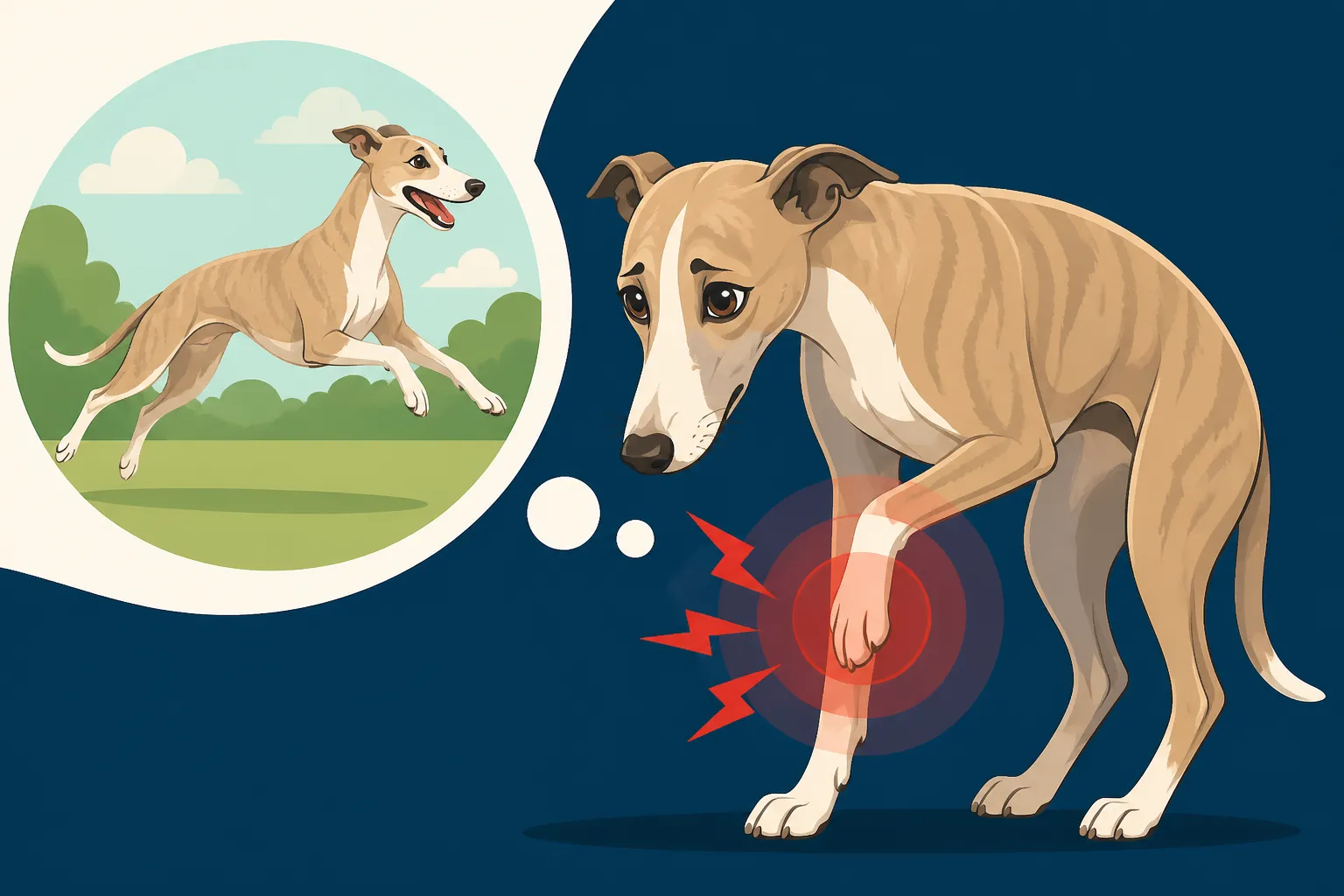
One of the first things you might notice is a slight alteration in their normal movement. Perhaps they seem a bit stiff when getting up after a long nap, or they take longer to settle into a comfortable position. You might see a decrease in their willingness to jump onto the sofa or into the car, or they might struggle a bit more with stairs. That enthusiastic morning stretch might be shorter or less fluid. When they run, their stride might be less elastic, or they might favor one leg without a clear limp. Some Whippets might start "bunny hopping" with their back legs, or their tail carriage might change. They might not be as eager for those long, exhilarating sprints, or they might tire out more quickly during play. Pay close attention to how they move after periods of rest, or on cold, damp days, which often exacerbate joint pain.
Behavioral Clues and Personality Shifts
Arthritis isn't just about physical changes; chronic pain can deeply impact a dog's personality and behavior. A previously affectionate Whippet might become withdrawn or irritable, snapping when touched in a sensitive area. They might avoid interaction with other dogs or even family members if they anticipate pain. An arthritic Whippet might seek out warmer places to lie, or prefer soft beds over hard floors. You might notice changes in their eating habits – sometimes a decrease in appetite, or difficulty reaching their food bowl if it's on the floor. House training issues can even emerge if it's painful to get up and go outside regularly. Some dogs might lick excessively at a painful joint, leading to skin irritation. If your Whippet, usually known for being a The Whippet Is a Forty Mile an Hour Couch Potato but always ready for a burst of speed, suddenly seems less enthusiastic about everything, it's worth considering pain as a root cause.
Diagnostic Process: What to Expect at the Vet
When you suspect arthritis, a trip to your veterinarian is the first step. They'll start with a thorough physical examination, observing your Whippet's gait, feeling their joints for swelling, heat, or pain, and assessing their range of motion. Don't be surprised if your vet asks detailed questions about when you first noticed changes, what makes it better or worse, and your Whippet's typical activity level.
To confirm arthritis and assess its severity, X-rays are usually the go-to diagnostic tool. These images can show changes in joint space, bone spurs, and other signs of degeneration. In some cases, your vet might recommend additional diagnostics, such as blood work to rule out other conditions, or even advanced imaging like an MRI or CT scan for a more detailed look at soft tissues and complex joint structures. Remember, finding a vet who Whether a Whippet Needs a Vet Who Knows Sighthounds and understands the unique physiology of sighthounds can be incredibly beneficial, as their lean body condition and certain bloodwork parameters can sometimes be misinterpreted by vets unfamiliar with the breed. A comprehensive diagnosis allows for a tailored treatment plan, focusing on managing pain and improving quality of life.
Navigating Treatment Options: A Holistic Approach
Managing arthritis in Whippets requires a multi-faceted approach, combining medical interventions with lifestyle adjustments and supportive therapies. The goal is not to "cure" arthritis, as it's a degenerative condition, but to slow its progression, alleviate pain, and maintain the best possible quality of life for your furry friend.
Medical Management: Medications and Supplements
Your vet will likely recommend a combination of medications to manage pain and inflammation. Non-Steroidal Anti-Inflammatory Drugs (NSAIDs) like carprofen (Rimadyl), meloxicam (Metacam), or firocoxib (Previcox) are often the cornerstone of treatment, providing significant relief. It’s important to use these under veterinary guidance, as long-term use requires monitoring for potential side effects, especially liver and kidney function. Some Whippet owners find that their dogs tolerate certain brands better than others.
Beyond NSAIDs, other pain relievers may be added, such as gabapentin for neuropathic pain, or amantadine. Injectable medications like polysulfated glycosaminoglycans (Adequan) can also be highly beneficial, helping to protect cartilage and improve joint fluid quality. Many owners also turn to joint supplements. Glucosamine and chondroitin sulfate are popular choices, as they provide building blocks for cartilage repair and can have anti-inflammatory effects. Omega-3 fatty acids, like those found in fish oil, are also excellent natural anti-inflammatories. When considering Whether a Whippet Needs Joint Supplements, it's best to discuss options with your vet to ensure you choose effective, high-quality products. Pet insurance providers like Healthy Paws often cover prescribed medications and some complementary therapies, which can be a huge relief when managing chronic conditions like arthritis.
Non-Pharmacological Therapies: Physical Rehab and Lifestyle Adjustments
Medication is just one piece of the puzzle. Physical rehabilitation can work wonders for arthritic Whippets, improving strength, flexibility, and overall comfort. This might include:
- Hydrotherapy: Swimming or underwater treadmill therapy takes pressure off joints while allowing for muscle strengthening. This is particularly good since many Why Most Whippets Dislike Swimming in a pool, but an underwater treadmill makes it safer and more controlled.
- Therapeutic Exercise: Guided exercises designed by a certified canine rehabilitation therapist can target specific muscle groups to support affected joints.
- Massage and Acupuncture: These alternative therapies can help relieve pain, improve circulation, and reduce muscle tension.
- Laser Therapy: Low-level laser therapy can reduce pain and inflammation at a cellular level.
Lifestyle adjustments are also key. While your Whippet might be older, they still Whether an Old Whippet Still Wants to Run, so maintaining a gentle exercise routine is important to prevent muscle atrophy and stiffness. Short, frequent walks on soft surfaces are usually better than one long, strenuous outing. Avoiding high-impact activities like jumping or sudden stops and starts is crucial. Ensuring your Whippet maintains a healthy weight is paramount, as extra pounds put more stress on already compromised joints. Even a slight increase in weight can worsen pain and accelerate joint degeneration.
Home Modifications for Comfort
Making your home arthritis-friendly can significantly improve your Whippet's daily comfort and prevent further injury. Consider these adjustments:
- Orthopedic Bedding: Providing multiple, high-quality orthopedic beds throughout the house, especially in their favorite resting spots, can ease pressure on joints. Beds that are Beds That Suit an Arthritic Whippet typically feature memory foam or dense, supportive material.
- Ramps or Steps: If your Whippet loves to be on the sofa or bed, provide ramps or steps to allow them easy access without jumping. This protects their spine and limbs from painful impacts.
- Non-Slip Surfaces: Hardwood or tile floors can be treacherous for dogs with compromised balance and painful joints. Lay down rugs, runners, or carpet squares in high-traffic areas to provide better traction.
- Raised Food and Water Bowls: For Whippets with neck or spinal arthritis, raised bowls can make eating and drinking much more comfortable, preventing them from having to stoop down.
- Warmth: Whippets A Whippet Has No Insulation and No Padding due to their minimal body fat, making them particularly sensitive to cold. Provide warm blankets, sweaters, or even a heated bed, especially in colder months, to keep their joints supple.
Proactive Care: Delaying the Onset of Arthritis
While arthritis is often an inevitable part of aging, there's a great deal we can do throughout a Whippet's life to promote joint health and potentially delay the onset or reduce the severity of the condition. Investing in preventive care is one of the best ways to ensure your Whippet enjoys as many comfortable years as possible.
Maintaining a Healthy Weight and Diet
This cannot be stressed enough: a lean body condition is critical for joint health in Whippets. Given their naturally svelte physique, it’s usually not difficult to keep a Whippet at an ideal weight, but it does require diligence. Those extra treats, even small ones, can add up over The Twelve to Fifteen Years a Whippet Lives. Regularly assess your Whippet's body condition – you should be able to easily feel their ribs without seeing them sharply, and they should have a discernible waist. If you're struggling with Getting Weight On a Whippet That Will Not Eat or conversely, if they're gaining too much, consult your vet about an appropriate feeding plan.
A high-quality diet provides the necessary nutrients for healthy connective tissues and reduces inflammation. Look for foods rich in omega-3 fatty acids, or consider adding a supplement. Some premium foods are specifically formulated with joint-supporting ingredients. Remember that Feeding a Whippet That Sprints and Then Sleeps might be different from one who is less active, but maintaining an ideal weight remains paramount for all.
Appropriate Exercise for Joint Health
Whippets need exercise, but it needs to be the right kind. Short bursts of intense activity, like lure coursing or carefully managed sprints in a secure area, are natural for them. However, sustained, high-impact activities or long-distance running on hard surfaces should be approached with caution, especially as they get older. Think about your Whippet's natural athletic abilities; they are sprinters, not marathoners.
Encourage regular, moderate exercise, such as leash walks on varied terrain (grass, trails, sand) to build muscle and maintain flexibility without excessive joint impact. Allow for ample warm-up and cool-down periods before and after any vigorous play. Puppies and young adults should not be pushed too hard during their growth phases to protect their developing joints. Providing safe opportunities for them to stretch their legs in a controlled, fenced environment is ideal, minimizing the risk of slips, falls, or collisions that could lead to injury.
Regular Vet Check-ups and Early Intervention
Routine veterinary visits are your best defense against advancing arthritis. Your vet can monitor your Whippet's weight, gait, and overall health, catching subtle changes before they become significant problems. During annual check-ups, your vet can conduct a thorough orthopedic examination, identifying any early signs of joint pain or stiffness.
Early intervention is key. If subtle arthritic changes are noted, your vet might suggest starting joint supplements, anti-inflammatory medications, or physical therapy before the condition becomes debilitating. They can also discuss a plan for managing pain as your Whippet ages. Many pet insurance plans, like those offered by Healthy Paws, emphasize wellness and preventative care coverage, which can make these proactive steps more accessible and help manage the financial aspect of long-term health. Staying proactive and engaged with your Whippet's health care team gives them the best chance at a long, comfortable, and active life.
Navigating Whippet Arthritis Over a Lifetime
Living with a Whippet who has arthritis means a commitment to ongoing care and adaptation. As a long-lived breed, potentially reaching The Twelve to Fifteen Years a Whippet Lives, they will likely face some degree of joint stiffness. Your vet will be your most important partner in this journey, helping you adjust medications, therapies, and home care as your Whippet's needs change.
It's crucial to remember that your Whippet’s comfort is the priority. Some days will be better than others, and learning to read their subtle cues for pain or discomfort will become second nature. Don't be afraid to experiment with different comfortable beds or slightly adjust their exercise routine based on how they're feeling. A Whippet who feels good will continue to be that cherished, affectionate companion who brightens your life with their quiet presence and occasional bursts of joyful energy.
| Aspect | Early Stage Arthritis | Moderate Stage Arthritis | Advanced Stage Arthritis |
|---|---|---|---|
| Signs & Symptoms | Mild stiffness after rest, slight reluctance to jump, less enthusiasm for long sprints, subtle changes in gait on occasion. | More noticeable stiffness, occasional limping, difficulty with stairs/jumps, decreased activity, changes in demeanor (e.g., irritable when touched), licking affected joints. | Consistent limping, severe pain, muscle atrophy, significant difficulty rising/walking, loss of interest in walks/play, noticeable personality changes, house-soiling. |
| Veterinary Diagnosis | Physical exam may show minor discomfort, early X-ray changes (mild spurs, minimal joint space narrowing). | Clearer physical exam findings (pain on palpation, reduced range of motion), X-rays show moderate changes. | Severe physical exam findings, X-rays show significant joint degeneration, bone-on-bone changes, large spurs. |
| Treatment Approach | Supplements (glucosamine, omega-3), gentle exercise, weight management, orthopedic bedding, occasional NSAIDs on bad days. | Regular NSAIDs (monitored), additional pain medications (gabapentin), injectable joint therapies (Adequan), physical rehab, hydrotherapy, home modifications (ramps). | Combination of strong pain medications, advanced therapies (acupuncture, laser), potentially surgery (if applicable for specific joints), palliative care, focus on comfort and quality of life. |
| Prognosis | Excellent with proactive management, progression can be slowed significantly. | Manageable, but ongoing adjustments to treatment and lifestyle are necessary. | Focus shifts to managing pain and maintaining dignity and comfort through end-of-life care. |
Disclaimer
The information provided in this article is for general informational purposes only and is not a substitute for professional veterinary advice, diagnosis, or treatment. Always seek the advice of your veterinarian or other qualified animal health provider with any questions you may have regarding a medical condition or the health and welfare of your pet. Never disregard professional veterinary advice or delay in seeking it because of something you have read here.