Why a Whippet Slept in the Family Bed
Many new Whippet owners quickly discover that their sleek, elegant companion isn't just content to sleep on a dog bed in the corner; they want to be right there with you, often snuggled deep under the covers. This isn't just a quirky habit of your individual dog; it's a behavior deeply rooted in the breed's history, physiology, and inherent nature, and this guide will delve into why a Whippet's favorite sleeping spot has always been, and likely always will be, the family bed.
The Historical Roots of Whippets as Family Companions
When you look at a Whippet gracefully streaking across a field or curled elegantly on the sofa, it's easy to forget their humble origins. These dogs weren't always symbols of athletic elegance; they were working-class heroes, born out of necessity and a deep bond with their human families.
From Miner's Cottage to Family Hearth
Imagine the tough, often cold, conditions of the northern coalfields in England, where the Whippet breed first took shape. Miners, with their grueling work and modest means, needed a dog that could serve multiple purposes. They couldn't afford the large, costly Greyhounds, so they selectively bred smaller, faster dogs to hunt rabbits for the pot and race for meager wages. These dogs were literally part of the family's survival strategy. To learn more about their creation, check out How Miners Built the Whippet From a Greyhound They Could Afford.
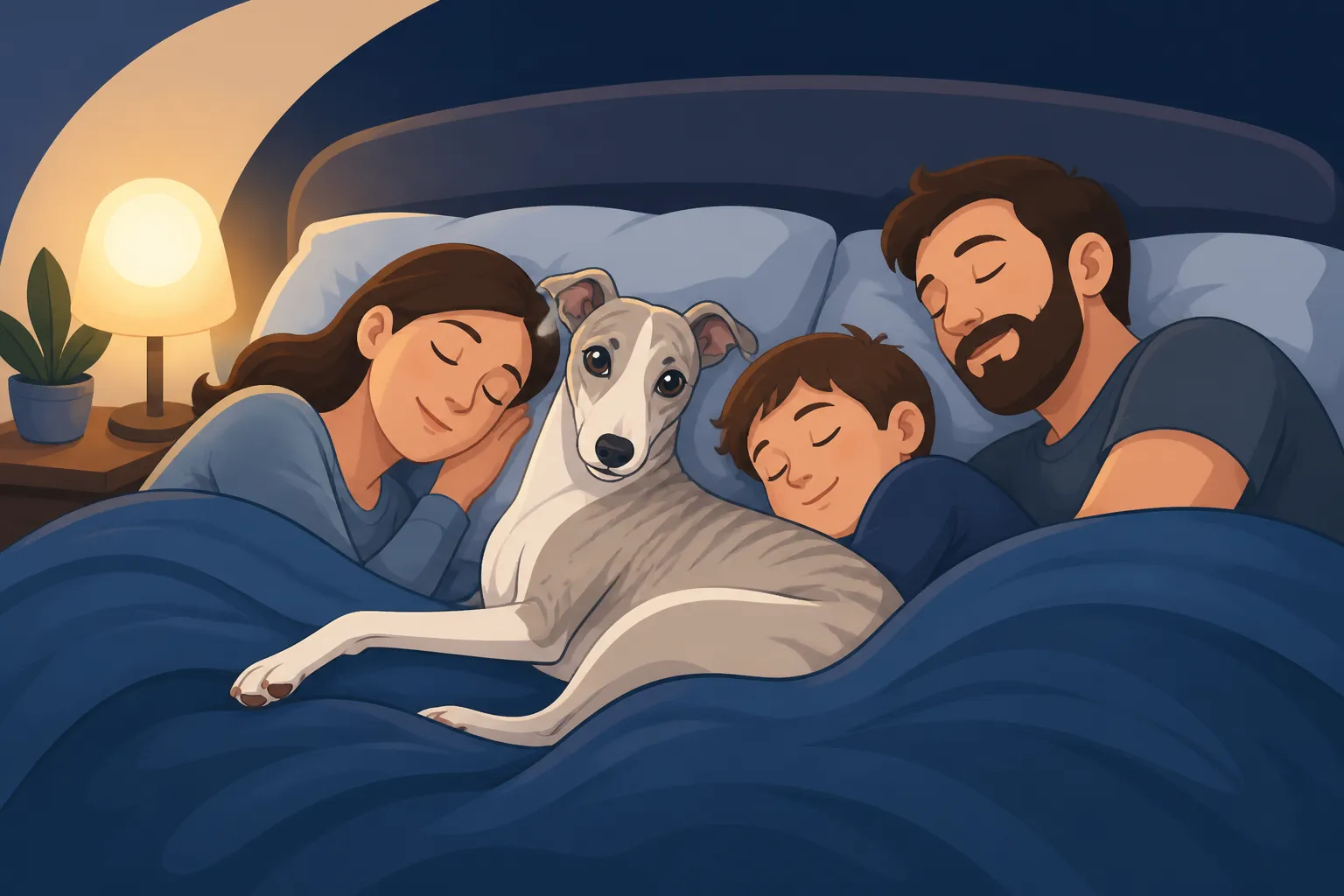
These Whippets weren't relegated to outdoor kennels or cold outhouses. They lived inside the miner's small cottage, sharing what little warmth and space there was. They were beloved companions, earning their keep and providing comfort. This close proximity fostered an incredible bond, where the dog was an integral part of the household, not just a tool. The idea of a Whippet being an outdoor dog would have been utterly alien to these early owners; their dogs were too valuable and too vulnerable to the elements to be kept away from the family's direct care and warmth. They were tucked right in, often sharing beds with children and adults alike, a testament to their cherished place within the family unit. Consider also the practicalities detailed in The Whippets Miners Carried to Work, which further illustrates their constant companionship.
A Practical Necessity: Shared Warmth and Security
Beyond affection, there were very practical reasons why a Whippet would have shared the family bed. Whippets are notorious for their lack of natural insulation. They have exceptionally thin skin and virtually no body fat, meaning they get cold very easily, especially in the drafts and dampness of a modest miner's home. Sharing a bed with a warm human body was not just a luxury; it was a matter of survival, helping the dog regulate its body temperature through the chilly nights. You can really get a sense of this by understanding A Whippet Has No Insulation and No Padding.
Furthermore, these dogs were incredibly valuable assets. A Whippet that could hunt and win races represented a significant portion of a family's livelihood. Keeping them close, within sight and touch, also offered a layer of security. A dog sleeping in the bed would certainly alert its owner to any disturbances, providing an early warning system against thieves or predators. This combined need for warmth and protection created a centuries-old precedent for the Whippet to be a "bed dog," ingraining it into their very being. The physical vulnerability of the breed meant that their comfort was directly tied to human interaction and shared warmth.
Understanding a Whippet's Physical Needs for Comfort
Even if you live in a modern, well-heated home, a Whippet’s instinct to seek out warmth and softness remains incredibly strong. It’s not just a preference; it’s a biological imperative ingrained over generations.
The Science of Snuggling: Why Whippets Seek Warmth
Let's get down to the basics of Whippet anatomy. Their sleek, streamlined bodies, while perfect for speed, are not designed for retaining heat. They have a single, short coat that offers minimal insulation, and critically, very little subcutaneous fat. Compare this to a husky with its thick double coat and dense fat layers; a Whippet is the polar opposite. This means they are highly susceptible to cold, much more so than many other breeds. When the temperature drops, or even if there's a slight draft, a Whippet can start to shiver, sometimes quite uncontrollably.
This physiological reality means that a Whippet isn't just being "spoiled" when it tries to burrow under a blanket or cuddle up against you. It's actively trying to regulate its body temperature. Your body heat is an incredibly efficient and appealing source of warmth for them. This inherent need is why you'll often see them bundled in sweaters indoors or absolutely insisting on being under the covers, even on a mild evening. It's truly a crucial element of their comfort and well-being, reinforcing why you won't ever see Why a Whippet Cannot Live Outdoors. Sometimes, telling a cold Whippet from a nervous one can even be tricky, as shivering can be a sign of both, highlighting just how sensitive they are to their environment.
The Quest for Softness: Avoiding Pressure Sores
Another significant physical reason for a Whippet's love of soft surfaces, including your bed, is their delicate skeletal structure. Their bodies are lean and bony, with minimal muscle or fat padding over prominent areas like hips, elbows, and hocks. Sleeping on hard surfaces, even for short periods, can be genuinely uncomfortable for them and can lead to the development of pressure sores or calluses.
These painful spots, often seen on elbows or hips, are a direct result of prolonged pressure on areas with little natural cushioning. A soft, cushioned surface, like a thick dog bed or, even better, a human mattress, distributes their weight more evenly, preventing these issues. This isn't about being pampered; it's about preventing discomfort and potential skin problems. This is why The Pressure Sores a Whippet Gets From Sleeping on the Floor are a real concern, and it explains why a Whippet absolutely cannot tolerate Why a Whippet Cannot Sleep on a Hard Floor. Providing ample soft bedding everywhere in the house, from living room rugs to dedicated dog beds, is key to their comfort, as discussed in Why a Whippet Needs Soft Bedding Everywhere.
The Whippet's Innate Desire for Closeness and Security
Beyond their physical needs for warmth and comfort, Whippets possess a deeply ingrained desire for close companionship and a strong sense of security, which naturally draws them to the family bed.
The Velcro Dog Phenomenon
If you've spent any time with a Whippet, you've likely encountered the "Velcro dog" phenomenon. They aren't just affectionate; they have an almost magnetic need to be physically close to their humans. This isn't just about cuddles; it's a fundamental aspect of their emotional well-being. They thrive on touch, proximity, and constant awareness of your presence. When you're sitting on the sofa, they want to be on the sofa, preferably touching you. When you move to another room, they often follow, quietly settling nearby.
This inherent trait means that when it comes to bedtime, their instinct is to remain with their pack – their human family. The bed, being the ultimate shared space for rest and intimacy, becomes their natural desired sanctuary. It's a testament to How a Whippet Bonds to One Person (or family, in this case). They don't just want to be in the room; they want to be in the bed, nestled against you or under the blankets, feeling your warmth and sensing your presence. This often leads to their famous burrowing behavior, a topic explored further in Why a Whippet Burrows Under the Covers. This close contact provides them with a profound sense of contentment and belonging that a solitary bed, no matter how plush, simply cannot replicate.
A Sense of Safety and Belonging
Whippets can be a sensitive and sometimes reserved breed, especially around strangers or in new environments. While they are often confident and playful with their family, they appreciate the security of a familiar routine and the presence of their trusted humans. Sleeping in the family bed provides an unparalleled sense of safety and belonging. It reinforces their position as a cherished member of the pack and offers reassurance throughout the night.
Being isolated in a separate room, especially when young or if prone to anxiety, can be genuinely distressing for a Whippet. The proximity to their humans minimizes feelings of vulnerability and separation anxiety, leading to a more peaceful and restorative sleep. For many Whippet owners, the decision of Whether a Whippet Should Sleep in the Bedroom is an easy one, as it directly addresses these deep-seated emotional needs, fostering a calm and secure canine companion who feels truly at home.
Modern Day Whippets: Continuing the Tradition
Even in homes far removed from the cold cottages of their ancestors, modern Whippets continue to exhibit the same deep-seated needs for warmth, comfort, and companionship. This means that embracing their desire to be part of the family bed is often the most natural and beneficial choice for both dog and owner.
Integrating a Whippet into Modern Family Life
Today's Whippets, whether they are show champions, lure coursing athletes, or beloved pets, carry the same genetic blueprint that made them ideal house companions centuries ago. They still have very little body fat, thin skin, and an overwhelming desire for warmth and physical closeness. This is why when you bring a Whippet into your home, you'll quickly find them seeking out the warmest, softest spots – often directly next to you.
If you decide that your bed isn't the right place for your Whippet, perhaps due to allergies, space constraints, or personal preference, it's crucial to provide alternatives that meet these core needs. This means investing in truly supportive and warm bedding. Look for plush, orthopedic beds with bolsters that allow them to curl up and feel secure. Consider adding extra blankets for burrowing, and in colder climates, a heated pad or a soft set of dog pajamas can make a world of difference. Companies like Chewy offer a fantastic selection of dog beds and cozy blankets that are perfect for meeting a Whippet's specific comfort requirements. The goal is to replicate the warmth and softness of a human bed, as closely as possible, to ensure they remain comfortable and content.
Finding the Right Balance: Boundaries and Comfort
While many Whippet owners happily share their beds, it's perfectly understandable if you prefer your dog to have their own designated sleeping area. The key is to establish these boundaries kindly and consistently, while always ensuring their fundamental needs for warmth, softness, and security are met. Simply banishing a Whippet to a hard, cold floor will lead to discomfort and potentially anxiety.
The best approach is to provide a highly appealing alternative near you. A comfortable, well-cushioned dog bed placed right next to your bed or at the foot of it allows them to still feel close and secure. Use plenty of soft blankets for them to nest and burrow into. For older Whippets, particularly, beds that suit an arthritic Whippet can provide critical joint support and extra warmth, making their own space even more inviting. By offering a high-quality, comfortable, and warm sleeping spot in close proximity, you can satisfy their innate desires without necessarily sharing your exact sleeping space. This thoughtful approach ensures your Whippet feels loved, secure, and physically comfortable, continuing the tradition of close companionship in a way that works for your whole family.
Disclaimer
This article is for general informational purposes only and does not constitute professional advice. Laws, prices and regulations vary by location and change over time. Consult a qualified professional for guidance on your specific situation.