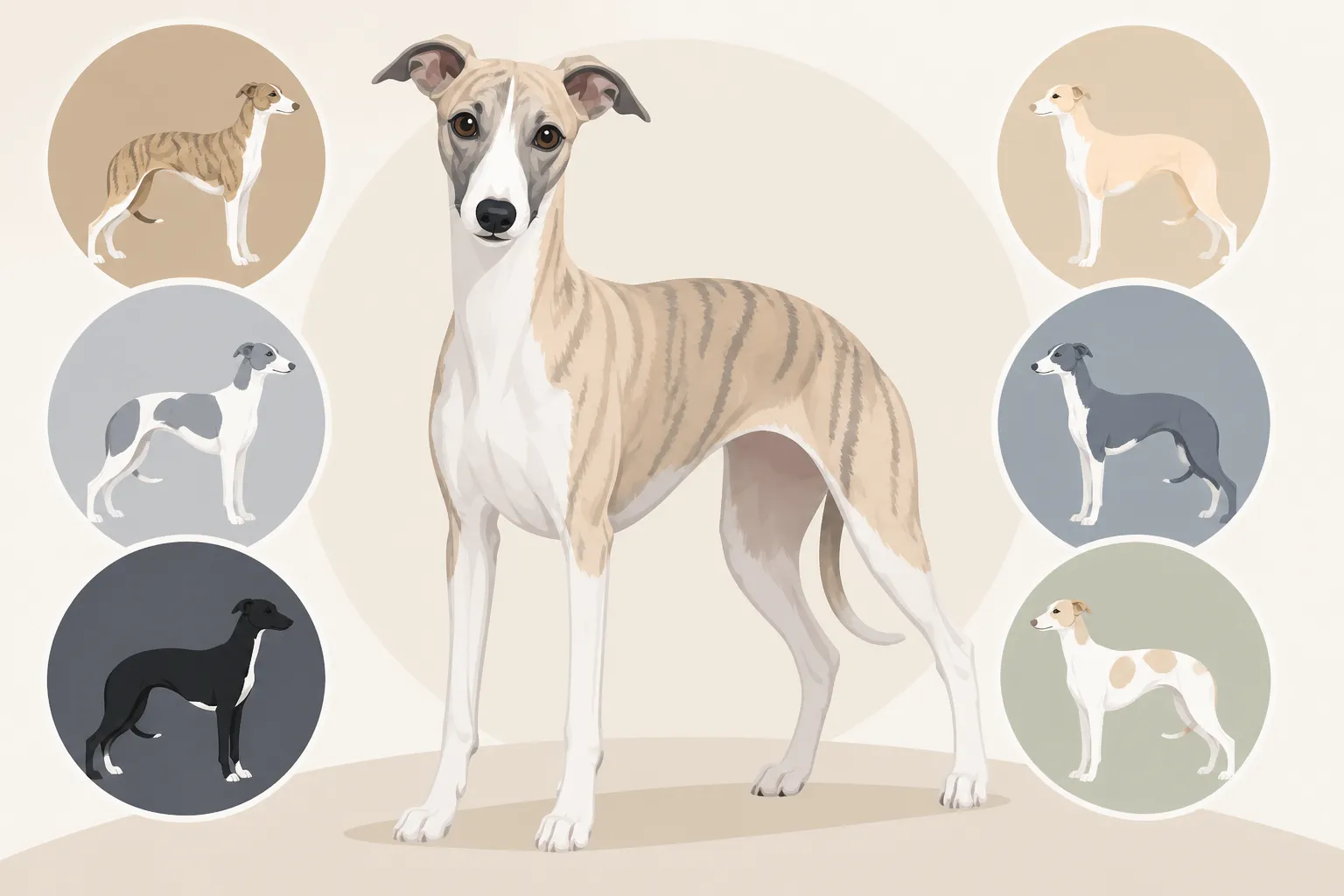
Which Colors the Whippet Standard Allows
It can be surprisingly confusing to figure out what's considered an "official" Whippet color, especially when you see so many stunning variations out there. You might fall in love with a particular shade or pattern, only to wonder if it's "correct" or even if it means something about the dog's health or temperament. This guide is here to clear up all that delightful mystery, helping you understand the beautiful spectrum of Whippet coats recognized by the breed standard and what it truly means for your beloved companion.
Understanding Breed Standards and Color
When we talk about dog breeds, "standards" are like the blueprint set by parent clubs, such as the American Whippet Club or the Kennel Club in the UK. These standards describe the ideal physical characteristics and temperament of the breed. For potential owners, especially those new to purebred dogs, the mention of a "standard" can feel a bit daunting or overly formal. It’s meant to guide breeders in preserving the unique traits of the breed, not to exclude perfectly wonderful pets.
The Role of the Breed Standard
The breed standard for the Whippet, like any other breed, is a detailed document outlining everything from head shape and ear set to gait and, yes, coat color and texture. Its primary purpose is to maintain consistency within the breed, ensuring that Whippets continue to look and act like Whippets for generations to come. For breeders, it’s a tool for making informed decisions about pairings and evaluating puppies. For judges in the show ring, it’s the definitive guide by which they assess each dog. But for you, the everyday Whippet owner, it’s more about appreciation and understanding your dog's heritage. You’re part of a long tradition, and knowing the standard helps you understand why your Whippet looks the way it does.
Think of it this way: the standard is a celebration of what makes a Whippet distinctive. It describes the elegance, the athleticism, and the gentle nature that we all adore. When it comes to color, the Whippet standard is famously inclusive, a testament to the breed's origins as a working man's companion where ability and temperament far outweighed aesthetic uniformity. This broad acceptance of colors makes each Whippet uniquely beautiful without fear of being "non-standard" based on their coat alone, which is a real comfort for many who simply want a healthy, happy dog.
Why Color Standards Exist
Historically, color standards in many breeds served various purposes. Sometimes they were tied to functionality – a white dog might be easier to spot in a field, or a camouflaged coat might be better for hunting. Other times, they simply reflected the fashion or preference of the era in which a breed was developed. For Whippets, the standard's liberal approach to color reflects its roots in the coalfields of Northern England, where miners bred these dogs for speed and companionship. The focus was on performance and a sweet nature, not on a strict palette.
So, while some breeds have very specific color requirements, often excluding certain shades or patterns, the Whippet standard takes a different approach. It acknowledges that beauty comes in many forms and that a dog's coat color has very little to do with its ability to chase a lure, snuggle on the sofa, or be a loving family member. This means you don't need to worry about your stunning brindle, your sleek black, or your charming fawn Whippet being somehow "less" of a Whippet because of its color. This open-mindedness is part of the breed's enduring charm and one of the reasons they fit so easily into various homes.
Minor vs. Major Faults Regarding Color
This is where the Whippet standard truly shines and brings a sigh of relief to many prospective owners. Unlike some breeds where specific colors or markings can be considered a "major fault" or even a "disqualification" in the show ring, the Whippet standard is remarkably accepting. Generally, no color or combination of colors is considered a fault in a Whippet. This means that a show-quality Whippet can come in virtually any color or pattern you can imagine, from solid black to vibrant brindle, from crisp white with patches to a delicate cream.
This inclusiveness is a huge benefit because it means breeders don't have to sacrifice other crucial traits like health, temperament, or structure just to produce a dog of a "fashionable" or "correct" color. Their focus can remain on breeding sound, healthy Whippets that embody the breed's athletic grace and gentle spirit. For pet owners, it means you can truly choose a Whippet based on personality and suitability for your home, without feeling pressured by arbitrary color rules. It allows for a fantastic diversity within the breed, making each individual Whippet a unique work of art.
The Spectrum of Acceptable Whippet Colors
One of the most delightful aspects of the Whippet breed is the incredible array of coat colors and patterns you'll encounter. It's almost like a living rainbow! Far from being limited to just a few shades, the Whippet's coat can present in nearly any color or combination imaginable. This rich tapestry of color contributes greatly to their individual charm and ensures there’s a Whippet out there to steal any heart.
Solids: Black, Fawn, Blue, Red, White
Whippets come in a stunning variety of solid colors, each with its own unique appeal. A solid black Whippet is a truly striking sight, sleek and elegant, often gleaming in the sunlight. Their dark coats can make their graceful lines appear even more dramatic, and they often have dark eyes that seem to melt your heart. Finding black Whippet beds or coats on Chewy can be a joy, as their rich color really pops against accessories.
Fawn Whippets are perhaps one of the most classic and recognizable colors. These can range from a very pale, sandy cream to a rich, deep caramel, sometimes with subtle shading. Fawn is a wonderfully warm color that often complements their gentle expressions. How a Whippet's Color Changes as It Grows is a fascinating topic, and you might notice a fawn puppy's coat deepen slightly with age.
Blue Whippets, often appearing as a soft, slate grey, are incredibly popular and quite stunning. This dilute color is captivating and creates a beautiful contrast with their often piercing amber or golden eyes. Many people ask Whether a Blue Whippet Is Purebred, and the answer is a resounding yes! They are absolutely purebred and cherished members of the Whippet family. While some breeds with blue coloration can be prone to certain skin issues like color dilution alopecia, Whether a Blue Whippet Has Skin Problems is generally less of a concern for Whippets compared to some other breeds, but it's always good to be aware and discuss any concerns with a reputable breeder.
Red Whippets are vibrant and eye-catching, ranging from a light, almost orange shade to a deep, rich mahogany. These dogs often have a fiery spirit to match their coats, full of playful energy. Finally, white Whippets, or those with significant amounts of white, radiate purity and grace. A predominantly white coat can be breathtaking, often accented by colored patches or a delightful pink nose. Whether a Whippet Can Be Solid White is a common question, and while true solid white is rare, dogs with vast expanses of white are certainly seen.
Dilutes and Pigmentation
Beyond the primary solid colors, Whippets also exhibit a range of dilute shades, which are essentially genetically "lightened" versions of the standard colors. The most common dilute we discussed is blue, which is a diluted black. Blues can vary from a deep charcoal to a very light, almost silver-grey. Why a Blue Whippet Is a Dilute explains the genetics behind this beautiful coloration – it's due to a specific gene that "dilutes" black pigment.
Another dilute color you might see, though less frequently, is Isabella or "fawn dilute," which is a diluted red/fawn. These can be soft, smoky beige tones. The pigmentation of a Whippet's nose, eye rims, and lips often correlates with their coat color. Black Whippets will naturally have black pigmentation, while blue Whippets will typically have slate-grey or blue-grey pigmentation. Fawn and red Whippets can have either black or self-colored (liver/brown) pigmentation, depending on their underlying genetics. This interplay of coat and skin pigment adds another layer of complexity and beauty to the breed's appearance. It's a reminder of the intricate genetic palette that makes each Whippet so individually gorgeous.
No Disqualifying Colors – A Key Whippet Trait
This is truly one of the most liberating and endearing traits of the Whippet breed standard: there are no disqualifying colors. What does this mean in practical terms? It means that no matter what color or pattern your Whippet displays – whether it's a solid, a brindle, a parti-color, or anything in between – it is considered acceptable within the breed standard. This stands in stark contrast to many other breeds where specific colors can lead to a dog being penalized or even outright disqualified from showing or breeding.
This incredible inclusivity allows breeders to focus wholeheartedly on health, temperament, and structural soundness, rather than chasing a specific color trend. It also means that for pet owners, you never have to worry that your dog's stunning, unique coat color somehow makes them "less" of a Whippet or indicates a fault. Every Whippet, regardless of its hue, is recognized for its inherent beauty and value within the breed. This aspect truly embodies the Whippet's historical roots as a dog of the people, where functionality and companionship were paramount, and superficial aesthetic rules were, quite rightly, ignored.
Patterns and Markings You'll See
Beyond the solid colors, Whippets display an enchanting array of patterns and markings that add even more character and individuality to their appearance. These patterns can transform a base color into something entirely new and captivating, making it even more fun to pick out a unique collar or a stylish coat for your Whippet from a store like Chewy.
Brindle: A Striking Classic
Brindle is arguably one of the most distinctive and beloved patterns in Whippets, and for good reason. It's characterized by stripes or streaks of color, usually darker, overlaying a lighter base coat. Think of it like tiger stripes, but often more subtle and flowing. You can see brindle on various base colors, leading to incredible variations. A fawn brindle might have darker fawn or red stripes over a lighter fawn background, while a blue brindle will show darker blue stripes over a lighter grey.
Whether a Brindle Whippet Is Common is a question many ask, and yes, it is a very common and accepted pattern within the breed. It adds depth and visual interest to the coat, making each brindle Whippet truly unique, as no two brindle patterns are ever exactly alike. The stripes can be dense and close-set or widely spaced and more delicate. It's also worth noting that Whether a Whippet Puppy's Brindle Darkens is something many owners observe; brindle patterns can indeed become more pronounced and darker as a Whippet puppy matures into adulthood, revealing their full, glorious coat.
Parti-color and Piebald: Patches and Blazes
"Parti-color" refers to a dog that has two or more distinct colors in patches across its body, typically including white. This means you might see a Whippet with large patches of, say, blue and white, or fawn and white, or even black and white. These patches are clearly defined and often irregularly shaped, giving each dog a distinctive, painterly look.
A specific type of parti-color is piebald, which describes a white dog with irregular patches of color. The white is the predominant color, with the colored patches scattered across the body. Imagine a mostly white Whippet with distinct patches of red, black, or blue, often with a colored mask or a blaze running up the face. The Piebald Whippet is a truly stunning variant, showcasing the clean lines of the Whippet body against bold color blocks. These patterns are completely acceptable within the breed standard and are prized for their striking appearance. Sometimes the patches look like they were painted on, a true testament to the genetic artistry at play in their coats.
Masks and Ticking
Beyond stripes and patches, Whippets can also exhibit other charming markings. A mask is a darkening of the fur around the muzzle and eyes, giving the dog a distinctive facial expression. This is very common in fawn, red, or cream-colored Whippets, where the mask is often black or dark grey, creating a beautiful contrast. A black mask on a fawn Whippet is particularly striking and adds an air of sophistication.
Ticking refers to small, isolated spots of color, typically the same color as any patches, scattered over white areas of the coat. Imagine a white patch that isn't solid white, but has tiny flecks of black or blue sprinkled within it, like freckles. Ticking is usually more apparent on the legs, muzzle, and sometimes the chest. While not as common as brindle or parti-color, ticking is another accepted and beautiful variation that contributes to the overall diversity of Whippet coats. These subtle details can really highlight the graceful structure of the Whippet and make each dog even more unique.
Colors and Health: Separating Fact from Fiction
When it comes to specific coat colors, there's often a lot of misinformation swirling around, especially concerning health implications. For Whippets, it's crucial to understand which color-related health concerns are genuine and which are simply old wives' tales or misinterpretations from other breeds. As responsible owners, we want to ensure our Whippets are as healthy as they are beautiful.
The Truth About Blue Whippets and Health
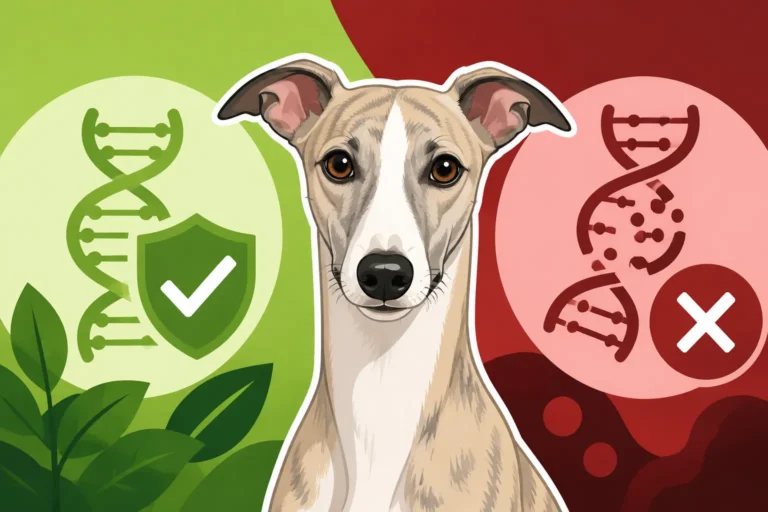
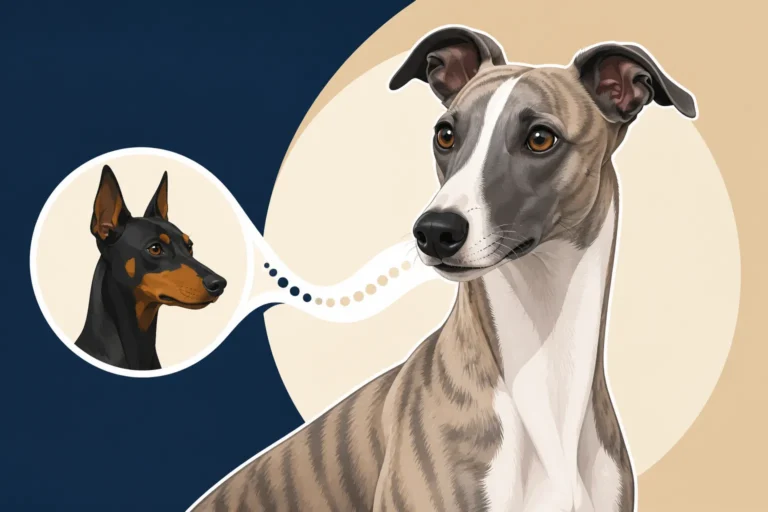
Blue Whippets are undoubtedly popular, admired for their soft, elegant grey coats. However, in some breeds with blue (dilute black) coloration, there can be a higher incidence of a condition called Color Dilution Alopecia (CDA). This is a genetic condition that causes thinning hair, dry skin, and sometimes secondary bacterial infections in dilute-colored dogs. It's a valid concern for breeds like Dobermans or Great Danes, for instance.
For Whippets, the good news is that Whether a Blue Whippet Has Skin Problems due to CDA is generally not a widespread issue. While any dilute-colored dog can theoretically carry the gene for CDA, it is exceedingly rare for a blue Whippet to actually manifest severe symptoms. Most blue Whippets enjoy perfectly healthy skin and coats. It's one of those things where information from other breeds sometimes gets incorrectly applied. Always ensure your breeder screens for general health, but you can usually rest easy regarding significant color-linked skin issues in blue Whippets. Good nutrition, including high-quality food (perhaps from Chewy) and proper grooming, will do more for their coat health than worrying about their color.
White Markings and Deafness
Another common concern linked to coat color in some breeds, particularly those with a lot of white, is a higher incidence of deafness. This is often associated with the piebald gene, which removes pigment cells and can sometimes also affect the cells in the inner ear responsible for hearing. Breeds like Dalmatians and some Boxers are known to have a higher risk of deafness in white-coated or heavily white-marked individuals.
However, for Whippets, Whether a White Marked Whippet Can Be Deaf is thankfully not a significant concern. While a Whippet can certainly have extensive white markings, or even be predominantly white with colored patches (The Piebald Whippet), there is no known statistically significant link between white coloration and deafness in the Whippet breed. This is an important distinction, as it allows owners to appreciate the beauty of white-marked Whippets without undue worry about hearing impairment solely based on their coat. Reputable breeders will always conduct general health checks, but deafness linked to color is not a common issue you should lose sleep over with a Whippet.
Genetic Health vs. Aesthetic Preferences
Ultimately, when choosing a Whippet, focusing on overall genetic health, robust structure, and sound temperament should always take precedence over aesthetic preferences like coat color. While it's natural to be drawn to a particular color or pattern, it's vital to remember that a Whippet's health and happiness are not determined by the shade of its fur. A well-bred Whippet from health-tested parents, regardless of its coat, will generally be a healthier and more joyful companion than a dog bred purely for a "rare" or "fashionable" color without attention to other critical factors.
A good breeder will prioritize the health of their lines, ensuring that parents are screened for common Whippet health concerns like eye conditions, cardiac issues, and PFK deficiency. They won't breed solely for color. In fact, if a breeder strongly pushes a certain "rare" color and charges exorbitant fees based on it, it's often a red flag, as discussed in The Marketing of Bully Whippets as Rare. The true value of a Whippet lies in its health, its lovely personality, and its conformity to the breed's athletic and elegant form, not just its outward appearance.
Why Color Might Matter (or Not) to You
While the Whippet standard is delightfully open about color, your personal preferences and plans for your Whippet might make you lean towards certain colors or patterns. It's perfectly natural to have a favorite, and knowing why color might matter to you can help guide your decision, even if it's not a health or breed standard concern.
Show Ring vs. Pet Home Considerations
If you dream of showing your Whippet in conformation events, then understanding the breed standard in its entirety, including its stance on color, is important. As we've established, the Whippet standard is incredibly inclusive when it comes to color, meaning virtually any color or pattern is acceptable in the show ring. You won't find a judge faulting a Whippet simply because it's solid black versus a parti-color fawn and white. This is a huge relief for show enthusiasts, as it broadens the pool of potential show dogs and allows judges to focus on structure, movement, and overall breed type.
However, if your Whippet is destined purely for a loving pet home, then color becomes even less of a concern. Your dog's ability to be a wonderful companion, a joyful runner, and a snuggly couch potato is completely independent of its coat's hue. For pet owners, choosing a Whippet often comes down to the individual connection, the puppy's personality, and the breeder's reputation. The color is simply the beautiful wrapping paper on an already perfect gift. You might find yourself gravitating towards a certain color because it reminds you of a childhood pet, or simply because you find it aesthetically pleasing. And that's perfectly fine!
Personal Preference and Rarity Claims
It's undeniable that people have personal preferences. Some individuals adore the striking elegance of a solid black Whippet, while others are captivated by the intricate patterns of a brindle or the playful look of a parti-color. Perhaps you love the classic warmth of a fawn, or the cool sophistication of a blue. All these preferences are valid and contribute to the rich diversity of Whippet homes.
However, a word of caution when you encounter claims of "rare" Whippet colors. Sometimes, less common color combinations or patterns are marketed as "rare" to justify a higher price tag. While some combinations might be less frequently seen, the Whippet breed standard explicitly states that all colors and combinations are acceptable. There are no truly "rare" colors in the sense of being excluded or exceptionally valuable according to the standard. As The Marketing of Bully Whippets as Rare warns, it's wise to be skeptical of breeders who emphasize "rarity" over health testing or sound breeding practices. Focus on finding a healthy, well-socialized puppy from a reputable breeder, and let your heart guide you on the color you connect with most.
Grooming and Visibility
Believe it or not, color can subtly influence minor aspects of day-to-day Whippet ownership, mainly related to grooming and visibility. For instance, a predominantly white Whippet might show dirt more readily after a romp in the park, requiring a quick wipe-down or perhaps more frequent baths than a darker colored counterpart. You might find yourself stocking up on pet-friendly wipes from Chewy more often! Conversely, darker Whippets, especially solid black or dark brindle, might absorb more heat in direct sunlight during the summer months, making it even more important to monitor them for overheating.
On the flip side, a very dark Whippet might be harder to spot in low light conditions, especially at dusk or dawn, making reflective gear for walks even more crucial. Conversely, a white or very light-colored Whippet will stand out clearly. These are minor considerations, of course, and easily managed with appropriate care like dog coats for warmth, or cooling vests for hot days, all of which are readily available. But it’s a fun little aspect of how your Whippet’s unique coat might subtly impact your routine.
Here’s a quick overview of common Whippet colors and patterns:
| Color/Pattern | Description | Commonness | Notes |
|---|---|---|---|
| Black | Solid, sleek deep black. | Common | Striking, often with dark eyes. |
| Fawn | Ranges from pale cream to rich caramel. | Very Common | Classic Whippet color, can darken with age. |
| Blue | Soft, slate grey; dilute of black. | Common | Elegant, often with amber eyes. Generally no skin issues in Whippets. |
| Red | Vibrant, ranging from light orange to deep mahogany. | Common | Energetic appearance. |
| White | Predominantly white, can have minimal markings or spots. | Less Common | Often mistaken for "albino" (not accurate for Whippets). |
| Brindle | Stripes of darker color over a lighter base (e.g., fawn brindle, blue brindle). | Very Common | Highly distinctive, pattern can intensify with age. |
| Parti-color | Two or more distinct colors in patches, typically including white. | Common | Creates unique, "painted" look. |
| Piebald | Predominantly white with irregular patches of color. | Common | A specific type of parti-color. |
| Masked | Darkening around the muzzle and eyes, often on fawn/red base. | Common | Adds character to facial expression. |
| Ticked | Small flecks of color on white areas of the coat. | Less Common | Often seen on legs and muzzle. |
Navigating the World of Whippet Colors
Stepping into the world of Whippet ownership is an exciting journey, and understanding their diverse color palette is just one part of the adventure. Ultimately, while colors are beautiful, they are far from the most important factor when bringing a new Whippet into your life. The focus should always be on the overall well-being and suitability of your future companion.
Finding a Reputable Breeder
This is, hands down, the most critical step when acquiring a Whippet, regardless of the color you desire. A reputable breeder prioritizes the health, temperament, and structural soundness of their dogs above all else. They conduct thorough health testing on their breeding stock for conditions relevant to Whippets, such as cardiac health (Whether a Whippet Should Be Screened Before Breeding), eye conditions, and PFK deficiency (Whether PFK Deficiency Has a DNA Test in Whippets). They will be transparent about their breeding practices, openly discuss any genetic conditions in their lines, and provide proper care and socialization for their puppies.
A good breeder will also have a deep understanding of the breed standard and will be able to explain why certain traits, including color, are considered acceptable. They won't make exaggerated claims about "rare" colors or charge inflated prices based solely on a puppy's coat. Instead, they will match puppies to suitable homes based on temperament and lifestyle, ensuring a harmonious fit. Never hesitate to ask for health clearances, meet the parents, and visit the facility to observe the conditions in which the puppies are raised.
The Importance of Health Testing Over Color
I cannot stress this enough: health always trumps color. While a blue Whippet or a parti-color Whippet is visually appealing, their coat color has little to no bearing on their overall health and longevity. What truly matters are the genetic predispositions passed down from their parents. A healthy Whippet, regardless of its color, will lead a full and happy life, potentially reaching The Twelve to Fifteen Years a Whippet Lives.
When you prioritize health testing, you're investing in a lifetime of fewer vet bills and more joyful moments. A good breeder will meticulously plan their litters to avoid passing on hereditary diseases. They understand that a beautiful coat is a bonus, but a healthy heart and sound joints are non-negotiable. They will also advise you on general care, from suitable food (which you can easily find on Chewy) to the importance of regular vet check-ups. Don't be swayed by marketing tactics emphasizing "unique" or "rare" colors; instead, seek out a breeder who can confidently discuss the health history of their lines.
Enjoying Your Whippet, Whatever the Coat
Ultimately, the most important thing is the bond you share with your Whippet. Whether your companion is a sleek black, a striking brindle, a gentle fawn, a charming blue, or any other of the myriad colors the breed comes in, they will offer boundless affection, playful zoomies, and quiet companionship. Your Whippet will be a loving member of your family, renowned for their incredible temperament and adaptability, regardless of the shade of their fur.
So, while it's fascinating to delve into the genetics and aesthetics of Whippet colors, remember that the true beauty of this breed lies in its spirit. Embrace the unique coat of your Whippet, celebrate its individuality, and cherish every moment with this wonderful breed. The love and joy they bring into your home will far outweigh any superficial consideration of their coat color. A happy, healthy Whippet is always the most beautiful Whippet, no matter what its coat looks like.
Disclaimer
This article is for general informational purposes only and does not constitute professional advice. Laws, prices and regulations vary by location and change over time. Consult a qualified professional for guidance on your specific situation.