How Tall a Whippet Stands
One of the first things people notice about a Whippet is their elegant, athletic build, but sometimes the actual size, especially their height, can be a bit surprising. You might envision a medium-sized dog, but what does that truly mean when it comes to living with one? Understanding a Whippet's typical height is crucial for everything from picking out the right gear to ensuring they fit comfortably into your home. This guide will clarify exactly how tall a Whippet usually stands, what factors influence their stature, and how that impacts life with these wonderful sighthounds.
Understanding the Whippet Breed Standard for Height
When we talk about a dog's "ideal" height, we're almost always referring to the breed standard set by kennel clubs. These standards are carefully crafted descriptions that define the optimal characteristics of a breed, including physical traits like size, proportion, and even temperament. For Whippet breeders and enthusiasts, adhering to these standards is essential for maintaining the breed's integrity and health. However, for the average pet owner, it provides a benchmark to understand what a well-proportioned Whippet should look like.
The Kennel Club and AKC Guidelines
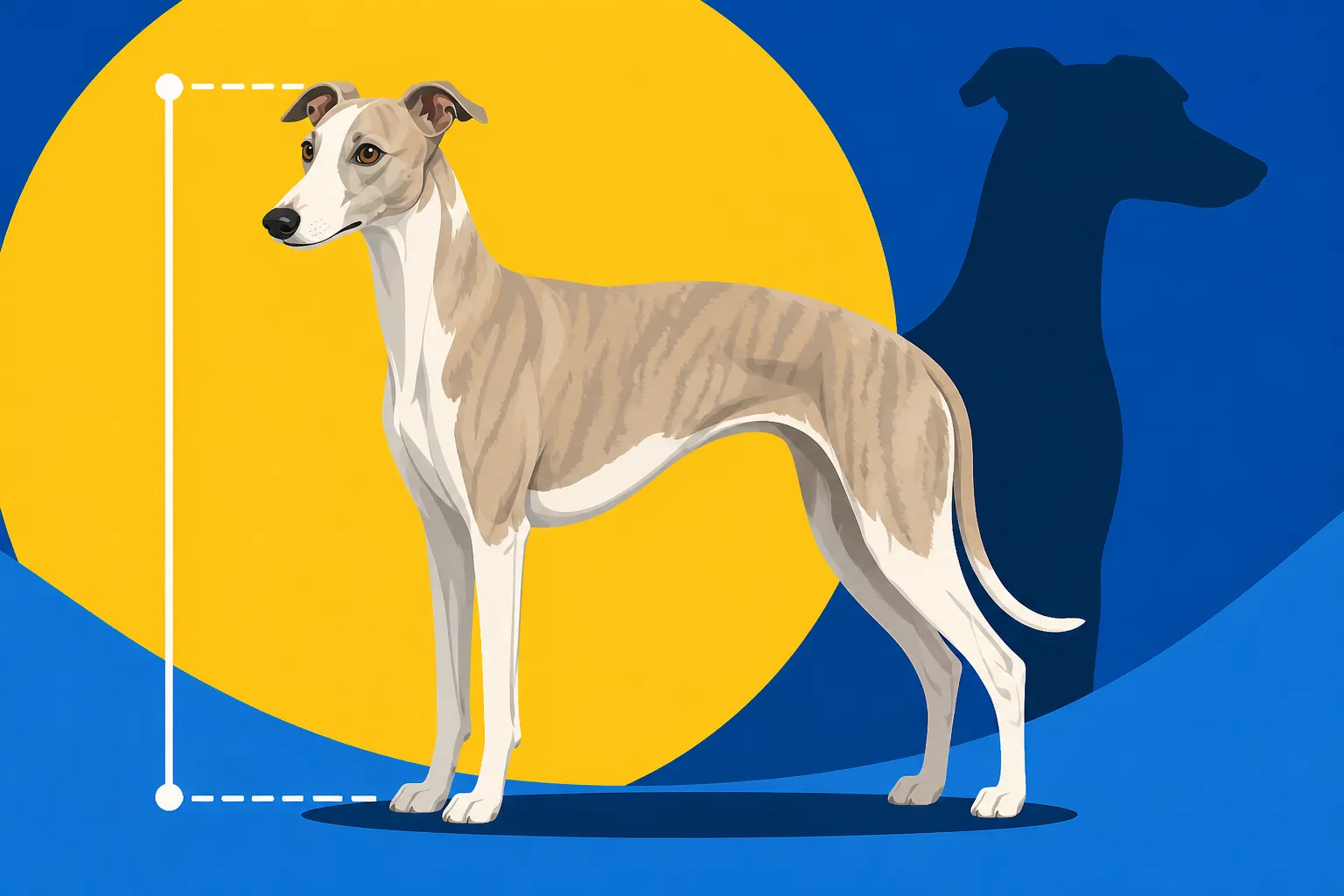
Both the American Kennel Club (AKC) and the Kennel Club (UK) have very specific guidelines for a Whippet's height. These aren't just arbitrary numbers; they reflect centuries of breeding for a dog that is perfectly balanced for speed, agility, and grace. The ideal height for a male Whippet typically falls within a particular range, and females have their own slightly smaller, but equally specific, range. These measurements are usually taken at the dog's withers – the highest point of the shoulder blades, where the neck meets the back. If you've ever seen a judge running their hands over a show dog, they're often checking these precise points against the breed standard. It's fascinating how much detail goes into defining what makes a Whippet, well, a Whippet!
Why the Standard Matters for Breeders and Owners
For breeders, the standard is their blueprint. They strive to produce Whippets that closely match these ideals, not just for the show ring, but because the physical characteristics described often correlate with sound health and functional ability. A Whippet bred to standard should be athletic, able to run and perform as the breed was intended. For owners, while you might not be showing your Whippet, knowing the standard helps you appreciate your dog's unique conformation and understand why certain traits are valued. It also provides a baseline. If your Whippet is significantly outside these ranges, it might be worth discussing with your vet, especially if it's accompanied by other health concerns. But remember, the standard is an ideal, and many wonderful, healthy Whippets fall just outside these precise measurements and live long, happy lives.
Typical Height Ranges for Male and Female Whippets
Away from the pristine show ring, in the hustle and bustle of everyday life, Whippets generally fall into predictable height ranges. While the standard gives us the "ideal," individual dogs will naturally vary a little. It's a bit like people; we all have an average height, but everyone is a little bit different! These ranges are important because they influence practical aspects of ownership, like buying accessories or estimating how much space your dog will take up on the sofa.
Average Height for Adult Males
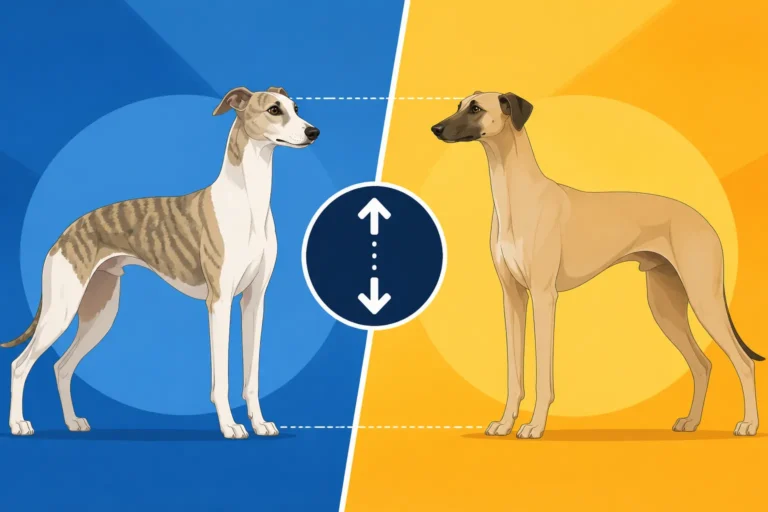
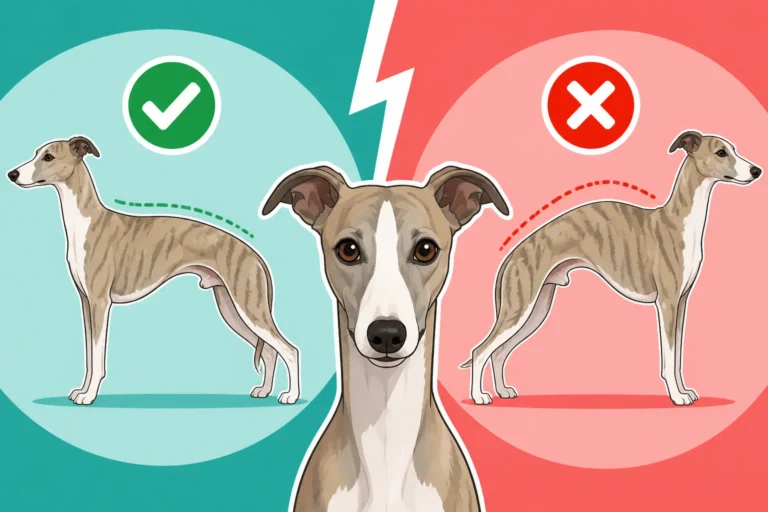
On average, an adult male Whippet will stand slightly taller than his female counterparts. You're typically looking at a height that allows them to be agile and fast, but not so large that they become heavy or cumbersome. They have that distinctive arch over their loin and a deep chest, which visually makes them appear quite substantial despite their lean build. When you bring home a male Whippet puppy, it can be hard to imagine they'll grow into this elegant athlete, but they do so surprisingly quickly! Their height is a testament to their purpose as sighthounds, built for speed and quick turns.
Average Height for Adult Females
Female Whippets, while still incredibly athletic and elegant, are generally a bit daintier than the males. This slight difference in size is common across many dog breeds and contributes to the overall balance and beauty of the breed. Despite being smaller, they possess all the same characteristics of speed and grace that males do. It's important to note that these are averages; you might find a tall female or a slightly shorter male, and that's usually perfectly normal. What matters most is that they are well-proportioned and healthy. When considering bringing home a Whippet, understanding the potential size difference between sexes can help you decide which might fit best with your lifestyle and living situation. You can also get an idea of What an Adult Female Whippet Weighs and What an Adult Male Whippet Weighs to round out your picture of their size.
How Genetics Influence a Whippet's Stature
Just like in humans, genetics play a massive role in determining a Whippet's final height. A puppy inherits traits from both parents, and while a breeder aims for consistency, there's always a bit of genetic lottery involved. You might see a litter where one puppy shoots up, while another stays on the smaller side, even if they have the same parents. Beyond the direct inheritance from the sire and dam, the broader genetic pool of their lineage – grandparents, great-grandparents – can also influence size. This is why reputable breeders often research pedigrees extensively, not just for health clearances but also for consistent conformation. Environmental factors, like nutrition and exercise during critical growth phases, also play a part, but ultimately, the genetic blueprint sets the potential range for their adult height.
When a Whippet Reaches Its Full Height
One of the most exciting, yet sometimes frustrating, parts of puppyhood is watching your dog grow. With Whippets, their growth can seem incredibly rapid in some stages, and then it feels like it slows to a crawl. Understanding when your Whippet will reach their adult height can help you plan for things like permanent crate sizes, the correct harness fit, and even when it's safe to engage in certain types of exercise. It's important to remember that while they might hit their maximum height relatively early, they often continue to "fill out" and mature in musculature for quite a bit longer.
Puppy Growth Spurts and Development
Whippet puppies grow incredibly fast, especially during their first six to eight months. You'll likely notice rapid changes almost weekly! They'll go through awkward phases where their legs seem too long for their body, or their ears look enormous compared to their head. These are classic growth spurts. During this time, proper nutrition is paramount to support healthy bone and joint development. It's a time when you need to be particularly mindful of Raising a Whippet Puppy Without Wrecking Its Joints to ensure they don't overexert themselves while their bones are still developing. While they're shooting upwards, their growth plates are open, making them more susceptible to injury. Don't be surprised if your Whippet puppy seems to grow several inches in just a couple of months – it's all part of their journey to becoming the elegant adults we know and love.
When to Expect Your Whippet to Stop Growing Taller
Most Whippets will reach their full adult height somewhere between 9 and 12 months of age. While they might gain a tiny fraction more height after that, the significant upward growth generally ceases around their first birthday. However, this doesn't mean they're done maturing! They'll often continue to fill out in terms of muscle mass and chest depth for another year or even two, reaching their full adult weight and physical maturity around two years old. So, while you might be done buying bigger collars and coats based on height by their first birthday, you'll likely see them broaden and deepen for a while longer. This is also a good age to consider when The Age a Whippet Stops Growing and The Age a Whippet Reaches Full Weight are truly behind them.
How Height Impacts Daily Life with a Whippet
A Whippet's height isn't just a number in a breed standard; it has very real, practical implications for daily life with your dog. From the items you purchase for them to how they interact with their environment, height plays a significant role. It’s not just about aesthetics; it’s about functionality and comfort for your beloved companion.
Finding the Right Gear: Collars, Coats, and Crates
Choosing the right gear for a Whippet means taking their unique build, including their height and lean frame, into account. Their long, slender necks mean that standard flat collars can often slip right off, making a martingale collar a popular and safer choice. When it comes to coats, their lack of body fat and thin skin means they genuinely need protection from the cold. Their height will directly influence the length of the coat you need, ensuring it covers them adequately from neck to tail, and that it fits snugly without restricting movement. You'll want to check out articles like The Wardrobe a Whippet Needs Because It Has No Body Fat or How Many Coats a Whippet Actually Needs for more guidance.
And then there are crates. While Whippets are often described as "40 mph couch potatoes," they do need their own space. Their height dictates the minimum height of the crate to allow them to stand up and turn around comfortably. A crate that's too short can be uncomfortable and even lead to musculoskeletal issues over time. Many owners find themselves shopping for these items at retailers like Chewy, where they can compare sizes and read reviews specific to sighthound breeds.
Fitting Your Whippet into Your Home and Vehicle
While Whippets are medium-sized dogs, their height and length mean they take up more linear space than, say, a stocky Bulldog of similar weight. If you live in an apartment, understanding their full height helps you visualize how they'll navigate your space. They're excellent at curling up into tight balls, but they also love to stretch out. In a vehicle, a tall Whippet might mean you need a larger dog bed for the back seat or a specific travel crate that accommodates their standing height. They're generally fantastic travelers, but ensuring they have enough room to be comfortable is key. For those wondering about living situations, consider reading Whether a Whippet Suits an Apartment to understand how their size and temperament fit into different home environments.
Considerations for Play and Exercise
A Whippet's height, combined with their incredible speed, dictates a lot about their exercise needs and how they play. Their long legs are built for sprinting, not necessarily for high-impact jumping or tight turns on slippery surfaces, especially when young. Their height means they can cover ground quickly, but it also means they need ample space to truly open up and run without encountering obstacles too soon. This is particularly relevant when considering off-leash play. Their reach also means they can easily snatch items off counters if you're not careful! Think of their height as a part of their overall athletic package, one that requires specific considerations for their safety and enjoyment during play.
Variations in Whippet Height: Beyond the Standard
While the breed standard provides a clear benchmark, the reality is that Whippets come in a slight range of sizes. Not every Whippet you meet will be perfectly within the inches specified by the kennel clubs, and that's usually just fine. These variations can stem from a variety of factors, including the specific breeding lines they come from and individual genetic differences. Understanding these nuances helps us appreciate the diversity within the breed and know what to expect when welcoming a Whippet into our homes.
The Differences Between Show and Racing Lines
It's a commonly observed phenomenon that there can be subtle differences between Whippets bred primarily for the show ring and those bred for racing. Show Whippets are often bred to meticulously adhere to the written standard, prioritizing overall balance, specific angles, and the elegant arch over the loin. While racing Whippets still look like Whippets, their breeding might place a slightly higher emphasis on pure functionality for speed, sometimes resulting in variations that might be considered less "typey" in the show ring, though still perfectly sound. These differences can sometimes manifest in slight variations in height or length. For a deeper dive into this, you might find How Show Whippets Differ in Size From Racing Whippets to be quite enlightening. Both lines produce beautiful, athletic dogs, but their primary breeding goals can lead to subtle conformational distinctions.
Health Implications of Under or Oversized Whippets
While minor deviations from the standard height are generally harmless, significant differences can sometimes be indicative of underlying issues or raise certain considerations. A Whippet that is significantly undersized might have nutritional deficiencies during growth or other health concerns that stunted their development. Conversely, an oversized Whippet, particularly one that is much heavier than the ideal, could potentially be prone to joint issues later in life, simply because their frame might not be optimally built to carry extra weight. This is why breeders perform health screenings, ensuring they're producing sound, healthy puppies who will grow to a proportionate size.
It's also worth noting that extremely tall or unusually short Whippets might not meet the criteria for being considered purebred in the show ring, as the standard has a specific The Height Limit a Whippet Is Shown Under. However, for a pet owner, these variations usually have no impact on the dog's quality of life or their ability to be a loving companion, as long as they are otherwise healthy. What's most important is that your Whippet maintains a healthy weight for their frame and receives appropriate care throughout their life.
| Characteristic | Male Whippet (Standard Range) | Female Whippet (Standard Range) | Key Considerations |
|---|---|---|---|
| Height at Withers | ~19-22 inches | ~18-21 inches | Generally measured from the ground to the top of the shoulder blade. Slight variations are common. |
| Weight | ~25-45 pounds | ~20-35 pounds | Weight should be proportionate to height, appearing lean and athletic, not bony or heavy. |
| Growth Completion | 9-12 months for height | 9-12 months for height | May continue to fill out muscle-wise until 18-24 months. |
| Gear Sizing Impact | Requires larger coats, harnesses, and crates than females. | May fit slightly smaller gear, but deep chest still needs consideration. | Martingale collars are essential for their slender necks. |
Disclaimer
This article is for general informational purposes only and does not constitute professional advice. Laws, prices and regulations vary by location and change over time. Consult a qualified professional for guidance on your specific situation.