What Myostatin Does in a Whippet
It can be truly perplexing to hear about genetic conditions in our beloved Whippets, especially when terms like "myostatin" get thrown around. You might be wondering what exactly this means for your furry friend, and how a tiny gene can lead to such noticeable differences in their build and athleticism. This comprehensive guide will break down the science of myostatin in Whippets, explaining its role in muscle development, the impact of different genetic variations, and what it all means for your dog's health and lifestyle.
Understanding Myostatin: The Muscle Regulator
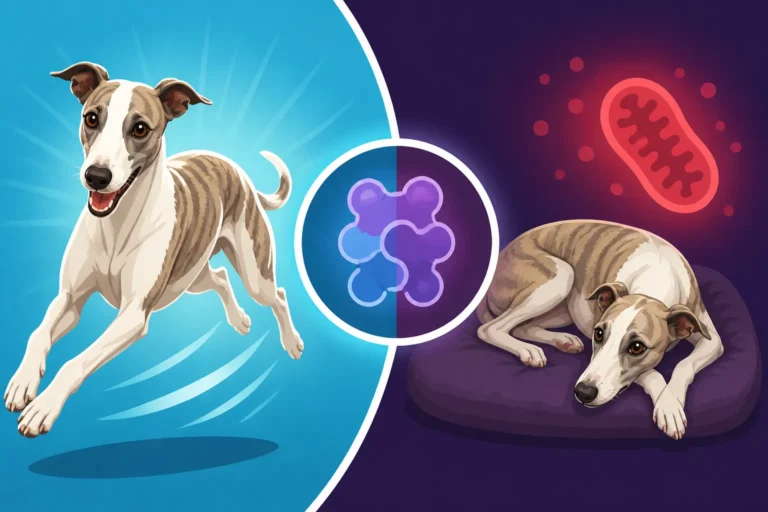
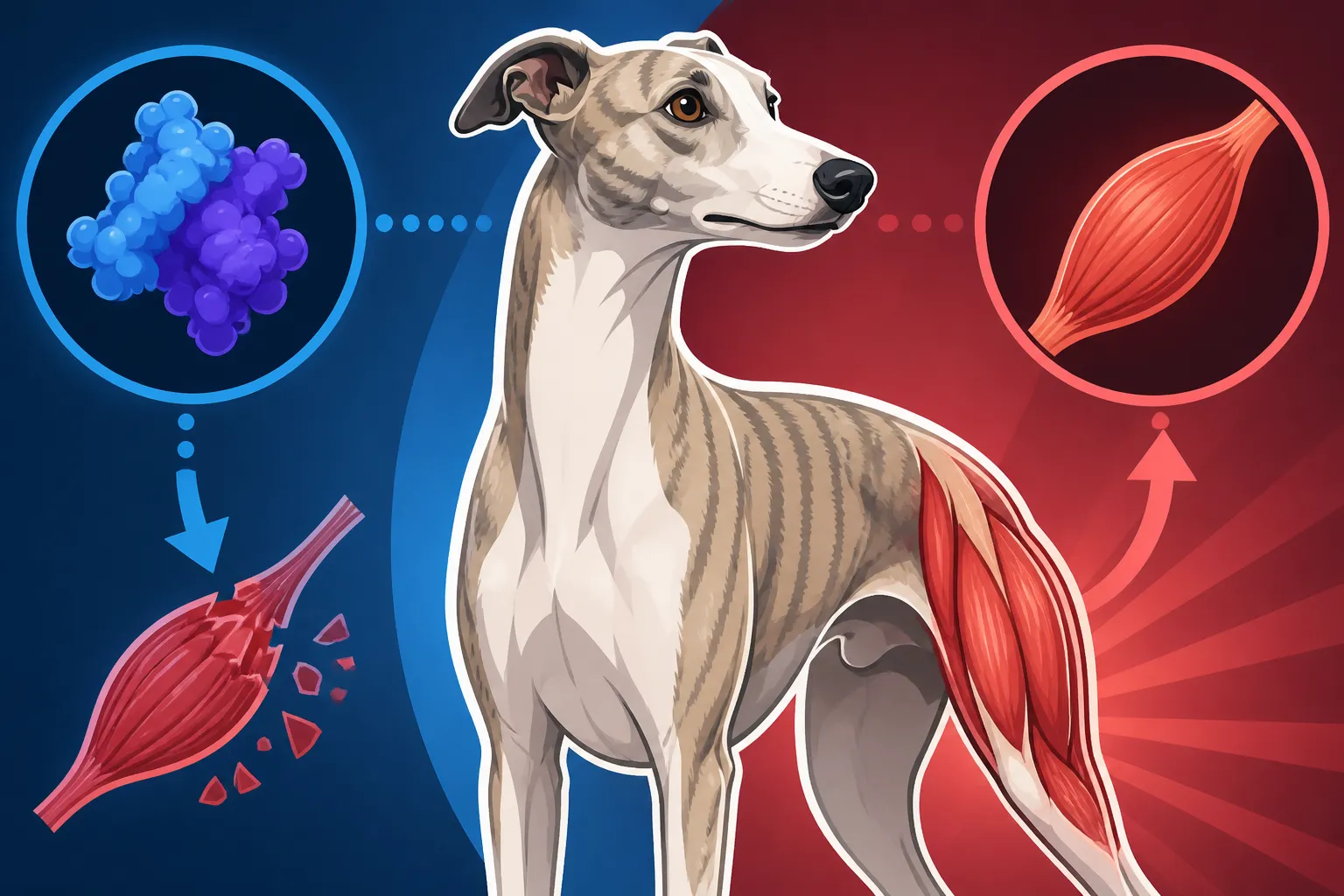
Let's start with the basics. Myostatin isn't some obscure, complicated scientific term designed to confuse us; it's a natural protein found in the bodies of many animals, including humans and dogs. Its primary job is pretty straightforward: it acts as a brake on muscle growth. Think of it like a governor on an engine, preventing it from revving too high.
What is Myostatin and How Does It Function?
Scientifically speaking, myostatin is a growth differentiation factor belonging to the transforming growth factor beta (TGF-beta) family. It's produced primarily in skeletal muscle cells and then secreted into the bloodstream, where it travels to bind with receptors on other muscle cells. When it binds, it sends a signal that essentially says, "Okay, that's enough muscle for now, slow down." This process is crucial for regulating muscle mass, ensuring that animals don't develop excessive amounts of muscle unnecessarily. Without myostatin, or if its function is impaired, muscles can grow unchecked, leading to a much more heavily muscled physique. This delicate balance is vital for normal development and overall health, preventing both muscle wastage and overgrowth.
The Genetic Basis of Muscle Growth Regulation
Every living creature carries a set of instructions within their DNA, called genes, that dictate how their body grows and functions. The production of myostatin is controlled by a specific gene, often referred to as the MSTN gene. Just like with many other genetic traits, there can be variations, or mutations, within this MSTN gene. These mutations can change the way the myostatin protein is produced or how effectively it works. In some cases, a mutation might cause the body to produce less myostatin, or a version of the protein that doesn't function correctly, leading to reduced regulation of muscle growth. This is where we start to see significant differences in an animal's muscularity. It's a complex interplay, but essentially, a slight change in this genetic blueprint can have a profound impact on an animal's physical characteristics, and this is exactly what happens in our Whippets.
Myostatin in Whippets: A Breed-Specific Mutation
Now, let's bring it home to our beloved Whippets. What makes this breed so special, and how does myostatin play a role in their unique athletic abilities and, sometimes, their striking musculature? It all comes down to a specific, well-documented genetic mutation within the MSTN gene that is particularly prevalent in the Whippet breed.
The Specific MSTN Gene Mutation in Whippets
The mutation unique to Whippets is a specific deletion within the MSTN gene. This particular genetic tweak causes the myostatin protein to be produced incorrectly or not at all, effectively taking the "brakes" off muscle growth. The interesting thing is that not all Whippets have the same genetic makeup when it comes to this mutation. They can inherit different combinations of this gene from their parents, leading to distinct physical outcomes. This isn't a random occurrence; it's a specific, identified change in their DNA. For owners, understanding The DNA Test That Finds the Whippet Myostatin Mutation can provide clear answers about their dog's genetic status regarding this trait.
How the Mutation Leads to the "Bully Whippet" Phenotype
When a Whippet inherits two copies of this mutated MSTN gene – one from each parent – the result is what we affectionately, or sometimes with a bit of concern, call a "Bully Whippet." These dogs exhibit an extraordinary degree of musculature, far beyond what you'd typically see in a standard Whippet. Their muscles are incredibly dense and pronounced, giving them a very powerful, almost exaggerated appearance. This is the "phenotype," or the observable characteristic, that results from having two copies of the myostatin mutation. The muscles are able to grow larger and more profusely because the myostatin signal, which usually limits growth, is severely diminished or absent. It’s a striking example of how a single gene can dramatically alter a dog's physical form. Many people are curious about What a Bully Whippet Looks Like at Birth and The Age a Bully Whippet's Muscling Shows, often noticing the subtle differences even in puppyhood that become much more pronounced as they mature.
The Three Myostatin Genotypes and Their Impact
When we talk about the myostatin gene in Whippets, it's not a simple 'yes' or 'no' situation. There are actually three distinct genetic possibilities, or "genotypes," each leading to different physical traits and athletic capabilities. Understanding these genotypes is key to appreciating the diversity within the breed and predicting what your Whippet might look like and how they might perform.
Clear (N/N): The Standard Whippet Build
A Whippet with a "clear" genotype, denoted as N/N, means they have inherited two normal copies of the MSTN gene, one from each parent. These dogs produce myostatin as intended, and their muscle growth is regulated in the standard way. This results in the classic, elegant Whippet build that we all know and love: lean, athletic, and graceful, with well-defined but not excessively bulky muscles.
These are the Whippets you typically see in the show ring, demonstrating that characteristic blend of power and refinement. Their bodies are perfectly proportioned for speed and agility, without any overdevelopment of muscle that might hinder their fluid movement. They are healthy, active dogs, and their musculature is in line with the breed standard, offering them an optimal balance of strength and flexibility. For many owners, a clear Whippet represents the epitome of the breed's physical ideal.
Carrier (N/B): Enhanced Speed and Muscling
Things get really interesting with the "carrier" genotype, which is N/B. This means the Whippet has inherited one normal copy of the MSTN gene and one copy of the mutated, or "Bully," gene. While they still produce some functional myostatin from the normal gene, the presence of the mutated copy reduces its overall effectiveness in regulating muscle growth.
The result? These Whippets often have a slightly more muscled physique than their N/N counterparts, with a noticeable increase in muscle definition and density. This subtle yet significant difference isn't enough to make them look like a "Bully" Whippet, but it often gives them a distinct athletic advantage. Many believe that this genotype is responsible for the incredible speed and power seen in top-performing racing Whippets. It's thought that Why One Copy of the Bully Gene Makes a Whippet Faster lies in this perfect balance: enough muscle for explosive power, but not so much that it impedes flexibility or endurance. These N/B Whippets are often highly sought after by those involved in canine sports like lure coursing and racing, where that extra bit of muscle can make all the difference.
Affected (B/B): The "Bully" Phenotype
Finally, we come to the "affected" genotype, designated as B/B. This occurs when a Whippet inherits two copies of the mutated MSTN gene, one from each parent. In these dogs, the myostatin signaling pathway is severely disrupted, leading to significant, unregulated muscle growth. The physical manifestation is unmistakable: these Whippets are incredibly heavily muscled, far more so than a typical Whippet. Their muscles bulge, particularly in the neck, shoulders, and hindquarters, giving them a distinctly "bully" or "double-muscled" appearance. This is where the term "Bully Whippet Syndrome" comes from, although it's not truly a "syndrome" in the traditional sense of causing illness, but rather a genetic condition leading to an extreme phenotype.
While their appearance is certainly striking, it's worth noting that this extreme musculature can come with its own set of considerations. While many B/B Whippets live perfectly happy, healthy lives, their unusual build can affect their movement and stamina. For those concerned about general health, especially in the long run, discussions around Bully Whippet Syndrome and the Myostatin Gene Behind It are essential. You might also be wondering Whether a Bully Whippet Lives a Normal Life; in many cases, with proper care and understanding, they certainly can. Their diet might need careful consideration to support such muscle mass, and their exercise routines should be tailored to their unique build.
Phenotypic Differences and Athletic Impact
The variations in the MSTN gene don't just affect how a Whippet looks; they profoundly influence their athletic capabilities and how they move through the world. It’s fascinating to see how a single genetic tweak can alter a dog's entire physical performance profile.
Comparing Muscle Mass and Overall Appearance
When you line up a Whippet from each of the three genotypes, the differences in muscle mass are quite striking. The N/N "clear" Whippet showcases the breed's characteristic lean athleticism. Their muscles are well-defined, visible, and taut, giving them a sleek, aerodynamic silhouette that speaks to their speed and agility. You can appreciate their elegant lines and the efficient power beneath their fine coat.
Then there's the N/B "carrier" Whippet. These dogs often look like a "super-sized" version of the N/N, but still within the realm of what you'd recognize as a Whippet. Their muscles are noticeably denser and more pronounced, particularly across the shoulders, chest, and hindquarters. While they maintain the Whippet's characteristic grace, there's an undeniable impression of enhanced power and robustness. This subtle increase in muscle without the exaggerated bulk is often what gives them an edge in high-speed, competitive activities.
Finally, the B/B "affected" or "bully" Whippet presents a dramatically different picture. Their musculature is extreme, with individual muscle groups bulging and appearing almost disproportionate to the rest of their frame. Imagine a bodybuilder in canine form – that's often the impression. Their necks can be thick, chests broad and deep with prominent pectoral muscles, and hindquarters exceptionally powerful and rounded. This hyper-muscularity, while unique, can alter their overall gait and agility compared to their leaner counterparts.
Impact on Athleticism, Speed, and Endurance
The phenotypic differences directly translate into varying athletic profiles. The N/N Whippet is a marvel of balanced athleticism. They excel in short bursts of speed, are incredibly agile, and possess good stamina for typical Whippet activities. They embody the "forty mile an hour couch potato" perfectly, capable of incredible sprints but also content to lounge.
The N/B carrier Whippet often represents the pinnacle of competitive Whippet athleticism. The increased muscle mass, without the bulk, provides explosive power and enhanced speed over short to medium distances. Many of the fastest racing Whippets carry this single copy of the mutated gene. This genotype is believed to optimize the balance between muscle strength and the flexibility and leanness required for supreme acceleration and top-end speed in sports like lure coursing and straight racing. They are built for quick, powerful bursts, making them formidable competitors. This is why you often hear discussions around Whether Racing Whippets Are Selected for the Carrier Gene, as many owners and breeders aim for this athletic sweet spot.
The B/B "bully" Whippet, while possessing immense strength and muscle mass, may not necessarily be the fastest over distance or the most agile. Their sheer bulk can sometimes hinder their top-end speed and make them less nimble. They might have incredible power for a very short burst, but the extra weight and muscle mass can impact their endurance and fluid motion. Some B/B Whippets might even experience cramping during intense activity due to their muscle density, leading to discussions like Why a Bully Whippet Cramps. This doesn't mean they can't be active or enjoy life, but their athletic endeavors might look different, focusing less on sustained high-speed running and more on other forms of exercise suitable for their build. For those considering racing, questions like Whether a Bully Whippet Can Race are common, and the answer often depends on the individual dog and the specific type of race.
Health Implications and Considerations
While the "bully" phenotype might look imposing, it naturally brings questions about the health and well-being of these uniquely muscled Whippets. It’s important for owners and prospective owners to understand that while many B/B Whippets lead perfectly normal lives, there are certain considerations and potential challenges that warrant attention.
Potential Health Challenges for Affected Whippets
The extreme musculature of a B/B Whippet can sometimes lead to orthopedic and other health concerns. The sheer volume of muscle puts additional strain on joints, ligaments, and tendons, potentially increasing the risk of injuries. While Whippets are generally a hardy breed, the altered biomechanics in a Bully Whippet might predispose them to certain issues. Additionally, some B/B Whippets may experience muscle cramping or stiffness, especially after vigorous exercise, which is a direct result of their muscle density and altered metabolic function.
There are also anecdotal reports and ongoing discussions within the community about whether the bulky musculature impacts other systems, such as the heart or respiratory function, but scientific evidence directly linking the myostatin mutation to serious internal organ issues is generally limited. However, as with any dog with an unusual build, it’s always wise to have regular veterinary check-ups. Finding a vet who understands the unique aspects of sighthound physiology, including conditions like The Bloodwork Numbers That Look Wrong on a Healthy Whippet, is always beneficial. When considering pet insurance, a provider like Healthy Paws can offer peace of mind, potentially helping with unexpected veterinary costs related to any health concerns, genetic or otherwise.
Breeding Considerations and Genetic Testing
For breeders, understanding myostatin genetics is absolutely crucial. The MSTN gene is inherited in an autosomal recessive manner, meaning that two copies of the mutated gene are required for the "bully" phenotype to manifest. However, carriers (N/B) play a significant role in passing on the gene.
Here's a breakdown of breeding outcomes:
| Parent 1 Genotype | Parent 2 Genotype | Offspring Genotypes (Probability) | Phenotype Outcomes |
|---|---|---|---|
| N/N (Clear) | N/N (Clear) | 100% N/N (Clear) | All standard Whippets |
| N/N (Clear) | N/B (Carrier) | 50% N/N, 50% N/B | Half standard, half athletic carriers |
| N/N (Clear) | B/B (Affected) | 100% N/B (Carrier) | All athletic carriers |
| N/B (Carrier) | N/B (Carrier) | 25% N/N, 50% N/B, 25% B/B | Mixed: standard, carriers, and bullies |
| N/B (Carrier) | B/B (Affected) | 50% N/B, 50% B/B | Half carriers, half bullies |
| B/B (Affected) | B/B (Affected) | 100% B/B (Affected) | All bully Whippets |
This table clearly illustrates why genetic testing is so important for responsible breeding. Breeders often use DNA tests to determine the myostatin status of their breeding stock. This allows them to make informed decisions to avoid producing B/B "bully" Whippets if that's not their goal, or to understand the implications if they choose to breed carriers. Questions like Whether Two Carrier Whippets Should Be Bred Together are central to ethical breeding practices. Some breeders may specifically aim for N/B carriers for their athletic advantages, while others prioritize the classic N/N standard. Regular health checks, in addition to genetic testing, are fundamental, and having insurance like Healthy Paws can be a sensible safeguard for any unexpected veterinary needs for breeding dogs and their offspring.
Living with a Myostatin-Affected Whippet
Bringing a Whippet into your home, whether they're a standard N/N, an athletic N/B, or a unique B/B "bully" type, is a joy. However, for those living with a myostatin-affected Whippet (B/B), there are some specific considerations to ensure they lead a comfortable and fulfilling life. It's all about understanding their unique needs and dispelling common misconceptions.
Management and Care for Bully Whippets
Caring for a B/B "Bully Whippet" isn't dramatically different from caring for any other Whippet, but their enhanced musculature does mean paying closer attention to certain aspects of their daily routine.
Firstly, diet is crucial. These dogs have significant muscle mass to maintain, which means their caloric and protein needs might be slightly higher than an N/N Whippet. However, it’s a delicate balance; you don't want to overfeed them and add excess fat, which would put even more strain on their joints. Working with your veterinarian to formulate a balanced diet tailored to their activity level and specific needs is highly recommended. You might want to consider Keeping Weight On a Whippet Without Making It Fat and ensuring they receive appropriate nutrition for their robust build.
Exercise needs also vary. While they are Whippets and love to run, intense, prolonged sprints might not always be the best fit for a B/B individual due to potential cramping or joint strain. Shorter, controlled bursts of activity combined with regular, moderate walks are often more suitable. Observe your dog closely for any signs of discomfort or fatigue. Just like with any Whippet, providing plenty of soft bedding is essential to prevent pressure sores, which can be exacerbated by their prominent musculature if they rest on hard surfaces. Considerations like The Pressure Sores a Whippet Gets From Sleeping on the Floor are vital for all Whippets, but particularly important for B/B dogs who might have even more pronounced bony areas.
Regular veterinary check-ups are always a good idea. A vet who is familiar with sighthounds and understands the myostatin mutation can provide tailored advice and monitor for any potential issues proactively. Having a reliable pet insurance plan, such as one from Healthy Paws, can be an invaluable resource to cover these regular check-ups or any unforeseen health issues that might arise.
Dispelling Myths and Understanding Quality of Life
There are many misconceptions floating around about Bully Whippets. One common myth is that they are inherently unhealthy or suffer constantly. This is generally not true. Many B/B Whippets live long, happy, and active lives, enjoying their families and their unique physique. They are still affectionate, gentle, and playful, embodying the classic Whippet temperament. Their personality is not dictated by their muscle mass.
Another myth is that they are "franken-dogs" or unnaturally engineered. While the mutation causes an extreme look, it's a naturally occurring genetic variation within the breed that has existed for some time, albeit gaining more attention with genetic testing. It’s not something that was intentionally designed by breeders to create a specific look, though selective breeding for carrier status (N/B) has definitely occurred in racing lines for athletic advantage.
Ultimately, the quality of life for a B/B Whippet, like any dog, largely depends on responsible ownership. Providing them with a loving home, appropriate nutrition, suitable exercise, and consistent veterinary care will ensure they thrive. They are not defined by their unique musculature alone, but by their incredible Whippet spirit, their endearing personalities, and the bond they share with their human companions. Embracing their differences and providing understanding and care are paramount. In fact, many people cherish the distinctiveness of their Bully Whippet, finding their powerful appearance and sweet nature to be a truly special combination.
Disclaimer
Please remember that the information provided in this article is for educational purposes only and should not be considered a substitute for professional veterinary advice. Always consult with a qualified veterinarian for any health concerns or before making any decisions about your Whippet's care, diet, or exercise regimen.