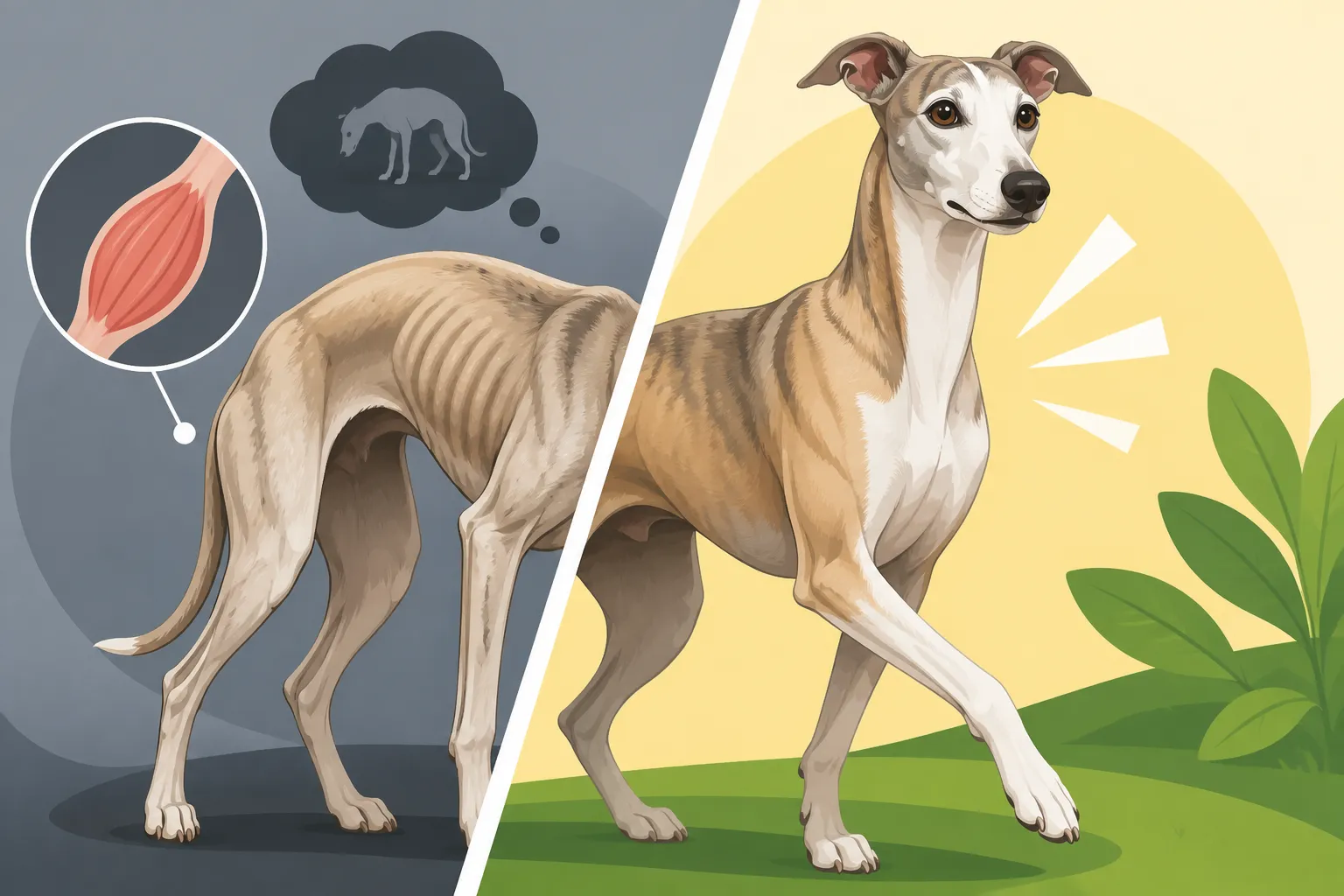
Whether an Old Whippet Loses Muscle
It's a bittersweet reality that as our beloved Whippets transition into their golden years, many of us start noticing subtle—or sometimes not so subtle—changes in their physique. That sleek, muscular outline you've always admired might begin to soften, and you might even feel a little less muscle tone when you stroke their flanks. This guide is here to walk you through why older Whippets often experience muscle loss, what to look for, and most importantly, what you can do to support their strength and quality of life as they age.
What Muscle Loss Looks Like in an Older Whippet
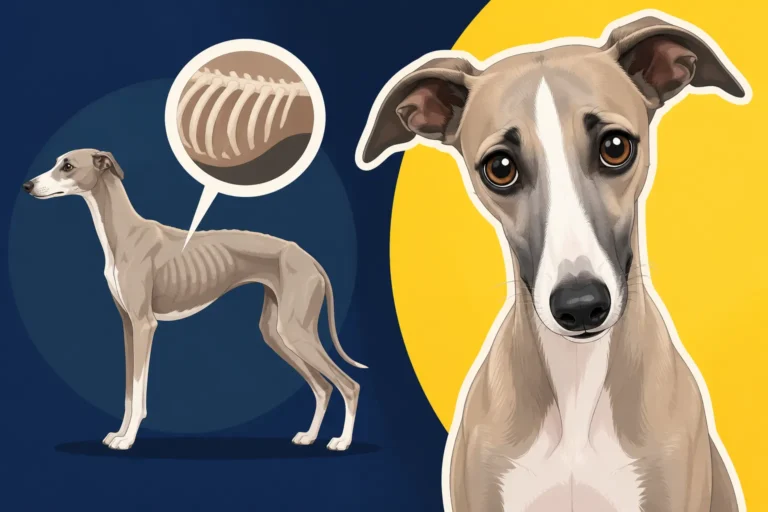
When you live with a Whippet, you become intimately familiar with their lean, athletic build. Their ribs are often visible, their spine usually palpable, and their muscles are typically tight and defined, even if they're not a "bully" type. So, when you start to see changes, it can be concerning. Muscle loss, or sarcopenia, isn't just about looking less athletic; it can significantly impact your Whippet's mobility, balance, and overall well-being.
Distinguishing Normal Aging from Concerning Muscle Wasting
It's important to understand that some degree of muscle loss is a natural part of the aging process in all mammals, including our Whippets. Just like humans, dogs naturally lose muscle mass and strength as they get older, even if they remain active. This is a gradual process, often starting subtly around the time they reach their senior years, which for a Whippet might be around eight or nine. You might first notice that their top line isn't quite as defined, or their hindquarters seem a little less powerful.
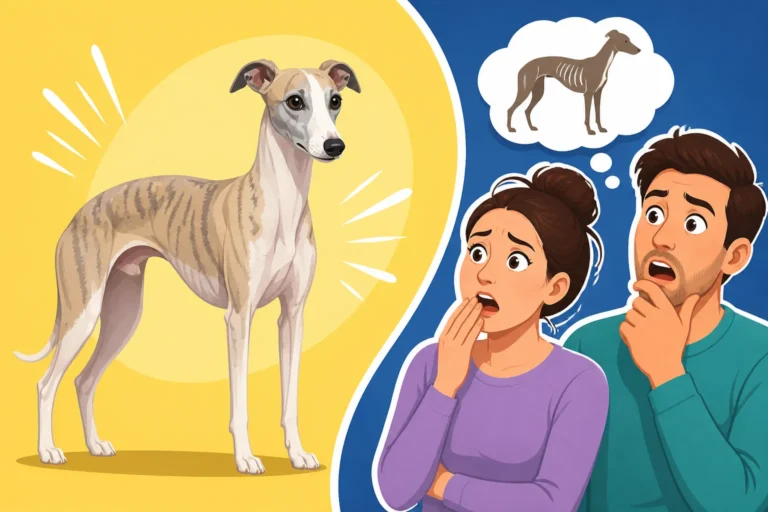
However, there's a difference between this slow, physiological decline and rapid, excessive muscle wasting that could indicate an underlying health problem. If your Whippet suddenly seems much weaker, struggles with everyday movements they used to manage easily, or shows significant muscle loss over a short period, that's a red flag. Normal aging generally doesn't cause dramatic changes overnight; it's more of a gentle slide. Keeping a close eye on their overall condition, not just their weight, is key. Many Whippet owners worry about Keeping Weight On a Whippet Without Making It Fat, and this becomes even more crucial in their senior years.
Common Areas Where Whippets Show Muscle Loss
Because Whippets are so lean by nature, muscle loss can be quite apparent. One of the first places you might notice it is over their hips and hindquarters. The strong, rounded muscles that power their incredible sprints might start to flatten or even look concave. Their thighs might feel less firm to the touch.
Another common area is along their spine. Where you once felt defined musculature alongside the vertebrae, you might now feel the bones more prominently, or the muscle might feel softer and less substantial. You might also notice a decrease in muscle around their shoulders and the top of their front legs, which can lead to a less stable gait. Their temporal muscles (on the sides of their head, just behind their eyes) can also atrophy, making their head appear bonier. It’s important to distinguish this from simply being underweight; a Whippet can be at a healthy weight but still show signs of muscle loss. If you're wondering about the timing, remember that The Age a Whippet Counts as a Senior is typically around eight years old, which is often when these changes begin to manifest.
The Underlying Reasons Why Senior Whippets Lose Muscle Mass
Understanding why muscle loss occurs in older Whippets can help us manage it more effectively. It’s rarely just one factor but usually a combination of biological changes and lifestyle shifts.
Age-Related Sarcopenia: The Inevitable Decline
As mentioned, sarcopenia is the natural, involuntary loss of skeletal muscle mass, strength, and function with age. It's a complex process involving multiple biological pathways. For our Whippets, this means that even with adequate nutrition and exercise, their bodies become less efficient at maintaining and repairing muscle tissue. The muscle fibers themselves can shrink, and there's a decrease in the number of muscle cells.
This isn't a sign you've done anything wrong; it's simply a part of the journey through The Twelve to Fifteen Years a Whippet Lives. The rate at which this happens can vary widely among individuals, influenced by genetics, lifetime activity levels, and overall health. Some Whippets maintain a surprising amount of muscle well into their double-digit years, while others show more pronounced changes earlier.
The Role of Activity Levels and Mobility Issues
A less active lifestyle directly contributes to muscle atrophy. As Whippets get older, they often naturally slow down. They might not be as keen on their explosive sprints, or their walks might become shorter and more leisurely. This reduction in activity means their muscles aren't being used as intensely or as frequently, leading to a "use it or lose it" scenario.
Furthermore, age-related conditions like arthritis or other joint pain can make movement uncomfortable, leading to further inactivity. A Whippet with stiff hips or a sore back will instinctively move less, which then exacerbates muscle loss in those areas. This creates a vicious cycle: less movement leads to muscle loss, which makes movement even harder, leading to even more muscle loss. This is why even when you think Whether an Old Whippet Still Wants to Run, gentle alternatives are crucial.
Health Conditions That Can Accelerate Muscle Loss
While some muscle loss is normal, certain health issues can significantly speed up the process. Chronic illnesses like kidney disease, heart conditions (such as Mitral Valve Disease Is What Ends Most Old Whippets), or even certain cancers can cause rapid muscle wasting as the body struggles to cope with the illness. Metabolic disorders, such as untreated thyroid issues (though less common in Whippets than other breeds, it's something to monitor), can also play a role.
Even dental problems can indirectly lead to muscle loss. If a Whippet has painful teeth, they might not eat enough, or they might struggle to chew nutritious foods, leading to a calorie deficit and subsequent muscle loss. Regular vet check-ups are paramount for older Whippets to catch these issues early.
Practical Steps to Support Muscle Health in Your Aging Whippet
The good news is that while sarcopenia is inevitable, we can absolutely take steps to slow its progression and support our Whippet's comfort and mobility. It's all about a holistic approach combining nutrition, appropriate exercise, and proactive veterinary care.
Tailoring Nutrition for the Senior Sighthound
Diet plays a huge role in maintaining muscle mass. As Whippets age, their nutritional needs can shift. They might require a diet higher in easily digestible protein to help maintain muscle, even if their overall calorie needs decrease due to reduced activity. Look for senior dog foods formulated with high-quality protein sources.
Consider incorporating specific supplements that support muscle and joint health. Omega-3 fatty acids (like fish oil) can help reduce inflammation, which is often a factor in joint pain that discourages movement. Glucosamine and chondroitin are popular for joint support. Some vets might even recommend specific amino acid supplements. Always discuss any dietary changes or supplements with your veterinarian. When choosing foods or supplements, online retailers like Chewy and Amazon offer a wide range of senior dog formulas and supplements, making it easy to compare options and read reviews from other pet parents. Brands like Ollie also offer fresh food options which can be highly palatable and digestible for older dogs. For more specific guidance on what to feed, check out Feeding an Old Whippet.
Here's a quick comparison of nutritional considerations for active adult vs. senior Whippets:
| Nutritional Aspect | Active Adult Whippet | Senior Whippet (8+ Years) |
|---|---|---|
| Protein Level | Moderate to High (for performance/repair) | High (for muscle maintenance, easily digestible) |
| Fat Level | Moderate to High (for energy) | Moderate (may need less if activity decreases, watch weight) |
| Carbohydrates | Moderate (energy source) | Moderate (complex carbs for sustained energy) |
| Fiber | Adequate (digestive health) | Increased (for digestive regularity, bowel health) |
| Calories | Higher (to fuel activity) | Lower to moderate (to prevent obesity with reduced activity) |
| Supplements | Optional (joint support for athletes) | Recommended (joint support, omega-3s, antioxidants) |
| Digestion | Robust | May benefit from highly digestible ingredients |
Maintaining Gentle, Appropriate Exercise
While your senior Whippet might not be tearing across the yard at 35 mph anymore, regular, low-impact exercise is still vital for maintaining muscle mass and joint flexibility. Think consistent, shorter walks rather than long, strenuous hikes. Two or three shorter walks a day might be better than one long one, as it keeps their muscles engaged without overtaxing them.
Activities like gentle swimming (if your Whippet tolerates it and you live in a warm climate or have access to a heated pool) can be excellent, as it provides resistance without impact. Leash walking on soft surfaces like grass can be easier on their joints than pavement. Even short sessions of gentle play with toys can help keep muscles toned and minds engaged. The key is consistency and moderation, always paying attention to your Whippet's comfort level. Don't push them if they're showing signs of pain or fatigue. Remember, Whether an Old Whippet Still Wants to Run is more about maintaining mobility and enjoyment than setting speed records.
Importance of Regular Veterinary Check-ups and Early Intervention
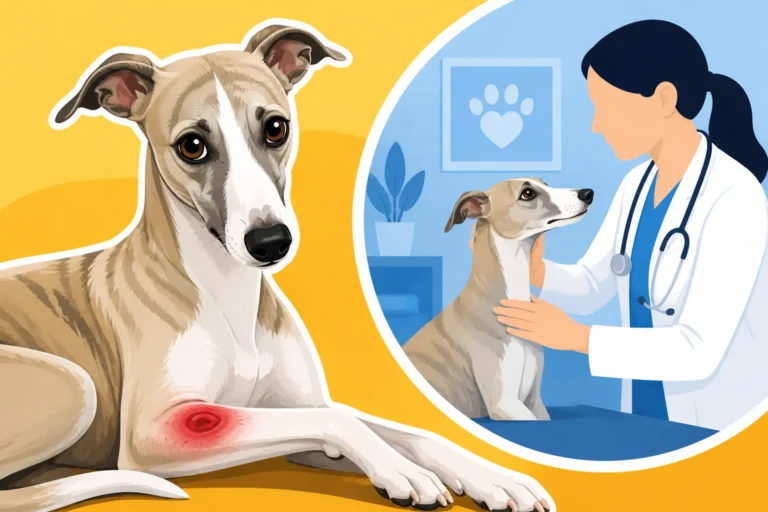
Regular veterinary check-ups are probably the single most important tool in managing muscle loss in older Whippets. Vets are trained to spot subtle signs of health issues that you might miss, and they can perform diagnostic tests to rule out underlying diseases. For senior Whippets, a comprehensive exam often includes checking for signs of arthritis, assessing heart health, and running bloodwork to check organ function.
Early intervention is crucial. If your vet identifies arthritis, for example, they can recommend pain management strategies (like anti-inflammatory medications or supplements) that will make your Whippet more comfortable and more willing to move. This, in turn, helps preserve muscle. Your vet can also assess your Whippet's overall body condition score and recommend specific dietary adjustments or supplements tailored to their individual needs. Consider discussing a sighthound anesthesia protocol if your senior Whippet ever needs a procedure, as their unique physiology requires special considerations.
Knowing When to Seek Veterinary Guidance
It's natural to have questions and concerns as your Whippet ages. Knowing when to simply observe and when to pick up the phone to your vet can make all the difference.
Identifying Red Flags in Muscle Wasting
While a gradual softening of muscle tone is common, certain signs should prompt a call to your vet:
- Rapid Muscle Loss: If you notice a significant decrease in muscle mass over just a few weeks or months, rather than a slow, years-long progression.
- Difficulty with Movement: Struggling to get up from lying down, difficulty navigating stairs, or a noticeable change in their gait (e.g., limping, dragging paws, stumbling more often).
- Changes in Appetite or Energy: If muscle loss is accompanied by a decreased appetite, lethargy, or other general signs of illness.
- Pain or Discomfort: Any vocalization of pain, reluctance to be touched in certain areas, or a change in behavior that suggests they are uncomfortable.
- Loss of Balance: Increased wobbliness or falling.
These symptoms could point to more than just age-related sarcopenia; they could indicate conditions like neurological issues, severe arthritis, or other systemic diseases that require medical attention.
Diagnostic Tools Your Vet Might Use
When you bring your senior Whippet in with concerns about muscle loss, your vet will likely start with a thorough physical examination, feeling their muscle groups, checking joint mobility, and assessing their gait. They might also recommend a range of diagnostic tests:
- Bloodwork: This can help identify underlying conditions like kidney disease, liver disease, diabetes, or thyroid issues that could contribute to muscle wasting. They might look for specific markers that indicate inflammation or nutritional deficiencies.
- Urinalysis: Another key diagnostic to check kidney function and rule out urinary tract infections or other metabolic issues.
- Radiographs (X-rays): These can be invaluable for identifying arthritis, spinal problems, or other orthopedic issues that might be causing pain and reduced mobility.
- Echocardiogram: If heart disease is suspected, an echocardiogram can assess heart function. Whether a Whippet's Enlarged Heart Is Normal is a common question, and this test can differentiate between an athletic heart and one with disease.
- MRI or CT Scans: In some cases, if neurological issues are suspected, advanced imaging might be recommended to get a detailed view of the brain and spinal cord.
Your vet will consider your Whippet's entire medical history, lifestyle, and your observations to create the most appropriate diagnostic and treatment plan. Supporting our Whippets through their senior years means being observant, proactive, and working closely with our veterinary partners to ensure they remain as comfortable and strong as possible.
Disclaimer
This article is for general informational purposes only and does not constitute professional advice. Laws, prices and regulations vary by location and change over time. Consult a qualified professional for guidance on your specific situation.