Whether a Whippet Needs Two Layers in Winter
When winter descends, many of us whippet owners find ourselves bundling up our sleek companions, often wondering if one layer is truly enough. It’s a common frustration, seeing your elegant dog shivering despite their cute sweater, and it makes you question if you’re doing enough to protect them from the biting cold. For a whippet, with their notoriously thin skin and minimal body fat, a single coat often just isn't sufficient when the temperatures really drop or the wind howls. This guide will help you understand why your whippet might need more than one layer and provide practical advice on how to effectively bundle them up for maximum warmth and comfort during the coldest months.
Why a Whippet Feels the Cold So Intensely
Let's be honest, whippets are not built for arctic expeditions. Their entire physical makeup, designed for speed and agility, leaves them incredibly vulnerable to cold weather. It's not just a preference; it's a physiological reality that makes them shiver at temperatures that other breeds might barely notice.
The Lack of Natural Insulation
One of the most striking features of a whippet is their lean physique. While it makes them incredibly athletic and beautiful, it also means they have next to no natural insulation. Think about it: a thick-coated husky or Newfoundland has a dense double coat and a layer of subcutaneous fat to keep them toasty. Your whippet, on the other hand, is basically skin and muscle. They simply don't have the biological tools to generate and retain heat like most other dogs. A Whippet Has No Insulation and No Padding is a truth every owner quickly learns. Without that natural buffer, cold air penetrates right through to their core.
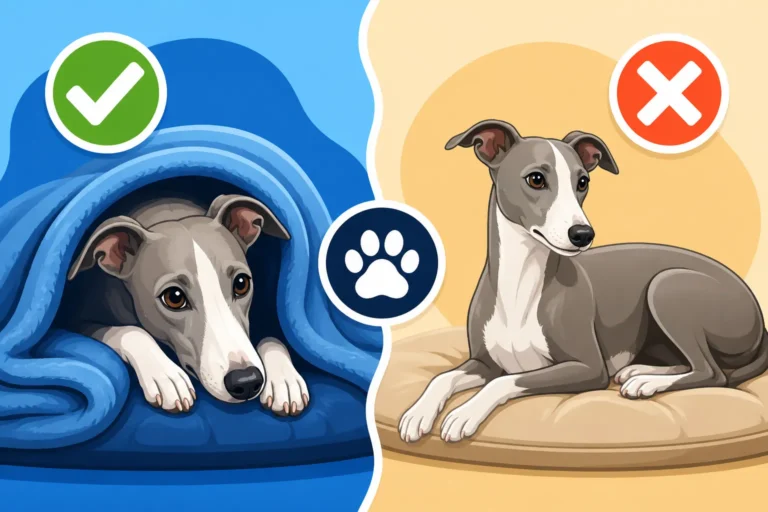
This isn't a sign of weakness; it's just how they're made. Their short, fine coat offers little in the way of protection, especially when exposed to wind or dampness. Even indoors, in a slightly cool room, you'll often find your whippet seeking out sunbeams, burrowing under blankets, or snuggling deep into their beds. They're constantly trying to conserve what little body heat they can generate.
Thin Skin and Exposed Areas
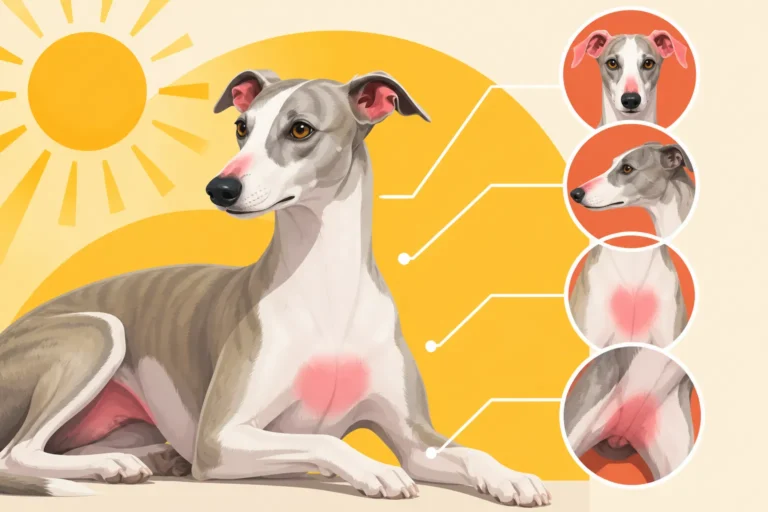
Beyond the lack of fat, whippets also have incredibly thin skin, which is another factor in their susceptibility to cold. This delicate skin, while contributing to their elegant appearance, offers almost no barrier against chilly air. You can practically see their veins and muscles right beneath the surface. This means that areas like their chest, belly, and legs—which are often the most exposed parts when out and about—feel the cold almost immediately.
Their ears, in particular, are thin and prone to getting very cold, which can even lead to issues like frostbite in extreme conditions. Frostbite on a Whippet's Ears is a real concern in truly frigid temperatures. When they're outside and the wind picks up, it strips away any warmth, leaving them exposed and uncomfortable. You'll see them hunching their backs, tucking their tails, and doing that signature whippet shiver, which is their body's desperate attempt to create warmth. It’s heartbreaking to watch, and it’s a clear signal that they need more protection.
When One Layer Simply Isn't Enough
While a single sweater or lightweight coat might suffice for a quick potty break on a brisk autumn day, there are many winter scenarios where it just won't cut it for your whippet. Knowing when to double up on their warmth can make all the difference to their comfort and even their health.
Very Cold Temperatures and Wind Chill
The general rule of thumb for whippets is that if you're cold, they're probably colder. But when the thermometer dips significantly, or if there's a harsh wind chill, that single layer becomes practically useless. Think about standing outside on a 20-degree Fahrenheit (-6 degrees Celsius) day with only a light jacket – you'd feel the bite almost instantly, right? Your whippet feels it even more acutely.
Wind is a particular enemy for whippets. It pierces through thin fabric, effectively stealing their body heat at an accelerated rate. A thick, windproof outer layer is crucial, but on its own, it might not provide enough insulation against the intense cold. This is where layering comes into play: a base layer of fleece or wool under a waterproof, windproof shell creates a much more effective thermal barrier. It’s about creating pockets of warm air that their body heat can maintain. The Temperature at Which a Whippet Needs a Coat is often much higher than you might think for other breeds.
Longer Outdoor Exposure and Reduced Activity
A quick dash outside to relieve themselves is one thing, but a longer walk, a leisurely sniff around the neighborhood, or even waiting for you while you chat with a neighbor, demands more protection. When a whippet is standing still or moving slowly, their body isn't generating as much heat as when they're actively running and playing. This means they cool down much faster.
Consider a winter walk: your whippet might be excited and active for the first few minutes, generating some warmth. But as the walk progresses, especially if they slow down to investigate a scent or you pause for a moment, that warmth dissipates quickly. If the ground is cold or wet, that also contributes to heat loss from their paws and belly. For these extended periods, a single sweater, no matter how thick, can become saturated with cold and dampness, losing its insulating properties. Layering helps them maintain a consistent body temperature throughout the outing, ensuring they stay comfortable even when their activity level fluctuates. Whether an Old Whippet Needs More Layers is a particularly important consideration, as older dogs often have a harder time regulating their body temperature.
Wet or Snowy Conditions
Rain, sleet, or snow presents another challenge for whippets. Their short coats offer zero water resistance. Once wet, that single layer of fabric not only stops insulating but actually accelerates heat loss. Imagine wearing a single wet cotton shirt in winter; it would make you colder, not warmer. The same applies to your whippet.
If you live in an area prone to winter precipitation, a waterproof outer layer is non-negotiable. However, just a waterproof shell might not provide enough warmth underneath. What you need is an insulating base layer to keep them warm, protected by a waterproof top layer to keep them dry. This combination ensures that even if they roll in the snow or get caught in a sudden downpour, their core warmth is preserved. Whether a Whippet Needs a Different Coat for Rain and Snow highlights the need for specialized protection depending on the weather conditions.
The Advantages of a Layered Approach
Thinking of your whippet's winter wardrobe like your own — with base layers, mid-layers, and outer shells — is the smartest way to keep them truly comfortable. This isn't just about adding more fabric; it's about strategic warmth.
Superior Insulation and Adaptability
The magic of layering lies in how multiple thin layers trap air between them. These tiny air pockets act as insulators, much like the insulation in your house walls. This trapped warm air creates a much more effective barrier against the cold than a single, bulky garment. It allows their body heat to build up and stay close to their skin, rather than escaping into the cold environment.
Beyond just warmth, layering offers incredible adaptability. Winter weather is notoriously unpredictable. One day might be bitterly cold, the next merely chilly. With layers, you can easily adjust your whippet's outfit to suit the exact conditions. For a milder, dry winter day, perhaps just a warm fleece sweater is enough. But if the temperature drops and the wind picks up, you can add a windproof or waterproof outer shell over that fleece. This flexibility means your whippet is always dressed appropriately, preventing both shivering from being too cold and overheating from being overdressed. Keeping a Whippet Warm Without Overheating It is just as important as keeping them warm in the first place!
Protection from Elements and Improved Comfort
A layered system doesn't just keep your whippet warm; it also offers better all-around protection from the elements. The outer layer can be specifically chosen to be waterproof and windproof, shielding the insulating inner layers from rain, snow, and biting gusts. This keeps the internal fleece or wool dry and effective, ensuring consistent warmth.
Moreover, multiple layers can often feel more comfortable and less restrictive than a single very thick, stiff coat. A softer, lighter base layer next to their skin can feel much nicer, and then a well-fitting outer shell can protect without hindering movement. This is particularly important for active whippets who still want to run and play, even in colder weather. They need to be able to stretch, sprint, and curl up without their clothing feeling bulky or tight. A well-chosen layered ensemble allows for this freedom of movement, ensuring your whippet remains a happy, agile companion even when bundled up.
Choosing and Combining Your Whippet's Winter Layers
Building a functional layered wardrobe for your whippet involves selecting the right pieces for different needs and understanding how to combine them effectively.
Base Layers: The Foundation of Warmth
Your whippet's base layer is the garment closest to their skin. Its primary job is to provide initial warmth and, ideally, to wick away any moisture, though whippets don't sweat much in the way humans do.
- Materials: Fleece is a fantastic choice for a base layer. It's soft, warm, lightweight, and dries relatively quickly if it gets damp. Wool blends are another excellent option, known for their superior warmth-to-weight ratio and ability to insulate even when wet. Cotton, while soft, isn't ideal for very cold or wet conditions as it absorbs moisture and stays cold.
- Fit: The base layer should be snug but not restrictive. It should cover as much of their body as possible, including the chest, belly, and ideally, part of the legs. Look for designs specifically made for sighthounds, which often feature a deeper chest and narrower waist to ensure a good fit without gaping. Brands found on platforms like Chewy or Amazon often offer various sighthound-specific designs.
- Examples: Think of a simple, well-fitting fleece onesie or a soft, knitted sweater. These can be worn indoors if your whippet tends to shiver Whether a Whippet Needs a Coat Indoors or as the essential first layer for outdoor excursions.
Outer Layers: Protection from the Elements
The outer layer is your whippet's shield against the harshest elements. It needs to be tough, windproof, and waterproof to protect the insulating layers underneath.
- Materials: Look for coats made from durable, waterproof or highly water-resistant fabrics like treated nylon or polyester. Many quality winter coats will also have a warm lining, but the key feature for the outer layer is its ability to repel wind and water.
- Fit: The outer coat should fit comfortably over the base layer without being too tight or hindering movement. It should cover their back from neck to tail, and ideally have a generous chest and belly panel for maximum coverage. Which Coat Brand Fits a Whippet's Deep Chest is a question many whippet owners ponder, as a good fit is crucial.
- Features: Consider coats with reflective strips for visibility, adjustable straps for a secure fit, and a high collar to protect their neck and ears. Some even have leg straps to prevent the coat from flapping up in the wind.
- Examples: A robust, insulated winter coat that is both windproof and waterproof. This is the layer that will protect against snow, sleet, and icy winds, keeping the inner warmth intact. What a Winter Coat for a Whippet Costs can vary greatly, but investing in a good quality outer layer is usually worth it.
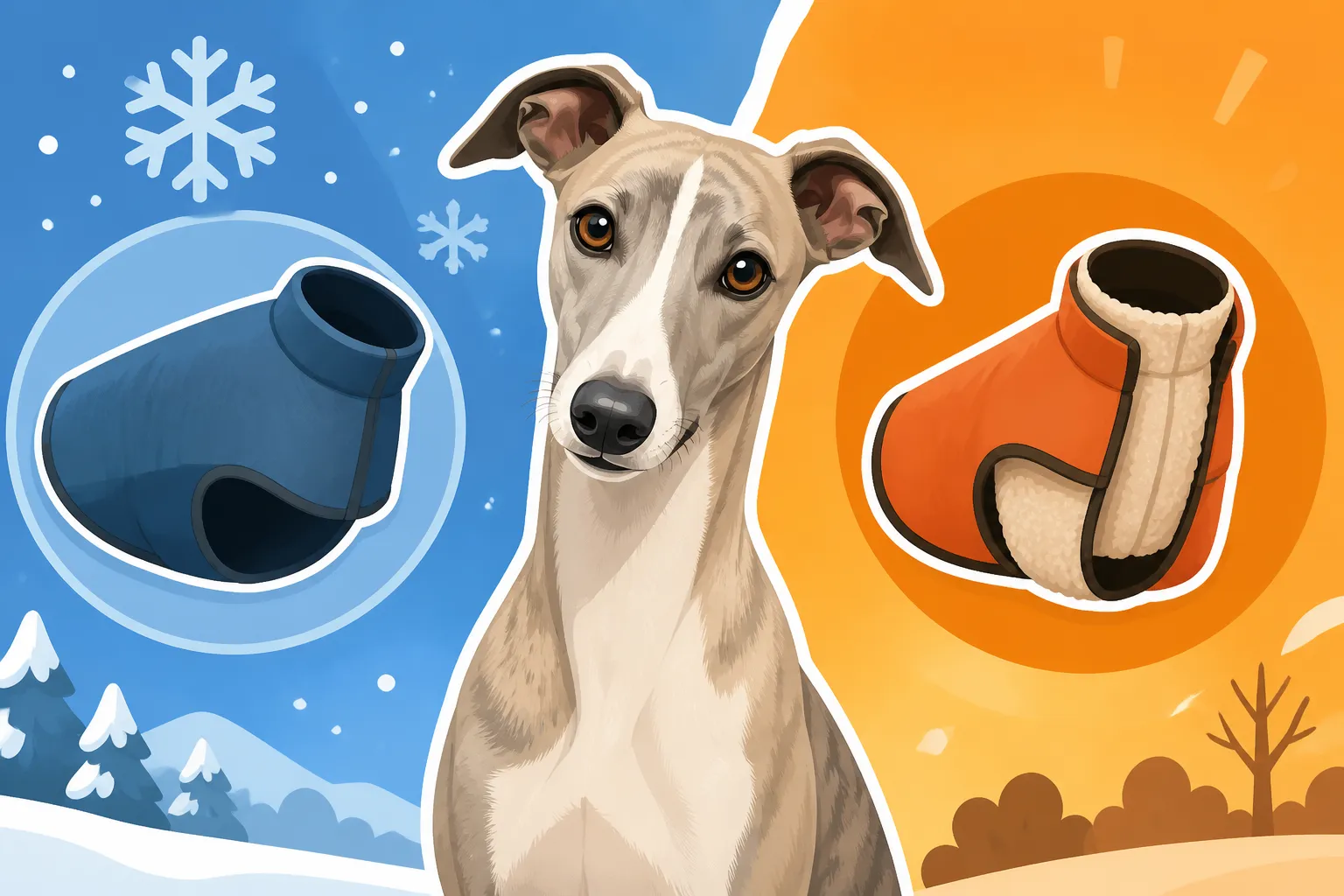
Here’s a simple table to help you visualize a layered approach:
| Layer Type | Purpose | Ideal Materials | Fit | When to Use |
|---|---|---|---|---|
| Base Layer | Primary warmth, moisture wicking | Fleece, Wool Blends | Snug, full coverage | Chilly indoors, as first layer outdoors |
| Outer Layer | Windproof, waterproof, additional insulation | Treated Nylon/Poly, Softshell | Over base layer, secure | Cold, windy, wet, or snowy conditions |
Layering Strategies for Different Scenarios
Now, let's put it all together with some real-world examples:
- Mild Winter Day (e.g., 40-50°F / 4-10°C, no wind/rain): A single medium-weight fleece sweater or a lined softshell coat might be perfectly adequate. For a short potty break, even just a thicker sweater could work.
- Cold Winter Day (e.g., 20-35°F / -6-2°C, moderate wind): This is where a two-layer approach truly shines. Start with a warm fleece base layer (like a snug onesie or sweater) and then add a windproof, insulated outer coat. This combination will provide excellent warmth and prevent the wind from cutting through.
- Very Cold or Snowy Day (e.g., below 20°F / -6°C, snow, sleet, or heavy wind): For these conditions, two substantial layers are almost always necessary. A thick fleece or wool base layer under a heavy-duty, waterproof, and well-insulated winter coat is your best bet. If your whippet is particularly sensitive to cold, you might even consider adding a thin, thermal T-shirt as a first base layer, followed by a fleece, and then the outer coat. Don't forget paw protection like booties on snowy or icy surfaces to prevent frostbite and chemical burns from de-icers. Whether a Whippet Should Walk in Snow needs careful consideration.
Remember to always monitor your whippet for signs of cold, such as shivering, hunching, trying to lift paws, or seeking shelter. If you see these signs, it's time to head indoors or add another layer. And conversely, be mindful of overheating if they're particularly active or if the weather improves unexpectedly. The beauty of layering is that you can always peel off a layer if needed. How Many Coats a Whippet Actually Needs might surprise you, but having options is key!
Other Considerations for Winter Whippet Care
Layering coats is a huge step in keeping your whippet warm, but a holistic approach to their winter care is truly the best way to ensure their health and happiness.
Paw Protection
It’s not just their bodies that feel the cold. Whippets' paw pads are relatively delicate, and they can suffer from cold, ice, snow, and the harsh chemicals often used to melt ice on sidewalks. While a layered coat protects their core, don't forget their paws.
Consider investing in a good pair of dog boots for walks in icy, snowy, or salted conditions. It might take a little training to get them used to wearing them, but the protection they offer is invaluable. Not only do they prevent direct contact with cold surfaces and chemicals, but they also add another layer of insulation, reducing heat loss from their extremities. Look for boots that are flexible enough for movement but sturdy enough to stay on.
Indoor Warmth and Bedding
Even with the best outdoor wardrobe, your whippet spends a significant amount of time indoors. Ensuring their home environment is cozy and warm is paramount. Why a Whippet Shivers Indoors is often a sign that the ambient temperature isn't quite right for them.
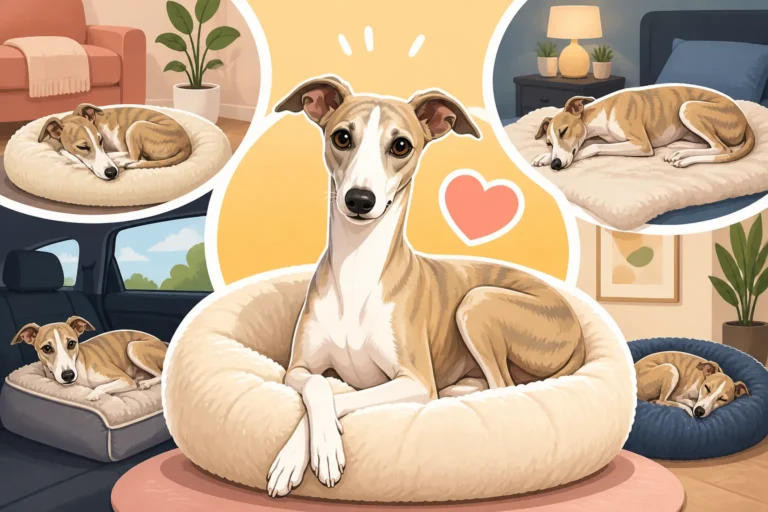
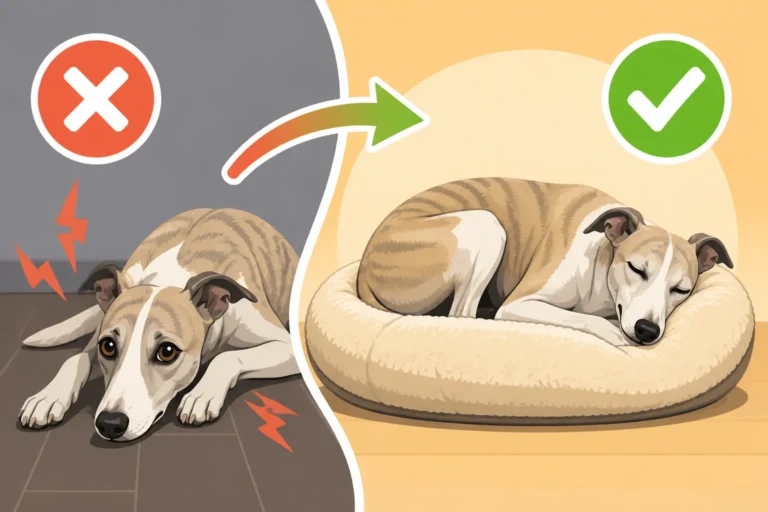
- Beds, Beds, Everywhere: Whippets absolutely adore soft, plush bedding. They need multiple comfortable spots around the house where they can curl up. Memory foam beds, deep orthopedic beds, or even just piles of soft blankets are highly appreciated. The goal is to get them off cold floors and provide plenty of soft material for burrowing.
- Blankets for Burrowing: Whippets are champion burrowers. Provide plenty of blankets, throws, and duvets for them to dig into and disappear under. This natural behavior helps them create their own warm, secure nest. You might find them preferring to sleep under your duvet with you!
- Heated Options: For particularly sensitive whippets or older dogs, a heated dog bed or a safe, low-level heating pad can be a lifesaver. These provide consistent, gentle warmth that can be incredibly soothing and help maintain their body temperature without making the entire house uncomfortably warm for you. Whether a Whippet Needs a Heated Bed in Winter is a valid question, especially for senior dogs. Caring for an Old Whippet That Feels the Cold often means extra attention to their warmth.
Nutrition and Hydration
While not directly about coats, good nutrition and hydration play a supporting role in keeping your whippet healthy and resilient against the cold.
- Consistent Diet: Ensure your whippet is on a consistent, high-quality diet that meets all their nutritional needs. A healthy dog is better equipped to regulate its body temperature. However, be cautious about overfeeding to "bulk them up" for winter; a whippet should remain lean. Keeping Weight On a Whippet Without Making It Fat is a delicate balance.
- Water Access: Even in winter, dogs need plenty of fresh water. Dehydration can affect their ability to regulate body temperature, so always ensure a readily available water source, both indoors and during longer outdoor excursions. If outdoor water bowls freeze, consider heated bowls or bringing water from home.
By combining a smart layering strategy for outdoor adventures with a cozy indoor environment and mindful general care, you can ensure your whippet sails through the winter months comfortably and happily.
Disclaimer
This article is for general informational purposes only and does not constitute professional advice. Laws, prices and regulations vary by location and change over time. Consult a qualified professional for guidance on your specific situation.