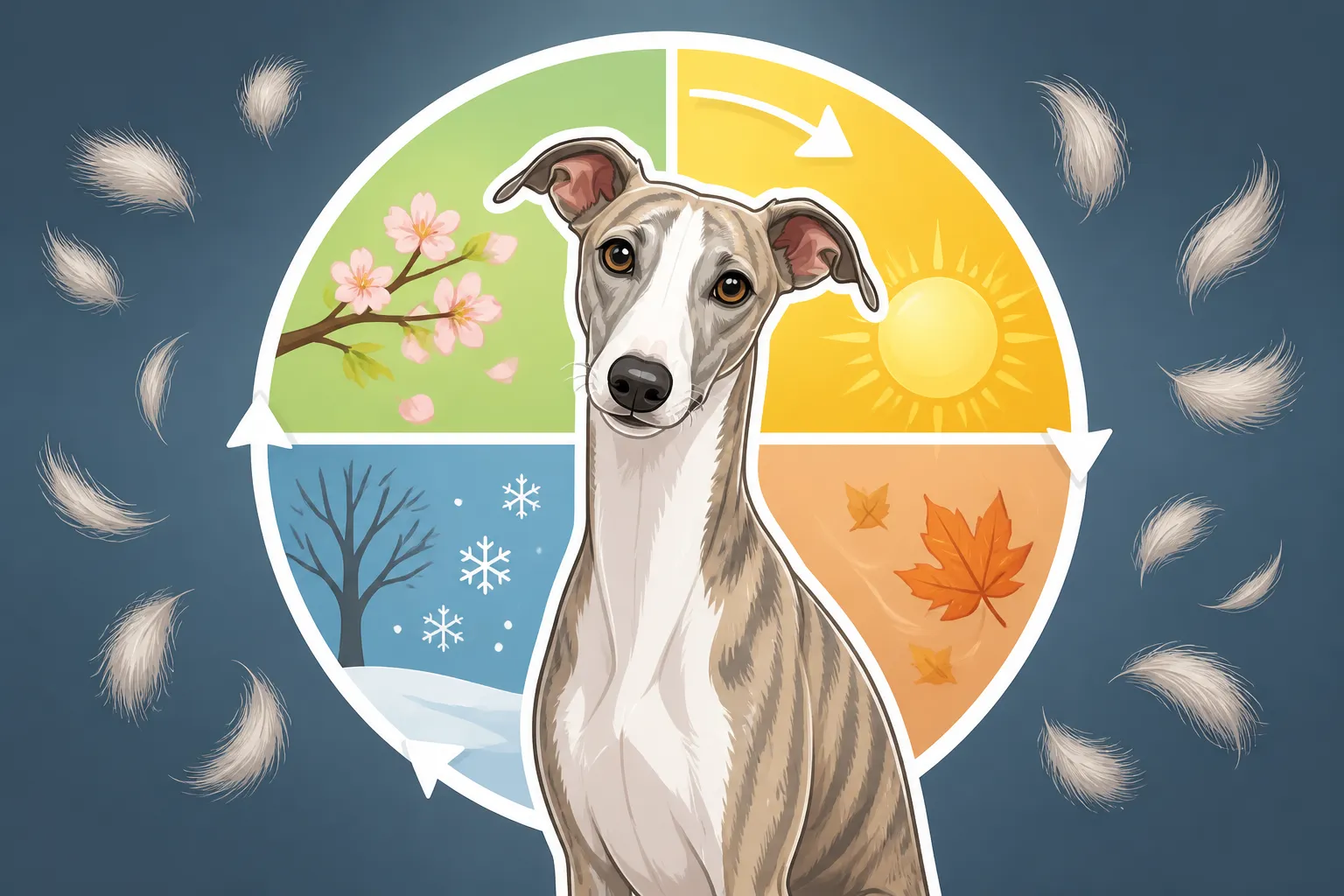
How Much a Whippet Sheds Year Round
It’s a common misconception, isn't it? You see a sleek, short-coated Whippet and think, "Ah, finally, a dog that won't turn my house into a fur factory!" And while it's true that Whippets aren't generally in the same league as, say, a German Shepherd or a Golden Retriever when it comes to shedding volume, they absolutely do shed, and they do it pretty consistently all year round. This guide is here to give you the realistic picture of what to expect from your Whippet's coat, and how to manage those fine, often surprisingly sticky hairs.
Unpacking the Reality of Whippet Shedding
Many prospective and even new Whippet owners are often quite surprised by the reality of their dog's shedding habits. The image of a short-coated, low-maintenance breed often translates in people's minds to "no shedding," but that's just not how it works with our sighthound friends.
Dispelling the Low-Shedder Myth
Let’s get real for a moment. If you've ever owned a Whippet, you know that the idea of them being "low-shedders" is a little optimistic. It's a truth universally acknowledged in the Whippet world that those little hairs manage to find their way onto everything. Your dark clothing, your light furniture, the clean laundry you just pulled out of the dryer – they're everywhere. It's not the tumbleweeds of fur you might get from a double-coated breed, but it's a constant, steady sprinkle that makes its presence known. The frustration is real when you spend ages cleaning, only to find fresh hairs almost immediately. It’s part of the Whippet charm, really, but it certainly isn’t "low" in the sense of being undetectable.
The Fine, Sharp Hairs of a Whippet's Coat
One of the reasons Whippet hair can feel so pervasive isn't just the quantity, but the quality. Their coats are made up of very fine, short, stiff hairs. Unlike the soft, fluffy undercoat hairs of some breeds, Whippet hairs are almost needle-like. This means they tend to embed themselves into fabric rather than sitting on top, making them particularly tricky to remove from upholstery, carpets, and clothes. You might find yourself lint-rolling your favorite sweater only to realize the hairs have dug in deeper. They can be quite static too, clinging to surfaces like magnets, which adds another layer of challenge to keeping them at bay. It’s this texture, more than sheer volume, that makes Whippet shedding noticeable.
Year-Round, Not Just Seasonal
While many breeds have distinct "blowing coat" seasons, typically in spring and fall, Whippets tend to shed fairly consistently throughout the year. Yes, you might notice a slight uptick during seasonal changes, or when they’re adjusting to indoor climate changes (like turning on the heat in winter or AC in summer). However, don't expect a period where shedding completely stops. Their single-layer coat is always in a state of renewal, with old hairs constantly making way for new ones. This means that managing shedding isn't a twice-a-year event; it's an ongoing, daily consideration if you want to keep your home reasonably hair-free. It's a subtle but persistent reminder that your beloved canine companion is always nearby.
Factors That Influence Your Whippet's Shedding Cycle
While shedding is a natural process for all dogs, several factors can influence the amount and frequency of hair your Whippet sheds. Understanding these can help you manage it better and identify if there might be an underlying issue.
Seasonal Changes and Environmental Triggers
Even though Whippets shed year-round, you might still observe some variations related to the seasons. In spring, as temperatures rise, many dogs will shed their denser winter coat to make way for a lighter summer one. Conversely, in the fall, they might shed their lighter summer coat to prepare for a thicker winter one. However, for a breed like the Whippet, which A Whippet Has No Insulation and No Padding, this transition isn't as dramatic as it is for a Siberian Husky or a Border Collie.
Beyond natural seasonal shifts, indoor living can also play a role. If your Whippet lives in a climate-controlled home, the extremes of outdoor temperatures are often mitigated. This can lead to a less distinct seasonal shedding cycle, but rather a more constant, lower-level shedding pattern. The consistent warmth inside means their coat doesn't need to thicken or thin as dramatically, leading to continuous hair turnover. Dust mites and other indoor allergens can also sometimes trigger mild skin irritation, leading to increased scratching and, consequently, more hair loss.
Diet, Health, and Skin Condition
What goes into your Whippet's bowl can significantly impact the health and integrity of their coat. A diet lacking essential nutrients, particularly omega fatty acids, can lead to dry, brittle hair that sheds more easily and frequently. Conversely, a high-quality, balanced diet rich in these beneficial fats can promote a healthy, shiny coat that is less prone to excessive shedding. You might notice many owners consider supplements like fish oil, and it's for good reason; healthy skin means healthy hair follicles. You can find many reputable brands of dog food and supplements on platforms like Chewy or Amazon.
Beyond diet, your Whippet’s overall health and skin condition are paramount. Underlying health issues such as thyroid imbalances, allergies, parasites (like fleas or mites), or skin infections can all manifest as excessive shedding or patchy hair loss. If your Whippet is constantly itching, has visible skin irritation, or their coat seems unusually dull or sparse, it's always best to consult your vet. Sometimes, what seems like normal shedding could be a symptom of a deeper problem. The Thin Skin That Sends a Whippet to the Vet for Stitches highlights how delicate their skin can be, and proper nutrition helps maintain its resilience.
Stress, Hormones, and Age
Just like in humans, stress can absolutely affect a dog's coat health and shedding. A highly anxious or stressed Whippet might shed more than usual. Think about car rides for a dog who hates them, or a change in routine; these can all be stressors that trigger increased shedding. Major life changes, like moving to a new home or the addition of a new family member (human or animal), can also cause temporary stress-induced shedding.
Hormonal fluctuations also play a significant role. Intact female Whippets often experience what's known as "post-spay coat blow" or shedding related to their heat cycles. Similarly, certain medical conditions affecting hormones can cause changes in coat density and shedding patterns. Even the natural aging process can influence shedding. Older Whippets, much like older people, might experience changes in their coat texture and thickness, sometimes leading to increased shedding, or conversely, a thinner, sparser coat. Puppies, too, will shed their soft puppy coat as they transition to their adult fur, typically around 4-6 months of age. Caring for an Old Whippet That Feels the Cold touches on how their bodies change with age, and coat health is part of that.
Practical Strategies for Managing Whippet Shedding
Living with a Whippet means accepting a certain level of hair in your life, but there are plenty of practical steps you can take to keep it under control. It’s all about consistency and the right approach.
Establishing a Regular Grooming Routine
The best offense is a good defense when it comes to Whippet shedding. A regular grooming routine, even for their seemingly low-maintenance coat, can make a huge difference. Aim for brushing your Whippet a few times a week, or even daily during peak shedding periods (if you notice any).
- Tools: Forget fancy brushes designed for thick coats. For a Whippet, a rubber curry brush, a grooming mitt, or even a damp cloth works wonders. These tools gently massage the skin, stimulate blood flow, and effectively grab those loose, fine hairs before they end up on your sofa. Some owners swear by specialized de-shedding tools, but use them with extreme care on a Whippet's delicate skin.
- Technique: Use long, smooth strokes in the direction of hair growth. Pay particular attention to their back, sides, and tail where shedding might be more pronounced. This not only removes loose hair but also distributes natural skin oils, promoting a healthy, shiny coat.
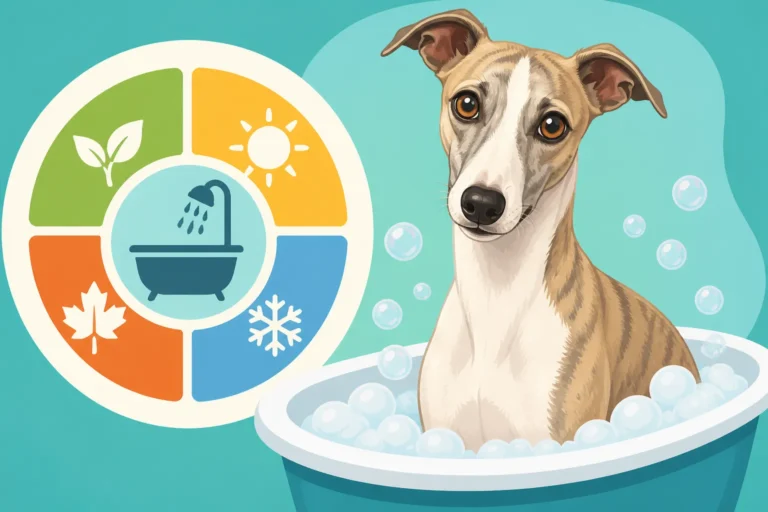
- Bathing: While Whippets don't need frequent baths – they're remarkably clean dogs and Why a Whippet Barely Smells – a bath every few weeks or once a month can help loosen and remove dead hair. Use a gentle, moisturizing shampoo specifically designed for dogs, as Which Shampoo Suits a Whippet's Thin Skin is important to avoid irritation. Make sure to rinse thoroughly to prevent skin issues.
Dietary Adjustments for a Healthy Coat
As mentioned, diet plays a critical role in coat health. Providing your Whippet with high-quality nutrition can significantly reduce excessive shedding and promote a lustrous coat.
- Protein and Fat: Ensure their dog food contains high-quality animal protein as the primary ingredient. Healthy fats, especially omega-3 and omega-6 fatty acids, are crucial for skin and coat health. Look for ingredients like fish oil, flaxseed, or salmon in their food. Many premium brands, available on platforms like Chewy or Ollie, formulate their diets to support skin and coat health.
- Supplements: If your Whippet's diet isn't providing enough omega fatty acids, consider adding a supplement. Fish oil is a popular choice and can be found in liquid or capsule form. Always discuss any supplements with your vet first to ensure proper dosage and suitability for your individual dog. Whether a Whippet Needs Fish Oil is a common question, and for many, it's a beneficial addition.
- Hydration: Don't underestimate the power of fresh water. Adequate hydration is essential for overall health, including skin and coat condition. Ensure your Whippet always has access to clean, fresh water.
Environmental Controls and Cleaning Tips
Beyond grooming your Whippet, taking steps to manage hair in your home can save you a lot of frustration.
- Regular Cleaning: Vacuuming regularly, especially upholstered furniture and carpets, is your best friend. Look for vacuums with pet hair attachments. Hard floors benefit from daily sweeping or using a static-attracting mop.
- Protective Covers: Consider using washable covers on furniture where your Whippet loves to lounge. Throws, blankets, or dedicated pet furniture covers can easily be removed and tossed in the wash, trapping shed hair before it embeds into your upholstery.
- Dedicated Bedding: Make sure your Whippet has plenty of comfortable, designated beds. The more they sleep and relax in their own beds, the more hair will accumulate there instead of on your furniture. Look for beds with removable, washable covers. This also ties into The Beds a Whippet Owner Keeps Buying – comfort helps keep them off your furniture.
- Lint Rollers: Keep lint rollers handy in key areas – by the door, in your car, or next to your wardrobe. They are surprisingly effective for quick touch-ups on clothing before you head out.
- Air Purifiers: While not directly hair-removing, air purifiers with HEPA filters can help capture airborne pet dander and some lighter hairs, improving overall air quality in your home.
Here's a quick reference table for managing shedding:
| Strategy Category | Actionable Tip | Recommended Frequency | Benefit |
|---|---|---|---|
| Grooming | Use a rubber curry brush or grooming mitt | 2-3 times/week (or daily if needed) | Removes loose hairs, stimulates skin, distributes oils |
| Bathe with gentle, moisturizing shampoo | Every 2-4 weeks | Loosens dead hair, cleanses skin | |
| Diet & Supplements | Feed high-quality food with good protein/fats | Daily | Promotes healthy skin and coat |
| Consider Omega-3/6 supplements (e.g., fish oil) | Daily (consult vet) | Reduces dryness, strengthens hair follicles | |
| Environmental | Vacuum/sweep floors and upholstery | Daily/Every other day | Removes shed hair from surfaces |
| Use washable covers on furniture | As needed (weekly wash) | Traps hair, protects furniture | |
| Provide dedicated, washable pet beds | Daily use, weekly wash | Confines shedding to specific areas | |
| Keep lint rollers accessible | As needed | Quick removal of hair from clothing |
Comparing Whippet Shedding to Other Breeds
When you're trying to gauge what "normal" Whippet shedding really means, it helps to put it into perspective with other breeds. It’s not about finding a completely hair-free dog (they don't exist!), but understanding where Whippets fall on the spectrum.
Sighthound Relatives and Their Coats
Whippets are part of the sighthound family, and generally, their shedding patterns are quite similar to their larger and smaller cousins.
- Greyhounds: Often perceived as low-shedders, Greyhounds have very similar short, fine coats to Whippets. Like Whippets, they shed consistently year-round, with their fine hairs also having a knack for embedding in fabrics. If you've lived with a Greyhound, you'll find the Whippet experience very familiar, just on a slightly smaller scale. The Whippet Against the Greyhound and the Italian Greyhound delves into these comparisons.
- Italian Greyhounds: These tiny sighthounds have an even finer, silkier coat. While they shed, their smaller size means less surface area for hair production, so the sheer quantity of hair shed might be less noticeable than with a Whippet. However, the nature of the hair – fine and prone to sticking – remains the same.
- Other Sighthounds (e.g., Saluki, Borzoi): These breeds often have longer, flowing coats, which naturally shed more visible hair. While the type of shedding is different (more fluffy tumbleweeds versus embedded needles), the volume can be quite significant. So, compared to these long-haired sighthounds, the Whippet is definitely on the lower maintenance side in terms of grooming.
Short-Coated Breeds vs. Whippets
Comparing Whippets to other popular short-coated breeds really highlights their unique shedding characteristics.
- Labrador Retrievers/Boxers/Pointers: Many popular breeds have short coats, but often with a denser undercoat. Breeds like Labradors are known for their significant seasonal "coat blows" where they can shed massive amounts of fur. Boxers and Pointers have a single, sleek coat similar to a Whippet, and they also shed consistently. The main difference might be the texture and visibility of the hair. A Boxer's hair might be slightly coarser and more visible, while a Whippet's can be almost invisible until it accumulates. So, while these breeds shed, the experience of managing the hair might feel different due to hair type.
- Dachshunds (Smooth-Coated): Smooth Dachshunds have short, tight coats that shed fairly consistently, much like a Whippet. Again, it's those fine, short hairs that can embed. They are generally considered moderate-shedders.
Ultimately, Whippets fall into the category of consistent, moderate-shedders among short-coated breeds. They won't produce the sheer volume of a Golden Retriever, but the fine, sharp nature of their hair makes it pervasive and noticeable.
The Myth of the "Hypoallergenic" Whippet
This is a really important point to address: no dog breed is truly 100% hypoallergenic, and Whippets are certainly not an exception. The term "hypoallergenic" simply means "less allergenic." People aren't allergic to dog hair itself, but rather to the dander (flakes of skin), saliva, and urine proteins that attach to the hair.
Because Whippets shed, they do release dander into the environment. While their short coat might mean slightly less hair to carry dander compared to a long-haired, heavy-shedding breed, it doesn't eliminate allergens. If you or someone in your household has significant dog allergies, a Whippet might still trigger a reaction. It's crucial for anyone with allergies to spend time with a Whippet before committing, as individual reactions vary wildly. Don't fall for the myth that a short-coated dog automatically means no allergies; the dander is still very much present.
When Shedding Might Signal a Deeper Issue
While a certain level of shedding is normal for Whippets, sometimes the amount or pattern of hair loss can indicate an underlying health problem. It's important to know the difference between typical shedding and something that warrants a closer look.
Recognizing Abnormal Hair Loss
Normal Whippet shedding is usually a general thinning or replacement of coat across the body, without obvious bald spots or skin irritation. Abnormal hair loss, on the other hand, presents differently:
- Patchy Hair Loss: If you notice distinct bald patches, especially circular ones, or areas where the hair is significantly thinner than the rest of the body, this is a red flag. This isn't typical shedding.
- Excessive, Sudden Shedding: While Whippets shed consistently, a sudden, dramatic increase in shedding over a short period, particularly if accompanied by other symptoms, can be concerning.
- Dull, Brittle Coat: A healthy Whippet coat should have a natural sheen. If their coat becomes noticeably dull, dry, brittle, or coarse to the touch, it suggests something is amiss.
- Skin Changes: Look for redness, inflammation, flakiness, scabs, bumps, or any unusual odors from the skin. These are often signs of irritation or infection.
- Over-grooming: If your Whippet is constantly licking, chewing, or scratching at themselves, they could be causing hair loss due to self-trauma, often indicative of an itch or discomfort.
Common Skin Issues in Whippets
Whippets, with their fine, delicate skin, can be prone to certain skin issues that might lead to abnormal hair loss:
- Allergies: Environmental allergies (like pollen, dust mites) or food allergies can cause intense itching, leading to scratching and secondary skin infections, which in turn cause hair loss. Dandruff on a Whippet can also be a sign of dry skin or allergies.
- Parasites: Fleas, mites (like Demodex or Sarcoptes), or even lice can cause severe itching and irritation, resulting in significant hair loss as your Whippet tries to relieve the discomfort. Regular flea and tick prevention is crucial, and remember Flea Treatment Reactions in a Whippet can occur, so choose products carefully.
- Bacterial or Fungal Infections: Skin infections, often secondary to allergies or wounds, can lead to inflamed skin, pustules, scabs, and localized hair loss.
- Hormonal Imbalances: Conditions like hypothyroidism (though The Hypothyroidism a Whippet Does Not Have is more common than true hypothyroidism in Whippets) or Cushing's disease can cause symmetrical hair loss, often without much itching.
- Pressure Sores: While not directly shedding, areas like elbows and hocks can develop calluses or The Pressure Sores a Whippet Gets From Sleeping on the Floor where hair thins due to constant pressure. This isn't true shedding, but can look like hair loss.
When to Consult Your Veterinarian
If you observe any of the abnormal hair loss symptoms mentioned above, or if you're simply concerned about the amount of hair your Whippet is losing, it's always best to err on the side of caution and consult your veterinarian. They can conduct a thorough examination, which might include skin scrapings, blood tests, or allergy testing, to pinpoint the cause of the hair loss.
Early diagnosis and treatment are key to resolving skin and coat issues and preventing them from becoming more severe or chronic. Don't try to self-diagnose or treat with over-the-counter products without professional advice, as you might inadvertently worsen the problem or delay effective treatment. Your vet can recommend the best course of action, whether it's a change in diet, medication for allergies or infections, or further diagnostics to rule out systemic diseases. Keeping your Whippet comfortable and healthy is the ultimate goal, and that includes a vibrant, healthy coat.
Disclaimer
This article is for general informational purposes only and does not constitute professional advice. Laws, prices and regulations vary by location and change over time. Consult a qualified professional for guidance on your specific situation.