How Common PFK Deficiency Is in Whippets
It’s truly disheartening when you hear whispers of a specific health concern that disproportionately affects our beloved Whippets. PFK Deficiency is one of those conditions that, while not incredibly common, can certainly cause anxiety for any Whippet owner. You find yourself wondering, "Could my dog have this?" and "What does it even mean for their daily life?" This guide aims to clear up the confusion surrounding Phosphofructokinase (PFK) Deficiency in Whippets, focusing on its prevalence, what it means for your dog, and how to manage it so you can breathe a little easier.
Understanding Phosphofructokinase Deficiency in Whippets
Learning about genetic health conditions can feel like trying to decipher a foreign language, especially when it concerns your furry family member. PFK Deficiency is one such condition, and for Whippet owners, understanding its basics is the first step in being proactive about your dog's health. It’s not about fear-mongering, but about informed care.
What PFK Deficiency Actually Means for Your Whippet
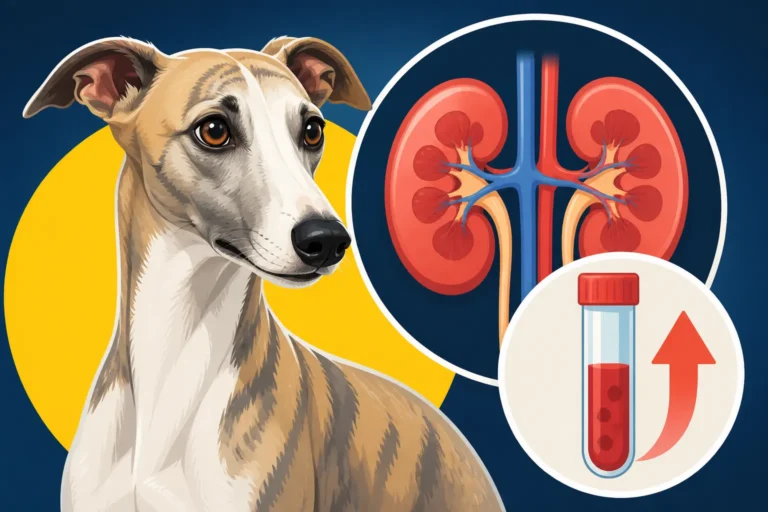
At its heart, Phosphofructokinase (PFK) Deficiency is a metabolic disorder that impacts a dog's red blood cells and muscle cells. Think of it like this: your dog’s body needs energy to function, and a critical step in producing that energy, especially in red blood cells and during intense muscle activity, relies on an enzyme called phosphofructokinase. In dogs with PFK deficiency, there’s a genetic mutation that causes this enzyme to be either deficient or completely absent.
What this translates to for your Whippet is a problem with how their red blood cells can carry oxygen and how their muscles can sustain energy. Without enough functional PFK enzyme, red blood cells become fragile and can break down prematurely, leading to a type of anemia. In muscles, the lack of PFK means they can't efficiently convert glucose into the energy needed for sustained effort, leading to a quick build-up of waste products. This is why you often see symptoms related to exercise and sometimes a general "off" feeling in affected dogs. It's a fundamental issue with their body's energy production system. If you want a deeper dive, our guide on What Phosphofructokinase Deficiency Does to a Whippet offers more technical insights.
The Genetic Basis: Why Whippets Are Susceptible
PFK Deficiency is an inherited condition, specifically passed down through an autosomal recessive pattern. What this means in plain English is that a Whippet needs to inherit two copies of the faulty gene – one from each parent – to actually develop the disease. If they only inherit one copy, they become a "carrier." Carriers usually don't show any symptoms of PFK deficiency themselves because their single healthy gene produces enough of the enzyme for normal function. However, they can pass that single faulty gene on to their puppies.
This recessive inheritance pattern is precisely why breeders must be vigilant. If two carriers are bred together, there's a 25% chance with each puppy that it will inherit two faulty copies and be affected, a 50% chance it will be a carrier, and a 25% chance it will be clear. This genetic lottery highlights the importance of responsible breeding practices and why DNA testing is so vital. Reputable breeders make it a point to test their breeding stock for genetic conditions like PFK Deficiency to ensure they are not inadvertently producing affected puppies. This kind of thoughtful breeding helps maintain the overall health of the Whippet population and reduce the incidence of preventable genetic diseases.
The Real Prevalence: How Common Is PFK Deficiency?
When you first hear about a genetic condition, it’s easy to jump to the conclusion that it must be rampant. But with PFK Deficiency, while it's a known concern, the actual prevalence might be different from what you imagine.
Statistics and Breed-Specific Concerns
PFK Deficiency isn't exclusive to Whippets; it was first identified and is perhaps most notably prevalent in English Springer Spaniels, where a significant percentage of the population can be carriers. It’s also seen in other breeds like American Cocker Spaniels. For Whippets, it's considered a less common, but still present, genetic health issue. Specific, widely published statistics on the exact percentage of Whippets affected or carrying the gene can be tricky to pin down, but it’s certainly not something that affects a majority of the breed.
The general consensus among sighthound health organizations and breed clubs is that while it exists, it's not as widespread as some other genetic conditions might be in different breeds. This doesn't mean it should be ignored, quite the opposite. Because the Whippet gene pool is relatively small compared to some other breeds, careful management is essential to prevent the mutation from becoming more common. Vigilance by breeders in testing and selective breeding is key to keeping its prevalence low. This is part of the larger picture of The Health Tests Both Whippet Parents Should Have to ensure healthy offspring.
The Importance of Testing and Breeder Responsibility
Given the recessive nature of PFK Deficiency, DNA testing is the most powerful tool we have to manage its prevalence. A simple cheek swab or blood sample can determine if a Whippet is clear, a carrier, or affected. This genetic test is widely available through various veterinary diagnostic laboratories, and for the relatively low cost involved, it provides invaluable information. If you're considering adding a Whippet to your family, it's absolutely crucial to ask the breeder about their health testing protocols, especially regarding PFK Deficiency. A responsible breeder will be transparent about their dogs' genetic test results and will be able to show you documentation. They will never breed two carriers together, nor will they breed an affected dog.
If a potential puppy's parents are both carriers, it significantly increases the risk of having an affected puppy. While a carrier can be safely bred to a clear dog (producing only clear or carrier puppies, never affected), breeding two carriers is a gamble no responsible breeder should take. For a more detailed look at the financial side of genetic testing, you might find our article What the Myostatin Test Costs on a Whippet insightful, as it discusses similar genetic testing costs. This proactive approach helps to slowly but surely reduce the incidence of the disease within the breed, ensuring healthier generations of Whippets for years to come.
Recognizing Symptoms and Getting a Diagnosis
Spotting the signs of PFK Deficiency can sometimes be challenging because the symptoms can be intermittent and overlap with other health issues. But knowing what to look for and how to approach diagnosis is critical for getting your Whippet the right care.
Key Signs to Look Out For
The most common signs of PFK Deficiency are often linked to a lack of energy in red blood cells and muscle tissues, particularly during or after exercise, stress, or excitement. Owners might notice their Whippet becoming unusually tired or weak after even moderate activity. This isn't just a Whippet being a "couch potato" after a sprint; it's a profound, sudden fatigue. You might see a change in their gum color, becoming paler due to the anemia.
Perhaps one of the most striking, and concerning, symptoms is episodes of muscle cramping or stiffness. After a burst of activity, a dog might struggle to move, their muscles feeling hard and painful. Another tell-tale sign that frequently accompanies PFK episodes is dark red or brown urine, often described as "cola-colored." This happens because the breakdown of red blood cells releases hemoglobin, which then gets processed and excreted in the urine, giving it that distinct dark hue. If you ever notice this, it’s a red flag that warrants immediate veterinary attention. Our specific article, Whether a Whippet With PFK Deficiency Passes Dark Urine, provides more context on this particular symptom. These episodes can be triggered by things like intense play, a stressful car ride, or even just high excitement, highlighting how common life events can become a challenge for an affected Whippet.
The Diagnostic Journey
If you suspect PFK Deficiency, your first stop, naturally, is your veterinarian. They’ll start with a thorough physical examination and typically recommend a complete blood count (CBC). This blood test might reveal anemia (a low red blood cell count), but sometimes the initial bloodwork can look surprisingly normal, especially if the dog isn't in the middle of an acute episode. This can be frustrating, as it doesn't immediately point to a clear answer, echoing similar challenges found when interpreting The Bloodwork Numbers That Look Wrong on a Healthy Whippet. Because the signs can be so non-specific, PFK Deficiency might initially be mistaken for other conditions causing weakness or muscle pain.
The definitive diagnosis for PFK Deficiency rests on a genetic DNA test. This test specifically looks for the mutation in the PFK gene. Your vet can collect a cheek swab or blood sample and send it to a specialized lab. The results will clearly indicate if your Whippet is clear, a carrier, or affected. This is invaluable information, not just for confirming a diagnosis but also for making informed decisions about care and, if applicable, breeding. Knowing Whether PFK Deficiency Has a DNA Test in Whippets is crucial for both owners and breeders alike. While some initial veterinary consultation costs are part of any diagnostic journey, having pet insurance like Healthy Paws can certainly help alleviate the financial stress of investigating such conditions.
Living With and Managing PFK Deficiency
Discovering your Whippet has PFK Deficiency can feel overwhelming, but it's important to remember that many affected dogs can lead long, fulfilling lives with proper management. It’s all about understanding their limits and adapting their environment to support their unique needs.
Managing Exercise and Triggers
For Whippets with PFK Deficiency, the key to a good quality of life is careful management of their activity levels and avoiding known triggers. Intense, short bursts of activity, the kind Whippets naturally love, can be problematic. Instead, focus on consistent, moderate exercise that doesn't push them to exhaustion. Think leashed walks at a steady pace, or short, controlled play sessions rather than flat-out sprints. It's a delicate balance, as you still want them to enjoy being a dog, but without triggering an episode. Our article on Whether a Whippet With PFK Deficiency Can Exercise dives into this in more detail.
Beyond physical exertion, emotional stress and high excitement can also trigger PFK episodes. This might mean making adjustments to their daily routine to minimize anxiety, ensuring a calm home environment, and being mindful of situations that might over-stimulate them, like busy dog parks or boisterous gatherings. Even seemingly innocuous things like going to the vet can be stressful. You might find that Whether Excitement Triggers a PFK Episode in a Whippet becomes a significant factor in your Whippet’s daily life. Keeping a journal of activities and potential triggers can be incredibly helpful in identifying patterns specific to your dog, allowing you to tailor their management plan effectively.
Long-Term Outlook and Quality of Life
The good news is that with careful management, many Whippets affected by PFK Deficiency can live a normal lifespan. This isn't a condition that necessarily shortens The Twelve to Fifteen Years a Whippet Lives significantly, but it does require a dedicated approach to daily care. There's no specific cure for PFK Deficiency, as it's a genetic metabolic issue, but management focuses on preventing crises and providing supportive care when episodes occur. This often involves ensuring they have access to plenty of fresh water, keeping them comfortable during recovery from an episode, and working closely with your veterinarian to monitor their overall health, including their red blood cell count.
While there aren't specific medications for PFK Deficiency itself, your vet might recommend supplements or dietary adjustments to support red blood cell health or muscle function. The financial aspect of managing a chronic condition is always a consideration. Regular vet visits, potential emergency care for severe episodes, and ongoing monitoring can add up. Having pet insurance can be a real lifesaver here; companies like Healthy Paws, for example, can help cover eligible veterinary expenses, giving you peace of mind that you can afford the best care for your Whippet without financial strain. It’s about building a strong partnership with your vet and understanding that your Whippet can still thrive with your loving support.
Here’s a quick overview of some common symptoms and potential triggers for PFK Deficiency in Whippets:
| Symptom / Sign | Description | Potential Trigger |
|---|---|---|
| Exercise Intolerance / Weakness | Sudden, profound fatigue or inability to continue activity, even light exercise. | Intense or prolonged exercise, even short bursts of high-speed running. |
| Muscle Cramping / Stiffness | Muscles become rigid, painful to the touch, and the dog may struggle to move. | Physical exertion, excitement, stress. |
| Pale Gums | Gums appear lighter than normal pink, indicating anemia due to red blood cell breakdown. | Acute hemolytic crisis (red blood cell destruction) during an episode. |
| Dark Urine (Cola-colored) | Urine appears reddish-brown due to hemoglobin excretion from ruptured red blood cells. | Severe red blood cell breakdown, often following intense activity or stress. |
| Jaundice (Yellowish Skin/Eyes) | Yellowish tinge to skin, gums, or whites of eyes, rare but indicates severe red blood cell destruction. | Severe hemolytic anemia. |
| Fever | Elevated body temperature accompanying an acute episode. | Inflammation and stress on the body during a hemolytic crisis. |
| Loss of Appetite / Lethargy | General malaise and disinterest in food or usual activities. | Systemic effects of anemia and muscle pain. |
Disclaimer
The information provided in this article is for educational purposes only and is not intended to be a substitute for professional veterinary advice. Always consult with a qualified veterinarian regarding any health concerns or before making any decisions about your pet's medical care.