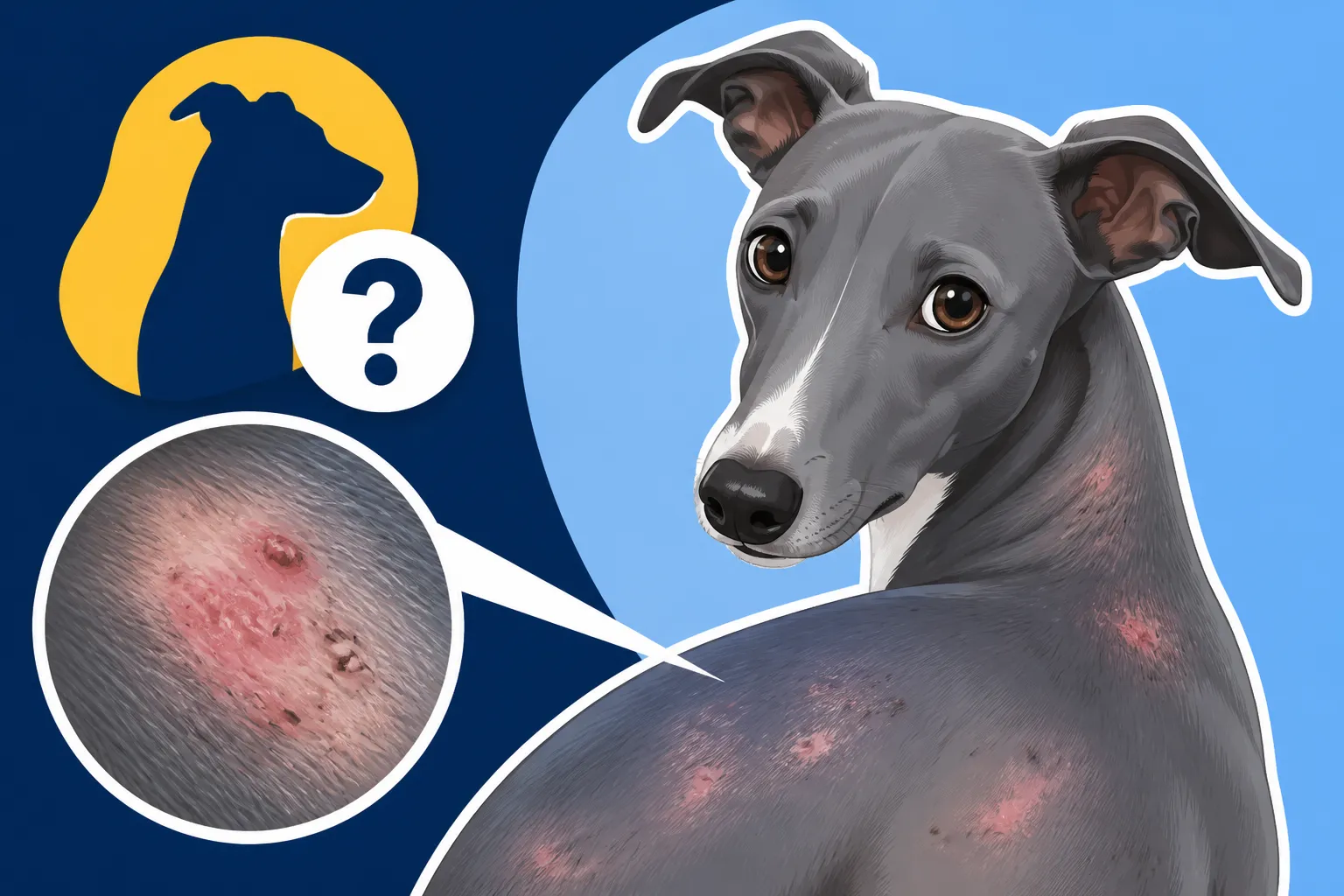
Whether a Blue Whippet Has Skin Problems
A blue Whippet’s coat can look unusually fine, and the breed’s naturally slim build makes normal skin easy to see. That can leave owners wondering whether visible skin, a little shedding, or a thinning patch signals a problem. This guide explains what blue coloring may mean for skin health, which changes deserve attention, and how to care for a Whippet without over-treating normal features.
What blue coloring means for a Whippet’s coat
Blue is a diluted coat color, not a skin diagnosis
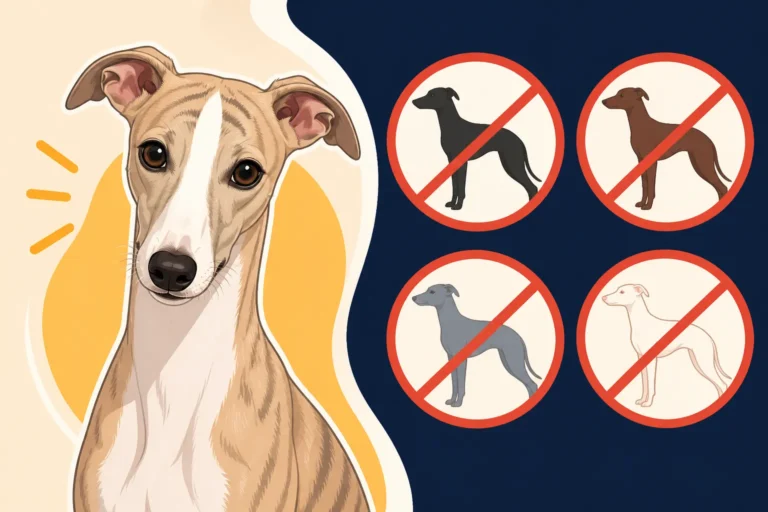
A blue Whippet has a diluted black coat color. The shade can range from pale gray to a deeper slate, and the dog may have a blue-gray nose or lighter pigment in other areas. The color itself does not mean a Whippet is unhealthy, and blue dogs can have comfortable skin and a full, normal coat.
The concern people often hear about is color dilution alopecia, sometimes shortened to CDA. This is a coat disorder associated with some dilute coat colors in dogs. In affected dogs, the hair shafts can develop abnormally, become fragile, and break. Hair loss and changes in the skin may follow. Blue coloring can be a clue worth mentioning to a veterinarian, but it does not confirm that a dog has CDA.
The condition’s relationship with Whippets is not a reason to assume every blue Whippet will lose its coat. A blue dog with healthy skin and no unusual hair loss does not need a diagnosis based on color alone. For a closer look at the distinction, see Whether Color Dilution Alopecia Affects Whippets and Whether a Blue Whippet Loses Its Coat.
Whippet skin can look exposed even when it is healthy
Whippets have short, close coats and little body fat compared with many breeds. Their skin may be visible through the hair, especially on the chest, belly, inner thighs, or areas where the coat is naturally sparse. That appearance can be startling if you are used to a thick-coated dog, but visible skin is not automatically a sign of disease.
A useful comparison is your own dog over time. Take note of the coat’s usual density and texture, and look for new changes rather than judging by whether the coat looks thick. A naturally fine coat that has always been even is different from a patch that is expanding, becoming bare, or developing flakes and irritation.
Whippets can also get small scrapes and tears because their skin is delicate. A wound is a separate issue from coat-color-related hair loss, but it can be easy to mistake a small injury for a skin condition. If a patch is raw, bleeding, painful, or opening up, contact a veterinarian rather than treating it as simple shedding. The Thin Skin That Sends a Whippet to the Vet for Stitches explains why seemingly small injuries can need prompt attention.
Signs that merit a closer look
Watch for a change in the coat, not just a blue shade
Possible signs of a coat problem include gradual thinning, areas of broken hairs, patchy hair loss, or a coat that becomes dry and brittle. Some dogs may also develop dandruff, darkened skin, redness, bumps, or repeated skin infections. These signs can have several causes, so they do not identify CDA on their own.
Location and progression matter. A small, stable area of naturally thin hair is less concerning than a new patch that keeps spreading. Likewise, occasional loose hairs are different from a coat that seems to break or fall out in clumps. It can help to take clear photos in consistent lighting every few weeks, so you can show your veterinarian whether the pattern is changing.
| What you notice | What it might mean | A sensible next step |
|---|---|---|
| Coat is fine but even, with no itching or sores | Normal coat variation may be more likely | Keep an eye on the coat and skin during routine grooming |
| New areas of thinning or broken hairs | A coat disorder, parasites, infection, or another issue may be involved | Arrange a veterinary check, especially if the area is growing |
| Flakes or mild dryness without other symptoms | Dry skin or irritation is possible, but the cause is not clear from appearance alone | Avoid frequent bathing and ask your vet if it persists |
| Red, sore, crusted, smelly, or itchy skin | Inflammation or infection may need treatment | Contact your veterinarian rather than trying several products |
| Sudden hair loss with illness, pain, or marked discomfort | A problem beyond normal coat variation may be present | Seek veterinary advice promptly |
A thin patch on the chest can also be a normal variation or part of a broader pattern, depending on its appearance and whether it is changing. Whether a Whippet's Coat Thins on the Chest may help you think through that specific concern, but a veterinarian is the right person to assess a new or worsening area.
Itching and skin irritation are not proof of CDA
A dog that scratches, licks, or chews at its skin may have irritation, allergies, parasites, infection, or another problem. That behavior should not be attributed to blue coloring without an examination. Conversely, some coat disorders may cause visible hair changes without dramatic itching, so a dog’s comfort is only one part of the picture.
Dandruff is another symptom with many possible explanations. A few flakes after dry weather or a bath do not establish a diagnosis. Persistent scaling, redness, odor, greasy skin, or repeated scratching deserves attention, particularly if it appears alongside hair loss. For more on this symptom, see Dandruff on a Whippet.
Try not to diagnose from online photos alone. Lighting, coat length, age, seasonal shedding, and the dog’s normal pattern can all make skin look different. A veterinarian may examine the skin and coat, ask when the change began, and decide whether tests are appropriate. The goal is to distinguish a color-associated hair disorder from common, treatable causes such as parasites or infection.
Caring for a blue Whippet’s skin and coat
Keep grooming gentle and uncomplicated
A Whippet’s short coat usually needs modest grooming. A soft brush or grooming mitt can help remove loose hair, while a quick skin check during handling lets you notice new scratches, flaky areas, or small lumps. Avoid vigorous brushing: there is little benefit to scrubbing a close coat, and rough tools can irritate delicate skin.
Bath only when your dog needs it, using a mild dog shampoo that suits sensitive skin. Human shampoo, heavily scented products, and repeated bathing can dry or irritate the skin. If your Whippet has a suspected skin condition, check with your veterinarian before adding medicated shampoo, oils, supplements, or topical treatments. The right product depends on the cause; a product that helps one dog may aggravate another.
When shopping, focus on the product’s ingredients and intended use rather than assuming a “natural” label means it is gentle. Chewy can be one place to compare dog shampoos and grooming supplies, but ask your veterinarian before using medicated products or anything marketed for a specific skin condition. For general coat care, Which Shampoo Suits a Whippet's Thin Skin offers more guidance on choosing a suitable wash.
Protect exposed skin from sun and weather
Short coats do not provide much insulation or sun protection. A Whippet with pale or lightly pigmented skin may be more vulnerable to sunburn on exposed areas, particularly the nose, ears, and sparsely coated parts of the body. A blue coat does not automatically mean a dog will burn, but it is sensible to limit prolonged exposure during strong sunshine and provide shade.
A lightweight shirt or a well-fitting coat can help in the right conditions, but clothing should not rub, trap heat, or cover irritated skin without veterinary advice. Check underneath after walks, especially around the chest, armpits, and belly, where seams can chafe. For sun protection, do not assume a human sunscreen is safe for dogs; ask your veterinarian which options are appropriate and how to prevent licking. Why a Whippet's Pink Skin Burns covers the practical risks of sun exposure.
If you are buying skin-care or protective products, Chewy may make it convenient to compare options, but a retailer listing is not a diagnosis or a guarantee that a product suits your dog. Follow your veterinarian’s advice, introduce one product at a time, and stop using it if redness or discomfort appears. And if your dog has a new wound, do not apply a coat or topical cream over it until you have checked whether the area needs veterinary care.
When to call the veterinarian
Make an appointment for spreading or persistent changes
Book a veterinary appointment if hair loss is new, spreading, recurring, or accompanied by broken hairs, scaling, redness, bumps, or repeated skin infections. Bring photos showing how the area has changed and note when you first noticed it. Mention that your Whippet is blue, but describe the symptoms plainly rather than assuming the coat color explains them.
Your vet may consider several possibilities, including parasites, infection, allergies, hormonal conditions, or a coat disorder. Depending on what the skin looks like, examination may involve looking closely at hairs and skin, checking for parasites, or recommending additional testing. Not every dog needs every test; the next step depends on the findings and history.
If a diagnosis such as color dilution alopecia is suspected, ask what evidence supports it and whether another cause should be ruled out. Also ask what changes to monitor, how to care for the skin at home, and when to return. A clear plan can spare you the frustrating cycle of switching shampoos or trying supplements without knowing what problem you are treating.
Seek prompt help for pain, open sores, or rapid worsening
Contact a veterinarian promptly if your Whippet has open, bleeding, swollen, or painful skin; rapidly spreading redness; a bad odor; or persistent licking that is damaging the area. Sudden hair loss accompanied by lethargy or other signs of illness also deserves timely attention. Avoid using leftover medication or human skin creams unless your vet specifically recommends them.
For a comfortable dog with a stable, even coat and no irritated areas, the best approach is usually simple: gentle grooming, occasional checks, and routine veterinary care. Blue coloring may be relevant background, but it is only one part of the picture. What matters most is whether your Whippet’s skin and coat are changing and whether those changes are affecting comfort.
Disclaimer
This article is for general informational purposes only and does not constitute professional advice. Laws, prices and regulations vary by location and change over time. Consult a qualified professional for guidance on your specific situation.