Whether Raw Bones Clean a Whippet’s Teeth
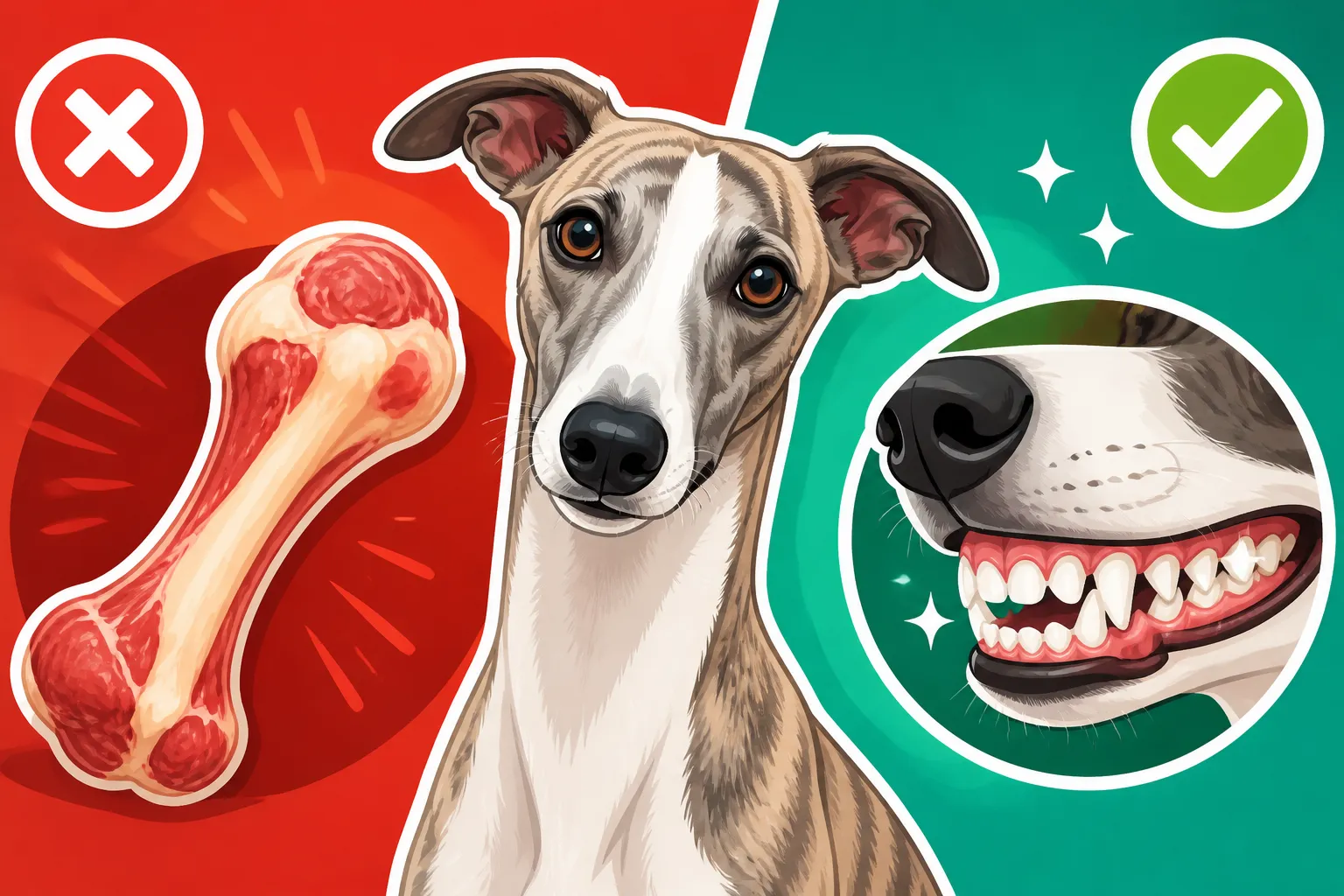
Many Whippet owners find themselves looking into every possible avenue for their beloved dog's health, and dental care is often a big one. It's frustrating when you try your best to keep their pearly whites clean, only to see tartar creeping in, and then you hear about raw bones as a "natural" solution. It sounds so appealing, doesn't it? Like you could just toss them a bone, and nature would take its course, scrubbing away all those pesky deposits. But the reality is far more complex, especially for our delicate, fine-boned Whippets. This guide will dive deep into whether raw bones genuinely clean a Whippet's teeth, weighing the potential benefits against the very real and sometimes severe risks, and exploring safer, more effective dental care strategies.
The Allure and Risks of Raw Bones for Dental Hygiene
The idea that raw bones can naturally clean a dog's teeth is an ancient one, rooted in observing wild canids. There's a certain logic to it: gnawing on something hard and fibrous should scrape away plaque and stimulate gums. But what works for a wolf in the wild, or even a robust working dog with powerful jaws, isn't always appropriate or safe for a domestic Whippet, whose anatomy and lifestyle are quite different.
How Raw Bones Can Aid in Plaque Removal
When we talk about the potential benefits of raw bones for dental health, it's primarily about mechanical action. As a dog chews on a raw, uncooked bone, the act of gnawing and scraping can physically remove some soft plaque from the surface of their teeth. It's similar to how we might chew on a carrot or apple for a minor "clean" feeling, though dogs have far more powerful jaws.
The texture of raw bone, combined with the fibrous connective tissues and bits of meat that might still be attached, acts like a natural abrasive. This physical friction can indeed dislodge some of the soft, sticky film that builds up on teeth daily. For dogs that are enthusiastic chewers and given appropriate, non-weight-bearing raw bones, you might observe a noticeable reduction in plaque buildup on some teeth. There's also the mental stimulation and satisfaction that comes from a good chew, which can be a valuable part of a dog's enrichment.
The Significant Downsides and Dangers of Raw Bones
However, the perceived benefits often come with a substantial list of potential hazards that any responsible Whippet owner needs to understand. These risks aren't just minor inconveniences; they can lead to emergency vet visits, expensive treatments, and even life-threatening situations.
First and foremost is the risk of broken teeth. Whippets, with their relatively delicate teeth compared to some other breeds, are particularly susceptible. Their teeth are designed for gripping and tearing, not for crushing hard objects. A fractured tooth is incredibly painful for your dog and almost always requires veterinary intervention, often involving costly extractions or root canal procedures. Imagine the excruciating pain of cracking a tooth on a piece of ice; your dog feels that same pain. Many vets will tell you they see more dental trauma from raw bones (and other hard chews) than any other source.
Then there's the danger of choking or internal obstruction. Pieces of bone can break off, get swallowed, and become lodged in the throat, esophagus, or intestines. This can necessitate emergency surgery, which is not only incredibly stressful and expensive but also carries its own risks, especially with sighthound anesthesia protocols. Even if a bone fragment passes, sharp edges can cause internal damage, perforations, or severe constipation.
Bacterial contamination is another serious concern. Raw bones, by their nature, carry bacteria like Salmonella and E. coli. While a dog's digestive system is generally more robust than a human's, these bacteria can still cause severe gastrointestinal upset, including vomiting and diarrhea. More critically, they pose a significant health risk to humans in the household, particularly children, the elderly, or those with compromised immune systems. Handling raw bones requires strict hygiene, and the dog can transfer bacteria to surfaces, toys, or even directly to people through licking.
Finally, some bones can lead to digestive issues even without obstruction. The high calcium and phosphorus content can cause extremely hard, chalky stools, leading to constipation and straining. It's not uncommon for a dog to pass a difficult, painful stool after consuming a bone, which is distressing for both the dog and the owner.
Whippet-Specific Considerations for Bone Chewing
When considering raw bones for your Whippet, it's crucial to look beyond general canine advice and focus on the unique characteristics of this breed. Whippets aren't just "smaller dogs"; they have specific anatomical features and health predispositions that make certain dental care approaches riskier than others.
Whippets' Delicate Teeth and Jaw Structure
Our Whippets are built for speed, elegance, and quick turns, not for heavy-duty bone crushing. Their jaws are relatively narrow and long, and their teeth, while sharp and well-suited for catching and tearing prey in a sprint, are not as robust or broad as those of a Mastiff or a Bulldog. This delicate structure means they are more prone to dental fractures when confronted with hard objects like recreational raw bones. We want their powerful bite to be used for things like playing with soft toys, not for cracking their molars.
Furthermore, many Whippets have somewhat crowded teeth, especially in their narrow jaws. This crowding creates nooks and crannies where plaque and tartar can accumulate more quickly, making cleaning even more challenging. You might have noticed that their front teeth, in particular, can be quite close together. As discussed in Whether a Whippet's Narrow Jaw Crowds Its Teeth, this conformation is a common sighthound trait and something to be mindful of when planning their dental care. For a breed already predisposed to dental issues, adding the risk of fractured teeth from hard chews is a gamble many owners understandably want to avoid.
The Realities of Dental Disease in Whippets
It’s a frustrating truth that Whippets, despite their generally robust health in other areas, are often prone to rapid tartar buildup and dental disease. It's almost as if Teeth Are the Whippet Problem That Sneaks Up on you, even when you're diligently trying to keep them clean. You might feel like you're constantly fighting a losing battle against the yellow and brown deposits on their back molars. This predisposition means we need to be extra vigilant and proactive with their oral hygiene.
The idea that raw bones can prevent this inevitable buildup is often wishful thinking. While they might scrape off some soft plaque, they are highly unlikely to tackle the hardened tartar that forms, especially along the gum line where periodontal disease begins. In fact, relying solely on raw bones can give a false sense of security, leading owners to neglect more effective methods.
The reality is that Why a Whippet Builds Tartar Fast is often multifactorial, involving genetics, diet consistency, and individual saliva chemistry. Without proper mechanical cleaning right at the gum line, tartar will still accumulate, leading to gingivitis, pain, and eventually, tooth loss. Ignoring this can mean your Whippet suffers from chronic pain, bad breath (Whether a Whippet's Bad Breath Means Dental Disease), and systemic health issues if bacteria from the mouth enter the bloodstream.
Safer Alternatives and Comprehensive Dental Care
Given the risks associated with raw bones for Whippets, it's important to focus on proven, safer methods for maintaining their oral health. A truly comprehensive dental care plan usually involves a combination of approaches, tailored to your individual dog's needs and tolerance.
The Gold Standard: Brushing and Professional Cleanings
Without a doubt, the most effective at-home method for preventing plaque and tartar buildup is daily tooth brushing. Yes, it sounds like a chore, and getting a wriggly Whippet to cooperate might seem impossible at first, but with patience and positive reinforcement, most dogs can learn to tolerate it, and some even enjoy it. Use a soft-bristled dog toothbrush (or a finger brush) and an enzymatic dog toothpaste – never human toothpaste, which contains xylitol and fluoride that are toxic to dogs. Focus on the gum line, especially on the outside surfaces of the back teeth, where tartar tends to accumulate most rapidly. Regular brushing physically removes the soft plaque before it has a chance to harden into tartar.
However, even with diligent brushing, professional dental cleanings under anesthesia are usually necessary over your Whippet's lifetime. Just like us, dogs need deep cleaning that only a vet can provide. During these procedures, the vet can thoroughly scale away all tartar, both above and below the gum line, polish the teeth, and perform a full oral exam and X-rays to check for hidden problems like fractured roots or periodontal pockets. This is why Whether a Whippet Needs Yearly Dental Cleaning or at least regular professional check-ups is so important.
The cost of these procedures can be a concern for many owners, and it's certainly something to budget for, as What a Whippet's Dental Cleaning Costs can add up. But consider it an investment in your Whippet's long-term health and comfort. Neglecting professional cleanings can lead to severe pain, extractions, and more expensive treatments down the line. It's vital to recognize that Whether a Whippet's Teeth Need Scaling Often depends on individual propensity for tartar buildup, but most will benefit significantly from regular professional care.
Dental Chews and Appropriate Toys
Beyond brushing, there are several commercially available products that can assist in dental hygiene. Veterinary Oral Health Council (VOHC) approved dental chews are a good option. The VOHC seal indicates that a product has met specific standards for reducing plaque and/or tartar. These chews are designed to be safe, digestible, and effective through mechanical abrasion and sometimes active ingredients that break down plaque. Look for these approved products at your local pet store or online retailers like Chewy or Amazon.
It's important to choose the right size and texture for your Whippet to avoid choking hazards or overly hard chews that could still fracture teeth. Always supervise your dog when they're enjoying a dental chew. While Whether Dental Chews Are Enough for a Whippet on their own is a common question, the answer is generally no – they are best used as part of a multi-faceted approach, complementing brushing and professional cleanings, not replacing them.
Similarly, certain chew toys made from durable rubber or other safe materials can provide beneficial chewing action and mental stimulation without the risks of bones. Again, ensure the toy is appropriately sized and too large to be swallowed, and regularly inspect it for wear and tear.
Diet and Overall Oral Health
The role of diet in dental health is often debated. While there's a common belief that hard kibble cleans teeth, the reality is that most kibble shatters quickly, offering minimal abrasive action. Some specialized "dental diets" are designed with larger kibble sizes and unique textures to provide more tooth-scraping action, but these are often prescription foods and should be discussed with your vet.
For owners interested in Whether a Whippet Can Be Fed Raw food, it's important to understand that a raw meat diet itself does not necessarily clean teeth. While some advocates suggest that the fibrous nature of raw meat helps, it doesn't offer the same mechanical abrasion as chewing on safe objects. If you're feeding a fresh food diet from services like Ollie, remember that while these diets offer nutritional benefits, they don't negate the need for active dental care. In fact, some very soft, wet foods might even contribute to faster plaque accumulation if no other dental measures are in place. Ultimately, while a balanced diet is crucial for overall health, it should not be the primary strategy for dental care.
Making Informed Choices About Your Whippet's Dental Health
Navigating your Whippet's dental care can feel like a minefield with so much conflicting information out there. The key is to empower yourself with knowledge and make choices that prioritize your unique dog's safety and long-term well-being.
When Raw Bones Might Be Considered (and Which Ones)
If, after careful consideration, you still feel compelled to offer raw bones, it's paramount to understand the distinctions and strict guidelines for safer usage. The biggest differentiation to make is between edible bones (small, non-weight-bearing bones that can be fully consumed) and recreational bones (larger bones for gnawing, not eating). For Whippets, even edible bones carry risks. Recreational bones are the primary focus for "cleaning" and carry the highest risk of dental fracture.
- Never feed cooked bones: Cooked bones are brittle and prone to splintering, posing extreme choking and internal perforation hazards. This is an absolute no-go.
- Choose the right type and size: Avoid weight-bearing bones (like femurs) from large animals, as these are dense and very hard, leading to fractured teeth. Knuckle bones or marrow bones (thawed, with marrow removed to reduce richness) from smaller animals might be considered, but still come with risk. The bone should be too large for your Whippet to swallow whole or fit entirely in their mouth, reducing choking risk, but also not so hard it will break teeth. This is a very fine line to walk with a Whippet.
- Supervise religiously: Never leave your Whippet unattended with a bone. Monitor for splintering, aggressive chewing that could lead to tooth fracture, or attempts to swallow large pieces. Remove the bone after a short period (15-20 minutes) to prevent over-chewing and bacterial proliferation.
- Consider "soft" options: Some owners opt for softer, raw meaty bones like chicken necks or wings, which can be fully consumed and offer some abrasive action. However, even these come with risks of choking if swallowed too quickly or causing digestive upset. For this reason, many vets advise against them entirely for small to medium breeds like Whippets.
The consensus among veterinary professionals is that the risks of raw bones, especially weight-bearing recreational bones, generally outweigh any perceived dental benefits for most domestic dogs, and particularly for sighthounds like Whippets.
A Holistic Approach to Whippet Dental Care
Instead of focusing on one single method like raw bones, think about building a comprehensive dental health strategy for your Whippet. This approach minimizes risks while maximizing effectiveness.
Here’s a table summarizing the different methods:
| Method | Pros | Cons | Whippet Suitability | Key Recommendation |
|---|---|---|---|---|
| Raw Bones | Natural chewing instinct, minor plaque removal on some surfaces | High risk of broken teeth, choking, bacterial contamination, digestive upset, internal injury | Low | Not recommended as primary dental care. If used, only specific non-weight-bearing types, under strict supervision. |
| Daily Brushing | Most effective at-home method for preventing plaque and gingivitis | Requires consistent effort, dog cooperation, proper technique | High | Essential for daily plaque removal; start early with positive reinforcement. |
| VOHC-Approved Dental Chews | Convenient, some plaque/tartar reduction, palatable for dogs | Not all chews are effective, can be high calorie, supervise for choking, not a replacement for brushing | Medium | Use as a supplement to brushing and professional care; choose appropriate size and hardness. |
| Professional Dental Cleaning | Comprehensive cleaning, addresses existing tartar, gum disease, and hidden issues | Requires anesthesia (with sighthound protocols), cost, recovery time | High | Essential for thorough cleaning and oral health assessment, typically every 1-3 years depending on individual need. |
| Specialized Dental Diets | Can provide mild abrasive action to tooth surfaces with every meal | Limited effectiveness on severe plaque/tartar, often prescription-only, may not be palatable | Medium | Discuss with your vet if your Whippet is prone to rapid buildup and other methods are challenging. |
Your Whippet's dental health is an ongoing journey that requires partnership with your veterinarian. Regular check-ups are paramount, as vets can spot early signs of dental disease, like gingivitis or receding gums, before they become serious. They can also advise on the frequency of professional cleanings based on your Whippet's individual needs. If you notice persistent bad breath, changes in eating habits, pawing at the mouth, or visible tartar, don't delay in scheduling a vet visit. These are all signs that Whether a Whippet's Bad Breath Means Dental Disease has become a reality and requires immediate attention.
Ultimately, while the allure of a "natural" solution like raw bones is strong, the responsible and safest choice for your Whippet's dental health lies in a combination of consistent home care (brushing!), appropriate dental products, and regular professional veterinary attention. It’s about building habits that will keep their beautiful sighthound smile healthy and pain-free for years to come.
Disclaimer
This article is for general informational purposes only and does not constitute professional advice. Laws, prices and regulations vary by location and change over time. Consult a qualified professional for guidance on your specific situation.