Whether a Whippet’s Small Weight Lowers Medication Costs
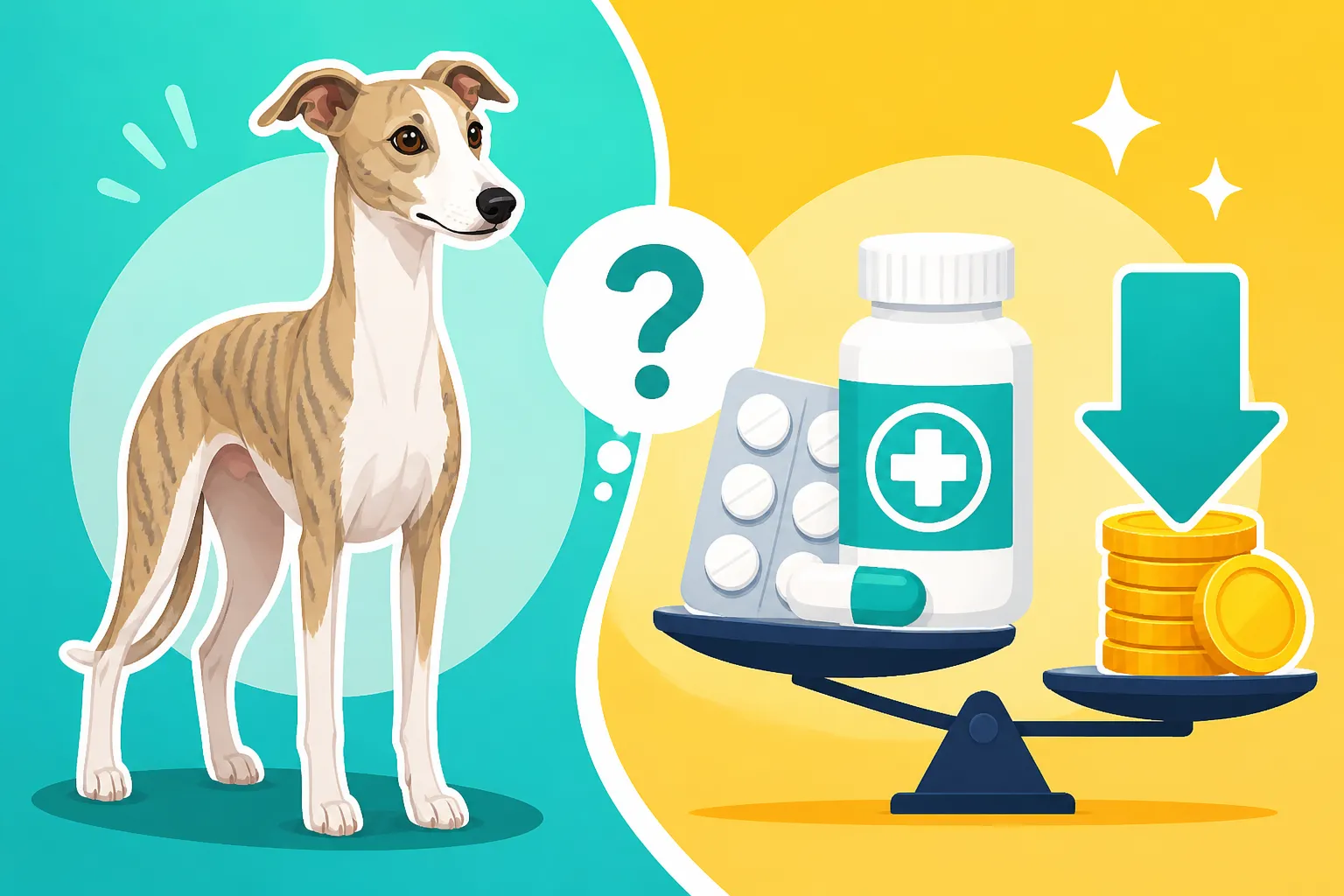
It's a common and understandable hope among Whippet owners, or those considering bringing one into their home, that their dog's moderate size might translate directly to smaller vet bills, particularly when it comes to the ongoing cost of medications. After all, logic dictates that a smaller body needs a smaller dose, right? While there's certainly truth to the idea that dosage is often tied to weight, the reality of medication costs for a Whippet is a bit more nuanced than a simple direct correlation. This guide will explore whether your Whippet's svelte frame truly offers a significant financial advantage in medication expenses and what other factors you should really be considering.
The Direct Link Between Whippet Weight and Medication Dosage
When we talk about medication, whether it's for humans or our furry companions, dosage is almost always calculated based on body weight. This is a fundamental principle in pharmacology to ensure the drug is effective without causing toxicity. For a Whippet, who typically falls into the 25-45 pound range, this does often mean smaller doses of medication compared to, say, a Labrador Retriever or a Great Dane.
The Math of Smaller Doses
Think about it: a vet prescribing an antibiotic for a bacterial infection or an anti-inflammatory for an injury will calculate the amount of medication in milligrams per kilogram (mg/kg) or milligrams per pound (mg/lb). If a drug is prescribed at 5mg/kg, a 15kg (33lb) Whippet would receive 75mg of the drug. A 30kg (66lb) Golden Retriever would receive 150mg. This directly impacts how many pills are needed from a bottle, or how many milliliters of liquid medication are dispensed. If a pill comes in 100mg strength, the Whippet might only need three-quarters of a pill, while the Golden Retriever needs one and a half.
This principle extends to many common medications, from pain relievers to antihistamines. When you buy a bottle of 100 tablets, and your Whippet only needs a quarter of what a larger breed consumes per dose, that bottle will last four times longer. This can certainly feel like a win for your wallet, especially for short-term treatments like post-surgery pain medication or a course of antibiotics for a minor infection. For many acute issues, the smaller size does offer a genuine, if sometimes modest, reduction in cost per treatment episode.
When the Cost Savings Are Most Apparent
The cost-saving advantage of a Whippet's size is most noticeable with medications that are particularly expensive per milligram or where the drug itself is sold in fixed-size packages. For instance, some specialized heart medications, anti-seizure drugs, or certain chemotherapy agents can be quite costly. If your Whippet needs these, even a slight reduction in the required dosage due to their weight can shave a noticeable amount off the monthly or weekly refill bill.
However, it's crucial to understand that while the per dose cost might be lower, the overall price of the medication isn't just about how many pills your dog swallows. Other factors often play a much larger role, sometimes eclipsing any savings derived from weight-based dosing.
Beyond Weight: Other Factors Influencing Whippet Medication Costs
While a Whippet's weight does influence dosage, it's far from the only, or even the primary, determinant of medication expenses. The type of medication, whether it's a generic or brand-name drug, the duration of treatment, and the specific health conditions common to sighthounds can all swing the cost pendulum dramatically.
The Type and Brand of Medication
This is perhaps the biggest factor. Some medications are simply more expensive to produce, regardless of the dose. A highly specialized drug for a rare condition will cost more than a common antibiotic, even if your Whippet needs only a tiny amount. Similarly, brand-name medications often carry a significantly higher price tag than their generic equivalents, even if they contain the exact same active ingredient. Your vet might offer you a choice, or sometimes only the brand-name version is available for a particular compound. Shopping around at different pharmacies, including reputable online pharmacies like Chewy, can sometimes reveal price differences for the same medication, but it won't change the base cost determined by the drug itself.
Consider a Whippet that develops a chronic condition like Mitral Valve Disease in a Whippet as they age. The medications prescribed for heart disease, such as ACE inhibitors or diuretics, can be an ongoing monthly expense. While the dosage will be weight-dependent, the cost of these specific drugs can add up quickly over years, making the initial "small dog, small bill" hope seem a bit naive. Similarly, if your Whippet requires long-term pain management for arthritis in their senior years, the type of NSAID chosen will heavily influence the cost.
Duration of Treatment and Chronic Conditions
A one-week course of antibiotics for a minor bacterial infection is one thing. A lifelong regimen of daily medication for a chronic condition is quite another. Whippets, like all breeds, are susceptible to various health issues that might require ongoing medication. For example, some sighthounds can have quirks in their bloodwork, like Why a Whippet's Thyroid Reading Runs Low, which occasionally leads to discussions about thyroid medication, though often it's not truly needed. If a condition like hypothyroidism does require treatment, those daily pills become a recurring cost.
Diseases requiring continuous management, such as certain autoimmune disorders or heart conditions, will see medication costs accumulate significantly over your dog's lifespan. In these cases, even if each pill or dose is relatively inexpensive due to your Whippet's weight, the sheer volume of medication purchased over months and years will far outweigh any per-dose savings. This is where a proactive approach to health, combined with careful financial planning, becomes critical.
Sighthound Specific Considerations
Whippets, being sighthounds, have unique physiological traits that can influence their veterinary care, and sometimes, medication needs. For instance, they are known to be particularly sensitive to certain anesthetic drugs, requiring a Why a Whippet Needs a Sighthound Anesthesia Protocol. While this relates more to procedure safety than ongoing medication, it highlights the need for specialized veterinary knowledge that can sometimes come with a higher price tag for procedures or specific drug choices. Some bloodwork parameters, like The Bloodwork Numbers That Look Wrong on a Healthy Whippet, might also be misinterpreted by vets unfamiliar with sighthound norms, potentially leading to unnecessary medication trials.
Furthermore, their thin skin, which is characteristic of the breed, can lead to The Thin Skin That Sends a Whippet to the Vet for Stitches from even minor scrapes. While the initial wound care might involve antibiotics and pain relief, which would be weight-dependent, the frequency of such incidents could add up. This isn't strictly medication cost, but it's a related vet bill that impacts overall expenses.
Medication Cost Factors
| Factor | Impact on Cost | Whippet Relevance |
|---|---|---|
| Drug Class | Specialized, complex drugs (e.g., chemotherapy, advanced heart meds) cost more. | Whippets can develop conditions like Mitral Valve Disease in a Whippet needing these specialized drugs. |
| Brand vs. Generic | Brand-name drugs are almost always more expensive than generics. | Availability of generics varies; sometimes only brand is an option, regardless of dog size. |
| Duration | Short-term treatments are less costly overall than lifelong chronic medication. | Chronic conditions in older Whippets (e.g., arthritis, heart issues) mean continuous costs. |
| Dosage/Weight | Directly impacts the amount of drug needed per administration. | A Whippet's moderate weight means smaller doses per administration, offering some savings per dose. |
| Pharmacy Choice | Prices can vary significantly between local vets, online pharmacies, and human pharmacies. | Shopping around, e.g., using services like Chewy, can mitigate costs for all sizes of dogs, including Whippets. |
Managing Your Whippet's Medication Expenses
Given that a Whippet's weight offers some, but not absolute, savings on medication, it's smart to have a strategy for managing these potential costs over their The Twelve to Fifteen Years a Whippet Lives. Being proactive about their health and understanding your financial options can make a big difference.
Prioritizing Preventative Care
One of the best ways to keep medication costs down is to minimize the need for them in the first place. This means staying on top of preventative care:
- Regular Vet Check-ups: Annual wellness exams can catch issues early, before they become serious and require extensive, expensive medication. Your vet can perform routine screenings and discuss concerns.
- Quality Nutrition: Feeding a high-quality, balanced diet is fundamental to overall health. While premium foods, perhaps even from services like Ollie, might seem like an upfront cost, they can contribute to a stronger immune system and fewer diet-related health problems down the line, potentially reducing the need for medications for issues like digestive upset or skin conditions.
- Appropriate Exercise: Whippets are athletes, but they're also couch potatoes. Regular, appropriate exercise helps maintain a healthy weight and strong joints, reducing the likelihood of conditions like arthritis that might require pain medication later in life. Remember that Raising a Whippet Puppy Without Wrecking Its Joints is important for long-term health.
- Dental Hygiene: Teeth Are the Whippet Problem That Sneaks Up and can lead to serious health issues if left untreated, often requiring antibiotics for infections and pain medication post-extraction. Regular brushing and professional cleanings can prevent these costly and painful problems. What a Whippet's Dental Cleaning Costs can be significant, but preventative care is often cheaper than reactive treatment.
Exploring Pet Insurance
For chronic conditions or unexpected illnesses and injuries that require ongoing medication, pet insurance can be a lifesaver. While it's an upfront monthly premium, it can significantly offset medication costs, especially for expensive, long-term treatments. Many Whippet owners find peace of mind with pet insurance providers like Healthy Paws, knowing that a percentage of their eligible vet bills, including prescription medications, will be reimbursed.
When researching insurance plans, pay close attention to what they cover, their deductibles, reimbursement percentages, and any limitations on pre-existing conditions. Some plans might have separate deductibles for wellness versus illness, or cap how much they'll pay out for certain conditions. Enrolling your Whippet when they are young and healthy is often the best strategy, as this helps avoid issues with pre-existing conditions that might be excluded from coverage.
Smart Shopping for Prescriptions
Don't assume your vet's office is always the cheapest place to fill a prescription.
- Ask for Generics: Always inquire if a generic version of the medication is available.
- Compare Prices: Call around to local pharmacies, including human pharmacies like CVS or Walgreens, as they often carry common pet medications and can sometimes be cheaper than veterinary clinics.
- Online Pharmacies: For maintenance medications, online pet pharmacies (like Chewy's pharmacy service) can offer substantial savings, often with auto-ship options. Always ensure the online pharmacy is reputable and requires a valid prescription from your vet.
- Vet-Specific Discounts: Some veterinary clinics offer discounts for purchasing a three-month or six-month supply of medication. It's always worth asking!
For conditions like Arrhythmias in a Whippet or other heart-related issues that might necessitate medication, the ongoing costs can be substantial, making smart shopping a crucial part of your overall financial plan.
General Veterinary Care Costs: How Whippets Compare
It's tempting to focus solely on medication, but general veterinary care costs also play a huge role in your overall financial commitment to your Whippet. While their smaller size does offer some advantages, there are also unique considerations.
Advantages of a Smaller Size
Beyond medication dosage, a Whippet's moderate size can lead to lower costs in a few other areas:
- Anesthesia Costs: While sighthounds require specific anesthetic protocols, the amount of anesthetic drugs used is still weight-dependent. Therefore, a Whippet will typically require less anesthetic than a giant breed, which can slightly reduce the cost of procedures requiring sedation, such as What a Whippet's Dental Under Anesthesia Costs or surgery for Treating a Whippet's Skin Tear.
- Flea and Tick Preventatives: These are almost always dosed by weight, so a Whippet will fall into a lower pricing tier than larger dogs, resulting in lower monthly or quarterly costs for these essential preventatives.
- Boarding and Grooming (Sometimes): While Whippets don't need much grooming beyond occasional baths and nail trims, some boarding facilities or groomers charge by weight, so a Whippet might fall into a more economical category.
Disadvantages and Unique Whippet Expenses
However, it's not all rainbows and cost savings. Whippets have specific needs that can sometimes lead to unique or higher expenses:
- Skin Tears: As mentioned, their thin, delicate skin is prone to tears and lacerations, which often require veterinary attention, sometimes stitches, and a course of antibiotics and pain medication. These can be frequent events for active Whippets, and while How Much a Whippet Skin Tear Costs to Close might not be exorbitant for a single incident, multiple occurrences add up quickly.
- Sighthound Specific Vets: While not always more expensive, finding a vet who is knowledgeable about sighthound physiology, sensitivities, and common health quirks can be crucial. Sometimes, this might mean traveling further or opting for a specialist, which can come with higher consultation or treatment fees. Whether a Whippet Needs a Vet Who Knows Sighthounds is a real concern for many owners.
- Joint and Muscle Injuries: Whippets are fast and athletic, but this also means they can be prone to muscle strains, ligament tears, and other athletic injuries. These can require diagnostics (X-rays, ultrasounds), pain management, anti-inflammatories, and sometimes even surgery and rehabilitation, which can be very costly regardless of the dog's size. Whether a Whippet Tears a Cruciate Ligament is a concern, as is Muscle Pulls in a Whippet.
- Bedding and Warmth: While not a medication cost, Whippets have very little body fat and thin coats, making them sensitive to cold and prone to pressure sores. This means an investment in quality, well-padded bedding throughout the house, and a wardrobe of coats and pajamas, all of which are ongoing expenses to keep them comfortable and prevent certain health issues. A Whippet Has No Insulation and No Padding really is a core characteristic.
In conclusion, while a Whippet's weight can lead to some savings on medication dosage, it's not the golden ticket to perpetually low vet bills. The type of medication, the duration of treatment, and the specific health challenges common to the breed often have a much greater impact on your overall expenses. Being prepared, investing in preventative care, exploring pet insurance, and being a smart consumer for prescriptions are all vital steps in ensuring your Whippet receives the best care without breaking the bank.
Disclaimer
This article is for general informational purposes only and does not constitute professional advice. Laws, prices and regulations vary by location and change over time. Consult a qualified professional for guidance on your specific situation.