Whether a Whippet Should Be Sedated for a Nail Trim
Dealing with a Whippet who absolutely dreads nail trims can feel like an impossible situation, leaving you torn between forcing the issue and dreading every session. That high-pitched yelp, the dramatic flailing, the sheer terror in their eyes – it's enough to make any caring owner question if there's a better way. This comprehensive guide will walk you through understanding your Whippet's reluctance, exploring alternatives, and helping you decide if sedation is the compassionate choice for calmer, safer nail care.
Understanding Your Whippet's Nail Trim Anxiety
It's not just "being dramatic," I promise. Many Whippets genuinely struggle with nail trims, and it's rooted in their unique physical and psychological makeup. Recognizing this isn't about excusing bad behavior; it's about understanding and finding a more empathetic solution for your beloved companion.
Why Nail Trims Are Often a Battle
Whippets are inherently sensitive souls. Their delicate nature extends to their paws and nails, which can be far more sensitive than those of many other breeds. Think about it: they're finely tuned athletes with super thin skin, and that sensitivity often translates to a heightened awareness of touch, especially around their paws. The quick, the pink part of the nail containing blood vessels and nerves, is often much closer to the tip of the nail in sighthounds, making accidental nicks more likely and more painful. A bad experience early on, even just once, can create a lasting negative association. They remember that pain, that fear, and it quickly escalates into a full-blown aversion.
Beyond physical sensitivity, their temperament plays a huge role. Whippets are generally gentle, quiet dogs, but they can be incredibly wary of anything they perceive as a threat or an invasion of their personal space. Holding them down, even gently, can feel incredibly violating to a sighthound who values their freedom and comfort. The sound of clippers, the pressure on their toes, the feeling of being restrained—these can all trigger a panic response. It's not about being stubborn; it's about genuine fear and a deep-seated instinct to escape perceived danger. This makes traditional nail clipping a particularly challenging task for many Whippet owners.
The Physical and Behavioral Risks of Forced Trims
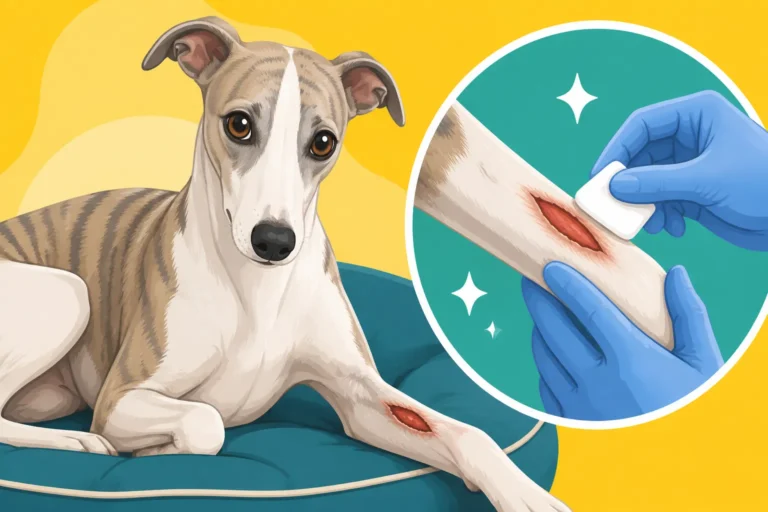
When you try to force a nail trim on a terrified Whippet, you're not just risking a poor outcome for their nails; you're risking their well-being and the bond you share. Physically, a struggling dog can get hurt. They might pull away suddenly, resulting in a miscut nail, a quicked nail that bleeds profusely and causes immense pain, or even an injury to their paw as they thrash. Owners can also get scratched or bitten accidentally if their Whippet, in a state of sheer panic, snaps out of fear. These scenarios are stressful for everyone involved and can lead to a cycle of fear that makes future trims even harder.
Behaviorally, forcing a fearful Whippet can have long-lasting, detrimental effects. Each traumatic experience deepens their negative association, escalating their anxiety and potentially leading to generalized fear or aggression towards handling. Imagine a dog who becomes nervous every time you reach for their paws, even for a gentle pat, because they associate it with the dreaded nail trim. This erodes trust and can make other necessary grooming or veterinary procedures, like giving medication or examining an injury, incredibly difficult. It can also cause a normally docile Whippet to become fear aggressive, which is a serious behavioral issue that's far harder to undo than to prevent. We want our Whippets to feel safe and secure with us, not to view us as a source of distress.
When Sedation Becomes a Thoughtful Consideration
For some Whippets, especially those with extreme fear or past trauma, the thought of trying to tackle nail trims at home or even at the vet without some form of intervention can be overwhelming. It's at this point that considering sedation isn't a failure, but a compassionate choice for their welfare and your peace of mind.
Assessing the Severity of Your Whippet's Distress
How do you know if your Whippet’s fear is severe enough to warrant sedation? It’s more than just a little wiggle. Look for extreme signs of distress: persistent trembling, excessive panting, drooling, urinating or defecating out of fear, frantic attempts to escape, or even aggression like growling, snarling, or snapping when clippers or your hands approach their paws. If your Whippet goes completely rigid, tries to bite, or seems to "shut down" in terror, these are clear indicators that their anxiety is beyond what simple positive reinforcement might easily fix in a reasonable timeframe.
Another key sign is if their fear generalizes to other situations. Do they hide under the furniture when they see you get out the nail clippers? Do they become suspicious or fearful of the vet clinic, even for routine check-ups, because they associate it with past nail trim struggles? If your efforts to desensitize them or use alternative methods have been consistently met with overwhelming panic, or if their fear is so intense that it's impacting their overall quality of life or your ability to handle them for basic care, then it's time to seriously talk to your veterinarian about options beyond just "trying harder." They might even be at risk of developing conditions related to stress, like stress colitis, if this fear is a regular part of their life.
The Veterinary Perspective on Sedation for Routine Care
Veterinarians understand that for some dogs, especially highly sensitive breeds like Whippets, sedation for routine procedures like nail trims can be a legitimate welfare issue. They’re not going to push it unnecessarily, but they also know that a stress-free experience is better than a traumatic one. When discussing sedation, your vet will consider several factors: your Whippet's age, overall health, and the severity of their anxiety. They might suggest oral sedatives given at home an hour or so before the appointment, which can take the edge off and make the experience less terrifying without requiring full anesthesia. For those who need more help, mild injectable sedation might be an option.
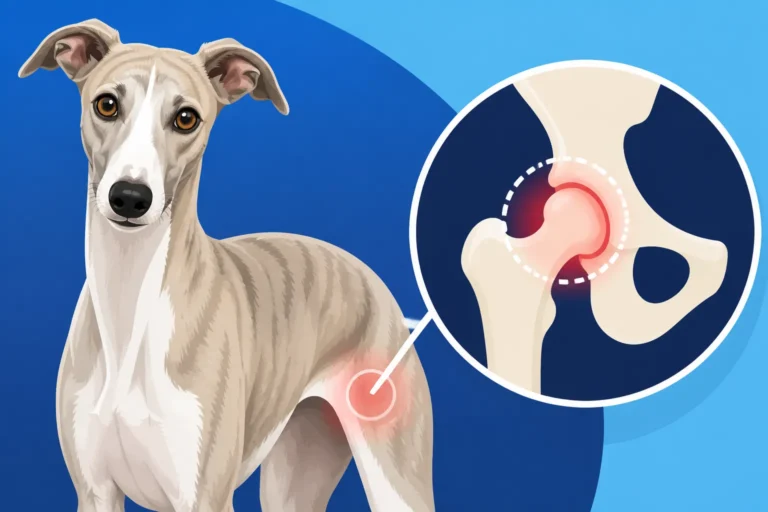
It's absolutely crucial to remember that Whippets, as sighthounds, require special consideration when it comes to any kind of sedation or anesthesia. Their unique physiology, including their lean body mass and efficient metabolism, means they can react differently to certain drugs. For this reason, it's vital that your veterinarian is aware of and follows a Why a Whippet Needs a Sighthound Anesthesia Protocol. They'll typically avoid drugs like thiobarbiturates and be very cautious with acepromazine. They might opt for safer alternatives like Propofol as a Whippet's Safer Option, and will always focus on vigilant monitoring and ensuring your dog stays warm, because Warming a Whippet During Surgery is critical due to their lack of body fat. Before any sedation, your vet will likely recommend Whether a Whippet Needs Pre Anesthetic Bloodwork to ensure there are no underlying health issues that could complicate the process. This careful approach is why a sedated nail trim at a vet who understands sighthounds is generally a safe and humane option when other methods fail.
Non-Sedation Strategies for Managing Nail Trims
Before jumping to sedation, it's always worth exploring and committing to non-sedation strategies. These methods focus on building trust and positive associations, and while they require patience, they can be incredibly rewarding.
Building Positive Associations and Desensitization
The key to overcoming nail trim fear without sedation is a slow, methodical process of desensitization and counter-conditioning. This means gradually exposing your Whippet to nail care steps while pairing them with something wonderful, like high-value treats. Start incredibly small: just touch their paw for a second, then immediately give a delicious treat. Repeat this many times over several days, slowly increasing the duration of the touch. Once they're comfortable with paw touches, move to showing them the clippers or Dremel, letting them sniff it, and rewarding them.
Next, introduce the sound. Click the clippers (not on their nail) or turn on the Dremel for a split second from a distance, then reward. Gradually bring the sound closer. The goal is to make the tool's presence and sound predict a reward, not something scary. When they're okay with the sight and sound, gently touch the clippers or Dremel to one nail, then immediately treat. If they tolerate that, you can try to take off the very tip of one nail, just a tiny bit, and then stop and give a jackpot of treats. This isn't about getting all nails done at once; it's about making each tiny step a positive experience. Remember, consistency is key, and short, frequent sessions are far better than long, stressful ones. You can really see How Quickly a Whippet Learns when you make it a positive game!
Alternative Nail Care Methods and Tools
Sometimes, the issue isn't just the concept of nail trims, but the specific tool being used. Traditional clippers can be intimidating and the sensation of cutting can be jarring. Exploring alternative tools might make a world of difference for your sensitive Whippet. A Dremel, or pet-specific nail grinder, is often a gentler option. Instead of a sudden snip, it slowly files the nail down. While the sound and vibration can be a hurdle initially, many dogs tolerate it better once desensitized. The key is to introduce it slowly, as described above, making sure to reward every tiny step of acceptance.
Another creative solution is a "scratch board." This is a piece of wood with sandpaper glued to it, where you train your Whippet to scratch at it with their front paws to get a treat. This allows them to wear down their nails themselves, on their own terms, turning nail care into a fun game. For their back nails, regular walks on rough surfaces like pavement or concrete can help keep them naturally filed down. While a groomer's nail trim (What a Whippet's Nail Trim Costs at a Groomer) might seem like an easy way out, if your Whippet is truly terrified, even a professional groomer or vet tech might struggle without proper desensitization or other tools. Finding What a Whippet Will Work For in terms of treats and rewards during these sessions is paramount.
Making the Sedation Decision: Pros, Cons, and Financial Considerations
When all non-sedation paths have been thoroughly explored and your Whippet is still experiencing extreme distress, it's time to weigh the benefits and drawbacks of sedation more seriously. It’s a decision that balances their immediate comfort with potential risks and practicalities.
The Benefits and Drawbacks of Sedation
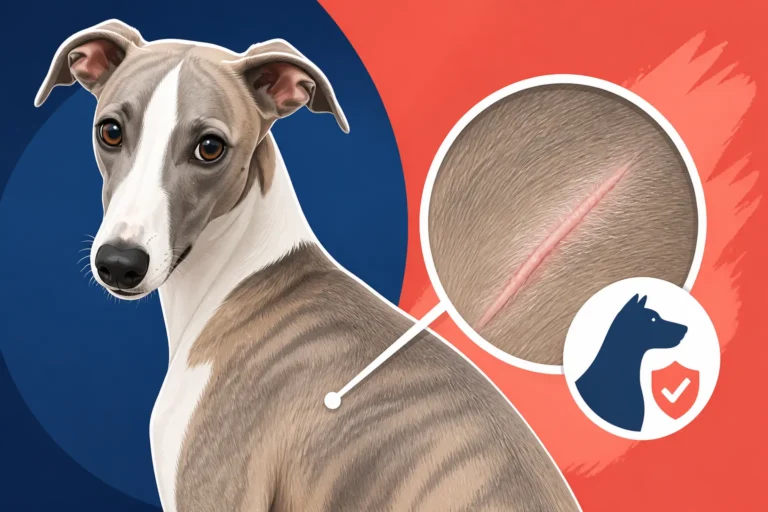
The primary benefit of sedation for nail trims is immediate and profound stress reduction for your Whippet. Instead of trembling, flailing, or attempting to bite, they can be calm, relaxed, or even completely asleep during the procedure. This not only makes the experience humane for them but also safer for everyone involved, preventing accidental injuries to your dog or the person performing the trim. It allows for a thorough, proper trim, which is important for their paw health and comfort. Regular, well-done nail trims prevent issues like overgrown nails causing pain, splayed toes, or even ingrown nails, which can lead to serious infections, especially with a Whippet's thin skin that can be prone to injury like The Thin Skin That Sends a Whippet to the Vet for Stitches. Furthermore, it preserves your precious bond, as you're no longer the source of a terrifying struggle.
However, sedation isn't without its drawbacks. The most significant is the inherent risk associated with any anesthetic or sedative, particularly for sighthounds. While modern protocols minimize these risks, it’s still true that Why Anesthesia Is Riskier in a Whippet compared to other breeds. They tend to metabolize drugs differently and can be more prone to hypothermia due to their low body fat. Recovery can also be slower; you might find yourself wondering How Slowly a Whippet Wakes From Sedation, needing to keep them warm and quiet for hours after the procedure. There's also the financial cost, which can be considerably higher than a routine nail trim. Repeated sedated trims can add up, making it important to consider pet insurance or budgeting specifically for this.
Financial Planning for Sedated Procedures
Understanding the financial aspect of sedated nail trims is crucial for long-term planning. A basic nail trim might cost a small fee at a grooming salon or vet office, but once sedation is involved, the costs climb significantly. You're paying for the veterinarian's time, the sedative medications, potentially pre-anesthetic bloodwork to ensure your Whippet is healthy enough for sedation, and monitoring during recovery. A single sedated trim could easily range from $150 to $500 or more, depending on your location and the specific protocol used. If your Whippet needs this done every 4-6 weeks, those costs can quickly become a substantial part of your pet care budget. This is where researching What a Sighthound Vet Costs Over a Whippet's Life might give you a broader financial picture.
This is exactly the kind of situation where pet insurance can be an absolute lifesaver. Providers like Healthy Paws often cover unexpected veterinary costs, and while routine procedures might not always be included, veterinary-prescribed sedation for welfare reasons can sometimes be. It's always wise to check your specific policy details or speak with a Healthy Paws representative to understand what is covered. Even if it's not fully covered, setting aside a dedicated "vet emergency fund" or "sedated nail trim fund" can help you budget for these necessary procedures without financial stress. Ultimately, making sure your Whippet gets regular, stress-free nail care is an investment in their health and happiness, whether that comes from consistent desensitization at home or a carefully planned sedated visit to the vet.
| Method | Pros | Cons | Cost Implications | Stress Level for Whippet |
|---|---|---|---|---|
| Traditional Clippers (at home) | Most economical, convenient, quick. | High risk of quicking, high potential for fear/trauma, difficult with dark nails, requires skill and a calm dog. | Low (cost of clippers). | Can be very high if the dog is fearful or has had bad experiences. |
| Dremel/Grinder (at home) | Smoother finish, less risk of quicking if done carefully, can be less jarring than clipping. | Sound/vibration can be scary initially, takes longer, requires desensitization and consistent practice. | Moderate (cost of Dremel/grinder, replacement heads). | Moderate to low, if desensitized properly. |
| Scratch Board (at home) | Fun for the dog, self-directed, no restraint needed, builds positive association. | Only works for front nails, takes time to train, not suitable for all dogs/nails. | Low (cost of board/sandpaper). | Low, can be a positive activity. |
| Vet/Groomer with Clippers/Dremel (awake) | Professional expertise, quicker than at home for some, can be good for mildly anxious dogs. | Still requires restraint, can still be traumatic for highly fearful dogs, potential for injury if dog struggles. | Low to moderate (service fee, typically $15-$30). | High for fearful dogs, moderate for mildly anxious ones. |
| Vet with Oral Sedation (at clinic) | Reduces anxiety significantly, allows for a calmer experience, less invasive than injectable. | May not be sufficient for extreme fear, dog is still aware, requires a vet visit and planning. | Moderate (vet visit fee + sedative cost, typically $50-$150). | Low to moderate, depending on severity of fear and effectiveness of sedative. |
| Vet with Injectable Sedation/Anesthesia | Eliminates stress, ensures safe and thorough trim, necessary for extreme fear/aggression or severe quicked nails. | Higher risk (especially for sighthounds), longer recovery, significantly higher cost, requires pre-anesthetic checks. | High (vet visit fee + sedation/anesthesia + monitoring + potential bloodwork, typically $150-$500+). | Very low (dog is unaware and comfortable). |
Disclaimer
This article is intended for informational purposes only and does not constitute veterinary advice. Always consult with a qualified veterinarian regarding your Whippet's specific health concerns and before making any decisions about sedation or medical treatment. Every dog is an individual, and what works for one may not be suitable for another.