The Age a Whippet’s PRA Shows Up
It's incredibly disheartening when you start noticing subtle changes in your beloved Whippet's eyes, especially when you know their vision is so central to their joy of running and exploring. Understanding exactly when a condition like Progressive Retinal Atrophy (PRA) might show up in Whippets is crucial for early detection and for helping your furry friend live their best life. This guide will walk you through the typical timeline for PRA development in our elegant sighthounds, what to look for, and how to approach it.
Understanding Progressive Retinal Atrophy in Whippets
Progressive Retinal Atrophy, often shortened to PRA, sounds like a mouthful, but it simply refers to a group of genetic diseases that cause the degeneration of the retina in dogs. The retina is the light-sensitive tissue at the back of the eye, responsible for converting light into signals that the brain interprets as vision. When the cells in the retina start to break down, vision deteriorates, eventually leading to blindness. For a breed as active and visually oriented as the Whippet, this can be a truly profound change.
What Exactly is PRA and How Does It Affect Vision?
Think of your Whippet's retina like the film in an old camera or the sensor in a digital one. It's what captures the image. In PRA, the photoreceptor cells – the rods and cones – which are responsible for detecting light and color, begin to malfunction and die off. Rods handle vision in low light and detect motion, while cones are for bright light and color discrimination. Most forms of PRA in dogs, including the type typically seen in Whippets, start with the degeneration of the rods, meaning night blindness is often the first symptom you'll notice. As the disease progresses, the cones are also affected, leading to complete blindness, usually over a period of months to years. It's a gradual, relentless process, which is why early awareness is so important.
Why Whippets Are Susceptible to PRA
Whippets, like many purebred dogs, have certain genetic predispositions. While PRA can affect many breeds, specific genetic mutations are often linked to the condition in particular lines. For Whippets, there are identified genetic markers that make them susceptible to certain forms of PRA. This isn't a fault of the breed itself, but rather a consequence of selective breeding practices over generations. Reputable breeders are keenly aware of this and often conduct genetic testing to avoid passing on these traits. Without this knowledge, however, an unsuspecting owner might suddenly face a diagnosis that could have been predicted.
The Age a Whippet's PRA Typically Shows Up
This is where the heart of the matter lies. There isn't a single, universal age when PRA makes its appearance in every Whippet, as different genetic forms can manifest at varying stages of life. However, we can talk about general patterns and the more common presentations in our beloved breed.
Common Age Ranges for Onset
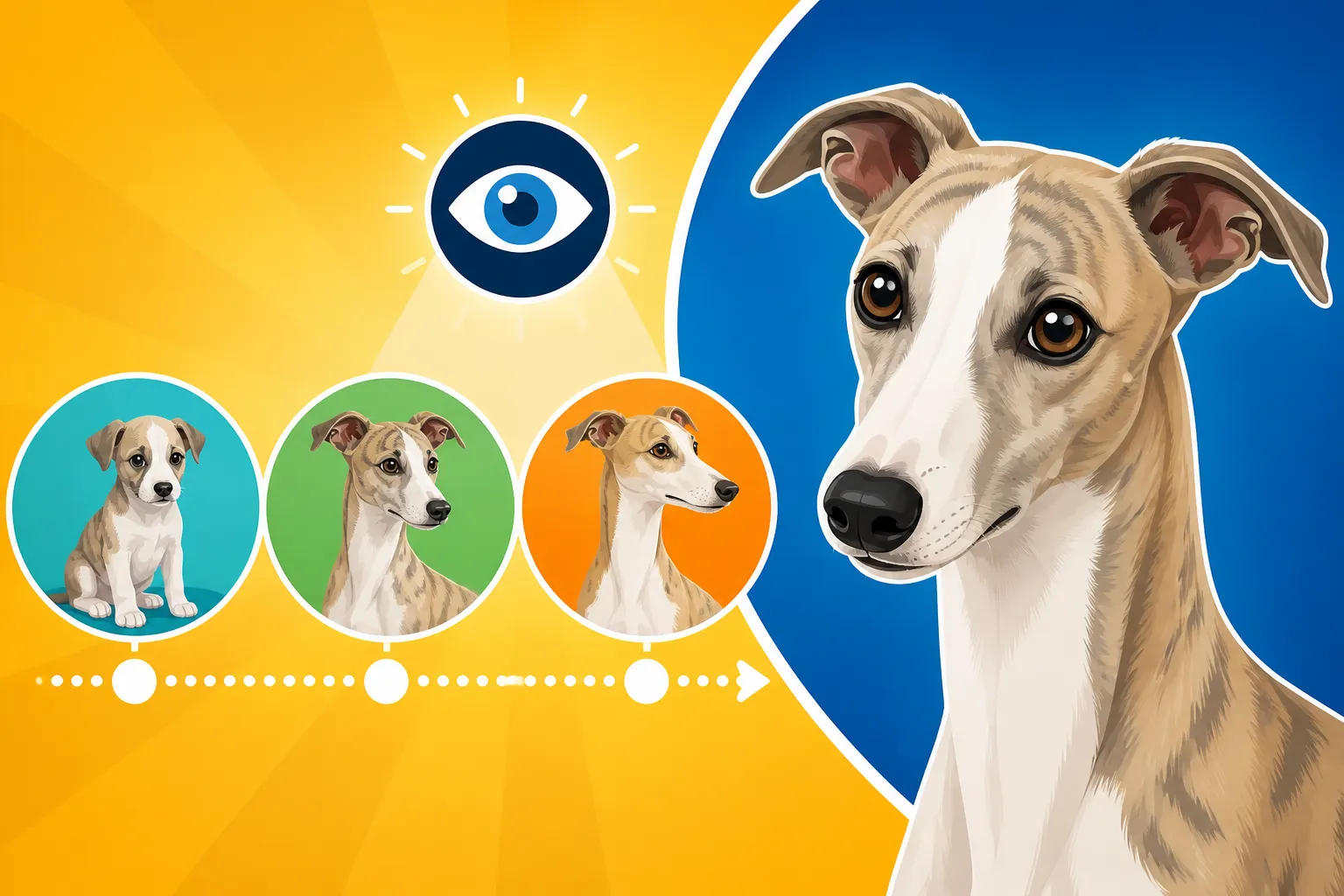
For many forms of PRA in dogs, the onset is usually described as either "early-onset" or "late-onset." In Whippets, the more commonly recognized forms often fall into the juvenile to adult range, meaning symptoms typically begin to surface somewhere between 3 and 6 years of age. However, it's not unheard of for signs to appear earlier, even in puppies as young as 1-2 years old (early-onset), or later, in senior Whippets past 7 or 8 years (late-onset). It truly depends on the specific genetic mutation at play. This variability makes regular eye exams and staying vigilant for subtle changes essential throughout your Whippet's life, not just in their senior years. You might find it useful to consider The Age a Whippet Counts as a Senior when thinking about the health changes that come with age.
Variations in Progression and Severity
Just as the onset age can vary, so too can the speed at which PRA progresses and the severity of its impact. Some Whippets might experience a very slow, subtle decline in vision over many years, adapting remarkably well to their diminishing sight. Others might have a more rapid progression, losing significant vision within a year or two. This difference often comes down to the specific genetic mutation causing the PRA.
For instance, one Whippet might primarily struggle with night vision for an extended period, only gradually losing daylight vision. Another might experience a more generalized and quicker decline. This is why a precise diagnosis from a veterinary ophthalmologist is so important. They can often identify the specific type of PRA and give you a more accurate prognosis for progression, helping you prepare for your dog's changing needs.
Recognizing the Early Signs of PRA in Your Whippet
Catching PRA early can make a huge difference in how you manage the condition and support your Whippet. It allows you to gradually introduce changes, rather than reacting to a sudden crisis.
Subtle Changes You Might Miss
The initial signs of PRA can be incredibly subtle, easily mistaken for normal aging or just a dog being a bit clumsy. The most common first symptom is "night blindness" or nyctalopia. Your Whippet might seem hesitant to navigate familiar spaces in dim light or at dusk. Perhaps they bump into furniture more often after the sun goes down, or they become more reluctant to go outside into the yard in the evening. They might start relying more on you in unfamiliar low-light environments.
Another subtle sign is a gradual dilation of their pupils, especially in normal lighting conditions, as their eyes try to gather more light to compensate for the degenerating rods. Their eyes might also develop a reflective sheen or tapetum lucidum, which becomes more noticeable as the retina thins. Owners often report their Whippet's eyes seeming "shinier" or glowing more intensely in photos with flash. These are not always obvious, and sometimes it's only in hindsight that you connect the dots.
Progression to Daytime Vision Loss
As the disease progresses, the cone cells, responsible for daytime and color vision, also start to fail. This is when you'll begin to notice more significant difficulties. Your Whippet might start bumping into objects even in broad daylight, or seem startled by things that weren't there a moment ago (because they didn't see them approaching). Their coordination might decline, or they might become more hesitant to jump on or off furniture. They might also become more clingy or anxious, especially in new environments, as their world becomes fuzzier and less predictable.
You might also notice a cloudy or hazy appearance to their lens, which is secondary cataract formation. This is not the primary disease, but a common consequence of PRA, as the degenerating retina releases substances that affect the lens. If you notice these kinds of changes, it's definitely time to consult your veterinarian. Getting a diagnosis of Progressive Retinal Atrophy in a Whippet can be a difficult moment for any owner, but it's the first step toward effective management.
Table of Early Signs vs. Normal Aging Eye Changes
It's easy to confuse early PRA signs with the natural aging process. Here’s a quick comparison to help you differentiate:
| Symptom Category | Potential PRA Early Sign | Normal Aging Eye Change (Not PRA) |
|---|---|---|
| Night Vision | Hesitancy in dim light, bumping into objects at dusk/night, increased anxiety in darkness. | Slightly slower to adapt to light changes, but generally navigates well. |
| Pupil Size | Pupils appear unusually dilated even in normal light. | Pupils may be slightly less responsive to light, but usually normal size. |
| Eye Appearance | Increased "eye shine" or tapetal reflection, sometimes secondary cataracts. | Lens may appear hazy or bluish-grey due (nuclear sclerosis), but not true cataracts. |
| Behavior | Clumsiness, reluctance to move, bumping into familiar objects, increased reliance on owner, startles easily. | May slow down due to arthritis, but generally good navigation. Some reduced hearing might impact awareness. |
| Overall Vision | Gradual, progressive loss of vision impacting quality of life. | Mild, non-progressive vision changes; dog generally copes well. |
Diagnosis and Management of PRA in Whippets
Receiving a diagnosis of PRA can be overwhelming, but it's important to remember that it's not an immediate death sentence for your Whippet's quality of life. With proper veterinary care and adjustments at home, many Whippets adapt remarkably well to vision loss.
The Role of Veterinary Ophthalmologists
If you suspect PRA, your first step is a visit to your regular veterinarian, who will likely recommend a referral to a veterinary ophthalmologist. These specialists have advanced training and equipment to perform a thorough eye examination. This isn't just a quick peek; it involves dilating your Whippet's pupils to get a good look at the retina, and often includes electroretinography (ERG), which measures the electrical activity of the retinal cells in response to light. This test is crucial because it can detect retinal degeneration long before clinical signs are obvious to the naked eye. An ERG can confirm a diagnosis of PRA and often identify the specific type, which helps with prognosis. While the cost of specialist care can add up, knowing What a Sighthound Vet Costs Over a Whippet's Life can help you budget, and services like Healthy Paws pet insurance often help cover such specialized visits, easing the financial burden during a stressful time.
Living with a Whippet with PRA
Once diagnosed, the focus shifts to helping your Whippet adapt and maintaining their quality of life. There's no cure for PRA, but we can make their world easier to navigate.
- Maintain Consistency: Keep furniture and objects in your home in consistent locations. Whippets are creatures of habit, and a familiar layout becomes their map.
- Safe Outdoor Spaces: Ensure your yard is securely fenced and free of hazards. When on walks, always keep your Whippet on a leash. Their natural sighthound instincts mean a lapse in judgment could lead them into danger, especially if they can't see properly.
- Verbal Cues and Touch: Start using more verbal cues and consistent touch signals. A gentle tap on their shoulder before approaching, or a specific word for "step up" or "watch out" can make a huge difference.
- Enrichment: Continue to engage their other senses. Scent games, puzzle toys, and listening to familiar sounds can keep them mentally stimulated. Don't stop their walks; just make them safer and more predictable.
- Ramps and Steps: As vision declines, jumping off furniture can become risky. Consider ramps or steps to help them safely access their favorite resting spots.
- Pet Insurance: If you haven't already, investigate pet insurance like Healthy Paws. While pre-existing conditions won't be covered, it can help with future related issues or other health needs your Whippet might have.
- Support Groups: Connect with other owners of blind or visually impaired dogs. They often have ingenious tips and offer invaluable emotional support.
Remember, a blind Whippet can still live a full, happy life with your love and support. You can read more about Whether a Whippet Goes Blind From Progressive Retinal Atrophy to understand the full implications.
The Genetic Component and Breeding Considerations
PRA is largely a genetic disease, and understanding its inheritance pattern is key to both prevention and responsible breeding. This is where responsible choices by breeders and prospective owners truly make a difference.
Inherited Nature of PRA in Whippets
Most forms of PRA are inherited in an autosomal recessive pattern. This means a Whippet must inherit two copies of the defective gene (one from each parent) to develop the disease. If a Whippet inherits only one copy, they are considered a "carrier." Carriers typically do not show symptoms of PRA themselves but can pass the gene on to their offspring. If two carriers are bred together, there's a 25% chance per puppy that they will be affected, a 50% chance they will be carriers, and a 25% chance they will be clear. This genetic lottery is why testing is so important.
DNA Testing and Responsible Breeding Practices
Thankfully, DNA tests are available for many types of PRA. These tests allow breeders to identify whether their breeding stock is clear, a carrier, or affected, even before any symptoms appear. This information is invaluable for making informed breeding decisions.
Responsible Whippet breeders will:
- Test all breeding dogs for known PRA mutations specific to the breed.
- Avoid breeding two carriers together.
- Share testing results with prospective puppy buyers.
- Be transparent about the genetic health of their lines.
As a prospective puppy owner, always ask breeders about the health testing they conduct, especially for eye conditions. A breeder who proudly shares their health testing results, including those for PRA, is demonstrating a commitment to the long-term health of their puppies. You might also want to ask about The Health Tests Both Whippet Parents Should Have to ensure you are getting a puppy from a responsible breeder. Sadly, choosing Whether an Untested Whippet Litter Is Worth Buying can carry significant risks.
Impact on the Whippet Gene Pool
The widespread availability and use of DNA testing for PRA helps to reduce the incidence of the disease over time, strengthening the overall health of the Whippet gene pool. By removing affected dogs and avoiding carrier-to-carrier breedings, breeders can gradually eliminate these detrimental genes from their lines. This collaborative effort among breeders, veterinarians, and owners is vital for safeguarding the future health of the breed we all love so much. Early and accurate information empowers everyone to make better decisions for these wonderful dogs.
Disclaimer
This article is for general informational purposes only and does not constitute professional advice. Laws, prices and regulations vary by location and change over time. Consult a qualified professional for guidance on your specific situation.