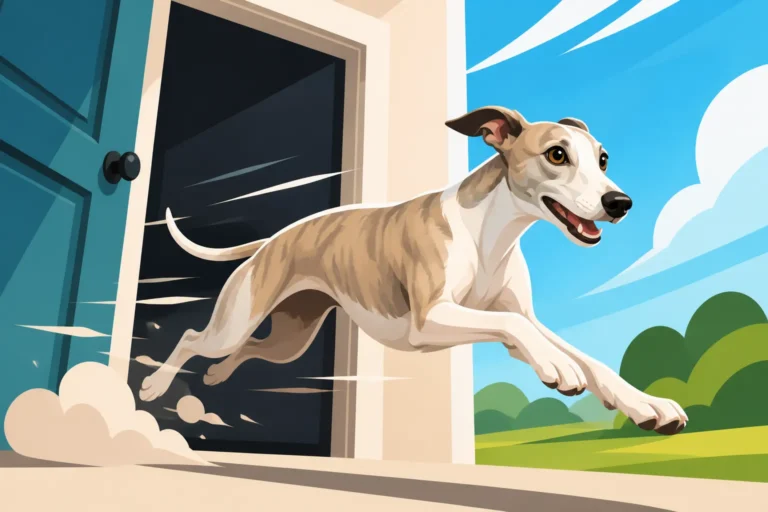
Whether a Whippet Needs a Daily Sprint
Many Whippet owners worry constantly about whether their lean, athletic companion is getting enough exercise, specifically if they must have a full-out sprint every single day to be truly happy and healthy. It's easy to look at their powerful build and assume they need to be running marathons, or at least daily races, but the reality for these wonderful sighthounds is a bit more nuanced than that. This guide will dive deep into a Whippet's exercise needs, separating myth from reality, and help you understand how to provide the right kind of physical activity for your beloved companion, without overdoing it or underdoing it.
Understanding the Whippet's Need for Speed, Not Endurance
It's a common misconception that because Whippets are built for speed, they need to sustain that speed for long periods daily. We see them zoom across a field like a bullet, and we automatically think, "Wow, they must need to do that for miles!" But this isn't how their bodies are designed, nor how their ancestral instincts typically play out. Whippets are sighthounds, bred for short, intense bursts of speed to chase down prey. Their energy profile is more akin to a sprinter than a long-distance runner.
The Burst-and-Bask Lifestyle
Think of it like this: a Whippet is a super athlete, but specifically a sprinter. They can hit incredible speeds in a blink, reaching up to 35 miles an hour, and they absolutely revel in that feeling of stretching out and flying. However, these bursts are typically short-lived. A few minutes of intense running, chasing a lure or another dog, and then they are ready to coil up on the sofa and nap for hours. This "burst and bask" lifestyle is perfectly normal for them. It means that while they crave the opportunity to open up and run, they don't necessarily need to be doing it for extended periods every single day. The quality of the run often outweighs the quantity.
Many owners feel guilty if they can't get their Whippet to a huge, fenced area every single day. I know that feeling all too well! Life gets in the way, the weather is terrible, or maybe you just don't have access to vast open spaces. The good news is, a daily marathon sprint isn't the only way to satisfy their intrinsic need for speed. What they truly crave is the option to run, even if that means just a few intense moments. They are not like some working breeds who need hours of sustained, vigorous activity to prevent destructive behaviors. Often, a good 10-15 minute blast of running, especially early in the day, can set them up for a very relaxed rest of the day. You might be surprised to learn How Far a Whippet Can Sprint Before It Tires.
The Role of Breed-Specific Activities
For many Whippets, activities that tap into their prey drive and natural sprinting abilities are incredibly enriching. This is where things like lure coursing or Fast CAT (Coursing Ability Test) come in. These events provide a safe, controlled environment for your Whippet to chase a mechanical lure, engaging their instincts to the fullest without putting them in danger. Even if you don't compete, replicating this in a safe, fenced space can be fantastic. It's about letting them be a Whippet.
It's about letting them indulge their inner athlete without the pressure of a marathon. Remember, these activities are about quality, not necessarily daily repetition. If you can provide a few good, supervised sprints a few times a week, combined with other forms of exercise, your Whippet will likely be very content. It's about finding that balance for your individual dog and your lifestyle. For more information, you can explore What Lure Coursing and Fast CAT Cost a Whippet Owner.
How Much Exercise a Whippet Actually Needs
So, if a daily full-throttle sprint isn't strictly mandatory, what is the real benchmark for a Whippet's daily exercise? The answer often surprises people who aren't familiar with the breed. While they have incredible athletic potential, Whippets are often described as "40 mph couch potatoes." This isn't just a cute saying; it's a remarkably accurate description of their energy needs and preferences. You can also learn more about The Whippet Is a Forty Mile an Hour Couch Potato.
The Daily Walk: More Than Just a Potty Break
A couple of good, brisk walks a day are generally sufficient for most adult Whippets, totaling perhaps 45-60 minutes. These aren't necessarily speed walks, but purposeful strolls where they can sniff, explore, and stretch their legs. This steady, moderate exercise helps maintain muscle tone, keeps their joints supple, and provides mental stimulation through new sights and smells. For many Whippets, a walk around the neighborhood or a local park, perhaps with a short off-leash play session if a safe, enclosed area is available, hits the sweet spot. You'll often find that after a good walk, they're ready to come home and settle down for a long nap on their favorite soft bed.
It's important to remember that these walks are also prime opportunities for bonding and training. Practicing loose-leash walking, working on polite greetings, or even just enjoying the quiet companionship can be just as beneficial as physical exertion. Don't underestimate the power of mental enrichment in tiring out a sighthound! To understand their overall needs, check out How Much Exercise a Whippet Really Needs.
Age and Individual Temperament Play a Huge Role
Just like people, not all Whippets are the same. A young, exuberant Whippet puppy, for instance, will have different needs than a senior dog. Puppies need very short, frequent play sessions, and it's crucial to be mindful of Raising a Whippet Puppy Without Wrecking Its Joints. Their bones and growth plates are still developing, so intense, forced exercise or long runs are absolutely out. Instead, focus on free play in a safe area. The Age a Whippet Can Start Running With You is an important consideration.
An older Whippet, perhaps one Caring for a Whippet Past Ten, might still enjoy a short burst of speed, but will undoubtedly prefer more gentle walks and plenty of comfortable sleeping spots. Listening to your individual dog is key. Are they restless? Destructive? Or are they happily curled up and snoozing after a normal day's activity? Their behavior is often the best indicator of whether their exercise needs are being met. Some Whippets are naturally more energetic and will seek out opportunities to zoom, while others are content with minimal fuss.
Smart Ways to Channel a Whippet's Energy Safely
Given their need for speed combined with their delicate build and notorious lack of recall when prey drive kicks in, providing safe exercise for a Whippet requires a bit of thoughtful planning. You can't just let a Whippet off-leash in any open field and expect them to come back, especially if a squirrel or rabbit darts by. Why a Whippet Cannot Be Let Off Leash in an Open Field is a harsh reality for many owners. So, how do you give them that glorious feeling of stretching out without putting them in harm's way?
Utilising Secure Off-Leash Areas
This is hands down the best way for a Whippet to truly express its athleticism. If you have access to a fully fenced yard (a tall one, as they can jump!), or a secure dog park (if your Whippet enjoys other dogs and the environment isn't too chaotic), these are ideal for those explosive sprints. Think about the joy of watching them chase a favorite toy or play zoomies with a trusted canine friend. It's pure bliss for them, and for you!
If a secure park isn't an option, consider renting a private, fenced dog field if available in your area. These spaces are becoming increasingly popular and can offer a fantastic opportunity for your Whippet to run safely without distractions. Just remember to check the fencing height and integrity before unleashing your speed demon.
The Magic of the Long Line
When a secure off-leash area isn't an option, a long line is your Whippet's best friend. A 30-foot or 50-foot long line, made of biothane or a sturdy rope material, allows them to have a sense of freedom while still being safely tethered to you. You can let them "sprint" in controlled bursts, turning and maneuvering, all while maintaining control. This is especially helpful in less populated areas like quiet sports fields or large empty parks, but always be vigilant about surroundings, people, and other dogs. I always recommend finding a good quality long line on Amazon; there are many durable options perfect for sighthounds. Read more about Whether a Long Line Suits a Whippet.
It's not quite the same as a full, unrestrained sprint, but it offers a much greater range of motion and speed than a standard leash walk. Just be aware of the environment – tangled lines around trees or other obstacles can be dangerous. Always ensure you have a good grip and are wearing gloves if your dog is particularly strong or prone to sudden dashes.
Incorporating Interactive Play and Training
Mental stimulation and interactive play can also be incredibly effective at tiring out a Whippet, sometimes even more so than physical exercise alone. Think about flirt poles – these are fantastic tools that mimic the chase of prey in a controlled manner. They allow your Whippet to engage their hunting instincts, sprint, and change direction rapidly, all within a smaller space.
Obedience training, even simple "find it" games indoors or scent work, can be surprisingly draining for a Whippet. Engaging their brains burns energy too! Companies like BAXTER & Bella offer excellent online training resources that can help you incorporate these kinds of mental games and positive reinforcement techniques, channeling their intelligence and energy in constructive ways. Learning new tricks, practicing a solid stay, or working on a reliable recall (even if just for backyard use) are all wonderful ways to bond and provide mental enrichment.
Considerations for Safe Whippet Exercise
While Whippets are incredibly agile, their lean build and thin skin mean that certain precautions are essential to prevent injuries. Their love for speed can sometimes override their sense of self-preservation, so it's up to us to create the safest environment for them.
Warming Up and Cooling Down
Just like any athlete, a Whippet benefits greatly from a proper warm-up before an intense sprint session. A brisk walk for 5-10 minutes helps get their muscles ready, increasing blood flow and flexibility. Imagine yourself trying to sprint from a cold start – it's a recipe for pulled muscles! The same applies to our Whippets. Similarly, after a vigorous play session, a cool-down walk allows their heart rate to gradually return to normal and helps prevent stiffness. Warming Up a Whippet Before It Runs and Cooling a Whippet Down After a Sprint are not just for competitive athletes; they're crucial for pet Whippets too.
Neglecting these simple steps can lead to common sighthound injuries, such as muscle strains or tears. Their long, powerful muscles are built for explosive movement, but without proper preparation, they can be vulnerable.
Surface Matters: Protecting Delicate Paws and Joints
The surface your Whippet runs on is incredibly important. Hard, unforgiving surfaces like concrete or asphalt can be tough on their joints and paws during high-speed turns or sudden stops. Grass or soft, sandy areas are generally much better, providing more cushion and grip. Avoid running on wet, slippery grass where possible, as it significantly increases the risk of slips and falls, which can lead to nasty injuries like The Muscle a Whippet Tears Sliding on Wet Grass.
Always inspect the area for hazards before letting your Whippet off-leash. Hidden divots, sharp objects, or uneven terrain can quickly turn a fun run into a trip to the emergency vet. Their thin skin is prone to tears and lacerations, so a quick scan of the environment can save you a lot of heartache and vet bills.
Temperature and Weather Considerations
Whippets have very little body fat and thin coats, making them highly susceptible to extreme temperatures. In cold weather, they'll need appropriate clothing to stay warm, even during a run. The Wardrobe a Whippet Needs Because It Has No Body Fat isn't a fashion statement; it's a necessity! A cold Whippet will be reluctant to run and is more prone to injury. Conversely, in hot weather, they can overheat quickly. Short, early morning or late evening runs are best to avoid the midday heat. Always ensure access to fresh water, and never push them to exercise vigorously when it's too warm.
Rain or snow often presents a unique challenge, as many Whippets have a strong aversion to getting wet or cold. The Whippet That Will Not Toilet in the Rain is a common complaint, let alone asking them to sprint in it! Patience and appropriate rain gear can help, but sometimes, an indoor play session with a flirt pole might be the best option on a miserable day.
Ultimately, while a Whippet loves to sprint, and should have opportunities to do so, it doesn't necessarily mean a full-out dash every single day is a strict requirement for their happiness and health. A balanced approach that includes regular walks, occasional bursts of speed in a safe environment, plenty of mental stimulation, and careful attention to their individual needs and safety will create a well-adjusted, joyful Whippet.
| Exercise Type | Intensity | Duration | Benefits | Considerations |
|---|---|---|---|---|
| Free Sprint (Fenced) | High | 10-20 minutes | Peak physical exertion, instinct fulfillment | Requires secure, large space; warm-up/cool-down |
| Long Line "Sprint" | Medium-High | 15-30 minutes | Mimics freedom, builds speed safely | Requires open, safe area; potential for tangling |
| Brisk Leash Walk | Medium | 30-45 minutes (x2) | Cardio, muscle tone, mental stimulation | Regular occurrence, good for bonding |
| Flirt Pole Play | High | 5-10 minutes (x2) | Prey drive, quick bursts, mental engagement | Can be done in smaller spaces, good for bad weather |
| Structured Training | Low-Medium | 10-15 minutes (x2) | Mental stimulation, obedience, bonding | Complements physical exercise, prevents boredom |
| Lure Coursing/Fast CAT | High | Event-based | Ultimate instinct fulfillment, social | Event attendance, cost, specialized activity |
Disclaimer
This article is for general informational purposes only and does not constitute professional advice. Laws, prices and regulations vary by location and change over time. Consult a qualified professional for guidance on your specific situation.