Whether Excitement Triggers a PFK Episode in a Whippet
For Whippet owners, few things are as unsettling as the thought of their beloved dog experiencing a health crisis, especially when it's linked to a complex condition like Phosphofructokinase (PFK) Deficiency. The worry that everyday joys, like a burst of excitement, could trigger an episode is a constant source of anxiety. This comprehensive guide will explore the intricate relationship between excitement and PFK episodes in Whippets, offering insights and practical strategies to help you navigate this challenging aspect of their care.
Understanding Phosphofructokinase Deficiency in Whippets
Living with a Whippet diagnosed with Phosphofructokinase (PFK) Deficiency can feel like walking a tightrope. This isn't just a minor ailment; it's a serious inherited metabolic disorder that affects your dog's red blood cells, impacting their ability to produce energy and carry oxygen effectively. Understanding the core of this condition is the first step toward effective management and peace of mind.
What PFK Deficiency Actually Means
At its heart, PFK deficiency in Whippets means that their red blood cells lack a crucial enzyme, phosphofructokinase, which is essential for glycolysis – the process that converts glucose into energy. Think of it like a car with a faulty fuel pump; even if there's plenty of gas (glucose) in the tank, it can't get to the engine efficiently to produce power. In a Whippet with this condition, the red blood cells become fragile and prone to premature destruction, particularly when challenged. This premature destruction is called hemolytic anemia, and it's the root cause of many of the symptoms you might observe. It's a genetic hand-me-down, meaning both parents must carry a copy of the recessive gene for a puppy to be affected, though they might not show any signs themselves. Knowing this genetic component is why responsible breeders test for it. For a deeper dive into this condition, you might find our article on Phosphofructokinase Deficiency in a Whippet incredibly helpful.
Recognizing the Signs of a PFK Episode
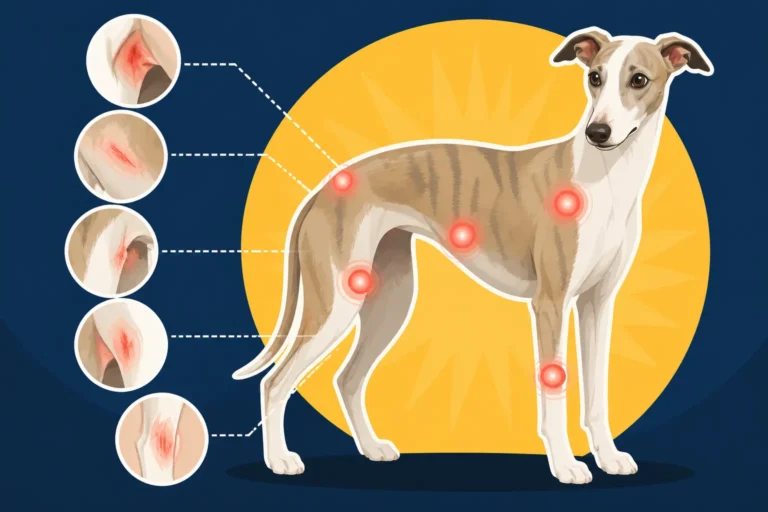
The signs of a PFK episode can sometimes creep up on you, making them easy to miss in their early stages, or they can hit suddenly and severely. Typically, these episodes are triggered by increased metabolic demand on the red blood cells, which can happen during periods of stress, excitement, or intense physical activity. What you might observe first is your Whippet becoming unusually weak or lethargic after what seemed like normal play. They might appear tired much faster than usual, even after a short burst of activity. Muscle cramping can also occur, which can be painful and cause them to move stiffly or even collapse.
A tell-tale sign that often sends owners rushing to the vet is the appearance of dark urine, which can range from a deep yellow to an alarming brownish-red color. This dark urine is due to the release of hemoglobin from the ruptured red blood cells. You might also notice their gums becoming pale, indicating anemia, and in more severe cases, they might develop jaundice, a yellowish tint to their skin or eyes, as their body struggles to process the breakdown products of the red blood cells. These symptoms can be truly frightening, leaving you feeling helpless. Understanding what to look for can make all the difference in getting prompt veterinary care. Our guide on What Phosphofructokinase Deficiency Does to a Whippet and Whether a Whippet With PFK Deficiency Passes Dark Urine provides more detailed information on identifying these critical signs.
The Link Between Excitement and PFK Episodes
It’s heartbreaking to think that your Whippet’s natural joy and zest for life could pose a risk to their health, but with PFK deficiency, excitement isn’t just an emotion – it's a physiological event that can dramatically increase their body’s demands. This connection is often the most challenging aspect for owners to manage, as you don't want to stifle your dog's happiness.
How Stress and Excitement Impact Metabolism
When your Whippet gets excited—whether it's seeing you after a long day, getting ready for a walk, or anticipating a play session—their body kicks into a higher gear. This isn't just mental; it's a full-body physiological response. Their heart rate goes up, adrenaline starts pumping, and their muscles demand more oxygen and energy. For a healthy dog, this surge is perfectly normal and manageable. However, for a Whippet with PFK deficiency, whose red blood cells are already compromised and inefficient at energy production and oxygen transport, this increased demand can be disastrous. The fragile red blood cells simply can't keep up, leading to their rapid destruction (hemolysis). This cascade can quickly deplete their oxygen-carrying capacity, resulting in the acute symptoms of a PFK episode. It's a cruel irony that the very thing that makes them happy can put them at risk, creating a constant internal struggle for their body. This is why careful management of their activity and emotional state is so vital. You can learn more about how physical exertion impacts them in Whether a Whippet With PFK Deficiency Can Exercise.
Common Scenarios Where Excitement Can Be a Trigger
The tricky part about managing PFK deficiency is identifying the specific situations that can tip your Whippet over the edge. It’s not always obvious, and what one dog can tolerate, another cannot. Intense play with other dogs, especially rough-and-tumble games that involve quick sprints and sudden stops, is a huge culprit. The sheer joy and physical exertion can be too much. Similarly, visits to busy dog parks, where there are constant new sights, sounds, and interactions, can easily overstimulate a PFK-affected Whippet, even if they aren't actively running.
Think about greetings too; that explosion of ecstatic wiggles and frantic tail wags when you walk through the door after being away for hours. While you love to be greeted, that intense burst of emotional and physical energy can be a trigger. Highly stimulating environments, like a busy city street with lots of traffic, crowds, or other animals, can also contribute to an episode, even if your dog is on a leash. The frustration for owners is immense, feeling like you have to constantly gauge their excitement levels and sometimes even interrupt their fun to keep them safe. It’s about learning to read your specific Whippet and understanding their limits, which can often be much lower than a healthy Whippet's.
Proactive Management and Support for PFK-Affected Whippets
Living with a PFK-deficient Whippet means embracing a proactive approach to their care. It’s about creating a lifestyle that minimizes risks while maximizing their quality of life. This dedication can feel daunting at times, but with the right strategies and veterinary partnership, you can provide your beloved companion with comfort and safety.
Creating a Low-Stress Environment
The cornerstone of managing a Whippet with PFK deficiency is cultivating a predictable, low-stress environment. Consistency in daily routines, from feeding times to walks, can significantly reduce anxiety and prevent sudden bursts of excitement. When you arrive home, instead of a dramatic reunion, try to greet your Whippet calmly and quietly. Encourage gentle interaction rather than boisterous play upon your return.
Exercise needs to be carefully monitored and managed. Instead of intense, full-speed sprints, opt for multiple shorter, leash-walks or controlled play sessions in a secure, quiet yard. Avoid situations where they might get overstimulated or feel pressured to keep up with more energetic dogs. Think about creating designated calm zones within your home – soft, comfortable beds in quiet corners where they can retreat and relax. These adjustments aren't about denying them joy but reshaping their experiences to be safer and more sustainable for their unique physiology.
Working With Your Veterinarian and Genetic Testing
Having a strong partnership with your veterinarian is absolutely non-negotiable when caring for a PFK-deficient Whippet. Ideally, you want a vet who understands the specific nuances of sighthound physiology and genetic conditions. Sighthounds have unique physiological quirks, including how they metabolize certain drugs and their normal bloodwork values, which can often look "off" compared to other breeds. Finding a vet who is familiar with Why a Whippet Needs a Sighthound Anesthesia Protocol or can interpret The Bloodwork Numbers That Look Wrong on a Healthy Whippet is invaluable.
Genetic testing is a powerful tool. If your Whippet has been diagnosed, or if you are considering breeding, testing can identify carriers and affected dogs. This information is crucial for making informed decisions about care and breeding practices. You can delve into this topic further by reading Whether PFK Deficiency Has a DNA Test in Whippets. Regular check-ups and ongoing monitoring of their bloodwork are essential to catch any changes early. These specialized veterinary needs can add up financially, and this is where pet insurance, like a policy from Healthy Paws, can be a real lifesaver, helping to cover the costs of diagnostics, consultations, and potential treatments, ensuring you can always make the best decisions for your Whippet's health without financial strain.
Emergency Preparedness and Long-Term Care
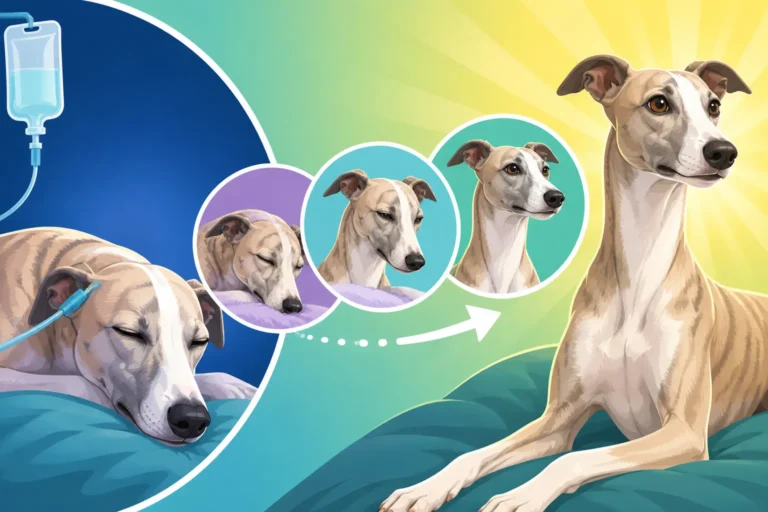
Despite your best efforts, an episode might still occur. Knowing what to do in that moment can make a world of difference. The first step is always to remain calm. Immediately stop any activity, encourage your Whippet to lie down, and offer water. Contact your veterinarian or an emergency clinic right away, describing the symptoms clearly. Time is often of the essence.
Long-term care for a Whippet with PFK deficiency focuses on consistent management and monitoring. While there isn't a cure, careful lifestyle adjustments can allow them to live a good quality of life. Owners often wonder about the prognosis and how long their companion can live. While it varies depending on the severity and management, with diligent care, many PFK-affected Whippets can still enjoy a respectable lifespan. For more insights into their longevity, see Whether a Whippet With PFK Deficiency Lives Long and The Twelve to Fifteen Years a Whippet Lives.
The journey with a PFK-deficient Whippet requires dedication, but it is incredibly rewarding. The peace of mind that comes from knowing you're prepared for the unexpected is invaluable. Having a robust pet insurance plan, such as one from Healthy Paws, is an investment in that peace of mind. It can help mitigate the often-significant costs associated with emergency care, specialized medications, and ongoing veterinary visits, protecting your budget while ensuring your Whippet receives the best possible care. This allows you to focus on caring for your furry family member rather than worrying about the bills. It's truly a testament to love and commitment, ensuring they continue to thrive even with their unique challenges. For more on preparing for vet bills, check out Setting Money Aside for a Whippet's Vet Bills.
Managing Excitement for Your PFK-Deficient Whippet
| Trigger | Description | Recommended Alternatives/Management |
|---|---|---|
| Intense Play with Other Dogs | High-energy games, chasing, roughhousing that leads to bursts of speed and physical exertion. | Supervised, calm interactions with known, gentle dogs; short, low-intensity play sessions; solo play with soft toys. |
| Overly Enthusiastic Greetings | Frantic jumping, spinning, and barking upon owner's return or meeting new people. | Calm greetings: ignore until calm, then offer quiet praise; teach a "place" command; manage guest introductions. |
| Highly Stimulating Environments | Crowded dog parks, busy urban areas, dog shows, loud events, or unfamiliar places with many sensory inputs. | Quiet, familiar walking routes; private, securely fenced areas for controlled off-leash time; gradual exposure to new, low-key environments. |
| Strenuous Exercise | Long sprints, endurance running, activities that push physical limits. | Multiple short, moderate-paced walks; gentle lure coursing (if vet-approved and carefully monitored); mental enrichment games. |
| Anticipation of Fun Activities | Whippet getting worked up before a walk, meal, or car ride. | Establish routines to reduce anticipation; use calm voice and slow movements; engage in a brief, calming activity before the exciting one. |
Disclaimer
The information provided in this article is for general educational purposes only and is not a substitute for professional veterinary advice. Always consult with a qualified veterinarian for any health concerns or before making any decisions about your Whippet's medical care or treatment plan.