Whether a Whippet’s PFK Deficiency Is Recessive
It’s a truly frightening moment when you hear your vet mention a genetic condition, especially something with a complicated name like Phosphofructokinase (PFK) Deficiency. For many Whippet owners, the immediate concern is what it means for their beloved companion and, perhaps more pressingly, how it could have happened. Understanding the underlying genetics of PFK deficiency is crucial not only for managing an affected dog but also for responsible breeding, and this guide will walk you through its recessive nature and what that truly implies.
Understanding Phosphofructokinase Deficiency in Whippets
Phosphofructokinase (PFK) deficiency is a metabolic disorder that affects a Whippet's red blood cells and muscle cells. It's a condition that can be quite unsettling for owners because its symptoms often manifest after periods of excitement or strenuous activity, leaving you wondering what just happened to your energetic dog. It’s caused by a defect in the enzyme phosphofructokinase, which is vital for converting glucose (sugar) into energy. Think of it like a car engine that can’t properly use its fuel – it sputters, struggles, and eventually stalls.
When a Whippet with PFK deficiency exerts itself, or even experiences a burst of excitement, their body struggles to produce enough energy at a cellular level. This leads to a rapid breakdown of red blood cells and muscle cramping. You might notice your dog slowing down dramatically, showing muscle stiffness or weakness, and becoming lethargic after what should have been a normal play session or a short run. It’s not just about feeling tired; it’s a profound systemic issue that impacts their ability to function normally. You can learn more about exactly What Phosphofructokinase Deficiency Does to a Whippet to get a clearer picture of its impact.
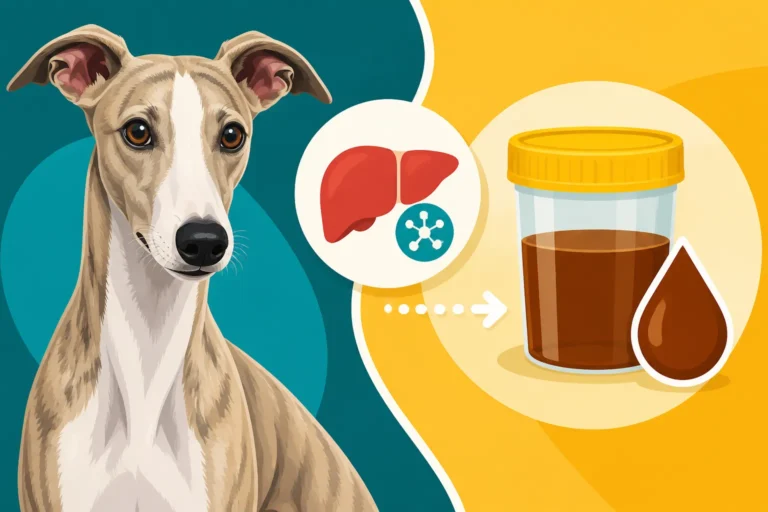
One of the most visually alarming symptoms for owners is the appearance of dark urine. This isn’t just a simple hydration issue; it’s a direct result of the red blood cell breakdown, releasing hemoglobin into the bloodstream and then into the urine, giving it a dark, reddish-brown, or even black appearance. This is a clear indicator that something significant is happening internally and requires immediate veterinary attention. Witnessing this can be incredibly stressful, and it's understandable to feel a pang of fear when you see it. We've all been there, scrutinizing every little change in our dogs, and something like dark urine is definitely a red-flag moment. The good news is that understanding Whether a Whippet With PFK Deficiency Passes Dark Urine can help you recognize this symptom quickly.
The Recessive Nature of PFK Deficiency
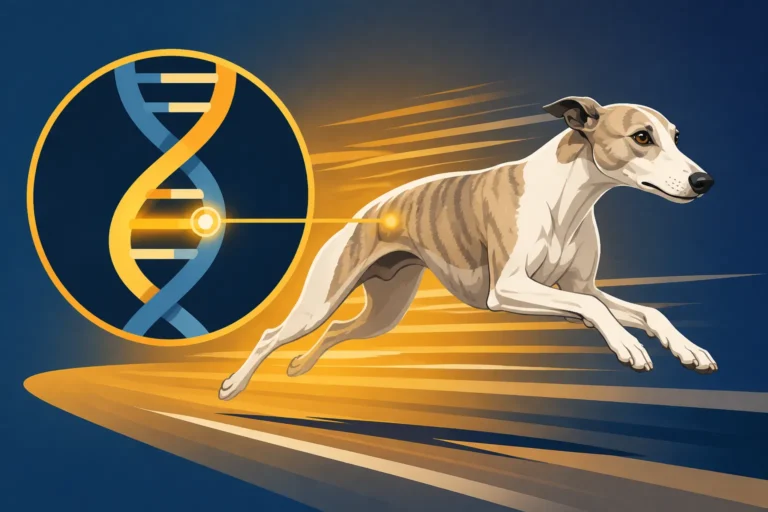
Now, let's get to the heart of the matter: PFK deficiency in Whippets is indeed an autosomal recessive genetic disorder. What does "autosomal recessive" actually mean in plain English for us dog owners? It means two key things that are critical for understanding how this condition is passed down through generations.
First, "autosomal" means the gene responsible for PFK deficiency is located on a non-sex chromosome. So, it's not tied to whether your Whippet is male or female; both sexes are equally susceptible to inheriting the condition. This distinguishes it from X-linked disorders, for example, which often affect males differently than females. For a Whippet, it simply means that if the right genetic combination comes together, PFK deficiency can occur regardless of gender.
Second, and most importantly, "recessive" means that a Whippet must inherit two copies of the defective gene – one from each parent – to actually develop the disease. If a Whippet only inherits one copy of the defective gene and one normal copy, they won't typically show any symptoms of PFK deficiency. Instead, they are considered a "carrier." These carriers are usually perfectly healthy and lead normal lives, but they carry the potential to pass the defective gene on to their offspring. This is where things get tricky and why responsible breeding practices become so vital. It’s not always obvious that a dog is carrying this hidden genetic burden.
How Recessive Inheritance Works
To visualize this, imagine the gene for PFK is represented by a letter. Let's use 'N' for the normal, healthy gene and 'p' for the defective, PFK-deficient gene.
- NN: This Whippet has two normal genes. They are completely clear of PFK deficiency and cannot pass the defective gene to their puppies.
- Np: This Whippet has one normal gene and one defective gene. They are a "carrier." They are typically healthy and show no symptoms of PFK deficiency, but they can pass the 'p' gene to their offspring.
- pp: This Whippet has two defective genes. They will be affected by PFK deficiency and will exhibit the symptoms of the condition. They will also pass a 'p' gene to all of their offspring.
The implications for breeding are profound. If you breed two carriers (Np x Np), there's a 25% chance with each puppy that it will inherit two 'p' genes and be affected (pp). There's a 50% chance it will be a carrier (Np), and a 25% chance it will be clear (NN). This is why genetic testing is such a game-changer in preventing the spread of such conditions. It allows breeders to make informed decisions and avoid these devastating outcomes.
| Parent 1 / Parent 2 | NN (Clear) | Np (Carrier) | pp (Affected) |
|---|---|---|---|
| NN (Clear) | 100% NN | 50% NN, 50% Np | 100% Np |
| Np (Carrier) | 50% NN, 50% Np | 25% NN, 50% Np, 25% pp | 50% Np, 50% pp |
| pp (Affected) | 100% Np | 50% Np, 50% pp | 100% pp |
This table clearly illustrates the risks involved when carriers are bred, or when an affected dog is involved in breeding. It underscores the importance of knowing the genetic status of both parents to make responsible choices and ensure the health of future generations.
Genetic Testing and Breeding Considerations
For any responsible Whippet owner or breeder, understanding the recessive nature of PFK deficiency naturally leads to questions about genetic testing. The good news is that, unlike some more mysterious conditions, there is a reliable DNA test available to determine a Whippet's PFK status. This test can identify whether a dog is clear (NN), a carrier (Np), or affected (pp). This knowledge is absolutely invaluable.
The process for testing is usually quite straightforward, often involving a simple cheek swab that you can collect at home or have your vet do. The sample is then sent to a specialized veterinary genetic testing laboratory, such as Optimal Selection or Embark. These labs analyze the DNA to pinpoint the specific mutation associated with PFK deficiency. Knowing Whether PFK Deficiency Has a DNA Test in Whippets empowers owners to proactively manage their dog's health and make informed breeding decisions.
For breeders, genetic testing is not just a recommendation; it's a moral imperative. Breeding two carriers together, even if both appear perfectly healthy, guarantees that 25% of their offspring, on average, will be affected by PFK deficiency. This is a preventable tragedy. By testing prospective breeding Whippets, breeders can avoid these pairings altogether. If a known carrier must be bred (perhaps due to other exceptional qualities), it should only be paired with a dog that is certified clear (NN) of the PFK mutation. This ensures that no affected puppies will be produced, though some puppies will still be carriers. This systematic approach helps to gradually reduce the prevalence of the defective gene in the Whippet population over time, safeguarding the breed's future. It’s part of a comprehensive approach to health testing, just like The Health Tests Both Whippet Parents Should Have for other potential issues.
Imagine the relief of knowing your potential puppy comes from parents who have been fully health tested, including for PFK deficiency. It significantly reduces the heartache and financial burden of dealing with a genetic condition later on. Speaking of financial burdens, while genetic testing itself has a cost (you can find details on What a Whippet DNA Panel Costs), it's a small investment compared to the potential veterinary bills for an affected dog. This is also where planning ahead with pet insurance like Healthy Paws can come into play. While insurance won't cover pre-existing conditions, having a policy in place before any diagnosis means you're better prepared for unexpected health challenges, even those you try to mitigate through responsible breeding. Choosing a puppy from a breeder who has conducted thorough genetic testing, rather than an Whether an Untested Whippet Litter Is Worth Buying, provides immense peace of mind.
Living with a Whippet that is a PFK Carrier or Affected
So, what does all this genetic talk mean for you if you own a Whippet who is a PFK carrier or, more rarely, actually affected by the condition? The good news is that for most carriers, life is perfectly normal.
If your Whippet is identified as a PFK carrier (Np), you typically don't need to do anything different. These dogs generally don't show any symptoms of the deficiency because they have one healthy copy of the gene producing enough functional PFK enzyme. They can run, play, and live out their full lives just like any other Whippet. The main significance of a carrier status is solely for breeding purposes – they should not be bred with another carrier. Otherwise, your carrier Whippet is simply your beloved companion, just with a little genetic information that's important for future generations.
For Whippets that are actually affected (pp), meaning they have two copies of the defective gene, the situation requires more careful management, but it doesn't mean a life devoid of joy. While PFK deficiency can lead to severe episodes, many affected Whippets can still lead fulfilling lives with appropriate care. Understanding Whether a Whippet With PFK Deficiency Lives Long often depends on how well the condition is managed. The key is to avoid triggers that can induce a PFK crisis, such as intense or prolonged exercise, stress, or excitement.
Practical advice for managing an affected Whippet often includes:
- Moderated Exercise: Instead of intense sprints or long, strenuous hikes, focus on shorter, more frequent, and lower-impact activities. Gentle walks, controlled playtime in the yard, or very short bursts of running might be acceptable. It’s about learning your individual dog's limits. We often talk about Whether a Whippet With PFK Deficiency Can Exercise, and the answer is yes, but thoughtfully.
- Stress Reduction: Try to keep your Whippet's environment calm and predictable. Sudden loud noises, unexpected visitors, or high-stress situations can sometimes trigger an episode. Sometimes, Whether Excitement Triggers a PFK Episode in a Whippet is a real concern, so managing arousal levels is key.
- Dietary Management: While there isn't a specific diet that "cures" PFK deficiency, a high-quality, easily digestible diet can support overall health. Some vets might recommend avoiding certain ingredients or ensuring a consistent feeding schedule to maintain steady energy levels.
- Monitoring and Veterinary Care: Regular check-ups with your veterinarian are essential. They can help you monitor your dog’s health, adjust management strategies, and intervene quickly if an episode occurs. Keep a close eye on their urine color, energy levels, and any signs of muscle weakness or stiffness. Early detection of symptoms and prompt veterinary care can make a significant difference in the outcome of an episode.
It's natural to worry about the cost of managing a chronic condition, and this is where a good pet insurance plan like Healthy Paws can be a lifeline. While genetic conditions that are diagnosed before a policy starts are considered pre-existing and typically won't be covered, having a plan in place for other unforeseen accidents or illnesses is always wise. If you've adopted an older Whippet and discover they are affected, discuss coverage options thoroughly with insurance providers, as policies vary greatly. Ultimately, the goal is to ensure your Whippet, whether carrier or affected, enjoys the best possible quality of life, filled with love and appropriate care.
Disclaimer
Please remember that this article is for informational purposes only and should not replace professional veterinary advice. Always consult with a qualified veterinarian for any health concerns or before making any decisions about your Whippet's care or breeding.