Whether Whippet Markings Are Faulted
Whippet markings such as white blazes and brindle patches rarely count as show faults because breed standards accept broad color ranges.
Is this the right one for you?
Origins and temperament, size and coat, what living with one is actually like, and how it compares to the breeds people weigh against it.

Whippet markings such as white blazes and brindle patches rarely count as show faults because breed standards accept broad color ranges.
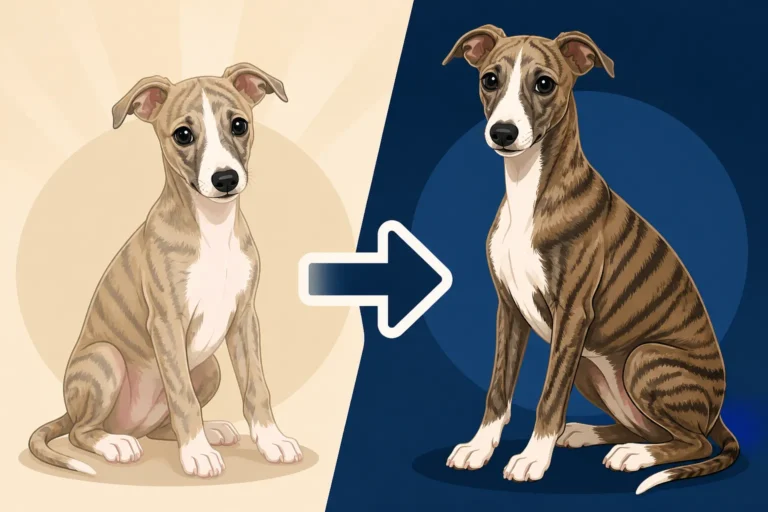
Whippet puppy brindle coat changes, explaining normal coat growth, lighting effects, and veterinarian attention triggers.
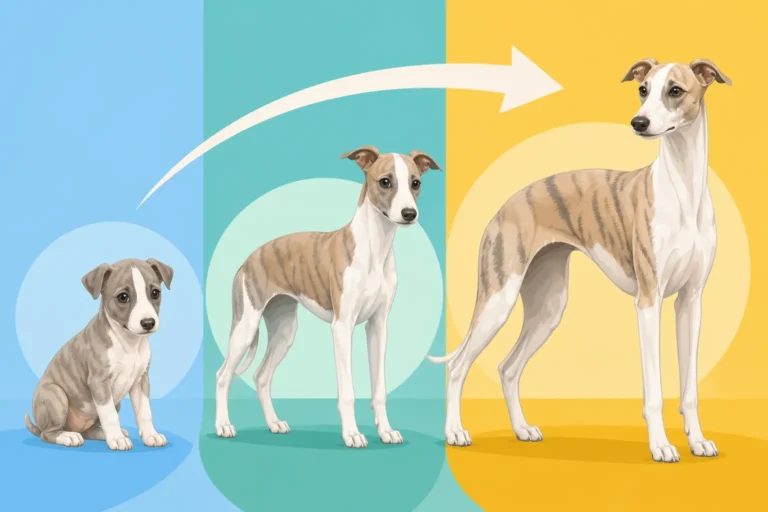
Whippet coat color changes explain why puppy markings mature, adult shades fade, and fur cycles affect appearance.

Whippet eye color and pigment development explain why puppies have blue eyes and when veterinary checks are needed.
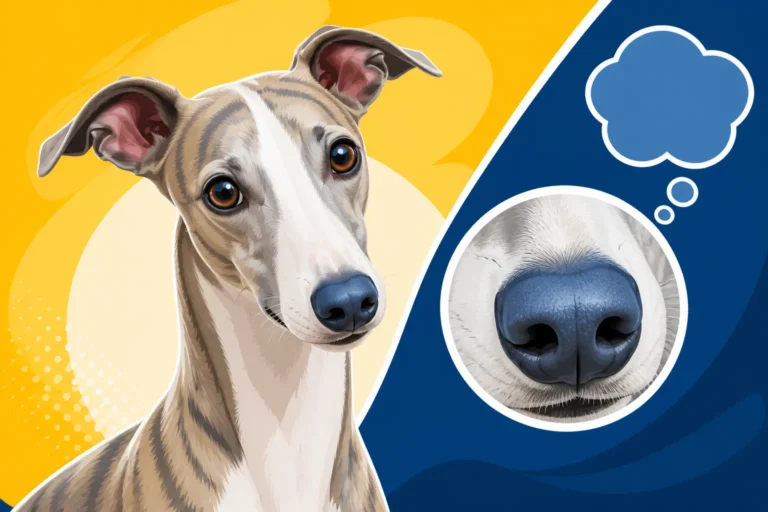
Whippet blue nose pigmentation means slate gray nose leather, distinguishing inherited gray coloring from faded or irritated skin.
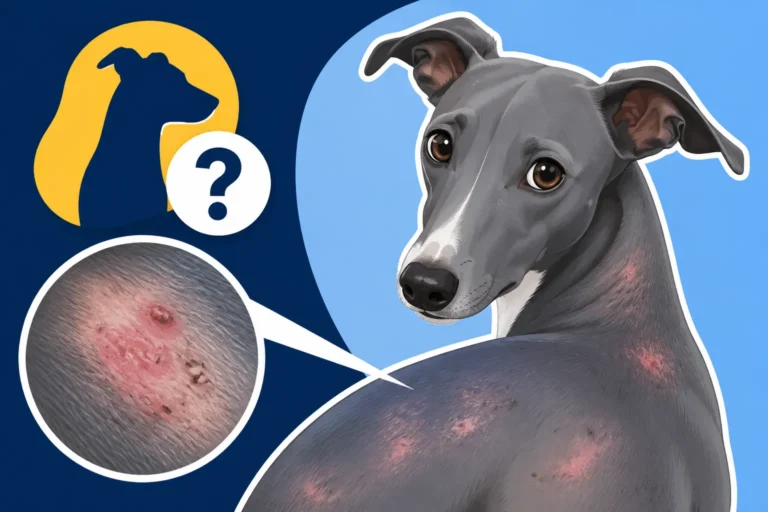
Blue Whippet skin and coat health, including color dilution alopecia signs, fine coats, and veterinary care needs.
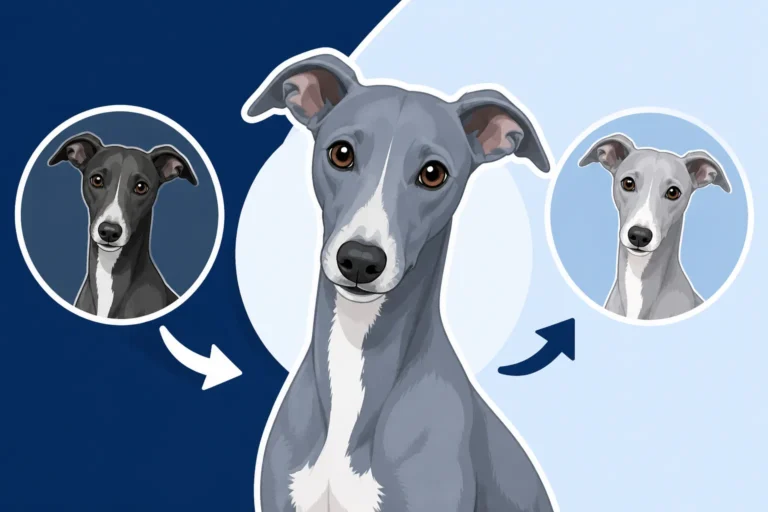
A blue Whippet inherits a slate gray coat when two copies of a genetic dilution variant soften its black pigment.
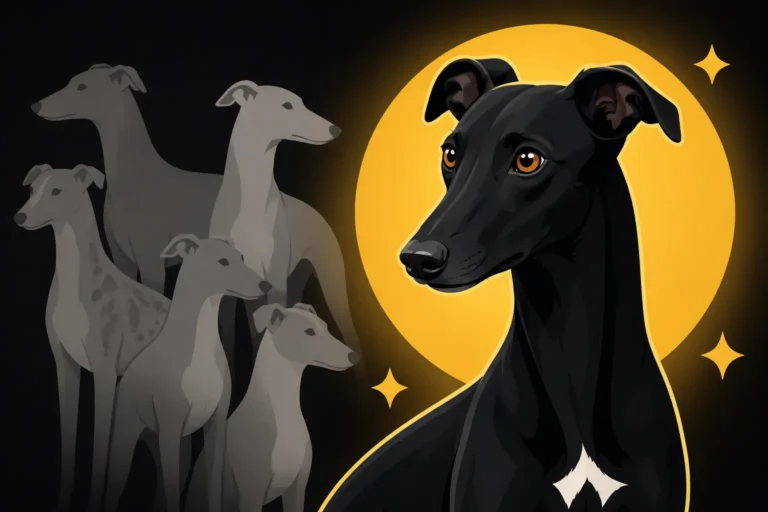
Black Whippet coats, their true frequency across the breed, and the reasons why the color can appear uncommon locally.
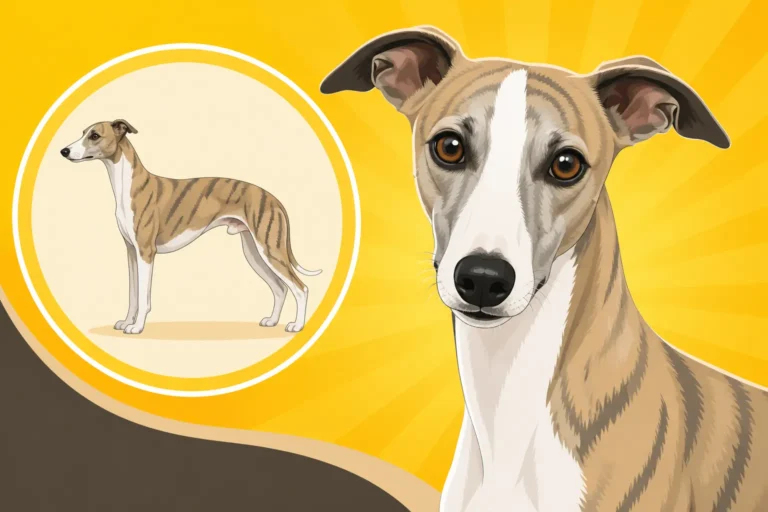
Whippet coat colors include brindle, fawn, black, blue, and white, though no reliable worldwide count proves one dominates.
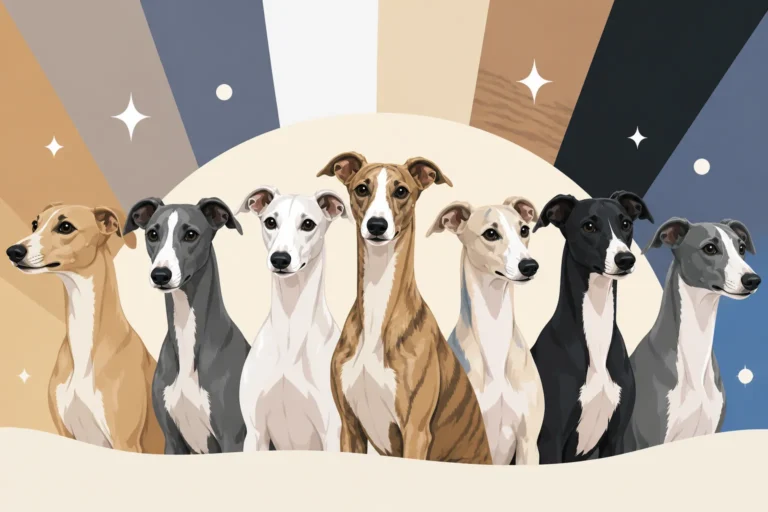
Whippet coat colors include black, white, blue, brindle, and fawn, according to official breed standards and registry rules.