Skin First Aid Every Whippet Owner Should Know
One of the most disheartening things about living with a Whippet is discovering that seemingly minor bump or scrape has resulted in a deep cut or tear that looks absolutely horrific. Their delicate, almost paper-thin skin means injuries that wouldn't faze another breed can turn into a dramatic, bleeding mess requiring immediate attention. This guide is here to walk you through everything you need to know about Whippet skin first aid, from prevention and what to keep in your emergency kit to handling injuries and knowing when it's time to rush to the vet.
Why Whippet Skin is So Delicate and Prone to Injury
If you've ever felt a Whippet, you know they're not built like a tank. They're sleek, elegant, and surprisingly soft – and that softness extends to their skin. Understanding why their skin is so vulnerable is the first step to being a prepared Whippet owner. It's not just a myth; there's a real biological reason behind it, and it's a frustration shared by nearly every Whippet family out there.
The Thin Skin and Lack of Fat Padding
Unlike many breeds with thick coats and a generous layer of subcutaneous fat, Whippets have very little insulation. Their skin is incredibly thin, almost translucent in some areas, lying directly over muscle and bone. This means there's virtually no buffer to protect against bumps, scrapes, or impacts. Imagine tissue paper instead of thick cardstock – that's often the difference in skin resilience between a Whippet and, say, a Labrador. This lack of padding means that any friction or sharp contact can easily tear the skin open, revealing muscle or even bone underneath, which is always a shocking sight for an owner. It’s why you'll often find yourself rushing to the vet for what looks like a paper cut on another dog. You can learn more about this specific vulnerability in The Thin Skin That Sends a Whippet to the Vet for Stitches.
This inherent thinness also impacts how their skin heals. There's less tissue to pull together for stitches, and sometimes the skin is so fragile that even sutures can pull through if not placed carefully or if the dog is too active. The healing process can feel prolonged because the skin just doesn't have the robust regenerative capacity of a more heavily padded breed. This is also why we're constantly on the lookout for pressure sores; their bony prominences aren't cushioned by fat, making them susceptible to friction and pressure if they don't have soft bedding.
When you feel your Whippet's ribs or hip bones, you're not just feeling their lean physique; you're feeling how close their skin is to the skeletal structure, which explains a lot of the issues. This isn't a sign of being underweight in a healthy Whippet; it's just how they are built. You can read more about Why a Whippet Has So Little Body Fat and its implications for their overall well-being. It's a key characteristic that defines their athletic ability but also dictates much of their care, including being mindful of potential skin injuries.
The Barely-There Coat
Complementing their thin skin is their incredibly short, fine coat. While beautiful and low-shedding, it offers almost no protection against thorns, sharp branches, or even rough textures. A dense, coarse coat might deflect a minor scratch, but a Whippet's silken fur simply parts to reveal the vulnerable skin beneath. This means that a quick run through a thorny bush or a brush against a sharp edge of furniture can result in a laceration, rather than just a snagged hair.
This lack of protective fur also makes them more susceptible to environmental factors like sunburn, especially on lighter-pigmented areas or those with sparse hair, such as their belly, inner thighs, or ear tips. It's easy to forget that dogs can get sunburned, but with a Whippet, it's a real consideration. Their skin is directly exposed to UV rays, which means diligent sun protection is often necessary during prolonged outdoor exposure, especially in warmer climates or during peak sun hours.
Furthermore, a thin coat means that external parasites, like fleas or ticks, have an easier time attaching and causing irritation. While a thicker-coated dog might hide a few fleas, they are very obvious on a Whippet, and their sensitive skin can react more intensely to bites, leading to localized inflammation or even secondary infections from scratching. It's just another aspect of their delicate nature that owners need to be hyper-aware of.
The Zoomies and the Risks They Bring
Whippets are known for their incredible bursts of speed – the famous "zoomies." They will launch themselves around the house or yard with a joyous abandon that can sometimes be their undoing. During these explosive sprints, they can misjudge turns, collide with furniture, or slide uncontrollably on slick surfaces. Their enthusiasm often outweighs their spatial awareness, and the sheer momentum they carry means any impact is significant.
A common scenario involves a Whippet tearing through the house, attempting a tight corner, and scraping a hip or shoulder against a door frame or coffee table leg. What might be a minor bruise for a sturdier breed can become a nasty skin flap or deep laceration for a Whippet. Similarly, playing vigorously in a yard with even slightly rough terrain or hidden obstacles can quickly lead to injury. They simply don't have the built-in padding to absorb these impacts safely.
This combination of speed, boundless energy, and fragile skin means that a large part of preventing injuries involves creating a safe environment. From ensuring soft bedding is readily available to padding sharp corners of furniture, or even choosing appropriate outdoor play areas, every Whippet owner quickly learns to become a vigilant "hazard assessor" in their home and yard. Their incredible athleticism is a joy to behold, but it comes with the responsibility of safeguarding their delicate bodies.
Recognizing Different Types of Skin Injuries
Being able to identify the type and severity of a skin injury is crucial for knowing how to react. With a Whippet, what looks bad might just be surface level, and what looks minor could be surprisingly deep. It’s all about understanding what you’re seeing and remaining calm.
Lacerations, Punctures, and Abrasions
Lacerations are perhaps the most common and dramatic Whippet skin injury. These are cuts or tears, often irregular in shape, caused by sharp objects like glass, metal, thorns, or even another dog's tooth. Because Whippet skin is so thin and loosely attached, lacerations often gape open significantly, revealing underlying tissue, which can be quite alarming. The edges might be clean-cut or ragged, depending on the cause. These tend to bleed freely due to the superficial nature of the wound and proximity to capillaries, making them look worse than they sometimes are, but also indicating the need for prompt attention to stop the bleeding.
Puncture wounds are typically deeper than they are wide, caused by a sharp, pointed object like a nail, stick, or a bite from another animal. The entrance wound might look small and insignificant on the surface, but the potential for deep tissue damage, infection, and foreign objects embedded within the wound is high. Punctures can be deceptively dangerous because the external appearance doesn't always reflect the internal damage. They might not bleed much externally but can harbor bacteria deep within, leading to abscesses if not properly cleaned and treated. Any time you suspect a puncture wound, especially from a bite, a vet visit is imperative.
Abrasions, also known as scrapes, occur when the skin is rubbed or dragged across a rough surface, like concrete or gravel. These are typically superficial injuries where the top layers of skin are removed, resulting in a raw, often oozing, and painful area. Abrasions can be quite painful but generally don't bleed as profusely as lacerations. While not usually life-threatening, they are prone to infection because the protective barrier of the skin is compromised, and dirt and debris can be ground into the wound. Keeping these clean is paramount for proper healing.
Bruises and Contusions and Why They Look Dramatic
Whippets, with their thin skin and minimal padding, are particularly prone to bruising, and often these bruises can look incredibly dramatic. A bruise, or contusion, occurs when small blood vessels under the skin break due to impact, causing blood to leak into the surrounding tissues. Since Whippet skin is so thin and often very pale (especially on their bellies and inner legs), even a minor impact can result in a large, dark, and vividly colored bruise that spreads quickly. The colors can range from deep purple to black, changing to green and yellow as they heal, which can be alarming for owners who aren't used to seeing such prominent discoloration.
The lack of fat also means that any internal bleeding from a contusion is much more visible, often appearing larger and more intense than it might on a thicker-skinned dog. What might be a small, hidden bruise on a Golden Retriever could be a sprawling, vibrant canvas of blues and purples on your Whippet. It’s important to remember that while they look severe, most bruises are simply a cosmetic issue and indicate trauma, not necessarily a deep wound. However, extensive bruising could also be a sign of more significant underlying injury, like muscle damage, or even an internal issue, especially if there's no clear external impact point.
While most bruises resolve on their own with time, keeping an eye on their size, color, and whether they are associated with lameness or pain is important. If the bruise is rapidly expanding, accompanied by swelling, extreme pain, or your Whippet is showing signs of distress beyond local tenderness, it's wise to contact your vet. Sometimes, if the trauma was severe, there might be deeper tissue damage than initially apparent. You may find more information about how their body reacts to impact in Why a Whippet Bruises So Easily.
Hot Spots and Other Irritations
Beyond physical trauma, Whippets can also suffer from hot spots, though they are less common than in breeds with dense undercoats. A hot spot, or acute moist dermatitis, is a localized area of skin inflammation and infection that appears suddenly and can spread rapidly. It's often triggered by an underlying cause like an insect bite (a flea bite can drive a sensitive Whippet crazy), allergies, or even excessive licking due to boredom or stress. Because their coat is sparse, hot spots can become quickly visible and intensely red, raw, and oozy.
The key to hot spots is identifying the underlying cause and preventing the dog from licking, chewing, or scratching the area, as this perpetuates the cycle of irritation and infection. Whippets are often meticulously clean, and any persistent itch or irritation can lead to compulsive licking. If you notice your Whippet constantly licking a spot, especially if the area starts to look red and inflamed, it's time to investigate. Early intervention, often involving clipping the hair around the area, cleaning it with an antiseptic, and applying a topical treatment, can prevent it from escalating.
Other irritations might include contact dermatitis from walking through irritating plants or coming into contact with chemicals, or even chafing from ill-fitting collars or coats, particularly in their delicate armpit or groin areas. Keeping an eye on their skin during regular grooming (which for a Whippet is very quick!) or cuddle sessions allows you to catch these issues early. Remember that their skin is an open book, and any deviation from its smooth, clear appearance warrants a closer look.
Your Essential Whippet First Aid Kit: What You Really Need
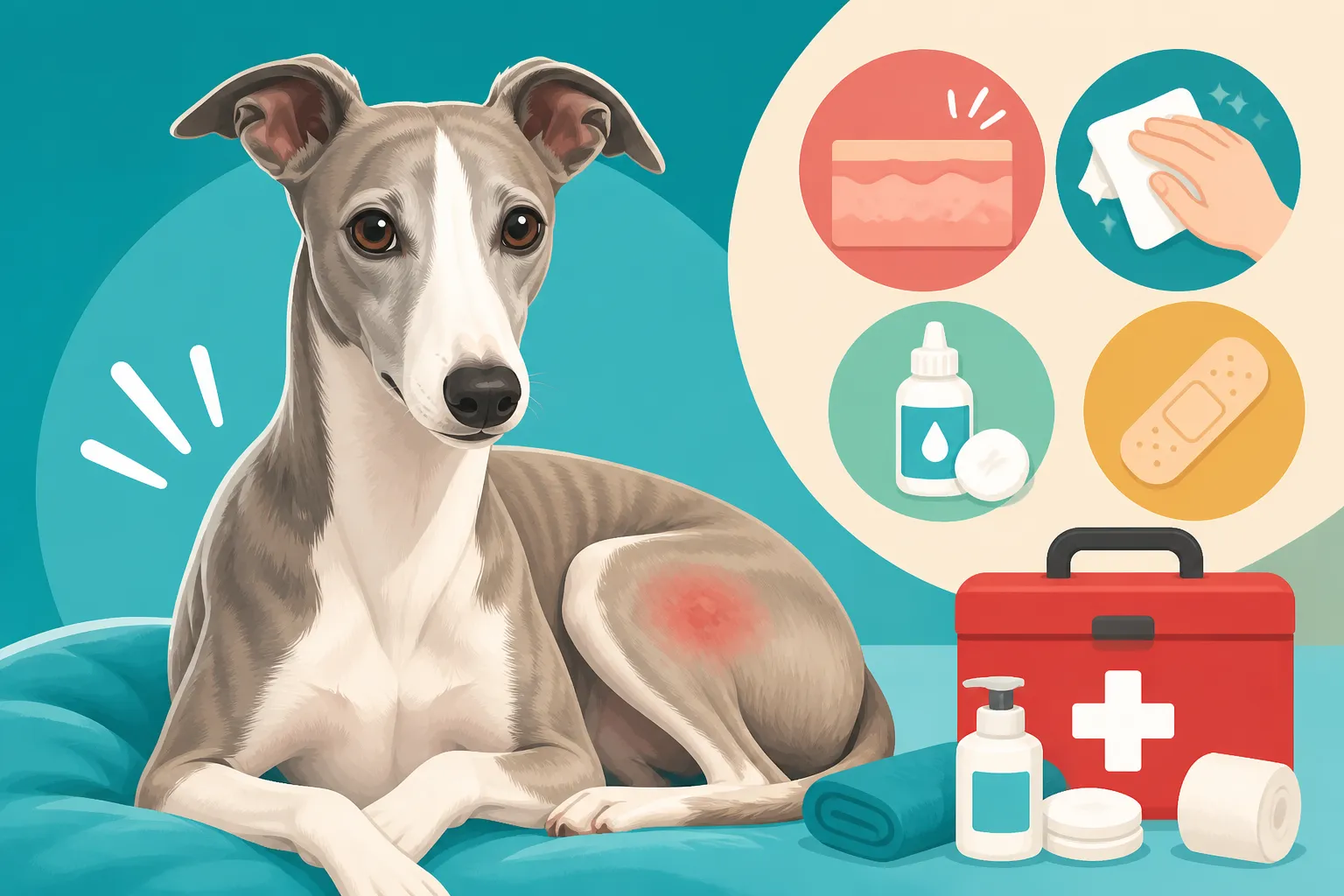
Every Whippet owner should have a well-stocked first aid kit specifically tailored to the unique needs of their delicate, zoomie-prone companion. This isn't just a suggestion; it's a necessity. You never know when a stray thorn or an enthusiastic collision will turn into a full-blown emergency. Having these items on hand can make all the difference in those first critical moments. For a more comprehensive look at this, check out What Belongs in a Whippet Owner's First Aid Kit.
Must-Have Wound Cleaning Supplies
The first and most critical step for any skin injury is proper cleaning. You'll want to have a few key items readily available. Sterile saline solution (like the kind used for contact lenses, but plain saline with no additives) is your best friend for flushing wounds gently without causing further irritation. Avoid harsh antiseptics like hydrogen peroxide or rubbing alcohol on open wounds, as these can actually damage healthy tissue and delay healing. You should also have a mild antiseptic solution specifically for pets, such as dilute povidone-iodine (Betadine, diluted to a weak tea color) or chlorhexidine solution (Hibiclens, diluted). These are excellent for disinfecting the surrounding skin.
Beyond liquids, you'll need sterile gauze pads or cotton balls for gentle cleaning and drying. Small, blunt-ended scissors are also essential for carefully trimming hair away from the wound area if needed – this helps with visibility and keeps hair from contaminating the wound. Remember, always be incredibly careful when using scissors near skin, as it's notoriously easy to accidentally nick a Whippet's thin skin. A pair of tweezers can be invaluable for removing small splinters, thorns, or debris, but only if they are easily accessible and not deeply embedded.
Having a clean, dedicated washcloth or soft towel on hand for patting the area dry can also be very useful. The goal here is to cleanse the wound of any foreign material and reduce the bacterial load without causing further trauma. I find that ordering a big bottle of veterinary saline solution or a good antiseptic wash from a retailer like Chewy ensures I always have plenty on hand, and it's formulated with pets in mind, taking out some of the guesswork.
Bandaging and Protective Gear
Once the wound is clean, protecting it is key. You'll need an assortment of non-stick sterile dressings (like Telfa pads) to place directly over the wound. These prevent the bandage from sticking to the injury, which can be painful and re-open the wound when removed. Over these, you'll apply a layer of gauze roll or cotton padding to absorb any discharge and provide some cushioning.
The outer layer is where it gets critical for a Whippet: vet wrap (also known as self-adhering bandage). This elastic, self-sticking material is fantastic because it stays in place without adhesive directly on the skin, which can irritate or pull their delicate fur. It also allows for some flexibility, which is important for their active limbs. Make sure you don't wrap it too tightly, as this can impede circulation. Always be able to slip two fingers under the finished bandage. Another indispensable item is an e-collar (Elizabethan collar or "cone of shame") or an inflatable collar. Whippets are notorious lickers and chewers, and preventing them from interfering with a wound is paramount to healing. You can find a good selection of comfortable, soft e-collars on Amazon that might be more tolerable than the rigid plastic ones from the vet.
For wounds on their fragile legs, you might also consider having some medical tape to secure gauze if vet wrap isn't enough, but again, be cautious with direct skin contact. Sometimes, for deep chest or flank wounds, a clean t-shirt or a specially designed dog bodysuit can offer a protective layer over a bandage, especially if the e-collar isn't fully preventing access. This layering approach ensures the wound stays clean, protected, and gives your Whippet the best chance at healing.
Pain Relief and Anti-Inflammatories Vet-Approved Only
This section comes with a huge, flashing warning sign: NEVER give your Whippet human pain medications without explicit veterinary instruction. Many common over-the-counter pain relievers for people, like ibuprofen (Advil, Motrin), naproxen (Aleve), or acetaminophen (Tylenol), are toxic to dogs and can cause severe, even fatal, side effects. This is a mistake many well-meaning owners make, and it can have devastating consequences for your sensitive sighthound.
However, having a vet-prescribed pain medication, such as an NSAID (non-steroidal anti-inflammatory drug) or a mild opioid, already on hand for emergencies can be a lifesaver. This is especially true if you live far from an emergency clinic or if you have a dog prone to injuries. Your vet might be willing to dispense a small supply with clear instructions for emergency use. These medications can help manage pain and reduce swelling, making your Whippet more comfortable during transport to the clinic and easing their distress from the injury.
The key is to discuss this proactively with your veterinarian before an emergency strikes. Ask them what safe, appropriate pain relief options they recommend for your Whippet and how to administer them in a crisis. This conversation should be part of your overall emergency preparedness plan. Don't rely on guessing in the moment; have a plan and approved medications ready. A knowledgeable vet understands that managing pain early can improve outcomes and reduce stress for both you and your injured Whippet.
Immediate Steps for Common Whippet Skin Wounds
When you discover a skin injury on your Whippet, it can feel like a sudden panic. The sight of blood, especially against their pale skin, can be genuinely alarming. But taking a deep breath and following a clear, step-by-step approach can help you manage the situation effectively and minimize further harm. This initial response is crucial, as it can significantly influence the healing process and the urgency of veterinary care.
Controlling Bleeding and Assessing the Damage
The very first thing you need to do is stop the bleeding. Apply direct pressure to the wound with a clean cloth, gauze pad, or even your hand if nothing else is immediately available. Hold the pressure firmly for several minutes – often 5-10 minutes without peeking. If the blood soaks through, add more layers of cloth on top; don't remove the original one, as this can disrupt clot formation. Elevating the injured limb, if possible, above heart level can also help reduce blood flow. Staying calm yourself is paramount, as your Whippet will pick up on your anxiety, making them more agitated and potentially increasing their heart rate, which can worsen bleeding.
Once the bleeding is controlled or significantly slowed, you can begin to assess the damage. Gently part the fur around the wound to get a clearer view. Look at the size, depth, and location of the injury. Is it a superficial scrape, or can you see layers of tissue, fat, or even muscle? Are the edges of the wound gaping widely? Are there any foreign objects, like splinters or glass, embedded in the wound? Note the color of the tissue and if there’s any unusual swelling. This assessment will help you determine the urgency of veterinary care. Small, clean cuts that don't gape widely might be manageable at home, but anything deep, wide, or with continuous bleeding absolutely warrants immediate veterinary attention.
Be mindful that Whippets can be incredibly stoic, so don't let a lack of whining or yelping fool you into thinking an injury isn't serious. Their pain threshold can sometimes be high, especially if they're in shock or focused on something else. A quiet, withdrawn demeanor can be a sign of significant pain in a Whippet.
Cleaning the Wound Safely and Effectively
After controlling the bleeding, the next vital step is to clean the wound. This helps prevent infection, which is a major concern with any open skin injury. If there’s hair around the wound, very carefully trim it away using blunt-ended scissors. This helps prevent hair from getting into the wound and allows for better visibility and airflow. If the wound is very small, you can skip this step. For a more detailed guide, see Cleaning and Dressing a Whippet's Cut.
Next, flush the wound generously with sterile saline solution. You can use a syringe (without a needle) or a squirt bottle to create a gentle stream of saline to dislodge any dirt, debris, or dried blood. The goal is to flush out, not in. Continue flushing until the wound appears clean. Remember, avoid using harsh chemicals like rubbing alcohol or hydrogen peroxide; they can be painful and damage delicate new cells. If you have a veterinary-approved antiseptic like dilute chlorhexidine or povidone-iodine, you can use this around the wound edges to sanitize the skin, but avoid pouring it directly into a deep or clean wound unless instructed by your vet.
After flushing, gently pat the area dry with clean gauze or a soft, clean cloth. Avoid scrubbing or rubbing, which can irritate the tissue or restart bleeding. Once cleaned, try to keep the wound as clean as possible until you can get veterinary advice or apply a dressing. This immediate cleaning action can dramatically reduce the risk of complications, especially infection, which can quickly become serious for a Whippet.
Temporary Bandaging and Transport to the Vet
Once the wound is cleaned and any major bleeding is under control, applying a temporary bandage is often the best course of action, especially if you're heading to the vet. This protects the wound from further contamination, reduces movement that might irritate it, and absorbs any further oozing or bleeding. Start by placing a non-stick sterile pad directly over the wound. These pads, like Telfa, won't adhere to the healing tissue, making removal less painful.
Next, wrap the area with a layer of sterile gauze roll, ensuring it's snug but not tight. You should be able to easily slip two fingers under the bandage. For a Whippet's slender legs, it's particularly important not to wrap too tightly, as their limbs are prone to swelling if circulation is restricted. Finally, secure the gauze with vet wrap, the self-adhering bandage material. This provides excellent hold without needing tape that could irritate their thin skin. Overlap the vet wrap by about half its width as you go, extending slightly above and below the inner gauze layer. If the injury is on a paw, make sure to cover the entire foot, but always leave the central two toenails visible so you can monitor for swelling or coldness, which would indicate a bandage that's too tight.
While bandaging, remember that this is a temporary measure. The main goal is stabilization and protection during transit. It's often better to apply a slightly looser bandage than one that's too tight. Once your Whippet is bandaged, transport them calmly to the veterinary clinic. If they're agitated or in pain, having a second person to reassure them while you drive can be helpful. A blanket or towel in the car can also help keep them comfortable and contain any minor seepage from the wound. You should also be prepared for a potential vet bill, as discussed in Emergency Stitches: the Whippet Bill Nobody Budgets For.
When to Call the Vet and When It's an Emergency
It's tempting to try and handle every little scrape at home, but with a Whippet, knowing when to call the vet is a critical skill. Their delicate nature means that injuries that might be minor for other breeds can quickly become complicated for them. Don't second-guess yourself if you have a nagging feeling; it's always better to err on the side of caution.
Deep Cuts, Wide Gaps, and Excessive Bleeding
Any cut that is deep enough to expose underlying muscle, fat, or bone is an immediate veterinary emergency. These aren't wounds you can simply clean and bandage at home; they require professional closure to heal properly and prevent serious infection. Similarly, if the edges of the wound gape open significantly (meaning you can see a visible space between the skin edges), it likely requires sutures or staples to bring the skin back together. Even if the bleeding has stopped, gaping wounds are at high risk for infection and will not heal well on their own, often leaving large, ugly scars.
Excessive or persistent bleeding is another clear sign to head to the vet immediately. If you've applied direct pressure for 10 minutes and the bleeding hasn't significantly slowed or stopped, there might be a larger vessel involved, or your Whippet could be experiencing a clotting issue. This is a critical situation that requires professional intervention to control blood loss. Signs of excessive blood loss can include pale gums, weakness, or rapid breathing, which indicate your Whippet is in shock and needs urgent care.
Don't wait to see if it "gets better." With deep, gaping, or heavily bleeding wounds, time is of the essence. The sooner these wounds are closed by a veterinarian, the lower the risk of infection and the better the cosmetic and functional outcome. The cost might be a concern, but the alternative of a severely infected or poorly healed wound is far worse. For specific scenarios about when a professional is needed, consider reading When a Whippet's Wound Needs a Vet.
Puncture Wounds and Contamination Concerns
Puncture wounds, especially those caused by animal bites, sticks, or rusty objects, are deceptively dangerous and almost always warrant a vet visit. The small entry hole on the surface can be misleading, as these wounds can be very deep, carrying bacteria and foreign material deep into the tissues where infection can easily brew. If a puncture wound closes over quickly, it creates an anaerobic environment perfect for bacterial growth, potentially leading to abscesses or systemic infections.
Bite wounds are particularly concerning because they often involve crushing injuries in addition to punctures, and the mouths of animals are full of bacteria. Even a seemingly minor nip can introduce dangerous pathogens deep beneath the skin. If your Whippet has been bitten by another animal, assume it needs veterinary attention, regardless of how small the puncture looks. Your vet will likely clean and flush the wound thoroughly and may prescribe antibiotics to prevent infection. They might also assess for any underlying muscle or nerve damage, which isn't always obvious from the surface.
If you suspect a foreign object, like a piece of stick or glass, might be embedded in the wound, it's also a clear signal for a vet visit. Attempting to remove it yourself could push it deeper, cause more damage, or worsen bleeding. A veterinarian has the tools and expertise to safely locate and remove foreign bodies, ensuring the wound is thoroughly cleaned and appropriately managed afterwards.
Signs of Infection or Worsening Condition
Even initially minor wounds can become serious if they get infected or if your Whippet's condition worsens. Keep a close eye on any healing wound for the following signs of infection:
- Redness and Swelling: Increased redness and swelling around the wound, especially if it's spreading beyond the immediate injury site.
- Heat: The skin around the wound feels warm to the touch.
- Pus or Discharge: Any thick, discolored (yellow, green, gray) or foul-smelling discharge from the wound. Clear, watery discharge is usually normal, but anything else is a red flag.
- Pain: Increased pain or tenderness when the wound area is touched, or your Whippet is showing signs of discomfort or lameness.
- Lethargy or Fever: Your Whippet seems unusually tired, has a decreased appetite, or feels warm to the touch, indicating a systemic infection.
If you observe any of these symptoms, contact your vet right away. Infection can quickly spread and lead to more severe health issues, including sepsis, if left untreated. Don't try to treat a suspected infection with home remedies; antibiotics or other specific veterinary treatments are often required. Even if you're managing a minor wound at home, a quick phone call to your vet to describe the symptoms can help them determine if a clinic visit is necessary. It's an important part of Treating a Whippet's Skin Tear effectively.
Preventing Future Skin Injuries: Proactive Care for Your Whippet
As much as we can react to emergencies, prevention is always the best medicine, especially for our delicate Whippets. Being proactive about their environment and routines can significantly reduce the likelihood of those dreaded skin tears and injuries. It takes a conscious effort, but it's well worth it for their safety and your peace of mind.
Safe Play Environments and Supervision
One of the most effective ways to prevent skin injuries is to ensure your Whippet plays in safe environments. This means opting for securely fenced yards that are free of sharp objects, loose debris, thorny bushes, or anything they could run into or scrape against at full speed. Regularly inspect your yard for hazards – look for broken fence boards, exposed nails, sharp edges on landscaping, or even particularly rough patches of ground that could cause an abrasion during a slide. Remember, they aren't looking where they're going during a zoomie.
When out on walks or at dog parks, always supervise your Whippet closely. Avoid areas with dense underbrush or sharp-edged foliage where they could easily snag their thin skin. Dog parks, while fun, can also present risks. Other dogs, especially those with rough play styles or sharp claws, can inadvertently cause scratches or bites. Additionally, the ground itself in public parks can often harbor hidden dangers like broken glass or discarded items. For more thoughts on appropriate outdoor gear, consider Whether a Whippet Should Wear a Coat in Cover.
Consider activities like lure coursing or Fast CAT in controlled environments, which allow them to run freely and express their natural instincts without as much risk of unexpected collisions or terrain hazards. At home, especially during indoor zoomies, ensure pathways are clear, sharp furniture corners are padded, and slick floors are covered with rugs to prevent slips and falls that could lead to injury. A little foresight goes a long way in keeping your speedy companion safe.
Protective Clothing for Outdoors
While Whippets certainly don't need a full wardrobe just for fashion, practical protective clothing can be a game-changer for outdoor safety, especially in certain environments or weather conditions. Their lack of insulating fat and thin skin means they are not only susceptible to cold but also physical injury from elements.
A well-fitting coat, especially one made of a durable yet flexible material, can act as a protective barrier against minor scrapes, thorns, and rough terrain. If your Whippet loves to explore trails or wooded areas, a sturdy coat can prevent those all-too-common flank or chest tears that happen from brushing against branches. During colder months, a thicker, waterproof coat serves a dual purpose of warmth and protection from ice, snow, and rough winter ground. Look for coats specifically designed for sighthounds, as their deep chests and narrow waists require a particular fit to avoid chafing or restriction.
Beyond full coats, specialized leg wraps or boots can also offer protection for their delicate lower legs and paws if they are prone to injury in those areas or if you're navigating particularly abrasive surfaces like sharp gravel or icy pavement. Boots can also prevent salt or chemical irritants from contacting their paw pads. While it might seem a bit over-the-top to dress your dog, for a Whippet, it's often a pragmatic choice that prevents painful injuries and costly vet visits. Brands like Hurtta or Ruffwear often have options that fit the Whippet physique reasonably well, and you can browse these on sites like Amazon.
Regular Skin Checks and Nail Care
Making regular skin checks a routine part of your Whippet's care is essential for early detection of any issues. Because their coat is so short, it's relatively easy to visually inspect and gently run your hands over their entire body. Look for any new bumps, scrapes, scabs, areas of redness, swelling, or changes in hair growth. Pay particular attention to common injury spots like their flanks, chest, legs, and ear tips. Catching a small scrape or irritation early, before it becomes infected or exacerbated by licking, can save a lot of trouble. This is an integral part of What a Whippet Needs Every Day.
Proper nail care is also incredibly important for preventing injuries, not just to their own paws but also to themselves and others. Overly long nails can snag and tear, causing painful avulsions (when the nail is ripped off). Long nails can also alter their gait, leading to orthopedic issues over time. Regularly trimming your Whippet's nails, ideally every 2-4 weeks, keeps them short and less prone to injury. If your Whippet is resistant to nail trims, work on positive reinforcement or consider having a groomer or vet tech do it.
Additionally, pay attention to the condition of their paw pads. Are they cracked, dry, or unusually soft? Healthy paw pads are tough but supple. Using a paw balm can help keep them moisturized and resilient, reducing the risk of cracking and subsequent infection. By being observant and consistent with these simple care routines, you become your Whippet's first line of defense against many common skin problems.
After the Vet Visit: Home Care and Healing Support
Bringing your Whippet home after a vet visit for a skin injury can feel a little daunting. You've got instructions, maybe some medication, and often a very unhappy dog in an e-collar. Your role in the post-vet care phase is absolutely critical to ensuring a smooth recovery and preventing complications. This is where patience, diligence, and a clear understanding of your vet's instructions truly come into play.
Managing Stitches, Staples, and Dressings
If your Whippet's wound required stitches or staples, your veterinarian will give you specific instructions on how to care for them. Generally, the key is to keep the wound clean and dry. This often means carefully protecting the area from dirt, moisture, and your Whippet's relentless licking. You may need to change dressings regularly, depending on the wound type and the amount of discharge. When changing a dressing, always wash your hands thoroughly first. Gently remove the old bandage, assess the wound (looking for any signs of infection or new issues), clean the area as instructed (often with sterile saline), apply any prescribed topical treatments, and then re-bandage with fresh materials.
The goal is to maintain a sterile or at least very clean environment around the incision. If the dressing gets wet, soiled, or starts to slip, it's crucial to change it immediately to prevent bacteria from entering the wound. Your vet will also advise you on when the stitches or staples need to be removed – typically 10-14 days after placement. Mark this date on your calendar and don't miss it, as leaving them in too long can cause irritation and scarring. Remember, proper care of the wound site is vital for How Slowly a Whippet's Skin Heals.
Sometimes, particularly with Whippets due to their thin skin, the vet might recommend not re-bandaging at all after the initial closure, especially if the wound is on the trunk and there's minimal risk of dirt or licking. In these cases, diligent use of an e-collar and keeping the area visibly clean is paramount. Always follow your vet's precise instructions for your Whippet's specific injury.
Preventing Licking and Chewing
This is often the biggest challenge for Whippet owners. Dogs instinctively want to lick their wounds, but this can actually do more harm than good. Licking introduces bacteria from the mouth into the wound, irritates the healing tissue, and can pull out stitches or staples, reopening the wound and leading to infection or a need for further veterinary intervention. For information on how to manage this, refer to Stopping a Whippet Chewing Its Stitches.
The most effective tool for preventing licking and chewing is an Elizabethan collar (e-collar), often affectionately called the "cone of shame." While most dogs, including Whippets, absolutely detest them, they are a non-negotiable part of wound care for many injuries. There are various types available, from the traditional rigid plastic cones to softer, inflatable, or fabric versions that might be more comfortable for your Whippet. Whichever type you choose, ensure it's properly fitted so your Whippet cannot reach the wound, but it's not so tight that it restricts their breathing or ability to eat and drink.
If an e-collar isn't sufficient or if your Whippet is particularly clever at bypassing it, other options include medical pet suits (dog bodysuits) that cover the wound, or even specific bitter-tasting sprays that can deter licking (though these should be used with caution and vet approval, as some dogs will lick through them anyway). Consistent supervision is also key; never leave your Whippet unattended with an unprotected wound if you suspect they might start licking. It's an inconvenience, but it's a temporary one for the sake of their recovery.
Supporting Healing with Nutrition and Rest
Beyond direct wound care, providing a supportive environment for your Whippet's overall health can significantly aid in healing. Good nutrition is fundamental. Healing requires energy and building blocks for new tissue, so ensure your Whippet is eating a high-quality, balanced diet. If their appetite is poor due to pain or discomfort, talk to your vet about appetite stimulants or highly palatable food options. Some owners find that adding a quality protein source or a fresh food option, like those from Ollie, can entice a picky eater and provide excellent nutrients for recovery.
Rest is equally vital. Your vet will likely advise restricting your Whippet's activity level to prevent stretching the wound, pulling stitches, or reinjuring the area. This means no zoomies, no jumping on furniture, and often only short, leashed potty breaks. This can be incredibly challenging for an active Whippet, but it's non-negotiable for proper healing. Crate rest might be necessary for more severe injuries, or simply keeping them on a leash indoors even when you're present to limit their movements. Provide plenty of soft, comfortable bedding to encourage rest and prevent pressure sores, which can easily develop on their bony prominences during prolonged periods of immobility.
Ensure your Whippet has easy access to fresh water to stay hydrated. Keep their environment calm and quiet to reduce stress. A less stressed dog is often a dog that heals more efficiently. Sometimes, your vet might recommend specific supplements, like omega fatty acids or certain vitamins, to support skin health and healing, but always consult them before adding anything to your Whippet's diet.
Dealing with Bites, Stings, and Other Irritations
Whippets, by nature, are often curious and can find themselves in situations that lead to more than just cuts and scrapes. Encounters with insects, hot surfaces, or irritants can cause a range of skin issues that also fall under the umbrella of first aid. Knowing how to handle these specific situations can make your Whippet much more comfortable.
Insect Bites and Allergic Reactions
Just like us, Whippets can react to insect bites and stings. Bee stings, wasp stings, and spider bites can cause localized swelling, redness, pain, and itching. For most Whippets, a single sting will result in a painful but localized reaction. You might see swelling around the face, paws, or wherever they were stung. If you can, carefully remove the stinger (bees leave theirs behind, wasps do not) by scraping it out with a credit card or your fingernail – avoid using tweezers to squeeze it, as this can inject more venom. Apply a cold compress to the area to reduce swelling and pain.
However, some Whippets can experience a more severe allergic reaction, which constitutes an emergency. Signs of a more serious reaction include rapid and widespread swelling (especially of the face, muzzle, or throat), difficulty breathing, excessive drooling, vomiting, diarrhea, weakness, or collapse. If you notice any of these systemic signs, head to the emergency vet immediately. They may need antihistamines, steroids, or even epinephrine to counteract the reaction. For mild reactions, your vet might advise giving a specific antihistamine (like diphenhydramine) at a precise dose, but always confirm this with your vet first.
Beyond stings, flea and tick bites can also cause significant irritation, especially for Whippets with sensitive skin. Consistent use of veterinarian-approved flea and tick prevention is crucial. Regular checks after outdoor excursions can help you find and remove ticks promptly, reducing the risk of disease transmission and localized irritation.
Minor Burns and Chafing
While not as common as cuts, Whippets can sustain minor burns. This could happen from walking on hot asphalt in summer, accidental contact with a hot stove, or even prolonged exposure to a heating pad. For a minor burn (first-degree, like a sunburn, or a small, superficial second-degree burn with redness and perhaps small blisters), the first step is to cool the area immediately with cool (not ice-cold) water for about 10-15 minutes. This helps stop the burning process and reduce pain. Do not apply butter, ice, or any greasy ointments. After cooling, gently blot the area dry and cover it with a non-stick sterile dressing to prevent infection. Any burn that is deep, large, blistering severely, or causes significant pain requires immediate veterinary attention. Their thin skin makes them very susceptible to deeper damage from heat.
Chafing is another common irritation, often caused by friction from ill-fitting collars, harnesses, or even restrictive clothing. Whippets have delicate skin, and continuous rubbing in areas like the armpits, chest, or groin can lead to raw, irritated patches. This is particularly prevalent in very active Whippets or those wearing new gear. Symptoms include redness, hair loss in the affected area, tenderness, and sometimes even broken skin.
To address chafing, remove the offending item and allow the skin to air out. Clean the area gently with mild soap and water, then pat dry. A soothing, protective balm (pet-safe, of course) can help alleviate discomfort and promote healing. Prevention is key: ensure all collars and harnesses fit properly, with no tight spots or rough edges. Periodically check these areas on your Whippet, especially after long walks or active play, to catch any signs of irritation early.
Paw Pad Injuries and Foreign Objects
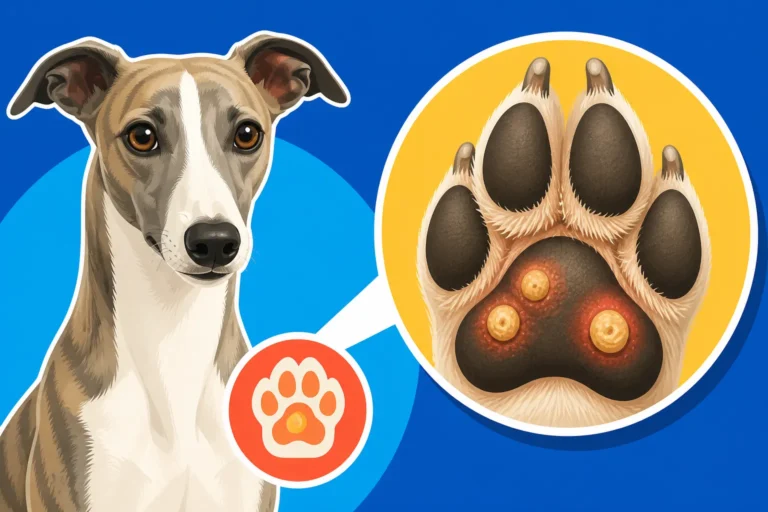
Whippet paw pads, while designed for speed, can still be vulnerable to injuries from rough terrain, sharp objects, or extreme temperatures. Common paw pad injuries include cuts, abrasions, punctures, and burns. A cut pad, often caused by glass or sharp stones, can bleed profusely and be very painful, making your Whippet reluctant to bear weight. Abrasions can occur from running on rough concrete, wearing down the pad.
For any paw pad injury, clean the area thoroughly with sterile saline solution to remove dirt and debris. If there's a visible foreign object, like a thorn or a small piece of glass, and it's easily accessible, you can try to remove it with tweezers. However, if it's deeply embedded, don't force it; this is a job for the vet. After cleaning, apply a clean, non-stick dressing and secure it with vet wrap, ensuring it's snug but not too tight. Change the bandage daily, keeping the wound clean and dry until it heals or you can get veterinary attention. It’s critical to remember that Whether a Whippet's Cut Always Needs Stitches also applies to paw pads.
It's also important to check between their toes for any trapped debris, burrs, or small cuts. These areas can be overlooked but can cause significant irritation if something is lodged there. Regularly inspecting their paws, especially after outdoor activities, can help prevent these painful issues. Keeping their nails trimmed to the proper length also prevents them from splaying and potentially snagging objects between their toes.
Disclaimer
This article is for general informational purposes only and does not constitute professional advice. Laws, prices and regulations vary by location and change over time. Consult a qualified professional for guidance on your specific situation.