Whether an Undersocialized Whippet Recovers
It's absolutely heartbreaking to see a Whippet that is fearful, withdrawn, or reactive because they didn't get the right start in life. When you bring home a dog that has been undersocialized, whether they're a puppy or an adult, you might feel overwhelmed and wonder if they'll ever truly feel comfortable in the world. This guide will walk you through the realities of undersocialization in Whippets and offer practical, empathetic strategies to help your sensitive companion build confidence and find peace.
Understanding Undersocialization in Whippets
Undersocialization isn't just a missed opportunity; it's a significant deficit in a dog's early learning that can profoundly impact their behavior and well-being throughout their entire life. For a breed as inherently sensitive and sight-driven as the Whippet, this lack of crucial exposure can manifest in particularly challenging ways. It's not about being "naughty"; it's about a dog whose brain hasn't learned how to process the world around them in a healthy way.
What Undersocialization Looks Like
An undersocialized Whippet often presents with a range of behaviors stemming from fear and anxiety. They might cower, tremble, or try to hide when confronted with new people, sounds, or environments. Imagine taking your Whippet on a walk, and every unexpected car horn or person jogging by sends them into a panic, causing them to pull frantically on the leash or even try to bolt. This isn't just general shyness; it's an ingrained fear response.
You might see them freeze, becoming completely immobile and unresponsive when overwhelmed, as if hoping to disappear. Other times, the fear can manifest as reactivity – barking, lunging, or growling at things they perceive as threats, like strangers approaching or other dogs. This isn't aggression for aggression's sake; it's often a desperate attempt to create distance and make the scary thing go away. They haven't learned the nuanced social cues that most dogs pick up naturally. For a detailed look at their natural inclination, you might find Why a Whippet Is Shy With Strangers sheds some light on their typical temperament. An undersocialized Whippet takes this natural reserve to an extreme, often unable to differentiate between a truly safe situation and a perceived danger.
The Critical Socialization Window for Puppies
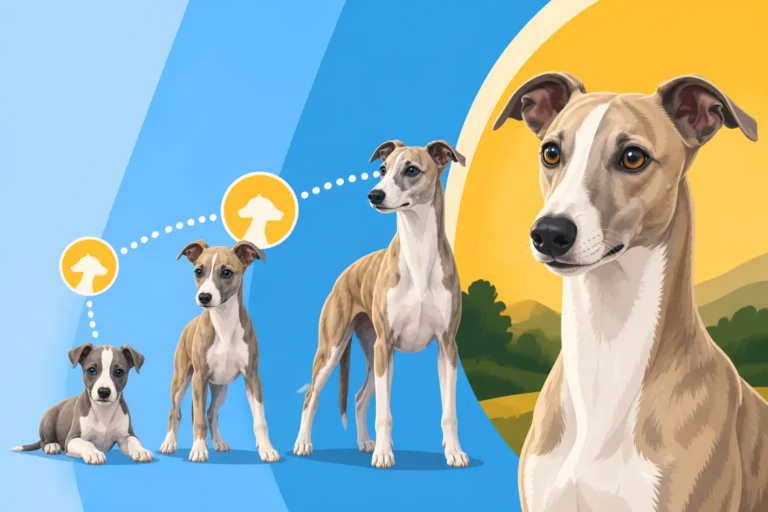
Every puppy goes through a critical socialization window, typically between 3 and 16 weeks of age. During this precious time, their brains are like sponges, soaking up every new experience, sound, sight, and interaction as normal and safe. They learn how to interact with littermates, how to respond to gentle handling, and how to navigate novel environments. For Whippet puppies, this period is especially vital because of their inherent sensitivity.
If a Whippet puppy misses out on this crucial window – if they're kept isolated, not exposed to a variety of friendly people, other dogs, and different sights and sounds – their development can be severely stunted. Their brain doesn't develop the neural pathways to cope with novelty. Instead of seeing new things as potentially exciting, they see them as inherently threatening. This missed period isn't something you can perfectly replicate later in life, and the impact can be profound. It means they'll likely struggle with fear and anxiety for years to come, long after they're physically mature. Understanding Socializing a Whippet Puppy can give you a clearer picture of what ideal early development looks like.
Common Causes of Undersocialization
It’s easy to feel guilty or frustrated when dealing with an undersocialized Whippet, but it’s important to remember that it's rarely the dog owner's fault, especially if you've adopted an adult. Undersocialization usually stems from circumstances beyond immediate control. One common cause is simple lack of exposure – a puppy raised in an isolated environment, perhaps a rural setting without many visitors, or a breeder who kept puppies primarily in kennels. These puppies simply don't encounter enough of the world to learn it's generally safe.
Another significant factor can be traumatic experiences during that critical window or even later. A fearful encounter with a loud child, an aggressive dog, or even harsh handling can imprint deeply on a sensitive Whippet. Puppy mills or backyard breeders who prioritize profit over proper care often produce undersocialized dogs because the puppies are denied the necessary environmental enrichment and gentle human interaction. Similarly, dogs who spend their early lives in shelters, even well-meaning ones, might miss out on consistent positive exposure if staffing is limited. These dogs often enter new homes with a deeply ingrained sense of apprehension, rather than confidence.
The Path to Recovery: Is It Possible?
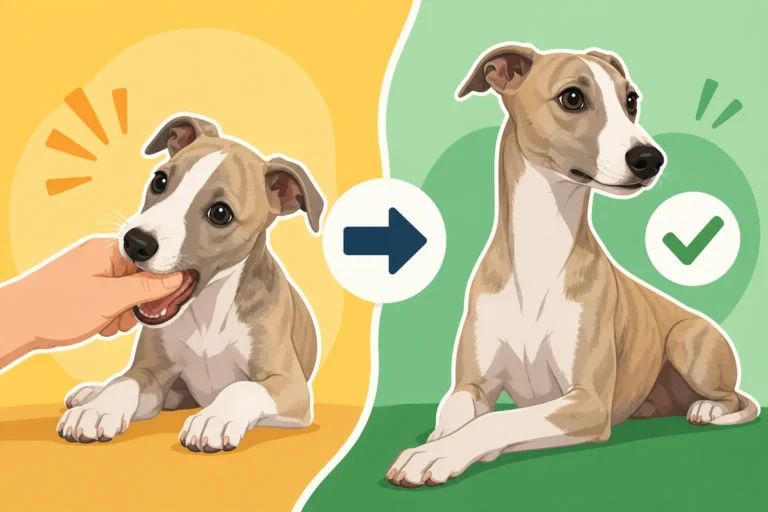
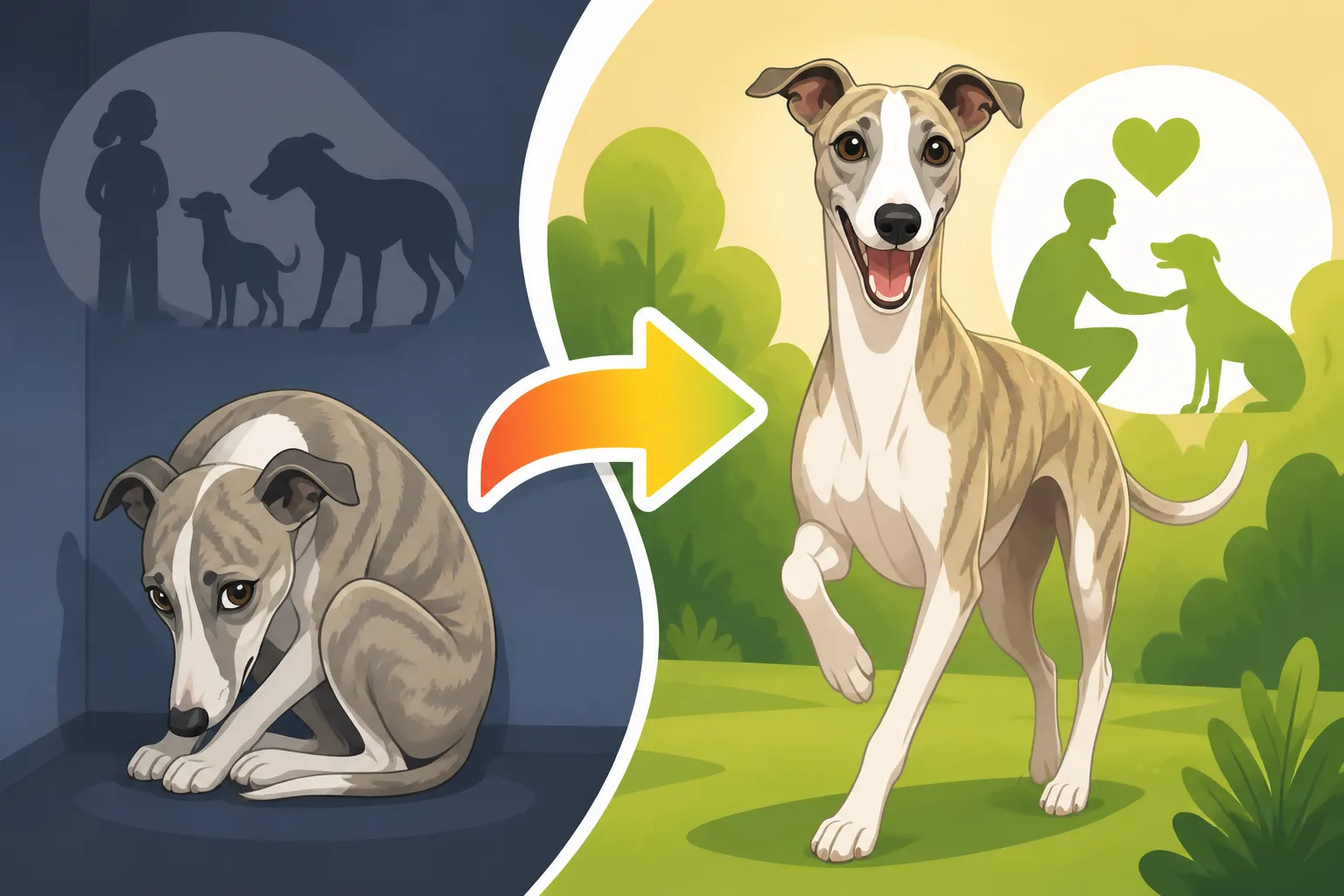
This is the big question everyone asks: Can an undersocialized Whippet truly recover? The answer is a hopeful, yet realistic, "yes," but it's crucial to understand what "recovery" truly means in this context. It's not about erasing their past entirely or transforming them into a perfectly bomb-proof, outgoing social butterfly overnight. It's about empowering them to cope, to feel safe, and to build a life of reduced stress and increased joy. It’s a marathon, not a sprint, filled with small, meaningful victories.
Realistic Expectations for Recovery
When you embark on the journey of helping an undersocialized Whippet, you need to set realistic expectations. Think of it less as a "cure" and more as ongoing management and significant improvement. For many undersocialized Whippets, a degree of wariness or sensitivity might always remain. They might never be the life of the dog park or effortlessly greet every stranger with a wagging tail. And that's perfectly okay. The goal is not to force them into a mold they don't fit, but to help them feel secure and happy in their world.
Success looks like a Whippet who can enjoy walks without constant panic, who can relax at home even when guests arrive, or who can calmly pass another dog on the street. It's about reducing their stress levels and increasing their confidence, allowing them to participate more fully in life without being perpetually overwhelmed by fear. This journey demands immense patience, unwavering consistency, and an endless well of empathy from you. You'll celebrate the small victories – a tail wag at a new person, sniffing a novel object without retreating, or simply lying calmly in a new room. Remember, a Whippet's sensitive nature means that even a perceived negative experience can have lasting effects; consider How Long a Whippet Holds a Grudge to understand their memory and emotional processing.
The Role of Positive Reinforcement and Counter-Conditioning
For a sensitive breed like the Whippet, positive reinforcement and counter-conditioning aren't just effective; they're absolutely essential. Harsh handling, scolding, or punishment will only exacerbate their fear and erode any trust you're trying to build. Why Harsh Handling Ruins a Whippet is a must-read for any owner dealing with a fearful dog, emphasizing how detrimental punitive methods can be. Whippets are incredibly tuned into their handler's emotions and body language, and negative interactions can easily shut them down or make them even more reactive.
Instead, the focus should always be on creating positive associations. Counter-conditioning means changing your Whippet's emotional response to something they fear from negative to positive. If your Whippet is terrified of children, for example, you might have them observe a calm child from a safe distance while you continuously feed them their absolute favorite high-value treats. The child isn't asking for attention, just existing, and your Whippet is associating the child's presence with deliciousness. Over time, that scary thing starts to predict something good.
Positive reinforcement simply means rewarding behaviors you want to see repeated. When your Whippet chooses to look at a stranger instead of barking, reward them. When they calmly walk past another dog, reward them. Use high-value treats, praise, and gentle fuss – whatever your Whippet loves most. Knowing What a Whippet Will Work For will be key here; for many, it's tasty food, but for others, it might be a favorite squeaky toy or a quick game of tug. The goal is to make every interaction with their fearsome triggers as positive and rewarding as possible.
Seeking Professional Help
While your love and dedication are paramount, there comes a point where professional guidance is invaluable, and often necessary, for an undersocialized Whippet. If you're seeing persistent fear, aggression, severe anxiety, or if you feel completely overwhelmed and unsure how to proceed, it's time to bring in the experts. Look for a certified professional dog trainer (CPDT) or, for more severe cases, a veterinary behaviorist (DACVB). The distinction is important: a veterinary behaviorist is a veterinarian with specialized training in animal behavior and can prescribe medication if anxiety levels are too high for training alone to be effective.
When choosing a professional, look for someone who uses force-free, positive reinforcement methods exclusively. Crucially, seek out someone who has experience with sighthounds or has a deep understanding of their unique temperament and sensitivities. Not all trainers understand the nuances of a Whippet's sometimes stoic, yet incredibly fragile, nature. Don't be afraid to ask about their methods, their success stories, and their approach to fear-based behaviors. Many excellent trainers offer virtual consultations, making expertise accessible regardless of your location. Services like BAXTER & Bella, for example, offer online training programs and resources that can guide you through various behavioral challenges with expert advice, providing a structured approach from the comfort of your home. This can be an excellent starting point for learning techniques and understanding your Whippet's needs before or in conjunction with in-person sessions.
Practical Strategies for Rebuilding Confidence
Helping an undersocialized Whippet recover isn't about grand gestures; it's about a consistent, thoughtful, and methodical approach to their daily life. Every interaction, every environment, and every training session contributes to their sense of security and their ability to cope. It's about building a foundation of trust and safety, brick by painstaking brick.
Creating a Safe and Predictable Environment
For an undersocialized Whippet, predictability is comfort, and novelty is often terrifying. Your home needs to be their sanctuary, a place where they can truly relax and feel safe from overwhelming stimuli. Establish a consistent daily routine: regular meal times, walks, and quiet periods. This helps them anticipate what's coming and reduces anxiety caused by uncertainty.
Designate a "safe space" or "den" within your home – a quiet corner, a crate covered with a blanket, or a specific room where they can retreat when feeling stressed or overwhelmed. This isn't a place for punishment, but a safe haven. Ensure they have plenty of soft, comfortable bedding throughout the house, as Whippets appreciate warmth and cushioning. If your Whippet is prone to anxiety, consider calming diffusers or soft, classical music to create a soothing atmosphere. Minimize sudden loud noises or chaotic activity. Whether a Whippet Suits a Quiet Home really drives home why a calm environment is so beneficial for this breed. If you have a busy household, managing these stimuli will be crucial for your Whippet's progress.
Gradual Exposure and Desensitization
This is the cornerstone of helping a fearful dog. You cannot simply throw an undersocialized Whippet into a bustling environment and expect them to cope; that will only reinforce their fears. Instead, you must introduce new experiences in a slow, controlled, and positive manner, always staying below their "fear threshold." This means starting at a distance or intensity where your Whippet is aware of the trigger but not yet reacting negatively.
- Start Small and Controlled: If your Whippet fears people, begin by having a calm, dog-savvy friend sit quietly across the room, completely ignoring your dog, while you reward your Whippet for simply existing in the same space. Gradually, and over many sessions, the friend might move a little closer, or offer a treat gently.
- Location, Location, Location: Begin exposure in quiet, familiar environments before moving to slightly busier ones. A deserted park at dawn is better than a bustling one at noon.
- Long Line Freedom (Safely!): If your Whippet is fearful of open spaces or feels trapped on a short leash, a long line (a 20-30 foot lightweight lead) can be a game-changer in a secure, private area. It allows them to explore and gain confidence at a distance from you, giving them a sense of freedom without the risk of bolting. Always use a well-fitting harness with a long line, never just a collar. For more on where they can stretch their legs, see Where a Whippet Can Safely Run Off Leash.
- Observe and Adjust: Watch your Whippet's body language constantly. Are their ears back? Tail tucked? Yawning excessively? Lip licking? These are all signs of stress. If you see them, you've gone too far, too fast. Retreat to a comfortable distance and try again later.
Managing Interactions with Strangers and Other Dogs
This is often one of the trickiest areas for an undersocialized Whippet. You'll need to become their fiercest advocate and manage their environment proactively to prevent overwhelming situations.
- Controlled Introductions: When introducing your Whippet to a new person, ensure the person understands the need for patience. Have them ignore your Whippet initially, avoid direct eye contact, and let your Whippet approach on their own terms. Treats can be tossed away from your Whippet, allowing them to approach and eat without pressure.
- Avoiding Overwhelm: Dog parks are almost always a terrible idea for undersocialized Whippets. The unpredictable nature of multiple dogs and unfamiliar handlers can be terrifying and counterproductive. Instead, arrange controlled, one-on-one "play dates" with a calm, well-socialized dog you trust, in a neutral, quiet environment. Whether a Dog Park Is Safe for a Whippet explains why these environments are often detrimental.
- Advocacy on Walks: Don't be afraid to politely tell people, "Please give us space, my dog is learning," or "He's not friendly right now" (even if he's just scared). You are your Whippet's protector.
- Gear Matters: For safety and control, a well-fitting Martingale collar or a properly fitted harness is crucial. Whippets have narrow heads, and a standard flat collar can easily slip off when they panic and pull. Whether a Whippet Needs a Martingale highlights the importance of this specialized collar for sighthounds. You can find excellent options for Martingale collars and comfortable harnesses on platforms like Amazon, ensuring you have the right gear to keep your Whippet secure during walks and training. Also, remember that a sensitive Whippet may react negatively to any pressure on their throat, reinforcing the need for proper equipment.
| Socialization Level (Puppyhood) | Adult Behavior Range | Realistic Recovery Outcome (with dedicated work) |
|---|---|---|
| Excellent | Confident, friendly, adaptable | Remains confident, handles new situations with ease |
| Good | Generally confident, occasional shyness in new situations | Confident, might need brief reassurance in very novel settings |
| Moderate | Reserved, shy, some fear in specific contexts (e.g., loud noises) | Manageable shyness, able to cope with most daily life, avoids overwhelming crowds |
| Poor (Undersocialized) | Fearful, reactive, withdrawn, panic attacks, aggression | Significant reduction in fear/reactivity, able to live a calm life with careful management and limited exposure to triggers |
| Severe Isolation | Extreme phobias, shutdown, severe aggression, completely unadaptable | May achieve ability to function in a very controlled, quiet home; often requires ongoing medication and specialized care |
Long-Term Commitment and Living with a Recovering Whippet
The journey with an undersocialized Whippet is truly a testament to the enduring power of patience and love. It's a lifelong commitment, but one that offers profound rewards. You're not just training a dog; you're healing a spirit and building a bond deeper than you might have imagined.
Continuous Support and Training
The work doesn't stop once your Whippet shows improvement. Socialization and confidence-building are ongoing processes. Think of it like maintaining a garden – you can't just plant the seeds and walk away. You'll need to continue nurturing their growth, reinforcing positive behaviors, and gently managing their environment. Life will inevitably throw new challenges their way – a new neighbor with a noisy truck, an unexpected visitor, or a change in your routine. Your ability to calmly support your Whippet through these moments, using the same positive reinforcement and management techniques, will be crucial.
Regular, short training sessions, focused on building confidence and reinforcing basic obedience cues, can be incredibly beneficial. Keep them fun and low-pressure. Remember that How Quickly a Whippet Learns can surprise you, but consistency is key. Even if your Whippet makes great strides, a lapse in management or an overwhelming experience can cause setbacks. Don't get discouraged; simply go back to basics and rebuild.
Celebrating Small Victories
This is perhaps the most important aspect of living with a recovering Whippet. You have to learn to redefine "success." It might not be winning an obedience title or becoming the most popular dog at the park. Success might be your Whippet choosing to lay in the same room as a new guest, rather than hiding under the bed. It might be sniffing a novel object without retreating, or calmly walking past another dog at a distance.
Each tiny step forward is a monumental achievement for a dog that started from a place of fear. Take note of these moments, celebrate them with praise and high-value treats, and let them fuel your determination. This journey can be emotionally taxing, and acknowledging every bit of progress, no matter how small, helps both you and your Whippet stay motivated. Focus on their quality of life, their comfort, and their joy, rather than chasing an idealized version of what you think they "should" be.
The Deep Bond You Can Form
Helping an undersocialized Whippet navigate their fears and build confidence creates an incredibly powerful and unique bond. There's a profound trust that forms when you are the one who consistently provides safety, understanding, and positive experiences in a world that once felt terrifying to them. Your Whippet learns to lean on you, to look to you for reassurance, and to understand that you are their advocate and protector.
They might not be the most outgoing dog, but their loyalty and affection for you will be immense. You become their anchor, their safe harbor, and the person who taught them that the world isn't entirely scary. This journey teaches you patience, empathy, and a deeper understanding of canine communication. The quiet moments of connection, the gentle nudge of their head, the relaxed sigh as they curl up beside you – these are the immeasurable rewards that make every effort worthwhile. The unique sensitivities of a Whippet, such as their reactions to sound and touch, often lead to a deeper understanding between owner and dog. Reflecting on topics like How a Whippet Reacts to a Raised Voice can further illustrate the nuanced relationship you'll build through gentle care.
Disclaimer
This article is for general informational purposes only and does not constitute professional advice. Laws, prices and regulations vary by location and change over time. Consult a qualified professional for guidance on your specific situation.