Whether a Dog Park Is Safe for a Whippet
Many Whippet owners dream of a place where their sleek, speedy companions can truly stretch their legs and socialize freely with other dogs. The local dog park often seems like the ideal solution, a canine wonderland of unbridled joy. However, the reality for a Whippet in a typical dog park can be a far cry from this idyllic vision, often fraught with significant risks that range from minor scrapes to serious injuries, and even profound emotional distress. This guide will delve into the unique vulnerabilities of a Whippet in a dog park setting, helping you understand why caution is paramount and offering safer, more suitable alternatives for their exercise and social needs.
The Whippet's Unique Physique and the Danger Zone of a Dog Park
Whippets are magnificent athletes, built for speed and grace. But these very attributes, coupled with their delicate physiology, can turn a seemingly innocent dog park romp into a perilous situation. It's not about being a 'fragile' dog in a negative sense, but about understanding their specific needs and how they interact with a world often designed for more robust breeds.
Thin Skin and Minimal Padding: A Recipe for Injury
One of the most defining characteristics of a Whippet is their incredibly thin skin and minimal body fat. While this contributes to their aerodynamic form, it leaves them alarmingly vulnerable to physical trauma. Imagine a swift, light vehicle with a paper-thin exterior – that's somewhat like a Whippet in a dog park filled with boisterous, heavy-boned breeds.
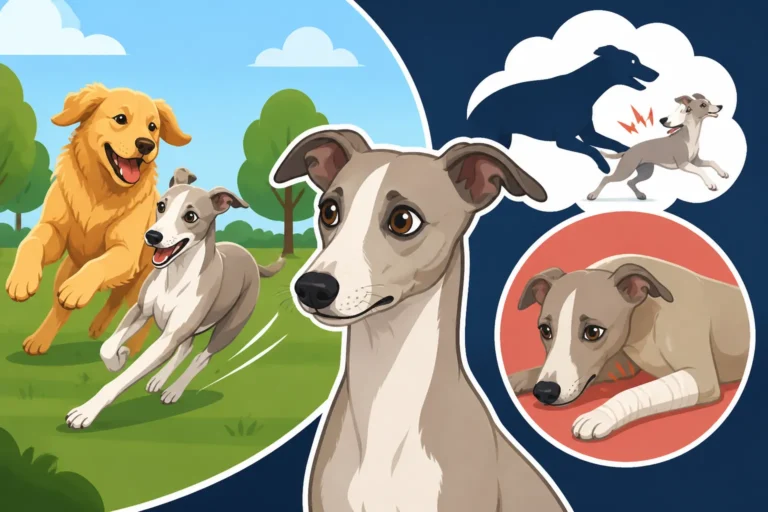
When a Whippet gets into a playful tussle or a clumsy collision with a bigger, heavier dog, their skin simply isn't equipped to handle the impact. A playful nip from a Labrador, a rough paw swipe from a Boxer, or even an accidental bump from a running German Shepherd can easily result in a skin tear, deep laceration, or painful bruising. We're not talking about minor scratches here; these can often be deep, gash-like wounds that require immediate veterinary attention, including stitches. It's heartbreaking to see your elegant dog come home with an injury from what was supposed to be a fun outing. This sensitivity is a constant concern; even running through dense brush can cause problems. The Thin Skin That Sends a Whippet to the Vet for Stitches highlights just how common this issue can be for the breed.
Furthermore, their lean physique means they lack the thick cushioning of fat and muscle that many other breeds possess. This absence of natural padding offers little protection for their bones and internal organs during impacts. A hard fall, a collision with a fence, or being accidentally bowled over by a larger dog can lead to more severe injuries than it would for a dog with a more substantial build.
High Speed, Low Control: Whippets and Collisions
Whippets are built for explosive acceleration and incredible top speeds. They are, quite simply, little rockets. While their speed is breathtaking to watch, it can also be a significant hazard in an uncontrolled environment like a dog park. How Fast a Whippet Actually Runs gives you an idea of their capabilities.
The problem isn't their speed itself, but rather their maneuverability, or lack thereof, when running at full tilt with other dogs around. A Whippet might be able to outrun nearly any other dog, but they aren't always the most agile when trying to navigate a chaotic pack. They can become so focused on the chase, or the object of their pursuit, that they don't see another dog, a tree, or even a fence post until it's too late. This can lead to high-speed collisions with devastating consequences.
A heavier dog might simply bounce off a tree, but a Whippet, with its finely tuned skeletal structure, could suffer a fractured bone or a serious soft tissue injury. The sudden stops and turns required in typical dog park play, especially when interacting with dogs who don't run in the same linear fashion, put immense strain on a Whippet's joints and muscles. They are sprinters, not necessarily agile dodgeball players in a crowded arena.
Size Mismatches and Play Styles
Dog parks are often melting pots of breeds and sizes, and while this diversity can be wonderful, it presents a particular challenge for Whippets. A 25-pound Whippet, no matter how athletic, is simply no match for a 70-pound Rottweiler or an exuberant German Shorthaired Pointer playing at full force.
Many larger breeds have a more robust, sometimes rough-and-tumble play style. They use their bodies to block, their mouths to tug, and their paws to bat, all in good fun, of course. For a Whippet, this can be terrifying at best, and dangerous at worst. They can be easily knocked over, trodden on, or overwhelmed by dogs who simply don't understand how delicate a Whippet's frame can be. A happy "bow" from a St. Bernard could send a Whippet tumbling.
Even if a larger dog is genuinely friendly, their sheer mass and strength can lead to accidental injuries. A playful pounce that might be fine for another robust medium-sized dog could result in a serious impact injury for a Whippet. This isn't about blaming other breeds or their owners; it's about recognizing the inherent physical disparity and the risks it creates. Whether a Whippet Gets Hurt Playing With Bigger Dogs explores this particular vulnerability in detail.
Temperament and Play Style: Not All Dogs Speak the Same Language
Beyond the physical risks, a Whippet's inherent temperament and specific play style often clash with the typical dog park environment, leading to potential emotional distress or dangerous misunderstandings.
Prey Drive and the Chase Instinct
Whippets are sighthounds, bred for centuries to spot, chase, and catch small, fast-moving prey. This deeply ingrained prey drive is a fundamental part of who they are, and it doesn't disappear just because they're in a dog park. When other dogs start to run, especially in a group, it can activate this powerful instinct.
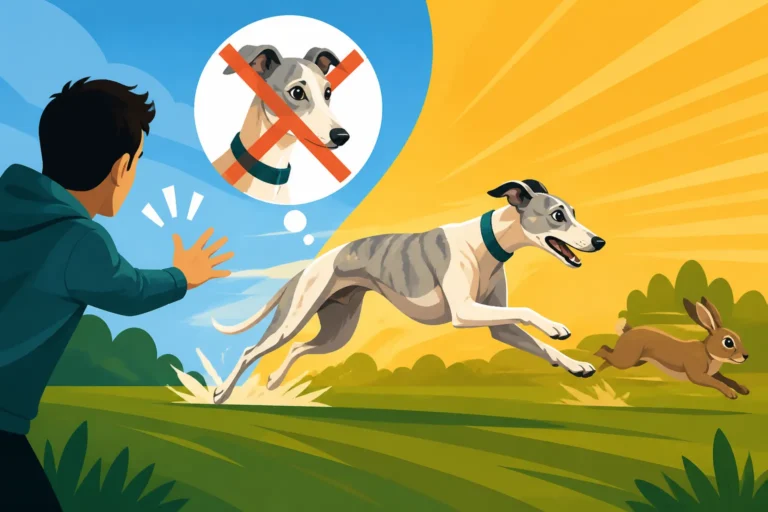
While your Whippet might be perfectly friendly, their instinctual response to a running dog can sometimes be perceived as predatory by other dogs or mistaken for aggression by their owners. More dangerously, your Whippet might become so focused on the chase that they lose all awareness of their surroundings or your commands. Why a Whippet's Chase Instinct Overrides Its Recall is a common frustration for many owners. If your Whippet is tearing across the park after another dog, they're not just at risk of collision; they could also be seen as a threat, potentially escalating into an unpleasant or even dangerous interaction.
Conversely, a Whippet's speed can make them the target. Other dogs, especially those with high prey drive themselves, might see a fast-moving Whippet as something to chase or even "hunt." This can quickly turn from playful pursuit into a frightening experience for your Whippet, leaving them vulnerable to nips, takedowns, or being overwhelmed by a pack of larger dogs.
Sensitivity to Rough Play and Overstimulation
Whippets are generally sensitive souls. They thrive on gentle affection, comfort, and a calm home environment. While they love to run, their social interactions with unfamiliar dogs can be quite different from those of a typical Labrador or Bulldog. Many Whippets are reserved with strangers, both human and canine.
A busy, noisy, and chaotic dog park can be incredibly overwhelming for a sensitive Whippet. The constant barrage of new dogs, differing play styles, loud barking, and unexpected interactions can quickly lead to stress and anxiety. What might be perceived as a fun, stimulating environment for a robust, outgoing breed can be a source of fear and overstimulation for a Whippet.
When a Whippet becomes stressed or fearful, their body language can be subtle. They might try to avoid interaction, tuck their tail, or seek out their owner. If these signals are missed by other dogs or their owners, the Whippet can feel trapped and vulnerable. This can lead to a negative association with other dogs and public spaces, potentially causing leash reactivity or generalized anxiety in the future. It’s a delicate balance to nurture their confidence without pushing them too far.
Sighthound Play vs. Other Breeds
Sighthounds often have a distinct way of playing with each other: lots of chasing, mock fighting, body slamming, and specific "sighthound dances." This play style is often reciprocal and understood among sighthounds.
However, when a Whippet tries to engage in this type of play with a non-sighthound, it can lead to misunderstandings. A playful hip-check from a Whippet might be interpreted as aggression by a terrier, or a gentle nip to the flank, common in sighthound play, might be taken seriously by a dog who doesn't "speak" sighthound. Sighthound Manners: A Whippet Meeting Other Dogs emphasizes the importance of understanding these communication differences.
On the flip side, other breeds' play styles might be completely foreign and intimidating to a Whippet. A Golden Retriever's enthusiastic, mouthy play could feel threatening, while a Rottweiler's "body slam" could actually be dangerous. These differing play lexicons mean that genuine, joyful, and safe mutual play can be hard to come by for a Whippet in a mixed-breed dog park.
Assessing the Dog Park Environment: What to Look For (If You Must Go)
If you're still considering a dog park, or find yourself with limited alternatives, it's crucial to be incredibly discerning about the environment and your Whippet's readiness. This isn't a place for casual observation; it requires active, vigilant assessment.
Safe Spaces and Designated Areas
Not all dog parks are created equal. Some offer designated small dog areas, which can be a valuable buffer for a Whippet. These separate spaces, ideally double-gated for security, allow smaller dogs to interact without the overwhelming presence of much larger or more boisterous breeds. Before entering any park, always check for these dedicated zones.
Beyond segregated areas, scrutinize the overall safety of the park. Are the fences tall and secure enough to prevent an agile Whippet from potentially jumping or squeezing through? How Tall a Fence a Whippet Needs is a vital consideration, as their athleticism can surprise you. Are there any obvious hazards like broken equipment, discarded trash, or uneven terrain that could cause injury during a high-speed sprint? A well-maintained park with clear sightlines and attentive owners is always preferable.
Consider the ground cover too. While grass is ideal, some parks are sand or gravel, which can be hard on paw pads and, in the event of a fall, could exacerbate skin tears. Always choose the safest possible physical environment for your Whippet.
Observing Dog Dynamics and Owner Behavior
Before you even step foot into the enclosure, spend at least 10-15 minutes observing the dogs and their owners from a distance. This is your critical reconnaissance mission.
Look for:
- Play styles: Are dogs engaging in balanced, reciprocal play, or is there one dog repeatedly bullying or herding others? Is the play overly rough, growly, or intense?
- Size compatibility: Are there many large, heavy dogs playing vigorously with smaller ones? If so, this is a red flag for your Whippet.
- Owner attentiveness: Are owners engaged with their dogs, actively supervising, and ready to intervene, or are they distracted by phones, conversations, or completely oblivious? Owners who aren't paying attention are a massive liability in a dog park.
- Dog temperament: Observe if any dogs show signs of aggression, excessive barking, resource guarding (especially around toys or water bowls), or fear. These are clear indicators to avoid the park, or at least that specific group of dogs.
If anything feels off, trust your gut and leave. No amount of potential fun is worth risking your Whippet's safety or well-being. A truly responsible owner understands that safety comes first, and sometimes that means turning around and finding an alternative.
Owner Responsibility and Awareness
The safety of a dog park ultimately rests on the shoulders of the owners present. Even if the park itself is well-designed, irresponsible owners can quickly turn it into a dangerous place. As a Whippet owner, your responsibility is even greater due to your dog's specific vulnerabilities.
You must be vigilant and proactive. Keep your eyes on your Whippet at all times, anticipating potential issues before they arise. Be prepared to intervene immediately if play becomes too rough, if your Whippet seems overwhelmed, or if another dog is exhibiting concerning behavior. A strong, reliable recall is absolutely essential, not just for bringing your dog back to you, but for removing them from a dangerous situation quickly. This requires consistent training, often starting with controlled environments. Programs like BAXTER & Bella offer comprehensive online training resources that can help build that foundational recall before you even consider a dog park. Having a verbal cue your dog understands instantly is priceless.
It's also crucial to understand when to advocate for your dog. If another dog is relentlessly pursuing or harassing your Whippet, don't hesitate to politely ask the owner to intervene. If they don't, or if the situation is too risky, it's time to gather your Whippet and leave. Your dog's safety is your top priority, not avoiding an awkward conversation.
Alternatives to Dog Parks for Whippet Exercise and Socialization
Given the inherent risks, many Whippet owners find that dog parks simply aren't the best or safest option for their beloved companions. Fortunately, there are many fantastic alternatives that cater much better to a Whippet's specific needs, allowing them to truly thrive.
Secure, Private Spaces
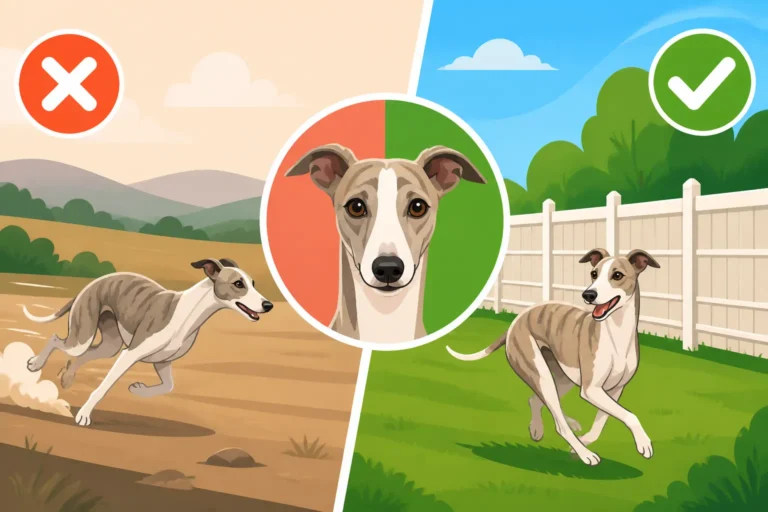
For that exhilarating, full-speed sprint that Whippets crave, nothing beats a truly secure, private space. This might be a friend's large, well-fenced yard, a rented "Sniffspot" (private land rented by the hour), or even a local sports field during off-hours, assuming the fencing is high and robust enough. Where a Whippet Can Safely Run Off Leash provides more details on identifying such safe havens.
The beauty of these spaces is the absence of unknown dogs and unpredictable interactions. Your Whippet can run to their heart's content, chase a favorite toy, and truly "open up" without the risk of collision or conflict. This allows them to engage their natural instincts in a controlled and safe manner, fulfilling their need for speed and burning off energy effectively. You can relax knowing they're safe, and they can relax knowing they don't have to constantly be on guard.
Structured Activities and Events
If you want to channel your Whippet's incredible athleticism and prey drive in a safe and stimulating way, look no further than sighthound-specific sports. Lure coursing and Fast CAT (Coursing Ability Test) are practically tailor-made for Whippets.
- Lure Coursing: This sport involves dogs chasing an artificial lure (usually a plastic bag) across an open field, mimicking the chase of live prey. It's a fantastic, safe outlet for their chase instinct, often run with only a few dogs at a time, ensuring minimal collision risk. Many events even offer single dog runs. What Lure Coursing and Fast CAT Cost a Whippet Owner can give you an idea of what to expect if you're interested in diving in.
- Fast CAT: A timed 100-yard dash where dogs chase a lure straight down a track. It's pure, unadulterated speed, and Whippets absolutely excel at it. It's a controlled environment, one dog at a time, ensuring safety while maximizing their joy in running.
These structured activities are not only incredibly enriching for your Whippet but also offer a wonderful community of like-minded sighthound owners who understand the breed's unique needs and vulnerabilities.
Leashed Walks and Controlled Socialization
While off-leash running is crucial, daily leashed walks are still incredibly valuable for mental stimulation, scent work, and controlled socialization. Exploring new neighborhoods, local trails, or even quiet parks on a leash allows your Whippet to engage with the world at a more measured pace.
For socialization, instead of a chaotic dog park, consider arranging one-on-one "playdates" with known, compatible dogs. Choose dogs that match your Whippet's play style and energy level, preferably other sighthounds or similarly gentle breeds. These controlled interactions minimize stress and allow for positive experiences.
When walking your Whippet, remember their unique anatomy. A standard flat collar can easily slip off their narrow, tapered head if they pull back, especially if they catch sight of something interesting. A martingale collar, designed specifically for sighthounds, is a much safer option to prevent escapes. You can find well-fitting, comfortable martingale collars on platforms like Amazon, offering a wide variety of styles and materials that suit a Whippet's delicate neck. A securely fitted martingale means you can maintain control without fear of them slipping out and dashing into harm's way. Whether a Whippet Needs a Martingale explains why this is often the best choice for the breed.
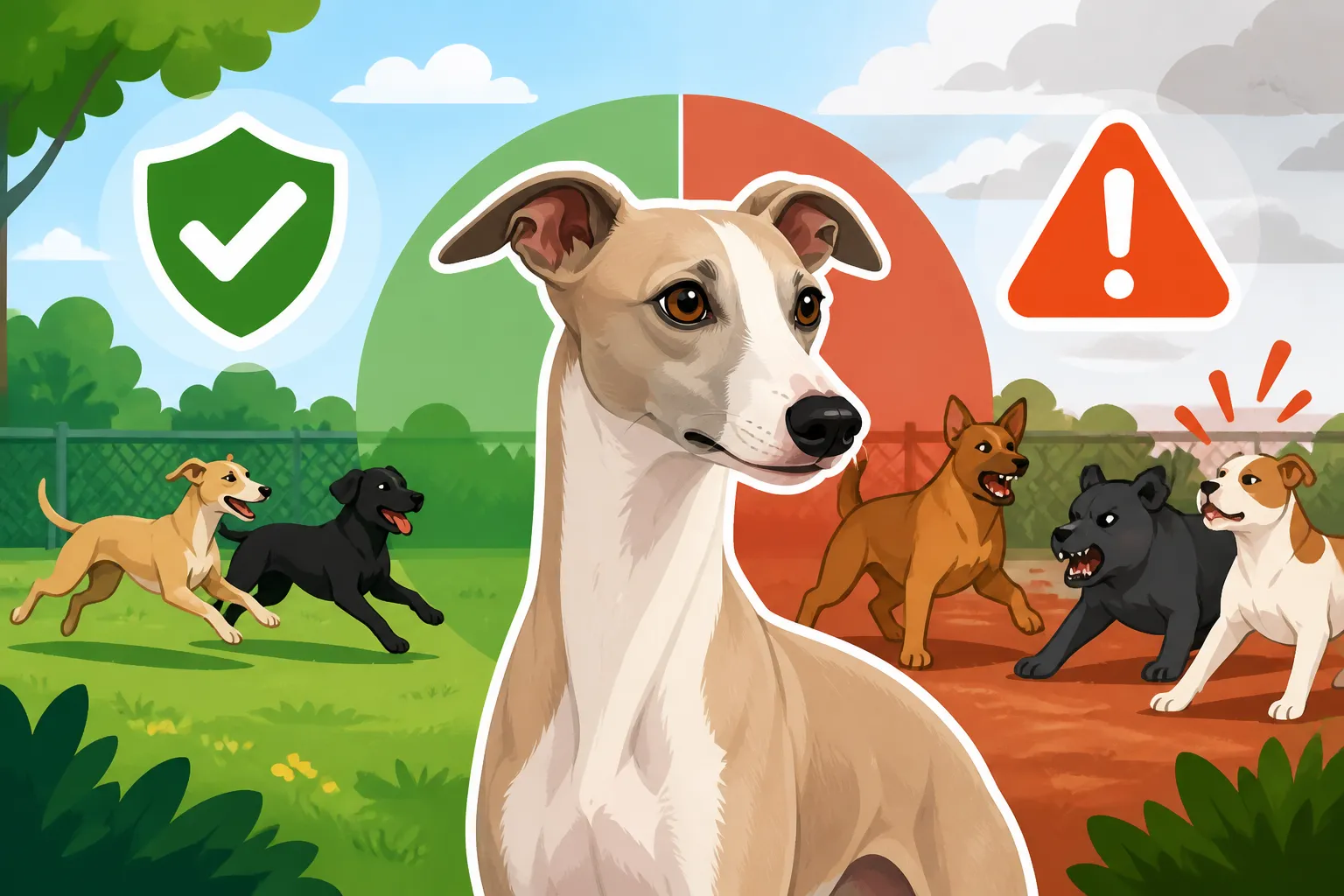
Dog Park Safety Checklist for Whippet Owners
If you still feel compelled to visit a dog park, use this checklist to assess the environment before letting your Whippet off-leash. Your Whippet's safety is always your responsibility.
| Criteria | Safe for Whippets (Green Light) | Caution (Yellow Light) | Avoid (Red Light) |
|---|---|---|---|
| Separate Small Dog Area | Available, secure, and actively used by small, compatible dogs. | Available but mixed-size dogs sometimes enter, or not well-utilized. | No separate area, or area is insecure/poorly supervised. |
| Fence Height & Security | Tall (6ft+), no gaps, double-gated entry. | Adequate height, but minor gaps or single gate. | Low fence, damaged, or easy for dogs to escape. |
| Ground Surface | Soft grass, well-maintained, free of hazards. | Worn grass, some patchy gravel, minor debris. | Hard packed dirt, sharp gravel, broken glass/trash. |
| Number of Dogs | Few dogs (2-4), spread out, calm demeanor. | Moderate number (5-8), some boisterous play. | Crowded, many dogs, chaotic interactions. |
| Dog Sizes | Mostly small to medium, similar energy levels. | Mix of sizes, but larger dogs are calm. | Many large, high-energy breeds playing roughly. |
| Owner Attentiveness | Owners actively supervising, intervening when needed, good recall. | Some owners distracted, but generally aware. | Owners glued to phones, chatting, oblivious to their dogs. |
| Play Style Observed | Gentle, reciprocal chase, some quiet sniffing. | Occasional roughhousing, but dogs disengage easily. | Bullying, persistent chasing, humping, aggressive body language. |
| Your Whippet's Mood | Eager, confident, ready to engage in appropriate play. | Hesitant, watchful, but willing to try if conditions are good. | Fearful, tail tucked, trying to hide, clearly stressed. |
Remember, a "yellow light" means proceed with extreme caution and be ready to leave immediately. A single "red light" should be a firm "no" for your Whippet's sake.
Ultimately, while the allure of a dog park is strong, it's vital for Whippet owners to approach them with extreme caution and realism. Their unique physical characteristics and sensitive temperaments mean that what's fun and safe for one dog can be a source of stress and danger for a Whippet. Prioritizing secure, controlled environments and structured sighthound activities will not only keep your Whippet safe but also allow them to truly enjoy their incredible athleticism and inherent joy in movement.
Disclaimer
This article is for general informational purposes only and does not constitute professional advice. Laws, prices and regulations vary by location and change over time. Consult a qualified professional for guidance on your specific situation.