Proofing a Whippet’s Recall Against Prey
The sheer exhilaration of watching your Whippet sprint across a field, ears flattened, muscles rippling, is unparalleled. But that breathtaking speed, combined with their profound sighthound prey drive, presents one of the most significant challenges for any Whippet owner: a reliable recall. It’s a terrifying moment when you call your beloved dog, and they’re already a blur, fixated on a squirrel or rabbit, heading straight for a road or another dangerous situation. This guide is here to walk you through how to systematically proof your Whippet's recall, helping them choose you over that irresistible flash of movement, even when their instincts are screaming otherwise.
Understanding the Whippet's Innate Prey Drive
Let's be honest, trying to teach a Whippet to ignore a running rabbit is like asking a fish to ignore water. Their entire being is engineered for the chase, a legacy passed down through generations. It's not about disobedience; it's about deeply ingrained instinct. Understanding this fundamental aspect of your Whippet is the first step in approaching recall training with the right mindset and realistic expectations.
The Instinctive Hunter: What Drives Them
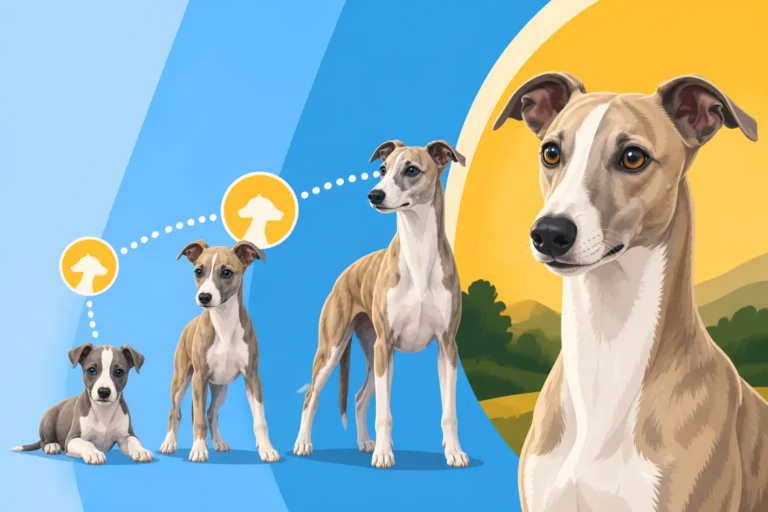
Whippets were quite literally bred to be hunters. Their ancestors were the "poor man's racehorse," dogs used for chasing rabbits and participating in "rag racing" in the Northern Coalfields of England. Their physical structure—streamlined body, powerful hindquarters, and flexible spine—is designed for explosive acceleration and incredible speed. This isn't just a hobby for them; it's a profound, biological imperative. When they see something move quickly, especially something small and furry, a switch flips in their brain. The world narrows, sounds fade, and their entire focus becomes that moving target. You can train and manage this drive, but you can't erase it, nor should you want to; it's a beautiful, essential part of what makes a Whippet a Whippet.
It's this deep-seated history that means your Whippet isn't being "naughty" when they bolt. They are responding to thousands of years of selective breeding. We often joke that a Whippet goes "deaf" when they see prey, and it's not far from the truth. Their auditory processing simply gets overwhelmed by the visual input and the rush of adrenaline that comes with the chase. To them, the reward of the chase is far greater than any treat you might offer, at least in that split second.
The Scent and Sight Connection
While known as sighthounds, a Whippet's nose is also a powerful tool. They are primarily driven by what they see, but a strong scent can certainly augment that drive, pulling them towards where prey was or is likely to be. Imagine your Whippet catching a whiff of a rabbit trail that just darted into the undergrowth. Even if they didn't see the initial movement, that scent can trigger the same intense focus, leading them to investigate and potentially flush out the prey. This combination makes recall proofing even more complex.
It’s crucial to recognize that a Whippet processes the world visually and with their nose in a way that we, as humans, can barely comprehend. A flicker of a deer's tail far in the distance, a chipmunk darting up a tree, or even the subtle movement of leaves in the wind can catch their eye. This heightened awareness means that distractions are literally everywhere, and what seems like an empty field to us can be a bustling highway of tempting creatures to your Whippet.
Why Their Brains Tune Out Your Voice
When a Whippet enters "prey mode," their brain prioritizes the chase above all else. This isn't a malicious act; it's a survival mechanism hardwired into their DNA. The surge of adrenaline and dopamine associated with the chase creates an almost addictive feedback loop, making it incredibly difficult for them to disengage. Your voice, even if it's accompanied by the promise of their favorite treat, simply becomes background noise compared to the primal thrill of the hunt.
Think of it like this: if you were in a silent room and someone whispered your name, you'd likely hear it. But if you were at a loud concert, completely engrossed in the music, that same whisper would be utterly lost. For a Whippet, the sight of prey is that concert, and your recall cue is that whisper. Our goal isn't to out-compete the concert entirely but to make our voice a powerful enough signal that, with enough practice and positive association, they can choose to turn down the volume on the instinctual roar. Why a Whippet's Chase Instinct Overrides Its Recall delves deeper into this very phenomenon.
The Foundation: Building a Bomb-Proof Recall
Before you can even think about proofing against prey, you need an absolutely rock-solid, reliable recall in a distraction-free environment. This is the bedrock upon which all future recall success is built. Skipping this step is like trying to build a skyscraper on quicksand – it just won't work.
Starting Strong: The Early Days of Recall Training
Recall training should begin the moment you bring your Whippet puppy home. In fact, many excellent breeders will have already started the process. Begin in a small, enclosed, and completely safe space, like your living room or a securely fenced yard. Use a happy, enthusiastic tone and a simple, consistent word like "Come!" or "Here!" When your puppy responds, even if they just glance at you, immediately reward them with a high-value treat and effusive praise. Make it the best thing that has ever happened to them.
Practice this many, many times a day in short, fun sessions. Never call your Whippet to you for something unpleasant, like a bath or to leave the dog park (unless absolutely necessary), as this can poison the cue. Every call to you should result in something wonderful. This early association is vital because it establishes a strong positive emotional response to the word "Come!" before any real-world distractions are introduced. The First Year With a Whippet Puppy covers many of these essential foundational elements.
High-Value Rewards Are Non-Negotiable
For a Whippet, a dry piece of kibble isn't going to cut it when there's a rabbit darting across the lawn. You need rewards that are so utterly irresistible that they stand a chance against the lure of the chase. This means soft, smelly, bite-sized treats like cooked chicken, cheese, hot dogs, or liverwurst. Experiment to find what makes your Whippet's eyes light up. These aren't everyday training treats; these are "jackpot" rewards reserved only for recall success, especially when they come back despite a distraction.
Think about it from your Whippet's perspective. They are making an enormous choice – overriding a powerful instinct – and they deserve an equally powerful reward. A good strategy is to use a variety of high-value treats and sometimes even a favorite squeaky toy if your Whippet is toy-motivated. The key is unpredictability and incredible deliciousness. Always have these on hand whenever you are working on recall, and make accessing them quick and easy, perhaps in a training pouch found on Amazon.
Consistency and Repetition in Safe Spaces
Repetition is the mother of all skill, and for recall, it's absolutely paramount. Practice your recall cue dozens, if not hundreds, of times in safe, enclosed environments where there's no chance of escape. Your home, a secure garden, or a private, fully fenced dog park are ideal. Start close, then gradually increase the distance. Play games like "hide and seek" where you call them from another room, making it a fun, engaging experience.
The more positive experiences your Whippet has with hearing "Come!" and being lavishly rewarded, the stronger that association becomes. It's about building a robust neural pathway in their brain: "When I hear that word, I run to my human, and amazing things happen!" Remember, this phase isn't about challenging them with prey; it's about making the recall cue itself incredibly valuable and reliable. Platforms like BAXTER & Bella offer excellent modules on building this foundational recall, providing structured lessons and support.
Gradual Distraction Training: The Key to Proofing
Once your Whippet's recall is flawless in distraction-free zones, it's time to start adding challenges. But this must be done incrementally and with extreme caution. This isn't about setting them up for failure; it's about setting them up for success at each tiny step.
Introducing Low-Level Prey-Like Distractions
This stage is all about controlled exposure. You're not going to take your Whippet straight to a field teeming with rabbits. Instead, start with very mild, distant distractions. Perhaps have a friend walk a leashed dog quietly far in the distance, or use a remote-controlled toy mouse if your Whippet finds those interesting. The key is distance and control. Your Whippet should notice the distraction but not be fully engaged in a chase.
At this stage, your Whippet should still be on a long line or in a very securely fenced area. The moment they glance at the distraction, but before they fully commit, give your recall cue. If they turn to you, celebrate like they've won the lottery and give them that jackpot treat. If they ignore you, gently reel them in with the long line, but don't punish them. The goal is to reinforce the choice to come back, not to force it.
Increasing the Stakes: Controlled Exposures
As your Whippet consistently succeeds with low-level distractions, you can gradually increase the intensity and proximity. This might mean having the friend with the leashed dog walk a bit closer, or using a less predictable toy. You could also introduce situations where other people are present but not directly interacting with your dog. The key word here is "gradual." If your Whippet fails twice in a row, you've gone too fast, and you need to dial back the difficulty.
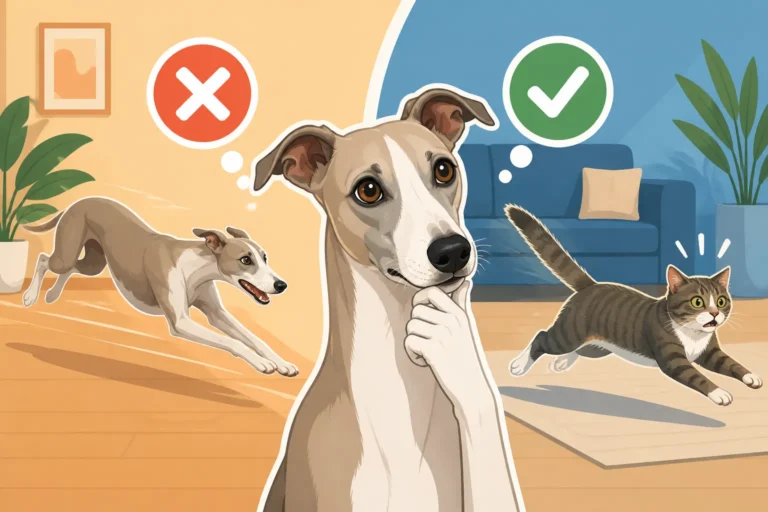
One powerful technique is to use a "helper" who can walk a very calm, leashed cat or even a stuffed animal on a string in the distance. When your Whippet notices it, immediately give your recall cue. If they come, mega-jackpot. If not, reel them in and restart from a greater distance. This controlled environment allows you to simulate prey-like scenarios without the actual danger of a live animal taking off. Remember, the long line is your best friend here, giving you that crucial safety net. Why a Whippet Cannot Be Let Off Leash in an Open Field highlights the importance of such precautions.
Real-World Scenarios with a Safety Net
This is the phase where you start incorporating real-world elements, always with a safety net. This means heading to fields that are known to have some squirrels or birds, but always with your Whippet on a long line. A 30 to 50-foot long line, which you can easily find on Amazon, gives them the feeling of freedom while keeping you in control. The moment you see them lock onto something, give your recall cue. Reward any check-in or partial turn towards you, then continue rewarding as they return.
| Recall Training Stage | Environment | Distraction Level | Safety Measures | Reward Strategy | Goal |
|---|---|---|---|---|---|
| Foundation | Home, secure yard | None | Leash, enclosed space | High-value treats, praise | Build positive association with cue |
| Low-Level Proofing | Secure park, large yard | Distant, slow movement | Long line, enclosed space | Jackpot treats, praise | Respond to cue despite mild distraction |
| Increased Distraction | Familiar park with activity | Closer, faster movement | Long line, highly supervised | Jackpot treats, enthusiastic | Overcome stronger, closer distractions |
| Real-World Scenarios | Open fields, trails | Live prey (distant) | Long line, vigilance | Ultimate jackpot, play | Prioritize recall over moderate prey drive |
| Off-Leash (Advanced) | Known safe, quiet areas | Minimal, unpredictable | Continuous vigilance | Varied rewards | Reliable recall in near-natural setting |
Never push too hard. If your Whippet is consistently ignoring your cue on the long line, the environment is too stimulating, and you need to reduce the distractions or increase the distance from them. This entire process takes patience, consistency, and a deep understanding of your Whippet's nature. It's a dance between trust and instinct, and your job is to slowly shift the balance in your favor.
Tools and Techniques for Recall Success
Beyond just treats and repetition, there are specific tools and techniques that can significantly bolster your Whippet's recall, especially when dealing with their powerful prey drive.
The Power of the Long Line
We’ve mentioned it already, but it bears repeating: the long line is your best friend for recall proofing. It’s not just a safety device; it’s a training tool that allows your Whippet to experience "freedom" while giving you the ability to enforce the recall cue. A quality long line, usually 20-50 feet in length, made of biothane or durable nylon, is essential. Attach it to a well-fitting, secure harness, not directly to their collar, to prevent neck injury if they hit the end of the line at speed. The Harness a Whippet Backs Out Of discusses why a secure harness is critical.
When using a long line, let your Whippet explore, but always be aware of your surroundings. The moment you see them show interest in something that could trigger their chase drive, give your recall cue before they bolt. If they respond, fantastic! Reward them heavily. If they ignore you and start to take off, gently bring them back with the long line, still using your happy recall cue as they return, and then reward them. The goal is to prevent the "self-reward" of chasing prey while still making coming back to you a positive experience. Never use the long line to yank them or punish them, as this will only teach them to dread the recall cue.
Whistle Recalls and Other Auditory Cues
Sometimes, a verbal cue can get lost in the excitement or environmental noise. A dog whistle can be an incredibly effective recall tool because its sound is consistent, travels further, and cuts through distractions more effectively than your voice. To introduce a whistle recall, start in a quiet environment. Blow the whistle (use a distinct, short burst) and immediately follow it with a high-value treat. Repeat this many times until your Whippet associates the whistle with something wonderful happening.
Once this association is strong, you can start incorporating it into your recall training, using it either instead of or in conjunction with your verbal cue. The consistency of the whistle's sound means it's less likely to be misinterpreted than a human voice that might vary in tone depending on your stress level. Other unique auditory cues, like a specific clap pattern or a squeaky toy reserved only for recall, can also be effective alternatives or additions to your training arsenal.
Positive Reinforcement Methods and Games
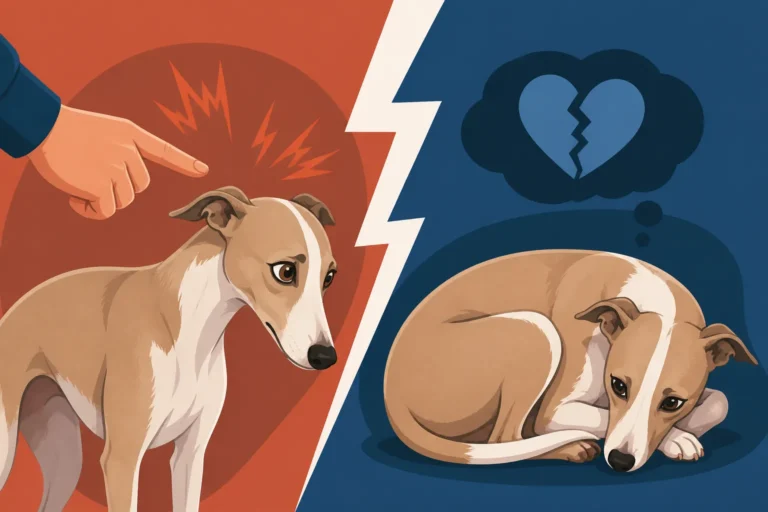
Whippets, being sensitive sighthounds, respond incredibly well to positive reinforcement and can shut down under harsh correction. Avoid any training methods that rely on fear or punishment. Instead, focus on making recall a fun game that your Whippet genuinely wants to play. "Recall ping-pong" with two people calling the Whippet back and forth between them is a fantastic way to build enthusiasm and speed.
Another great game is "Surprise Recall." Every now and then, when your Whippet isn't expecting it, call them to you. If they come, jackpot reward! This keeps them on their toes and reinforces that coming to you is always worth it. Incorporate play into your recall too. For some Whippets, a quick game of tug or a chase with a favorite toy (after they've returned to you) can be an even higher reward than food, especially if they are highly toy-motivated. How a Whippet Learns When It Bruises From Pressure explains why gentle, positive methods are so crucial for these sensitive dogs.
Managing Risk: When Recall Isn't Enough
Let's be realistic: even with the most diligent training, a Whippet's prey drive is incredibly strong. There will always be situations where their instinct might overpower their training. Acknowledging this is not a failure; it's responsible ownership. Management strategies are just as important as training to keep your Whippet safe.
Understanding the Limitations of Recall
No recall is 100% foolproof, especially with a sighthound. There will always be that one squirrel, that perfectly timed gust of wind carrying a scent, or that sudden movement that triggers an irresistible chase. It’s vital to understand that your Whippet is making a monumental effort to listen to you, but sometimes, biology wins. This isn't an excuse to stop training, but it is a reason to be ever-vigilant and to never put your Whippet in a situation where a failed recall could have catastrophic consequences.
This understanding also means adjusting your expectations. Rather than striving for perfection, aim for extreme reliability in most scenarios. Accept that there might be a rare instance where they don't respond, and build your management strategies around that possibility. For instance, an emergency recall – a specific, very high-value cue reserved only for life-or-death situations – can be trained to be even stronger, but again, it’s not a magic bullet. How Far a Whippet's Recall Can Be Trusted offers more context on these limitations.
Secure Fencing and Supervised Off-Leash Areas
The safest place for a Whippet to run off-leash is in a securely fenced area. We’re talking about a fence that is at least 5-6 feet high, without gaps underneath or weak spots they can squeeze through. Whippets are surprisingly agile and can clear fences if motivated enough, so a solid, tall barrier is key. Dog parks can be an option, but only if they are truly secure, not overcrowded, and you know the temperament of the other dogs present.
If you don't have access to a secure private space, consider renting a private, fenced dog field for dedicated off-leash time. These are becoming more common and offer a safe environment for your Whippet to truly stretch their legs without the risk of a recall failure. When in doubt, or if you are in an unfamiliar area, assume your Whippet needs to be on a leash or long line. Why a Whippet Needs a Fenced Area to Run discusses this necessity in detail.
Harnesses, Collars, and Leash Safety
Because Whippets have narrow heads and deep chests, they can easily slip out of standard flat collars. A martingale collar is a must-have for walks, as it tightens slightly when pulled, preventing them from backing out without choking them. What a Martingale Collar for a Whippet Costs is a small price to pay for peace of mind. For training on a long line, or for added security, a well-fitting, escape-proof harness is also an excellent choice. Look for harnesses specifically designed for sighthounds or those with a third strap around the waist to prevent backing out.
Always use a strong, reliable leash. Consider a double-ended leash or a separate safety leash that attaches to both a collar and a harness for extra security in high-traffic or high-distraction areas. Regularly check your equipment for wear and tear, and never take shortcuts with your Whippet's safety. When taking your Whippet on adventures, always have a plan for how to keep them safe and secure.
Common Pitfalls and Troubleshooting
Even with the best intentions and consistent effort, recall training can be frustrating. It's easy to get discouraged when your Whippet seemingly "forgets" everything you've taught them. Let's look at some common issues and how to navigate them.
When Your Whippet "Forgets" Everything
It's a familiar scenario: your Whippet has a perfect recall in the yard, but the moment you're at the park and a squirrel darts by, they're gone. It feels like they've forgotten every lesson. In reality, they haven't forgotten; the level of distraction has simply overwhelmed their current training. This isn't a sign of stubbornness, but a clear indicator that you've moved too fast in your proofing process.
The solution is to go back a few steps. Revisit an environment where they can succeed. If they fail with a squirrel at 50 feet, go back to practicing with a distant, slow-moving object at 100 feet. Build confidence and success again at that level before slowly, incrementally, reducing the distance or increasing the distraction. It's a marathon, not a sprint, and sometimes you need to walk backward to move forward effectively. Keep those high-value treats coming, and always end training sessions on a positive note.
Dealing with Setbacks and Frustration
Setbacks are an inevitable part of training any dog, especially a Whippet with a strong prey drive. It's incredibly frustrating when your hard work seems to evaporate in the face of a rabbit. The most important thing is to manage your frustration. Dogs are masters at reading our emotions, and if you become angry or upset, your Whippet will associate recall with that negative feeling, making them less likely to come.
Take a deep breath. If a session isn't going well, end it on an easy success (call them when they're very close and reward heavily) and try again another time, at a lower difficulty level. Remember why you're doing this: for your Whippet's safety and your peace of mind. Celebrate the small victories, learn from the challenges, and maintain a positive, encouraging attitude. Sometimes, simply taking a break and coming back to it with fresh eyes makes all the difference.
Seeking Professional Guidance
If you're feeling stuck, overwhelmed, or simply not making progress, don't hesitate to seek help from a professional dog trainer or behaviorist. Look for someone who has experience with sighthounds and positive reinforcement methods. An experienced trainer can observe your Whippet's behavior, identify specific challenges, and provide tailored strategies and hands-on guidance. They can also help you understand your Whippet's individual motivations and how to best leverage them for recall success.
Online resources, like those offered by BAXTER & Bella, can also provide structured courses and community support, which can be invaluable. However, for persistent issues or if you feel your Whippet's prey drive is particularly intense, one-on-one sessions with a local professional are often the most effective path forward. Investing in professional help isn't a sign of failure; it's a smart decision that can save you a lot of stress and potentially keep your Whippet safe in the long run.
Disclaimer
This article is for general informational purposes only and does not constitute professional advice. Laws, prices and regulations vary by location and change over time. Consult a qualified professional for guidance on your specific situation.