Whether a Whippet Is Safe With a Kitten
Bringing a tiny, defenseless kitten into a home with a sleek, lightning-fast Whippet can feel like a recipe for disaster to many new owners, and honestly, the anxiety is completely valid. You adore your Whippet's gentle nature and quiet demeanor, but you also know that deep down, there's a sighthound whose ancestors hunted small, fast-moving prey. This guide is here to walk you through the realistic steps and considerations for introducing a kitten to your Whippet, focusing on safety, instinct management, and creating a harmonious household where everyone feels secure.
The Core Challenge: Whippet Instincts vs. Kitten Vulnerability
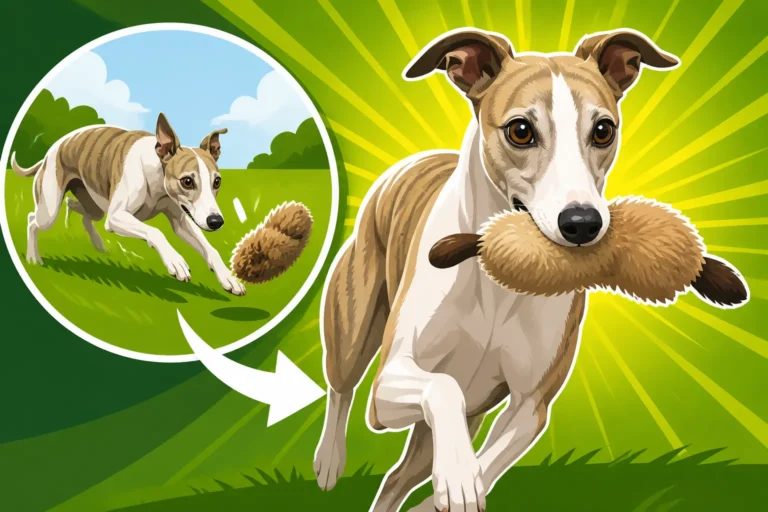
Let's be real: Whippets were bred to chase and catch small, fast-moving animals. It’s not aggression; it’s an instinctual, hardwired drive that comes from centuries of selective breeding. While your beloved Whippet might be the sweetest, most docile companion indoors, that doesn't erase its prey drive, especially when faced with something as tantalizingly quick and small as a kitten. Understanding this fundamental truth is the first step toward successful integration.
Understanding the Whippet's Prey Drive
Your Whippet isn't evil for wanting to chase something. It's simply responding to its biological imperative. Whippets are sighthounds, meaning they hunt by sight. A sudden movement, a darting shadow, or a fleeing creature instantly switches on that "game on" response. This isn't a behavior you can train out of them entirely; it's part of who they are. What you can do, however, is manage it through careful introductions, consistent training, and creating an environment that minimizes risk. Think of it like trying to teach a bird not to fly; you can't, but you can certainly keep it safely in a cage or within a secure garden. This inherent drive is why Why a Whippet's Chase Instinct Overrides Its Recall can be such a critical factor in outdoor safety, and it applies just as much indoors when small, furry things are involved.
Why Kittens Trigger the Chase Instinct
Kittens are, unfortunately, perfect targets for a sighthound's prey drive. They are small, they move quickly and erratically, they play-pounce, they make high-pitched sounds, and they often flee when startled. All of these behaviors are powerful triggers for a Whippet. It's not that your Whippet wants to harm the kitten out of malice; it's that the kitten's movements mimic the very animals your Whippet was designed to pursue. A kitten running across the floor can be indistinguishable from a rabbit bolting across a field in your Whippet's eyes, especially if the dog hasn't been properly socialized or managed around small, fast-moving creatures.
The Speed and Power Mismatch
Even if your Whippet has the best intentions, the sheer physical difference between a Whippet and a kitten poses an immense risk. A Whippet is incredibly fast and surprisingly strong for its delicate appearance. A playful pounce, an accidental bump, or even a swipe of a paw that's meant to be gentle can cause serious injury or worse to a fragile kitten. Kittens are tiny and their bones are still developing. Their internal organs are vulnerable, and a quick shake of the head, a common way dogs interact with "prey," could be devastating. It's not about malice, but about the overwhelming power imbalance.
Setting the Stage for Success: Early Introduction and Management
The key to successfully integrating a Whippet and a kitten lies in careful, controlled introductions and meticulous ongoing management. This isn't a "throw them in and see what happens" scenario; it requires patience, foresight, and a commitment to keeping both animals safe and stress-free.
Introducing a Whippet Puppy to a Kitten
If you're bringing a Whippet puppy into a home with a resident kitten, or vice-versa, you have a slight advantage, as both are learning about the world. For more general advice on settling a new puppy, you might find The First Year With a Whippet Puppy helpful. Introducing a puppy to a kitten should still be done with extreme caution. A young Whippet puppy may not have a fully developed prey drive, but it can still be clumsy and boisterous.
- Controlled Encounters: Start with visual exposure through a baby gate or crate. Let them see and smell each other without direct physical contact.
- Positive Associations: Feed them on opposite sides of the barrier. Offer high-value treats to your Whippet whenever the kitten is in view and behaving calmly. This helps your Whippet associate the kitten with positive experiences.
- Supervised Play: When you do allow direct interaction, it must be 100% supervised, with the Whippet on a leash. Keep initial sessions very short, just a few minutes, and end them on a positive note. Distract the Whippet with a toy or command if it becomes too fixated on the kitten.
- Cat-Proofing First: Make sure the kitten has plenty of vertical escape routes and safe zones before any direct contact.
Introducing an Adult Whippet to a Kitten
Introducing an adult Whippet to a kitten generally presents a higher challenge because the Whippet's prey drive is fully developed. However, it's not impossible, especially if your Whippet has a history of living peacefully with cats or other small animals. If you're tackling this, you'll definitely want to read Teaching an Adult Whippet to Live With Cats for more detailed strategies.
- Scent Swapping: Before they even see each other, swap blankets or toys so they can get used to each other's scent. This helps normalize the new presence.
- Parallel Play/Feeding: Similar to puppies, use barriers. Feed your Whippet while the kitten is visible (but safe) or let them play in separate rooms with the door slightly ajar so they can hear each other.
- Leashed Supervision, Always: When moving to direct interaction, your Whippet must be on a leash, ideally held by you. Have high-value treats ready to reward calm behavior. Do not allow chasing or rough play. Any signs of intense focus, stiff body language, or a lowered head should signal an immediate, calm separation.
- Short, Sweet, and Frequent: Keep initial face-to-face meetings very brief. Gradually increase the duration as both animals demonstrate comfort and appropriate behavior. Always end before either animal shows signs of stress or over-excitement.
Crucial Management Strategies
Regardless of age, ongoing management is paramount. This isn't a "once and done" process.
- Separate Spaces: Ensure both animals have their own private, safe spaces where they can retreat and relax without interruption. For your Whippet, this might be a cozy crate (see Whether a Whippet Can Be Crate Trained) with soft bedding or a special bed. For the kitten, this means elevated spots or rooms the Whippet cannot access.
- Never Unsupervised: Seriously, never, ever leave a Whippet and a kitten alone together, even for a moment, until you are absolutely, 100% confident in their long-term, proven safety, which frankly, can take many months, if ever. The risk is too high.
- Leash Indoors: In the early stages, consider keeping your Whippet on a drag leash indoors when the kitten is out. This allows you to quickly intervene if the Whippet's prey drive kicks in. Be mindful of the leash getting caught on furniture.
- Consistent Routine: Animals thrive on routine. A predictable schedule for feeding, playtime, and quiet time helps reduce anxiety for both your Whippet and your new kitten. Consistency is key to a smooth transition, along with understanding What a Whippet Needs Every Day in terms of structure.
Training and Socialization for a Harmonious Home
Successful integration isn't just about preventing accidents; it's about fostering a relationship built on trust and respect, even if it's a calm coexistence rather than deep friendship. This requires dedicated training and socialization efforts.
Desensitization and Counter-Conditioning
These are fancy terms for helping your Whippet change its emotional response to the kitten. Instead of viewing the kitten as "prey," you want your Whippet to see it as a "treat dispenser" or a signal for good things.
- Start Small: Begin by exposing your Whippet to the kitten at a distance where your dog is aware but not reacting with intense focus. This might be across the room, behind a gate, or even in different rooms with the door slightly ajar.
- Pair with Rewards: Every time your Whippet sees the kitten and remains calm, immediately reward it with a high-value treat, like small pieces of cooked chicken or a favorite chew. The moment your Whippet looks at the kitten without lunging or staring intensely, that's the moment to reward.
- Gradual Approach: Slowly decrease the distance over days or weeks, always observing your Whippet's comfort level. If your Whippet starts to get over-aroused, you've moved too quickly. Back up to the previous comfortable distance.
- Structured Sessions: Keep these training sessions short and positive. Five to ten minutes, several times a day, is far more effective than one long, stressful session.
Rewarding Calm Interactions
Beyond the initial desensitization, actively reward your Whippet for any calm, appropriate interaction with the kitten.
- "Look at That" Game: When the kitten moves, say "Good look!" and give your Whippet a treat for simply observing without reacting. This teaches your Whippet to check in with you instead of immediately pursuing.
- Proximity Rewards: If the kitten is calmly exploring nearby and your Whippet is lying down or ignoring it, quietly offer a treat or praise. You're reinforcing the idea that the kitten's presence is normal and non-threatening.
- Mat Work: Teach your Whippet to go to a designated mat or bed and stay there calmly. Practice this when the kitten is in the room. This provides a clear "calm spot" for your Whippet and helps it understand boundaries. A comfortable place for your Whippet to rest, perhaps one of the many The Beds a Whippet Owner Keeps Buying, can be a valuable tool here.
- Brand Bonus: Training tools from brands like BAXTER & Bella often emphasize positive reinforcement and structured introduction methods, which are ideal for these delicate scenarios. Their focus on building a strong foundation of trust and obedience can be incredibly helpful when managing a high-prey-drive dog around vulnerable housemates.
Teaching Safe Boundaries
It's not just about the Whippet; the kitten also needs to learn appropriate behavior around the dog. Believe it or not, How a Cat Teaches a Whippet Manners can be a real thing!
- No Chasing Games: Never encourage games where the Whippet chases the kitten, even if it seems playful. This reinforces the prey drive and blurs the lines of acceptable behavior.
- "Leave It" Command: This is an invaluable command for your Whippet. Teach it thoroughly, starting with less enticing objects, and then generalize it to the kitten. If your Whippet focuses too intently on the kitten, a firm "Leave it!" followed by a reward for compliance can redirect its attention.
- Respectful Space: Teach the kitten that while the Whippet is not a threat, it also needs its personal space. Prevent the kitten from pouncing on a sleeping Whippet or ambushing it from around corners. While some cats are masters at teaching this themselves, human intervention helps.
- "Place" or "Settle" Command: Having a solid "place" command for your Whippet allows you to direct them to a specific spot (like their dog bed) where they can relax while the kitten is out and about. This helps create structure and predictable interactions.
Creating a Kitten-Safe Environment
The physical environment of your home plays a massive role in the success and safety of a Whippet-kitten cohabitation. You need to think like a kitten and a Whippet simultaneously.
Vertical Space and Escape Routes
This is arguably the most critical environmental factor. Kittens need places to go where the Whippet absolutely cannot reach them.
- Cat Trees and Shelves: Invest in sturdy cat trees, wall-mounted shelves, or even tall bookcases that the kitten can easily climb. These provide safe perches from which the kitten can observe the room and escape if it feels threatened. Place them strategically, so the kitten can easily leap from one to another.
- Furniture Access: Allow your kitten access to furniture that your Whippet might not be able to jump onto, or areas where the Whippet isn't allowed. This gives them options.
- Baby Gates: Use baby gates to create kitten-only zones, like a laundry room or a spare bedroom, where the kitten can eat, use its litter box, and sleep without any fear of the Whippet. Ensure the gates are tall enough that your Whippet can't jump them, or consider a gate with a small cat door. This is especially important as we understand Why a Whippet Cannot Be Let Off Leash in an Open Field due to their jumping and running capabilities; a determined Whippet can be quite athletic indoors too.
Secure Feeding and Resting Zones
Feeding time can be a high-stress event in a multi-pet household if not managed properly.
- Separate Feeding Stations: Always feed your kitten and Whippet in separate locations. The kitten should have its food in an area inaccessible to the Whippet, preferably on a high surface or behind a closed door. This prevents resource guarding and ensures the kitten can eat peacefully.
- Elevated Beds: Provide the kitten with cozy, elevated beds or enclosed hideaways where it can sleep undisturbed. A small cat cave on a high shelf or a soft bed inside a tall carrier can offer immense comfort and security. You want to make sure the kitten feels truly safe when it's resting.
- Litter Box Location: Place the kitten's litter box in a spot that is easy for the kitten to access but impossible for the Whippet. Many dogs, including Whippets, are unfortunately tempted by cat litter boxes. Not only is this unsanitary, but it also deprives the kitten of a safe and private toileting area.
Constant Supervision and "Time Outs"
Think of yourself as a vigilant referee. You are always present, always observing, and always ready to intervene.
- Active Supervision: This means putting away your phone, stepping away from the TV, and actively watching their interactions. Look for subtle cues of stress (flattened ears, stiff body, hiding) from the kitten and intense focus (staring, stalking, tense body) from the Whippet.
- Scheduled Breaks: Even if things are going well, enforce "time outs" or breaks. Separate them periodically throughout the day to allow both animals to decompress and relax in their own spaces. This prevents over-stimulation and reduces the chance of an incident.
- Positive Reinforcement: Keep a pouch of high-value treats (from Amazon, perhaps, for easy replenishment!) on you during all supervised interactions. Reward calm behavior from your Whippet and confident, relaxed behavior from your kitten. This reinforces good habits and makes interactions positive.
- Gradual Freedom: Only very slowly, and over many months, should you consider increasing the amount of unsupervised time, and even then, start with short durations. It's a journey, not a sprint. Remember, the goal is for them to not just tolerate each other, but to thrive safely in the same home. When considering the temperament for a multi-species home, knowing about Whether a Whippet Suits a Household With Cats in general is a good starting point, but kittens are a whole different ballgame.
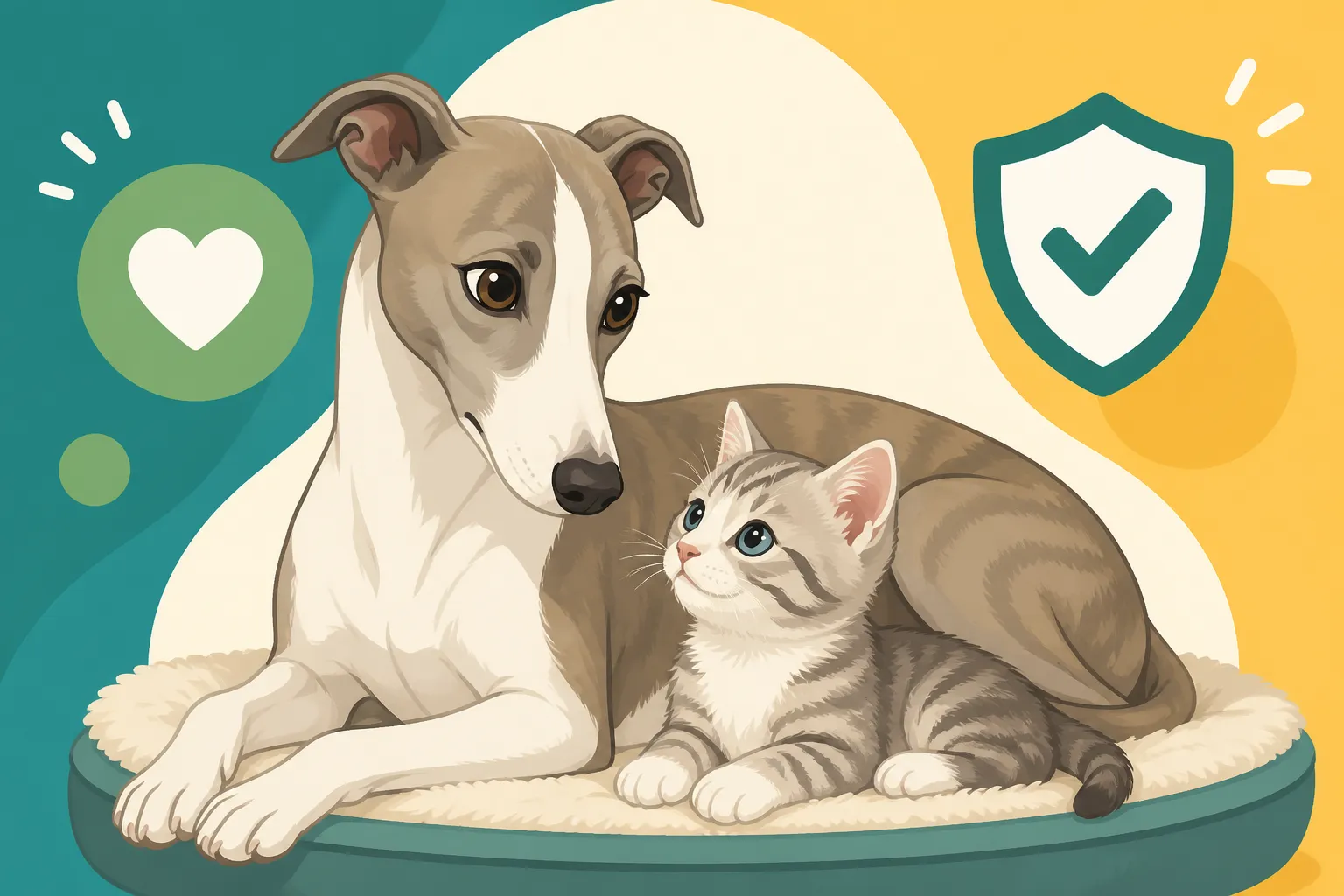
It's a huge commitment, but seeing a Whippet and a kitten peacefully coexisting can be incredibly rewarding. It takes consistent effort, patience, and a deep understanding of both your Whippet's natural instincts and your kitten's delicate nature.
Disclaimer
This article is for general informational purposes only and does not constitute professional advice. Laws, prices and regulations vary by location and change over time. Consult a qualified professional for guidance on your specific situation.