Whether Neighbors Complain About Whippets
One of the biggest worries for any dog owner, especially when bringing a new furry family member home, is whether their beloved companion will become a source of contention with the neighbors. We’ve all heard those horror stories of incessant barking, property damage, or unruly behavior causing rifts in otherwise peaceful communities. If you're considering a Whippet, or already have one and are pondering this very question, you're in the right place – we’re going to dive deep into whether your speedy, sensitive sighthound is likely to have your neighbors reaching for the phone, and what you can do to ensure harmony.
The Quieter Side of Sighthound Life
It’s true, Whippets are often touted as one of the quieter dog breeds, and for good reason! Their natural demeanor leans towards calm and repose, especially indoors. However, like all dogs, they aren't entirely silent. Understanding their typical vocal patterns and potential triggers can help you manage expectations for both yourself and your neighbors.
Why Whippets Are Generally Quiet
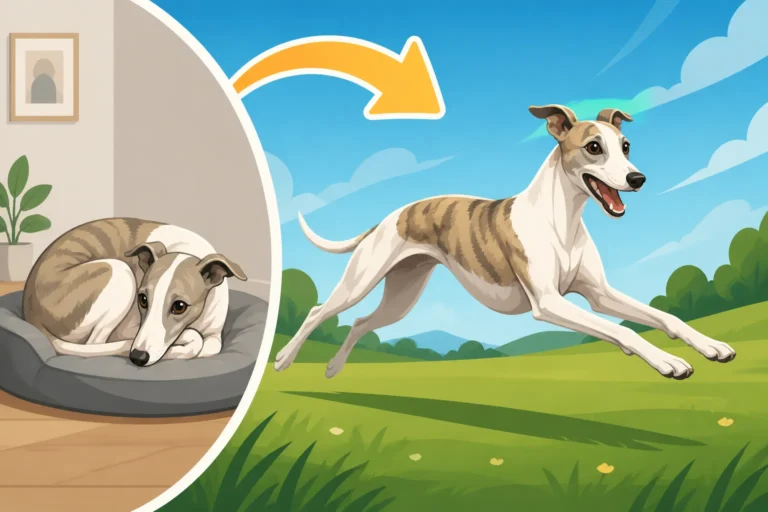
Whippets have earned their reputation as "40 mph couch potatoes" because, despite their incredible athletic prowess and bursts of speed, they spend a significant portion of their day napping. This isn't just a cute quirk; it's deeply ingrained in their sighthound nature. They conserve energy, which means when they're not actively running, chasing, or playing, they're typically stretched out on a soft bed or curled up on the sofa, utterly content in their quiet slumber. This inherent calm translates into less impulsive barking. Unlike some breeds bred for guarding or herding, Whippets generally don't feel the need to alert you to every squirrel, leaf, or distant siren. They're more inclined to observe silently, or perhaps offer a soft woof if something genuinely piques their interest right outside the window. Their sensitive nature also means they often prefer a peaceful environment, which further contributes to their low-barking tendencies.
Their small stature compared to other sighthounds also plays a role. While a Greyhound's bark can carry a serious boom, a Whippet's vocalizations are generally lighter. They thrive on routine and a settled home life, which minimizes stress-induced barking. Many owners report that their Whippets go days without uttering more than a little "ruff" during play or a contented sigh. This quiet disposition makes them excellent companions for apartment living or homes where excessive noise could be an issue. You’ll often find them just observing the world from a comfortable vantage point, rather than announcing its every passing detail.
When a Whippet Might Bark
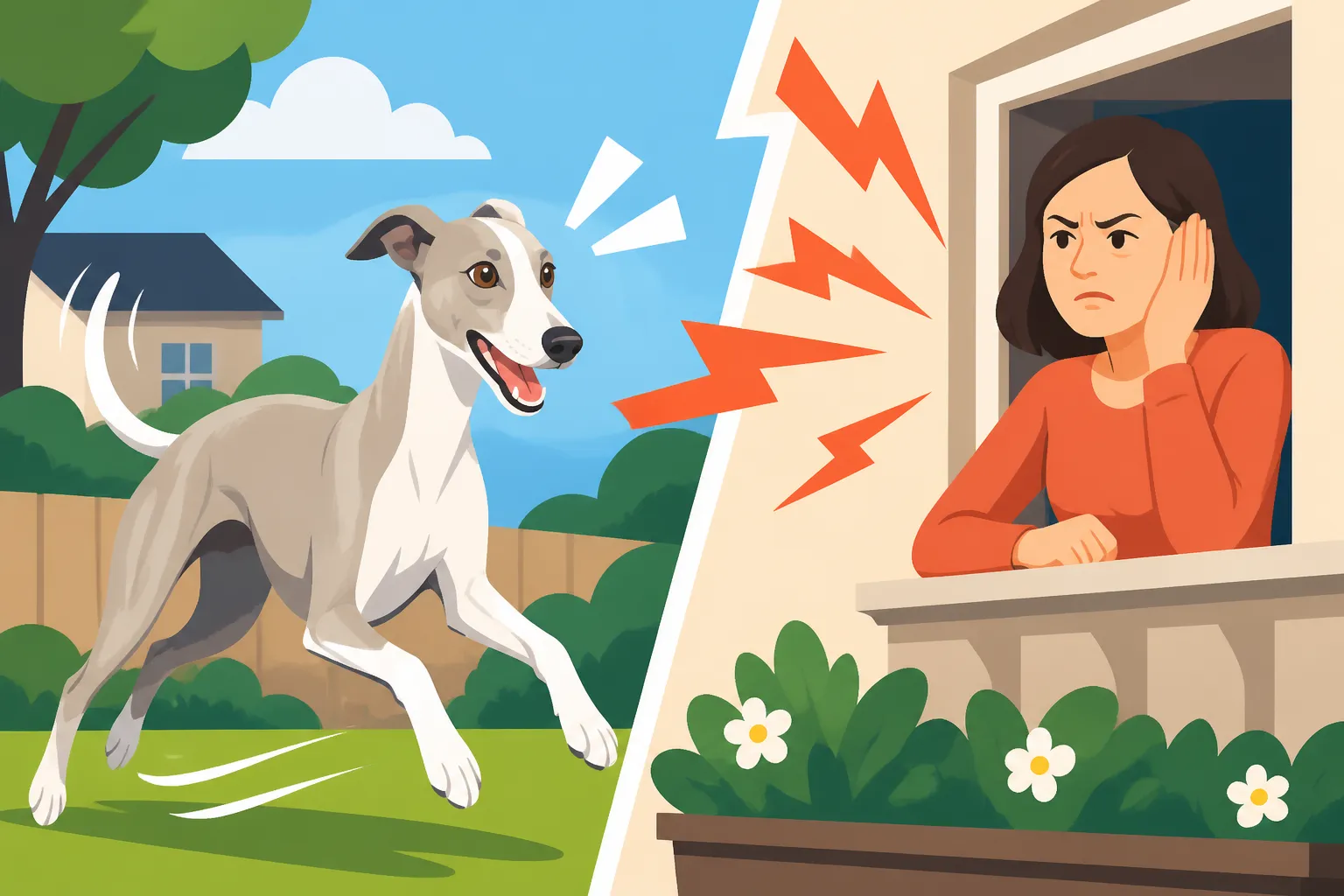
While generally quiet, it's unrealistic to expect a Whippet to be completely mute. There are specific situations that can provoke a bark or series of barks, and recognizing these triggers is the first step in managing them. The most common scenario for a Whippet to become vocal is out of excitement. When you come home after a long day, or when a favorite person visits, a Whippet might let out a series of happy barks, often accompanied by frantic tail wags and joyful wiggles. This isn't a complaint bark; it's pure exuberance.
Another common trigger is the doorbell. Most dogs react to the sound of someone at the door, and Whippets are no exception. They might bark to alert you, or out of anticipation of a visitor. Similarly, unexpected sounds outside, like a delivery truck, a loud car, or a sudden noise from a neighbor’s yard, can prompt a quick "woof" of inquiry. Boredom or frustration, while less common for a Whippet than some breeds, can also lead to barking if they aren't getting enough mental or physical stimulation. And, of course, a Whippet might bark if they sense a genuine threat, though their guarding instincts are typically low. If you're concerned about consistent barking, it's worth exploring How Much a Whippet Barks and Why a Whippet Makes a Poor Watchdog for more insights.
Separation anxiety is another potential cause of barking, though it's usually accompanied by other distressed behaviors like pacing, destructive chewing, or inappropriate urination. A Whippet deeply bonds with its family, and if left alone for extended periods without proper training, some may express their anxiety through vocalizations. Addressing separation anxiety involves a multi-faceted approach, often including desensitization training and creating a safe, comfortable space for them when you're away.
Beyond the Bark: Other Potential Neighborly Concerns
It’s not just noise that can lead to neighbor complaints. Sometimes, misconceptions about the breed or certain behaviors can unintentionally cause concern or irritation. Being aware of these can help you proactively address them.
The "Fragile" Appearance and Misconceptions
One of the most frequent comments Whippet owners hear from strangers is, "Is your dog okay? It looks so skinny!" Because of their naturally lean, athletic build, with ribs and hip bones often visible, many people unfamiliar with sighthounds mistakenly assume they are underweight or neglected. This well-meaning but misguided concern can sometimes lead neighbors to call animal welfare or express worry, even if your Whippet is perfectly healthy and thriving. It’s a common frustration for owners who know their dogs are in peak condition.
It’s important to remember that a healthy Whippet is a lean Whippet. Their body type is designed for speed and agility, not bulk. They have very little body fat, making their skeletal structure naturally more pronounced. Educating your neighbors gently about the breed's conformation can go a long way. You might show them photos of other healthy Whippets or explain that this is their natural, athletic build. Dive deeper into this topic with Why Strangers Think a Whippet Is Underfed and How Thin a Whippet Should Look.
Zoomies and Property Lines
Whippets are renowned for their "zoomies" – those sudden, explosive bursts of running, often in circles or figure eights, that seem to come out of nowhere. These joyful sprints are an expression of pure, unadulterated happiness and energy release. While delightful to watch, if your yard isn't securely fenced or if your Whippet frequently finds itself off-leash in an unfenced area, these high-speed antics can cause issues. A Whippet mid-zoomie might not pay attention to property lines, potentially venturing into a neighbor's yard, especially if there's a tempting squirrel or a friendly dog to greet.
Their incredible speed also means they can cover a lot of ground quickly. If a Whippet darts into a neighbor's carefully manicured flower bed or startles someone while racing by, it could lead to complaints. This is why strict leash protocols are crucial for Whippets in unfenced or open areas. Their prey drive is powerful, and that 35 mph sprint can make them oblivious to commands when focused on a chase. Understanding Why a Whippet Cannot Be Let Off Leash in an Open Field is vital for their safety and for maintaining good neighborly relations. Ensuring your own yard is securely fenced (and high enough, as some Whippets can surprise you with their vertical leap!) is also a key preventive measure.
Proactive Steps for Harmonious Neighborly Relations
Good neighborly relations with a Whippet often come down to proactive management and training. By understanding their needs and typical behaviors, you can minimize potential issues before they even arise.
Training for a Quiet Home
A well-trained Whippet is a happy Whippet, and a happy Whippet is usually a quiet Whippet. Focusing on positive reinforcement training methods is particularly effective for this sensitive breed, as harsh corrections can easily cause them to shut down or become anxious. Start early by rewarding calm behavior and quiet observation. When the doorbell rings, teach them to go to a designated mat or bed instead of rushing to the door and barking. Consistency is key here.
Desensitization can also be very helpful for triggers like outside noises. If your Whippet barks at every passing siren, try playing recordings of such sounds at a low volume while rewarding calm behavior, gradually increasing the volume over time. For handling visitors, practice having friends or family come to the door, rewarding your Whippet for a quiet greeting. Resources from reputable online training programs, like those offered by BAXTER & Bella, can provide structured guidance for these specific challenges, helping you implement effective strategies for a more peaceful home environment. Remember, you can always seek professional guidance from a certified dog trainer if you're struggling with persistent barking issues.
Ensuring Adequate Exercise and Mental Stimulation
A tired Whippet is typically a well-behaved and quiet Whippet. While they are champion nappers, they still need regular opportunities to stretch their legs and engage their minds. Daily walks, especially in areas where they can safely sniff and explore (on leash, of course!), are essential. Beyond walks, providing safe opportunities for them to truly run is critical for their physical and mental well-being. This might mean visiting a securely fenced dog park (if appropriate for your Whippet's temperament and recall), using a long line in a very safe, open area, or participating in sighthound-specific activities like lure coursing or Fast CAT, where their natural instincts can be safely indulged.
Mental stimulation is just as important as physical exercise. Puzzle toys, interactive feeders, and short training sessions can keep their intelligent minds engaged and prevent boredom-related barking or destructive behaviors. You can find a wide variety of these enriching toys on platforms like Amazon, from snuffle mats to treat-dispensing balls. Rotate toys regularly to keep things fresh and interesting. A Whippet that feels fulfilled both physically and mentally is far less likely to resort to nuisance barking out of frustration. Consider exploring How Much Exercise a Whippet Really Needs for a detailed look into their activity requirements.
Managing Expectations and Communication
Sometimes, despite your best efforts, situations arise. Knowing how to communicate with your neighbors and understanding local regulations can help prevent small issues from escalating.
Building Bridges with Neighbors
Open communication is your strongest tool in fostering good neighborly relations. If you're new to the neighborhood, or bringing home a new Whippet, consider introducing your dog to your immediate neighbors. A friendly meet-and-greet, perhaps with a small treat in hand (for the neighbor, or their dog, with permission!), can set a positive tone. Explain that Whippets are naturally lean and sensitive, and share their tendency for quiet indoors, along with their occasional bursts of zoomies. This pre-emptive education can prevent misunderstandings later on.
If your Whippet does bark more than you'd like, or if you notice a neighbor looking annoyed, address it directly and politely. Apologize for any disturbance and explain what steps you're taking to mitigate it. Showing that you are a responsible and considerate pet owner can make a huge difference. Sometimes, simply knowing that you're aware of the issue and working on it can diffuse potential tension. Invite them to mention any concerns to you directly, rather than letting frustrations fester.
Legal and Practical Considerations
It's always a good idea to be aware of local noise ordinances and leash laws in your community. Most municipalities have regulations regarding nuisance barking, often defining it by duration or frequency. While Whippets are generally quiet, knowing these rules can help you be proactive if an issue arises. If a neighbor does formally complain, having a clear record of your training efforts, exercise routine, and communication with other neighbors can be beneficial.
For apartment dwellers, or those in close-knit communities, understanding Whether a Whippet Suits an Apartment can offer additional insights into living harmoniously in shared spaces. It’s also wise to have a plan for when you're away. If your Whippet struggles with being left alone, consider dog walkers, pet sitters, or doggy daycare to minimize unsupervised time and potential barking. A BAXTER & Bella online training course focusing on separation anxiety might be a good investment to ensure your Whippet is comfortable and quiet when you're not home, preventing any potential complaints from neighbors who might hear them. Ultimately, with their generally calm demeanor and your proactive care, the chances of neighbors complaining about your Whippet are relatively low.
Whippet Behavior vs. Neighbor Perception: A Quick Guide
Here’s a simple table summarizing common Whippet behaviors and how they might be perceived by neighbors, along with proactive solutions.
| Whippet Behavior | Neighbor's Potential Perception | Proactive Solution |
|---|---|---|
| Occasional "Alert" Barking | Nuisance noise, dog is undisciplined | Train "quiet" command, desensitize to triggers |
| Excited Greeting Barks | Overly vocal dog, bothersome | Train "place" command for greetings, manage excitement |
| Zoomies in Yard | Dog escaping, being destructive, unruly | Secure fencing, supervise outdoor play, safe off-leash areas |
| Lean Appearance | Underfed, neglected, unhealthy | Educate neighbors about sighthound body type |
| Quiet & Sedentary Indoors | Lazy, bored, not getting enough exercise | Explain their "couch potato" nature, demonstrate active play |
| Shy/Reserved with Strangers | Unfriendly, unsocialized | Socialize gently, introduce neighbors calmly, explain sensitivity |
| Burrowing under blankets | Cold, uncomfortable, needs more warmth | Provide ample soft bedding and coats, explain natural behavior |
Final Thoughts on Whippets and Neighbors
So, will your neighbors complain about your Whippet? For the vast majority of Whippet owners, the answer is usually no, or at least, rarely. These wonderful dogs are often praised for their quiet, gentle nature, making them far less likely to be a source of noise complaints than many other breeds. Their "40 mph couch potato" reputation means they typically save their energy for those exciting bursts of speed, preferring to snooze the rest of the time.
However, like any dog, individual personalities vary, and training and socialization play a huge role. By understanding their natural instincts, providing them with appropriate exercise and mental stimulation, and being a communicative and considerate neighbor, you can ensure a harmonious relationship for everyone involved. Investing in good training early on, perhaps even exploring resources like BAXTER & Bella online courses, can set your Whippet up for success.
Most people find Whippets to be charming, polite, and wonderfully undemanding houseguests. Their quiet presence often goes unnoticed, or perhaps even appreciated by those who prefer a peaceful environment. So, if your biggest concern about getting a Whippet is neighbor complaints, you can likely rest easy. Focus instead on enjoying the incredible companionship and unique quirks that make living with a Whippet such a joy.
Disclaimer
This article is for general informational purposes only and does not constitute professional advice. Laws, prices and regulations vary by location and change over time. Consult a qualified professional for guidance on your specific situation.