Whether a Whippet Refuses to Toilet in the Cold
One common frustration many Whippet owners face when the temperatures drop is the sudden change in their dog's potty habits. What was once a straightforward outdoor routine can quickly devolve into a chilly standoff, with your otherwise compliant Whippet seemingly staging a silent protest against the frosty ground. This guide dives deep into why your elegant sighthound might be refusing to do their business in the cold and, more importantly, offers practical, empathetic solutions to help you both navigate the winter months with fewer indoor accidents and more outdoor success.
Why Cold Weather is Such a Big Deal for Whippets
If you've ever owned a Whippet, you know they're not exactly built for arctic expeditions. Their sleek, low-fat bodies and thin skin make them incredibly sensitive to the cold, and this isn't just a preference – it's a physiological reality. It's not about being "dramatic" or "stubborn"; it's about genuine physical discomfort.
Their Lack of Insulation
Imagine stepping outside in a T-shirt when it's near freezing. That's essentially what your Whippet feels like, even with their short, fine coat. Unlike breeds with thick double coats or ample body fat, Whippets have very little natural insulation. Their skin is thin, and the layer of subcutaneous fat that helps other dogs retain warmth is minimal to non-existent on a Whippet. When the cold air hits, it penetrates right to their core. This isn't just uncomfortable; it can quickly lead to their body temperature dropping, making them shiver uncontrollably and seek shelter. It's no wonder they're reluctant to stand still, let alone get into a squatting position, when every fiber of their being is telling them to get back indoors to warmth. You'll often find them burrowing under blankets at home, seeking any bit of insulation they can get. A Whippet Has No Insulation and No Padding explores this in more detail.
Sensitive Paws on Frigid Surfaces
Beyond their general body temperature, a Whippet's paws are also highly susceptible to cold. Their paw pads are thin, not nearly as robust or insulated as those of a husky or a Newfoundland. Walking, standing, or squatting on freezing pavement, icy grass, or snow can be genuinely painful. Think about walking barefoot on ice – it's a sharp, stinging sensation that quickly becomes unbearable. For a Whippet, those delicate pads are making direct contact with the frigid ground, and the thought of standing there for the time it takes to relieve themselves is likely a powerful deterrent. This is why you might see them lift their paws, do a quick "potty dance," or even refuse to put all four paws down when you usher them outside. They're trying to communicate their discomfort.
The Sheer Discomfort of Cold and Wet
It's not just the temperature, but also the dampness that often accompanies winter weather. Rain, sleet, wet snow, or even just melting frost can make an outdoor potty break a thoroughly unpleasant experience for a Whippet. They have a well-earned reputation for hating the rain, and for good reason! Their coats offer no water resistance, and getting wet in cold temperatures only exacerbates their lack of insulation. The combination of cold and wet can be truly miserable, chilling them to the bone almost instantly. They'd much rather hold it than endure what feels like a torturous plunge into an icy bath. This aversion is so strong that some Whippets will even refuse to toilet in a light drizzle, let alone a proper downpour. The Whippet That Will Not Toilet in the Rain is another great read on this specific challenge.
Recognizing the Signs and Impact of Potty Refusal
It's easy to misinterpret a Whippet's reluctance to go outside in the cold as defiance or a sudden regression in house training. However, understanding their body language and the potential consequences of their refusal can help you approach the situation with more empathy and effective strategies.
The "Potty Dance" and Holding It In
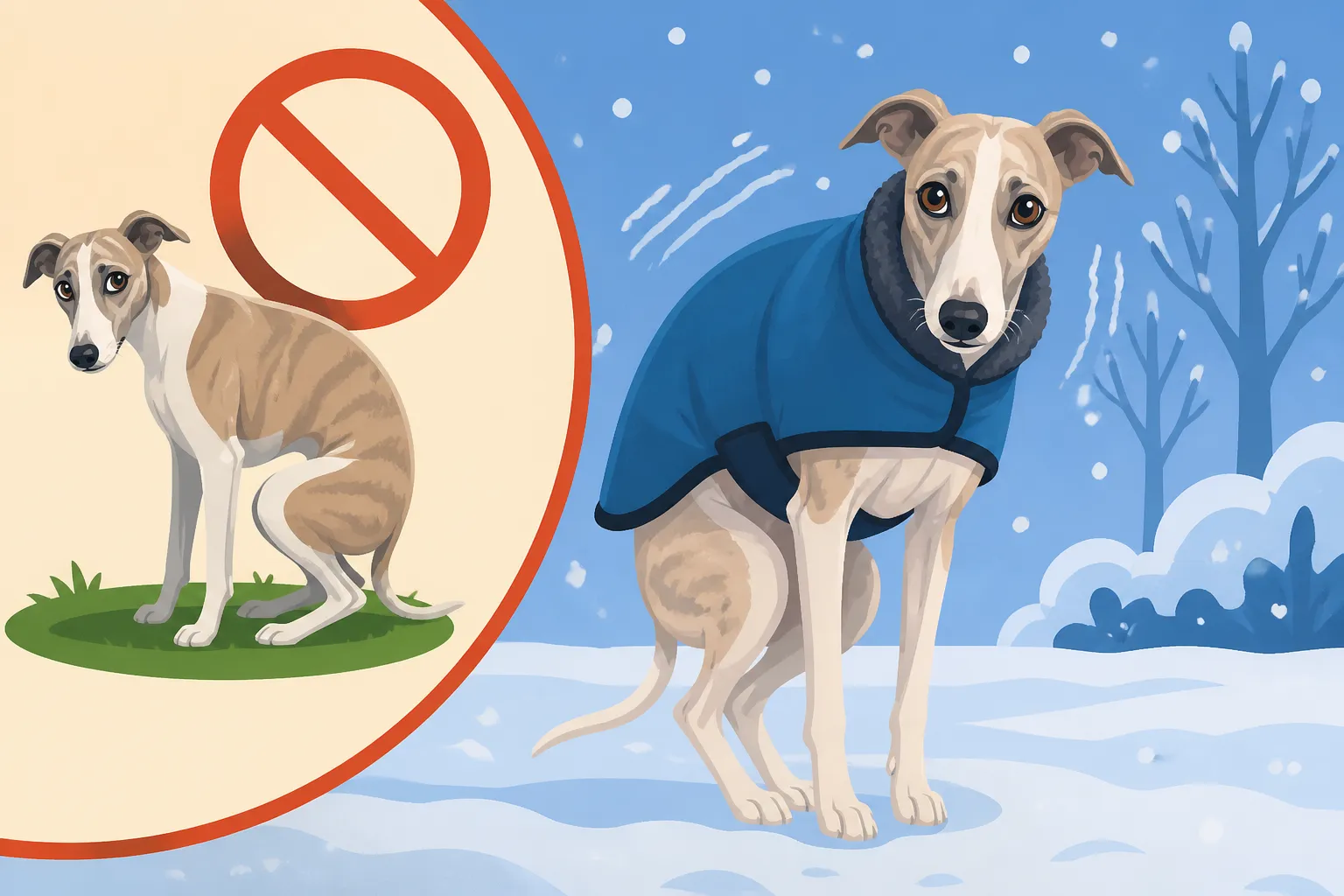
You've probably seen it: you open the door, your Whippet steps out, takes one look at the frosty world, shivers, lifts a paw, does a quick pivot, and tries to bolt back inside. Or perhaps they venture out, walk a few tentative steps, maybe even sniff around half-heartedly, but never commit to the act. This "potty dance" is their clear signal that they are profoundly uncomfortable. They know they need to go, but the thought of standing still on that cold, wet surface is too much to bear. They might lift all four paws in quick succession, arch their back in an almost defensive posture, and keep their tail tucked tight. They're trying their best to get it done quickly, or, more often, to convince you to let them back inside so they can hold it. This holding behavior is a significant concern.
Indoor Accidents: The Unintended Consequence
When a Whippet consistently refuses to relieve themselves outdoors due to the cold, the inevitable outcome is indoor accidents. This isn't usually a sign that they've forgotten their house training or are being spiteful. It's simply that their bladder or bowels can only hold out for so long. They might choose a hidden spot in the house, perhaps a carpeted area that feels warmer and softer than the freezing patio, or a quiet corner where they hope to go unnoticed. This can be incredibly frustrating for owners, leading to a cycle of cleanup and increasing tension, but it's vital to remember that the root cause is often physical discomfort, not naughtiness. Punishing these accidents rarely solves the problem; it only teaches the dog to be more secretive about their indoor elimination.
Potential Health Implications of Holding Urine
Beyond the inconvenience of indoor messes, a Whippet habitually holding its urine can lead to serious health issues. When urine stays in the bladder for too long, it provides an ideal breeding ground for bacteria, increasing the risk of urinary tract infections (UTIs). UTIs can be painful and, if left untreated, can lead to more severe kidney problems. Consistent holding can also contribute to the formation of bladder stones over time. It's a silent threat that can manifest in increased frequency of urination, straining, blood in the urine, or general discomfort. Therefore, addressing the cold-weather potty strike is not just about house training; it's about protecting your Whippet's long-term health. Regular successful outdoor elimination is crucial for their well-being.
Practical Solutions for Cold-Weather Potty Breaks
While we can't change the weather, we can certainly make cold-weather potty breaks much more bearable, and even appealing, for our sensitive Whippets. A multi-pronged approach involving appropriate gear, designated potty areas, and strategic timing can make all the difference.
The Right Wardrobe for Winter Weather
Dressing your Whippet appropriately for the cold is not a luxury; it's a necessity. A good quality coat that covers their back, chest, and ideally, their belly, is paramount. Look for insulated, waterproof options that provide maximum coverage. Many owners find that a fleece layer underneath a waterproof outer shell works best for truly frigid temperatures. Brands like Equafleece or Hurtta are often popular among sighthound owners because they offer cuts designed for their unique body shape. The Wardrobe a Whippet Needs Because It Has No Body Fat dives into many excellent options.
For their sensitive paws, dog boots are a game-changer. It might take some getting used to – Whippets often walk comically at first – but they provide a vital barrier against ice, snow, salt, and freezing pavement. Start by introducing boots indoors for short periods, associating them with treats and positive experiences, before venturing outside. Finding boots that stay on a Whippet's delicate paws can be a challenge, but persistent trial and error is worth it. For example, some owners find the flexible, sock-like Pawz brand or more structured options available on Amazon to be good starting points. And don't forget a snood! While it might seem like a fashion statement, a good snood or neck warmer can protect their ears and neck from biting winds, making a significant difference to their overall comfort. Whether a Whippet Needs a Snood explains why this seemingly small item can be so impactful.
Creating an Appealing Potty Spot
Sometimes, the general vastness of a cold, open yard is overwhelming. Creating a small, designated potty spot that feels safer and more comfortable can encourage your Whippet.
Consider these options:
- A Covered Area: A small awning, a porch, or even a pop-up shelter can provide a roof overhead, protecting them from rain, snow, and wind. This immediately makes the experience less miserable. If you're considering a more permanent solution, Whether a Whippet Needs a Covered Potty Area offers some great insights.
- Artificial Grass Patch: Many pet stores and online retailers offer artificial grass patches designed for potty training. Placing one in a sheltered spot, or even on a balcony, can provide a consistent, relatively clean, and non-freezing surface that mimics grass. You can find many options on Amazon.
- Straw or Wood Shavings: In a designated outdoor area, a layer of straw or wood shavings can provide a warmer, drier surface than frozen ground. Just ensure it's changed regularly to maintain hygiene.
- Heated Mat: For truly reluctant Whippets, a pet-safe heated mat placed under an artificial turf patch in a covered area could be a luxurious inducement. Always use outdoor-rated, chew-proof mats designed specifically for pets and ensure proper electrical safety.
The key is to make this spot consistently available and as inviting as possible, especially during inclement weather.
Making Potty Breaks Quick and Positive
When it's cold, speed is of the essence. You don't want your Whippet to dither; you want them to go out, do their business, and come back in promptly.
- Leash Them Up Immediately: Don't just open the door and expect them to rush out. Put them on a leash and walk them directly to their designated potty spot. This sends a clear signal that this is not playtime, but business time.
- Stay With Them: Don't just stand at the door. Go outside with them. Your presence can be reassuring, and you can encourage them verbally. Your body heat, even at a distance, might also make them feel less alone in the cold.
- Offer High-Value Rewards: As soon as they finish their business, shower them with praise and offer a truly high-value treat – something they don't get at any other time. This immediate positive reinforcement creates a strong association: "Going potty outside in the cold means amazing treats and warmth!" Don't wait until you're back inside; the reward needs to be instantaneous.
- Keep It Brief: If they haven't gone within a few minutes, bring them back inside. Don't engage in play or extended walks. Try again in 10-15 minutes. This teaches them that potty breaks are for business only, and prolonging it won't earn them more outdoor time when it's cold.
Long-Term Management and Training Tips
Successfully managing a Whippet's cold-weather potty habits requires consistency, patience, and a deep understanding of their unique needs. It's not a quick fix but an ongoing commitment to their comfort and well-being.
Consistency is Key, Even When It's Chilly
Maintaining a consistent potty schedule is paramount, regardless of the weather. While it's tempting to cut corners when it's freezing outside, sticking to a regular routine reinforces good habits. Take your Whippet out at the same times each day – first thing in the morning, after meals, before bed, and several times in between. Even if they don't always go, the routine itself is valuable. Each trip outside, whether successful or not, is a learning opportunity.
Furthermore, be consistent with your chosen potty spot and gear. If you've introduced boots, use them every time it's cold enough to warrant them. If you have a covered area, always direct them there. Inconsistency can confuse your Whippet and undermine your efforts. Remember, the goal is to create a predictable environment where they feel secure enough to do their business. This consistency also applies to your reactions: always praise and reward success, and calmly clean up any accidents without scolding, understanding they are a symptom of the underlying discomfort.
Positive Reinforcement for Outdoor Success
Whippets are incredibly sensitive dogs. Harsh reprimands or punishment for indoor accidents will likely be counterproductive, leading to a fearful dog who associates going potty with negative consequences. Instead of solving the problem, it might just make them more secretive about their indoor elimination or even cause them to "shut down" when corrected. How a Whippet Learns When It Bruises From Pressure highlights their sensitivity to pressure.
Focus entirely on positive reinforcement. Celebrate every successful outdoor potty break as if they've just won the Westminster Dog Show! Enthusiastic praise, happy vocalizations, and those high-value treats are crucial. The moment their business is done, make it a party. This positive association is powerful. You want them to think, "Going potty outside, even when it's cold, means wonderful things happen!" For extra support, consider resources like BAXTER & Bella's online training programs, which emphasize positive, force-free methods that align perfectly with a Whippet's sensitive nature. Their approach can help you reinforce good habits in a way that builds trust and confidence, rather than fear.
Considering a Covered Potty Area
For many Whippet owners in colder climates, a covered potty area isn't just a convenience; it becomes essential. As discussed earlier, the combined assault of cold, wind, and precipitation can be too much for these thinly skinned dogs. A simple, well-placed cover offers immediate relief.
This could be a permanent structure like a dog run with a roof, a dedicated section of a covered patio, or even a temporary solution like a large pop-up tent or gazebo in a secluded corner of the yard. The key is to provide a dry, relatively draft-free space where your Whippet feels a degree of protection from the elements.
You could outfit this space with:
- Artificial turf: Easy to clean and consistently soft.
- Absorbent mats: Beneath the turf for extra protection.
- Straw bedding: For natural warmth and absorbency (though needs frequent changing).
The benefits are numerous: it keeps them dry, offers a slight windbreak, and provides a consistent, familiar spot that they can rely on. Over time, your Whippet will learn to associate this specific, protected area with successful potty breaks, making the entire winter season much less stressful for both of you. It's an investment in their comfort and your peace of mind, significantly reducing the likelihood of those frustrating indoor accidents.
Summary of Cold Weather Potty Strategies
Here's a quick overview of strategies to help your Whippet navigate cold-weather potty breaks successfully:
| Strategy | Description | Benefits |
|---|---|---|
| Appropriate Gear | Insulated, waterproof coats, dog boots, and snoods. | Protects from cold, wet, ice, and wind; reduces discomfort. |
| Designated Potty Spot | A covered area, artificial grass, or straw bed. | Provides a consistent, sheltered, and relatively warm surface. |
| Quick & Positive Trips | Leash immediately, go directly to spot, offer high-value rewards instantly. | Reinforces the positive association with outdoor elimination; reduces exposure time. |
| Consistent Schedule | Stick to regular potty times, regardless of weather. | Reinforces good habits and predictability. |
| Patience & Reinforcement | Avoid punishment for accidents; celebrate every outdoor success. | Builds trust; encourages desired behavior without fear. |
| Consider Supplements | For older Whippets, joint supplements can make squatting less painful in cold. | Reduces physical discomfort associated with movement. |
Remember, managing a Whippet's reluctance to toilet in the cold is often a battle against their natural instincts for self-preservation and comfort. By understanding their unique physiology and providing thoughtful solutions, you can help them stay healthy, happy, and accident-free, even when the temperatures plummet.
Disclaimer
This article is for general informational purposes only and does not constitute professional advice. Laws, prices and regulations vary by location and change over time. Consult a qualified professional for guidance on your specific situation.