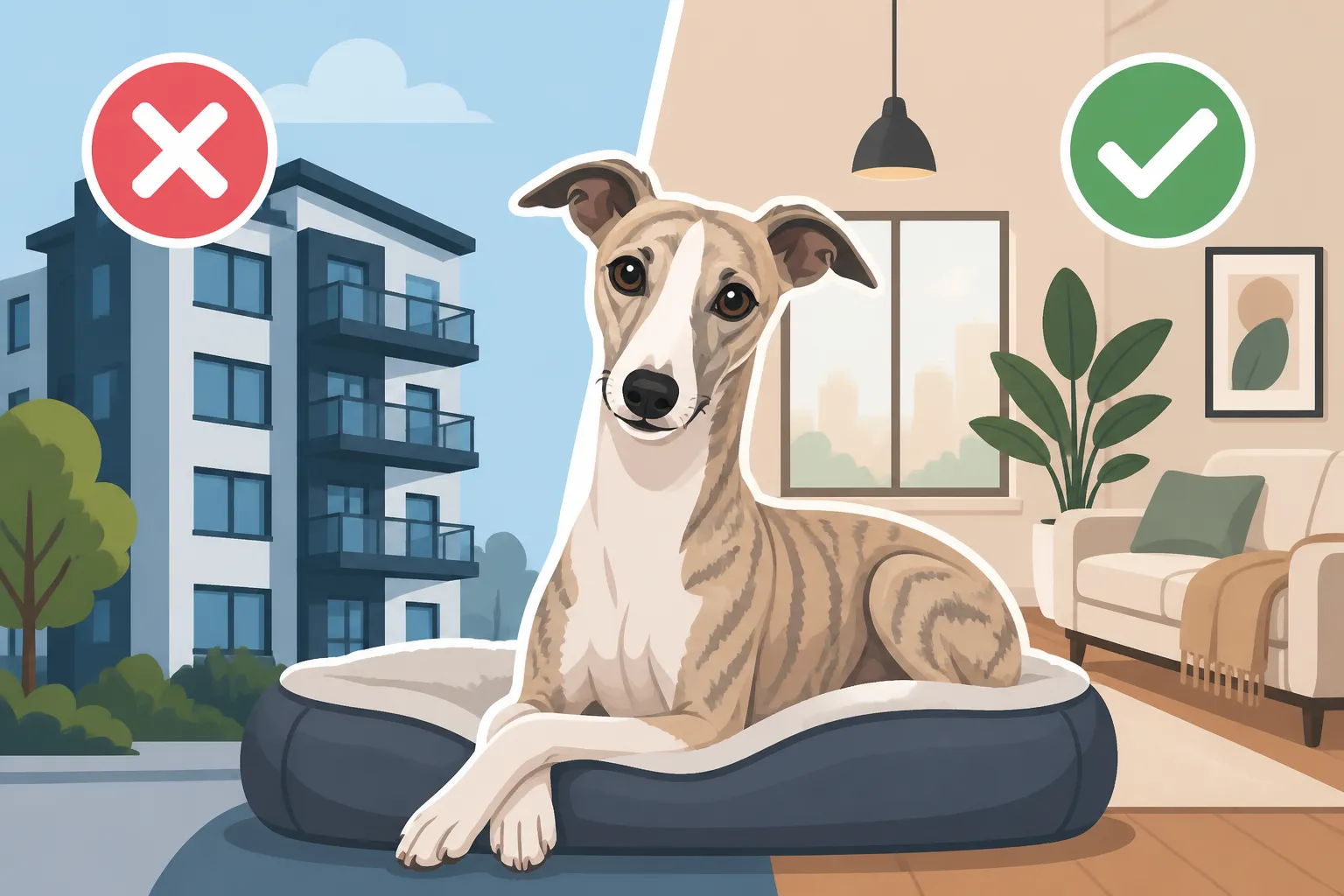
Whether a Whippet Suits an Apartment
One of the biggest concerns prospective Whippet owners have, especially if they live in a city or a smaller dwelling, is whether these sleek, athletic dogs can truly thrive in an apartment setting. It’s a completely valid worry because when you see a Whippet tear across a field at top speed, it’s hard to imagine them cooped up in a smaller space without going stir-crazy. But the truth is, a Whippet’s energy profile is quite unique, and understanding it is key to realizing why they can actually be fantastic apartment dwellers, provided their specific needs are met. This guide will delve deep into the Whippet's temperament, exercise requirements, and how to create an ideal environment for them in an urban home.
The Whippet's True Nature: Couch Potato or Wild Sprinter?
It’s a tale as old as time with Whippets: the breathtaking burst of speed followed by an almost immediate collapse onto the nearest soft surface. People often see their incredible athleticism and assume they need acres of land to be happy, but that's only half the story. Their true nature is a fascinating dichotomy that makes them surprisingly adaptable to various living situations, including apartments.
The Indoor Demeanor: Quiet and Calm
Inside the home, a Whippet transforms from a speed demon into a champion napper. Seriously, if there were Olympic medals for sleeping, your Whippet would be draped in gold. They are incredibly calm, quiet, and content indoors, often seeking out the warmest, snuggliest spot available, whether that's a sunbeam, a pile of blankets, or, most likely, your lap. This isn't just a convenient trait; it's fundamental to their sighthound physiology. They are bred for short, intense bursts of energy, followed by long periods of rest and recovery. This means that after a good run, they are more than happy to snooze for hours on end.
Think about it from their perspective: their ancestors spent their days saving energy for the hunt, and that instinct is deeply ingrained. They don't have the restless, busy energy of many terrier breeds or working dogs that constantly need a "job" to do inside the house. You won't find a well-exercised Whippet pacing the floors, whining, or tearing up your sofa out of sheer boredom. Instead, they’ll be profoundly asleep, dreaming of chasing plastic bags in the wind. This inherent calmness is why so many apartment dwellers are surprised by how perfectly suited these dogs are to smaller living spaces. You'll often hear Whippet owners lovingly refer to their dogs as The Whippet Is a Forty Mile an Hour Couch Potato, and it’s no exaggeration.
The Outdoor Drive: The Need for Speed
While their indoor habits are distinctly chill, it's crucial not to forget the other side of the Whippet coin: their undeniable need for speed. They might be quiet and cuddly indoors, but outside, they need to run. This isn't just about burning off energy; it's about fulfilling their primal sighthound instinct. The thrill of the chase, the wind in their ears, the full-body stretch of a gallop – these are things a Whippet craves and needs for both physical and mental well-being.
The key here is understanding that this need isn't for endurance running, like a Border Collie might require, but for sprinting. They need opportunities to stretch out, hit top speed, and then, just as quickly, they're ready to coil back up and relax. This means that apartment living with a Whippet isn't about having a huge backyard (though that's certainly nice!), but about consistent access to safe, enclosed spaces where they can truly open up and fly. A quick dash around the block on a leash, while beneficial for potty breaks, simply won't cut it for fulfilling this deep-seated need. Ignoring this aspect of their personality can lead to a frustrated, under-stimulated dog, even if they appear calm indoors. It's a balance: the apartment provides the comfort and security for their rest, but you, the owner, must actively provide the outlet for their innate athletic prowess.
Exercise Requirements for Apartment Living
Successfully keeping a Whippet in an apartment boils down to how well you manage their exercise needs. It's less about the sheer volume of space you have and more about the quality and type of activity you provide. Don't fall into the trap of thinking a small dog means small exercise needs – that's definitely not the case for a Whippet!
Quality Over Quantity: Short, Intense Bursts
Unlike some breeds that require hours of steady jogging or hiking, a Whippet thrives on short, intense bursts of activity. Think of them as sprinters, not marathon runners. A couple of 15-20 minute sessions of full-out running are often far more beneficial than an hour-long leashed walk. These powerful sprints allow them to stretch their muscles, engage their chase instinct, and burn off pent-up energy in a way that truly satisfies them. This is good news for apartment dwellers, as it means you don't necessarily need endless trails right outside your door, but rather access to a safe, secure area for these focused exercise sessions.
Finding such a space is paramount. A fenced dog park (if your Whippet enjoys other dogs and the park is responsibly managed), a rented private dog field, or even a large, empty baseball or soccer field that you have permission to use can be ideal. The critical factor is safety: no traffic, no unexpected hazards, and a fence high enough to prevent escape. A Whippet can go from zero to warp speed in a flash, and their recall, while trainable, can be entirely overridden by a strong prey drive. How Far a Whippet Can Sprint Before It Tires isn't very far, but it's very fast, so you need to ensure they can do it safely. Remember, they have Thirty Five Miles an Hour and No Brakes on a Whippet's Recall when something catches their eye.
Managing the Prey Drive in Limited Spaces
The Whippet’s powerful prey drive is something you absolutely must respect, especially when living in an apartment or urban environment where unleashed freedom is rare. This isn't a dog you can typically let off-leash in an unfenced park or a busy city area and expect them to stick by your side. A squirrel, a blowing leaf, or even a distant bird can trigger an immediate, irreversible chase response. This is why Why a Whippet Cannot Be Let Off Leash in an Open Field is such a critical piece of advice for their safety.
In an apartment setting, this means that most of your daily walks will be on a leash. Invest in a good, comfortable martingale collar, as their slender necks can easily slip out of standard collars. You might also consider a well-fitting harness for added security. While leashed walks won't satisfy their need to sprint, they are excellent for mental stimulation (sniffing new smells!), potty breaks, and socialization. To truly manage their prey drive, you need dedicated, safe spaces for off-leash running. Lure coursing or Fast CAT events are fantastic structured ways to channel their natural instincts in a controlled and safe environment. Think of it as a weekly or bi-weekly "safari" for your Whippet, allowing them to express their true nature without any danger. This thoughtful approach to their exercise and instinctual needs is what truly makes an apartment Whippet happy and well-adjusted.
Space Considerations and Adaptations
When you're thinking about an apartment and a Whippet, it's natural to focus on the size of your living room. However, what truly matters isn't square footage, but how you utilize that space and what adaptations you make for your sighthound companion.
Minimal Indoor Space Needs
One of the greatest myths about athletic dogs like Whippets is that they need vast amounts of indoor space to stretch their legs. The reality is quite the opposite for this breed. Once their outdoor exercise needs are met, Whippets are incredibly compact and calm indoors. They don't zoom around your furniture, bounce off walls, or demand constant attention in the house. Their natural inclination is to find a soft spot and snooze, often for hours on end. How Many Hours a Day a Whippet Sleeps is truly remarkable; they are experts at conserving energy.
This means that even a small studio apartment can be perfectly adequate for a Whippet. What they value isn't open floor plans, but comfort and warmth. Since they have A Whippet Has No Insulation and No Padding, they feel the cold easily and don't enjoy hard surfaces. Therefore, your apartment needs plenty of soft bedding: plush dog beds, thick blankets, and permission to join you on the sofa or bed (which, let's be honest, they will manage to get anyway!). You'll find yourself buying The Beds a Whippet Owner Keeps Buying because a comfortable Whippet is a happy Whippet. They'll appreciate a cozy corner with a soft bed far more than an empty, cavernous room. Think about where you like to relax and be comfortable; your Whippet will want the same.
Vertical Living and Noise Concerns
Apartment living often means shared walls and sometimes, shared floors and ceilings. This can bring up concerns about noise and vertical space. Whippets are generally not excessive barkers. They might offer a short burst at the doorbell or an unexpected noise, but they are not typically yappy or prone to alarm barking like some other breeds. This makes them relatively good neighbors in multi-unit dwellings. However, every dog is an individual, and some Whippets can be more vocal than others, especially if suffering from separation anxiety or boredom. Understanding Whether a Whippet Barks at Anything will help you manage expectations.
As for vertical space, it's generally not a factor for Whippets. They are not known for climbing or being particularly destructive vertically. Their main concern is horizontal comfort – finding a plush spot to sprawl. One thing to be mindful of is stairs, especially for puppies or older Whippets. While adult Whippets generally navigate stairs with ease, excessive jumping on and off furniture or running up and down hard stairs repeatedly might be a concern for very young or senior dogs. Ensuring soft landings and perhaps using ramps for very high furniture or restricted stair access for puppies can be helpful. What's more important than ceiling height is providing a consistent, predictable routine and a calm indoor environment where your Whippet feels secure and can truly relax.
| Whippet Apartment Suitability Factor | Positive Aspect | Consideration/Adaptation Needed |
|---|---|---|
| Indoor Energy | Extremely calm, loves to sleep. | Requires soft, comfortable beds in many spots. |
| Outdoor Exercise | Needs short, intense sprints. | Requires consistent access to safe, securely fenced off-leash areas. |
| Prey Drive | Can be channeled through activities like lure coursing. | Strict leash discipline in unfenced areas; reliable recall training is vital. |
| Noise Level | Generally quiet and not excessive barkers. | Individual variations exist; address potential separation anxiety early. |
| Space Utilization | Prefers cozy spots over open space. | Provide multiple soft beds, blankets; allow furniture access for warmth and comfort. |
| Adaptability | Highly adaptable to routines. | Owners must commit to providing dedicated exercise outings regardless of apartment size. |
Training and Socialization for Urban Whippets
Living in an apartment, especially in an urban environment, means your Whippet will encounter more sights, sounds, and people on a daily basis. This makes early and consistent training and socialization not just important, but absolutely essential for a well-adjusted dog.
Nailing the Recall in High-Distraction Environments
Let's be realistic: a Whippet’s recall is not always their strongest suit, especially when their prey drive kicks in. This isn't a criticism; it's just how they're wired. When they see something move, their instinct to chase can completely override any training they've had. In an apartment setting, where your dog is almost always on a leash outside, a solid recall becomes even more critical for those rare, precious moments of off-leash freedom in a secure area. Training an emergency recall that is foolproof (or as foolproof as possible for a sighthound!) is paramount.
Start recall training in a low-distraction environment, like your apartment or a quiet hallway. Use high-value treats and make it a game. As your Whippet masters it, gradually introduce more distractions, but never in an unfenced area where a failed recall could put them in danger. Consider online puppy training resources, like those offered by BAXTER & Bella, which can provide structured lessons you can follow from the comfort of your apartment. They often emphasize positive reinforcement methods that work wonderfully with sensitive breeds like Whippets. Remember, a reliable recall means you can safely enjoy those precious off-leash moments, allowing your Whippet to truly express their natural athleticism without fear.
Managing Alone Time and Separation Anxiety
Whippets are incredibly attached to their people. They thrive on companionship and physical closeness, which is one of their most endearing qualities. However, this deep bond can sometimes lead to separation anxiety if not managed carefully from a young age. In an apartment, where you might have neighbors closer by, separation anxiety can manifest as barking, howling, or destructive behavior, leading to potential issues with landlords or neighbors. Separation Anxiety in a Whippet is a real concern and one that needs proactive management.
Start by gradually increasing the time your Whippet is left alone, even if it's just for a few minutes while you step into another room. Provide engaging chew toys or puzzles to distract them. Crate training can be a fantastic tool for apartment living, offering your Whippet a safe, den-like space where they feel secure when you're not home. Many Whippets take to crates very well, seeing them as their cozy sanctuary. Whether a Whippet Can Be Crate Trained is often yes, and it can be a great way to manage alone time effectively. Make sure the crate is comfortable, with plenty of soft bedding (again, Amazon has great options for plush crate pads!). If you work outside the home, consider a dog walker or doggy daycare for a few days a week to break up their alone time. The goal is to teach your Whippet that being alone is okay and that you will always come back, reinforcing their sense of security in their apartment home.
The Human Factor: Your Lifestyle and an Apartment Whippet
Ultimately, whether a Whippet suits an apartment isn't just about the dog; it's largely about you, the owner. Your lifestyle, commitment, and understanding of the breed's specific needs will be the deciding factor in their happiness and well-being in an urban environment.
The Importance of a Consistent Routine
Whippets, like most dogs, thrive on routine. In an apartment, where the lines between indoor relaxation and outdoor adventure are so clear, a consistent schedule becomes even more important. Your Whippet needs to know when they can expect their walks, their meal times, and, most importantly, their dedicated running sessions. If you can commit to a routine that provides these essential outlets, then your Whippet will flourish in an apartment. How Quickly a Whippet Settles Indoors is often directly related to how well their outdoor needs are met and how predictable their day is.
This means being disciplined about those essential off-leash runs, even when the weather is less than ideal. A Whippet with pent-up energy, even if they appear calm, isn't truly content. They rely on you to provide the structure and opportunities they need. If your schedule is erratic or you find yourself skipping those crucial sprint sessions, an apartment might not be the best fit for any dog, let alone an athletic sighthound. However, if you're someone who enjoys getting out, has access to suitable spaces, and can stick to a schedule, you'll find a Whippet to be an incredibly rewarding companion.
Embracing the "Lap Dog" Life
One of the most delightful aspects of living with a Whippet, especially in an apartment, is their profound love of comfort and closeness. They are true "Velcro dogs" and absolutely adore being physically connected to their humans. If you're looking for a dog that will happily curl up on the sofa with you for a movie marathon, or burrow under the blankets in bed, a Whippet is an excellent choice. This affectionate nature is what makes them such wonderful apartment companions.
Their desire for warmth and contact means they are often content just being near you, even in a small space. They don't need to be constantly playing or demanding attention; your mere presence is often enough. This makes them ideal for individuals or families who appreciate a quiet, loving presence in their home. The downside, of course, is that they might try to take over your favorite armchair or claim more than their fair share of the bed! But for many Whippet owners, this is part of their charm. So, if you're prepared to share your personal space and provide them with plenty of soft spots, you'll find that a Whippet not only suits apartment living but truly enriches it, transforming your small home into a cozy haven for both of you. Whether a Whippet Suits a Quiet Home is often a resounding yes, as they contribute to the peace rather than disrupt it.
Disclaimer
This article is for general informational purposes only and does not constitute professional advice. Laws, prices and regulations vary by location and change over time. Consult a qualified professional for guidance on your specific situation.