Whether a Whippet Needs a Coat Indoors
It’s a common sight for us Whippet owners, isn't it? You’re sitting on the sofa, feeling perfectly cozy, and there’s your sleek, slender Whippet, huddled in a tight ball, shivering slightly, or trying to burrow under every available blanket. It makes you wonder: do they really need a coat indoors? This guide is here to help you understand your Whippet’s unique thermal needs and decide whether an extra layer inside your home is truly necessary for their comfort and well-being.
Why Whippets Are Always Chilly
Let's be honest, Whippets are built for speed, not for surviving a Siberian winter. Their elegant, aerodynamic bodies are marvels of canine engineering, but they come with a distinct lack of natural insulation. This isn't just an aesthetic thing; it's a fundamental physiological difference that makes them particularly sensitive to cold, even when you might not feel it yourself.
The Lack of Natural Insulation
When you look at a Whippet, what do you see? A beautiful, lean machine with practically no body fat. Unlike many other breeds with thick undercoats or ample padding, a Whippet's physique is designed to be lightweight and streamlined. This means they simply don't have the subcutaneous fat layer that helps most dogs stay warm. Think of it like a naturally thin person trying to brave a cold snap in just a t-shirt – they're going to feel it much more acutely than someone with a bit more natural insulation. It’s a core part of A Whippet Has No Insulation and No Padding.
This isn't a flaw; it's just how they're made. Their short, fine coat, while incredibly soft and easy to care for, offers minimal protection against cool temperatures. It’s like a thin silk scarf instead of a wool blanket. You can visibly see their ribs and hip bones, which is normal for the breed, but also a constant reminder of how little "buffer" they have against the cold. Many new Whippet owners get worried about their dog's apparent leanness, only to learn that this is normal. Understanding Why a Whippet Has So Little Body Fat is key to their care.
Their Efficient, But Cold, Metabolism
Whippets have an incredibly efficient metabolism that allows them to explode into action with breathtaking speed. However, this high-performance engine isn't designed for constant, low-level heat generation. It's more about bursts of energy than sustained warmth. So, while they can generate a lot of heat during a sprint, once they're done and curled up on the sofa, that heat dissipates quickly from their uninsulated bodies.
Their circulatory system, also optimized for athletic performance, means that blood flow is highly efficient at cooling them down after exertion. This is great for preventing overheating during intense activity, but it's not ideal for staying toasty when the ambient temperature drops. This is why you'll often see them seeking out sunbeams, warm laps, or burrowing deep under blankets, even in a house that feels perfectly comfortable to you.
Reading Your Whippet's Cold Signals Indoors
Your Whippet is a master of non-verbal communication, especially when it comes to being cold. They can't tell you in words, but their body language speaks volumes. Learning to interpret these signals is crucial to ensuring their comfort, and it'll save you from guessing games about whether they're genuinely chilly or just being a drama queen (which, let's face it, they sometimes are!).
The Classic Shiver and Hunch
The most obvious sign that your Whippet is feeling the chill is shivering. This isn't always about being nervous or scared; often, it's simply their body's way of trying to generate warmth through muscle contractions. You might notice the "whippet shiver" even when the house doesn't feel cold to you. It's distinct from the full-body trembling of anxiety; often, a cold shiver will be accompanied by them curling up tightly.
When a Whippet is cold, they’ll often adopt a very specific posture: a tight curl, almost like a donut, with their nose tucked under their tail and their legs pulled in close to their body. This posture minimizes their exposed surface area, helping to conserve body heat. You might also see them hunching their shoulders slightly, trying to make themselves smaller. If they're usually sprawled out like a pancake, but suddenly they're a tightly wound spring, it's a good bet they're feeling the cold. It’s important to know the difference between Telling a Cold Whippet From a Nervous One.
Seeking Out Warmth and Comfort
A cold Whippet will actively seek out warmer environments. This might mean gravitating towards sunny spots on the floor, trying to burrow under your clothing, or pressing themselves against you or other family members for body heat. They're not being clingy just for the sake of it; they're genuinely looking for warmth. You'll often find them attempting to steal your spot on the sofa the moment you get up, not just because it's comfy, but because it's still warm from your body heat.
They also have an uncanny ability to find the warmest bedding in the house. If they're constantly digging and nesting into blankets, piling them up, or attempting to burrow under pillows rather than just lying on them, it's a clear signal they're trying to create a warmer, more insulated space for themselves. This behavior is instinctual and a strong indicator that their internal thermostat is asking for more. Sometimes, you might even notice them being a little more reluctant to get up and move around if it means leaving their warm spot. They might seem more lethargic, preferring to stay snuggled rather than engage in play, even if it's typically an exciting prospect. Why a Whippet Shivers Indoors is often tied to these behaviors.
Practical Solutions for Keeping Your Whippet Warm Indoors
The good news is that keeping your Whippet comfortable indoors doesn't have to be a monumental task. A few thoughtful adjustments to their environment and wardrobe can make all the difference, ensuring they stay cozy without you having to crank up the thermostat to tropical levels.
The Importance of Proper Bedding
For a Whippet, a comfortable bed isn't just a luxury; it's a necessity. Due to their lack of padding, lying on a hard floor or even a thin rug can quickly make them cold, and over time, lead to pressure sores on their bony joints like elbows and hips. This is why Why a Whippet Needs Soft Bedding Everywhere is so crucial. A good bed will provide insulation from the cold floor and cushion for their delicate bodies.
Look for beds with ample padding, memory foam, or bolstered sides that they can lean against or burrow into. Orthopedic beds are excellent, not just for older dogs, but for preventing issues in younger Whippets too. Many Whippet owners find that their dogs absolutely adore "donut" beds or cave-style beds that allow them to create a snug, enclosed space. Think about where your Whippet spends most of their time and ensure there's a suitable, warm bed available in each of those spots. You might be surprised at The Beds a Whippet Owner Keeps Buying as you hunt for the perfect one! Brands like Chewy offer a wide array of options, from plush donut beds to elevated beds that keep them off cold floors, making it easier to find something that fits both your space and your Whippet's preferences.
Indoor Pajamas and Sweaters
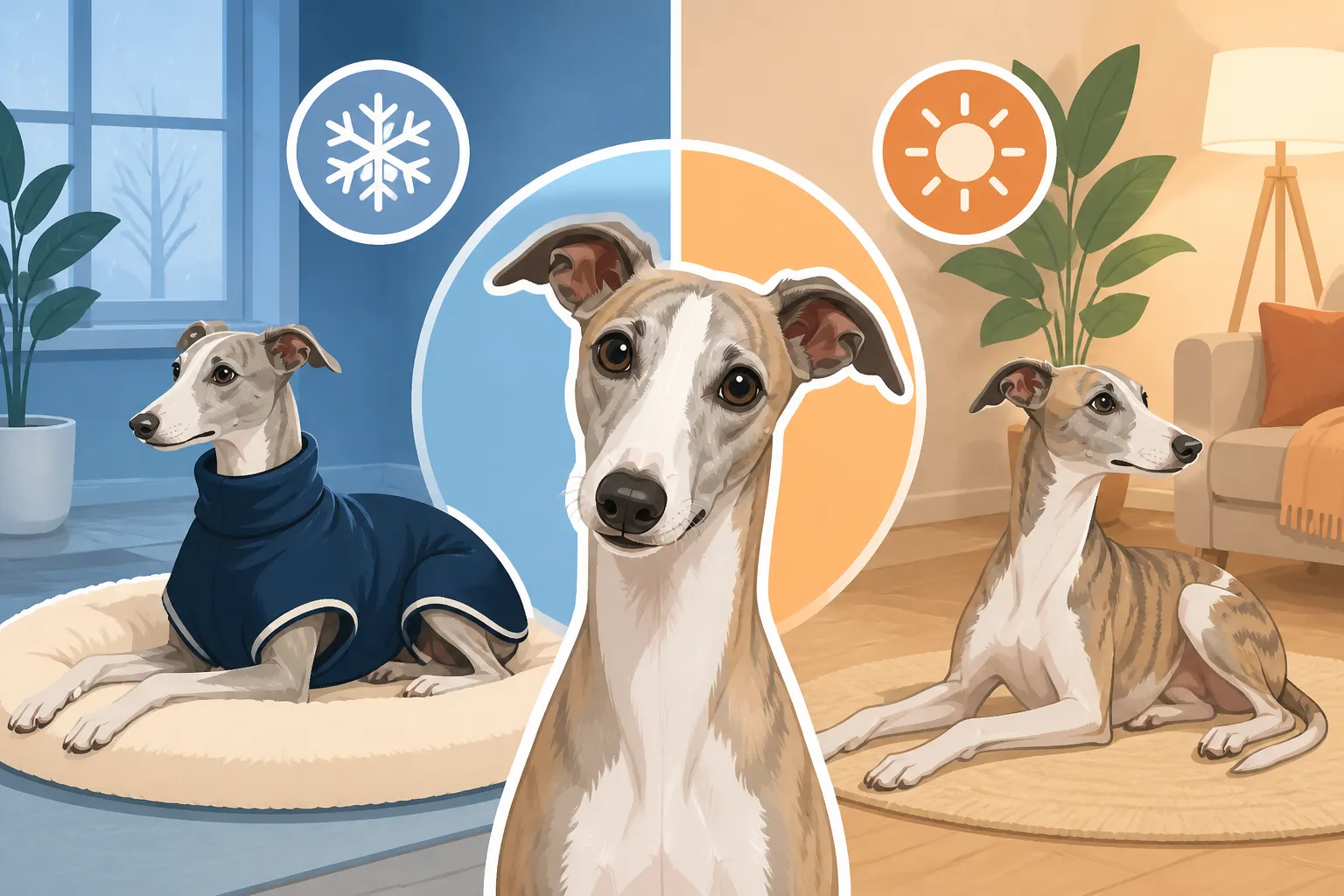
For many Whippets, especially those in colder climates or unheated rooms, a light indoor garment can be a game-changer. These aren't the heavy-duty winter coats they'd wear outside, but rather soft, breathable pajamas or sweaters made from fleece or cotton. They provide that crucial extra layer of warmth against drafts and lower ambient temperatures, without causing overheating if the house is otherwise comfortable.
Pajamas are particularly popular because they cover a larger portion of the body, including the legs, which can get surprisingly chilly. Look for fabrics that are soft against their thin skin and designs that allow for full freedom of movement. It's not about fashion; it's about function and comfort. Some Whippets might wear these all night, especially if they sleep in a cooler room, while others might just need them during the day if they're lounging in a drafty area. You might find yourself accumulating How Many Sweaters a Whippet Owner Ends Up With before you find the perfect set for different temperatures. For extra cozy nights, Whether a Whippet Needs Pajamas for Sleeping often comes down to individual preference and the climate.
Strategic Heating and Draft Control
While you might not want to turn your home into a sauna, there are strategic ways to ensure your Whippet stays warm. Consider the placement of their beds: are they near a drafty window or door? Moving them to a more sheltered spot can make a big difference. Using draft stoppers under doors can also help maintain a more consistent temperature.
For particularly chilly areas, or for Whippets who are prone to feeling the cold, a heated pet bed or mat can be a wonderful investment. These provide a gentle, consistent warmth that many sighthounds adore. Just ensure they are certified safe for pets and always follow the manufacturer's instructions. A heated pad can be a godsend, especially for older Whippets or those with arthritis, providing therapeutic warmth. In general, Whether a Whippet Needs a Heated Pad depends on your home’s temperature and your dog’s specific needs. If your Whippet insists on sleeping in a cooler part of the house, like a laundry room or a less-used bedroom, it’s worth considering Whether a Whippet Can Sleep in an Unheated Room if adequate warmth is provided through bedding or a heated pad.
When an Indoor Coat Might Not Be the Best Choice
While the idea of an indoor coat seems like a natural solution for a chilly Whippet, there are times when it might actually do more harm than good, or simply be unnecessary. It's a balance, and understanding the potential downsides is just as important as knowing the benefits.
The Risk of Overheating
It's a common misconception that because Whippets get cold easily, they can never be too warm. This simply isn't true. Whippets, like all dogs, can and do overheat, especially if they're wearing unnecessary layers in a warm environment. If your home is already kept at a comfortable temperature (say, above 70°F or 21°C), adding an indoor coat might make your Whippet uncomfortably hot.
Signs of overheating can include excessive panting, seeking out cool tile floors, reluctance to move, or appearing lethargic. While a healthy Whippet is adept at regulating their temperature through panting, persistent overheating can lead to discomfort and, in extreme cases, health issues. It's a delicate balance; you want them warm, but not roasting. If your Whippet is wearing an indoor coat and starts showing these signs, it's definitely time to take it off. This balance is something we often discuss when it comes to When a Whippet Overheats Under Its Coat.
Discomfort and Skin Issues
Not all coats are created equal, and a poorly fitting indoor garment can cause more problems than it solves. Whippets have delicate, thin skin that is prone to irritation and rubbing. A coat that is too tight, has rough seams, or is made from abrasive material can rub against their skin, particularly in areas like the armpits, chest, or groin, leading to redness, bald patches, or even sores.
Always choose soft, breathable fabrics like fleece or cotton, and ensure the fit allows for a full range of motion without pinching or restricting. Regularly check under the coat for any signs of irritation, especially when first introducing a new garment. Some Whippets simply dislike the feeling of wearing clothes, and forcing them into an indoor coat can cause stress or a refusal to move naturally. Observing your dog's reaction is key; if they seem uncomfortable or unhappy, explore other warming solutions like extra blankets or a heated bed.
Behavioral Considerations and Cost
Some Whippets simply don't tolerate wearing clothes, even soft pajamas. They might freeze up, refuse to move, or try to chew the garment off. In such cases, forcing the issue will only create stress and potentially damage your relationship with your dog. It's important to respect their preferences and find alternative ways to keep them warm.
Furthermore, an indoor coat, if not truly needed, can simply be an unnecessary expense. While a good quality sweater or pair of pajamas isn't usually terribly expensive, buying multiple for a dog who doesn't benefit from them can add up. It's always best to observe your individual Whippet's behavior and comfort level first. If they're not shivering, not seeking excessive warmth, and happy to sprawl out, they might be perfectly content without an extra layer indoors. Remember, every Whippet is an individual, and what works for one might not work for another. If your Whippet develops skin issues or behavioral problems due to discomfort, pet insurance providers like Healthy Paws might help cover unexpected vet visits.
In conclusion, while many Whippets absolutely benefit from indoor warmth, it's not a one-size-fits-all solution. Pay attention to their cues, ensure their bedding is appropriate, and consider light pajamas or sweaters if needed, but always be mindful of overheating or discomfort.
Summary of Whippet Indoor Warmth Needs
To help you quickly assess your Whippet's indoor comfort, here's a brief table outlining key observations.
| Indicator | Signs Your Whippet is Cold Indoors | Signs Your Whippet is Comfortable Indoors |
|---|---|---|
| Body Posture | Tightly curled up, hunched, nose tucked | Sprawled out, relaxed, stretched |
| Activity Level | Reluctant to move from warm spots, lethargic | Easily gets up to greet, play, explore |
| Seeking Behavior | Actively burrowing, pressing against you, finding sunbeams | Content on their own bed, not constantly seeking heat |
| Shivering | Visible shivering (not from excitement/fear) | No shivering |
| Physical Touch | Ears or paws feel cool to the touch | Ears and paws feel warm |
| Panting | No excessive panting (unless stressed/anxious) | No excessive panting (unless active/overheated) |
| Bedding Habits | Digging, nesting, piling blankets | Simply lying on top of bedding |
This table should give you a good starting point for understanding your Whippet’s needs. It's all about thoughtful observation and providing a cozy environment tailored to your individual dog.
Disclaimer
This article is for general informational purposes only and does not constitute professional advice. Laws, prices and regulations vary by location and change over time. Consult a qualified professional for guidance on your specific situation.